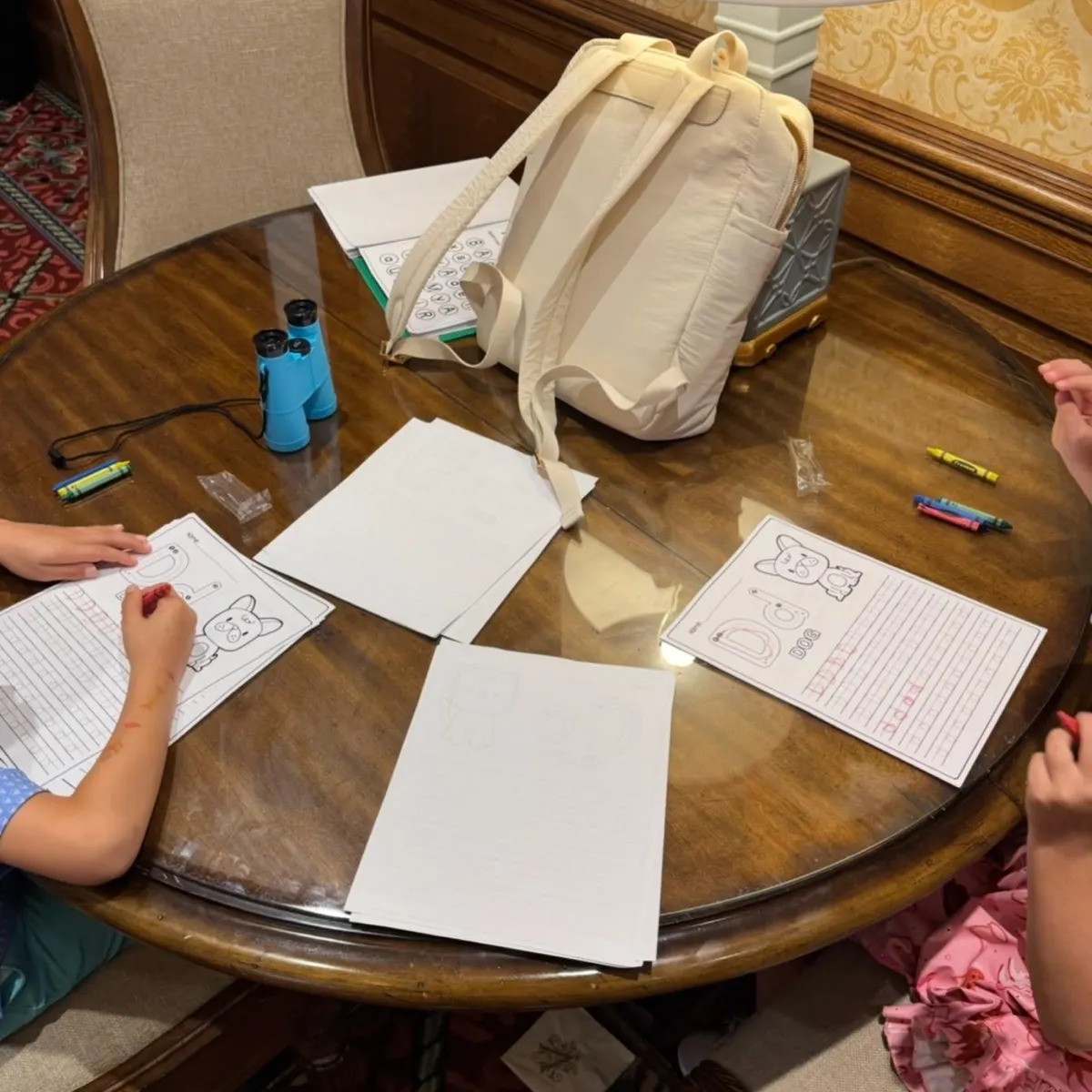
A preschool morning can change quickly. One child is ready to color before breakfast, another needs a quiet activity while a sibling gets dressed, and a classroom may have several children arriving at different times. The best preschool morning worksheets give children a simple, happy first task while building skills that matter.
A good morning worksheet is not meant to fill an entire morning or replace hands-on play. It is a short, welcoming learning activity that helps young children settle in, use their hands, and feel successful before moving into the day. For parents, teachers, daycare providers, and homeschool families, printable worksheets offer an easy, screen-free way to create that routine without extra prep.
What Makes a Preschool Morning Worksheet Work?
Morning work should feel familiar enough that children can begin with little help. Preschoolers are still developing attention, pencil control, and confidence, so a page crowded with instructions or too many new skills can create frustration before the day even starts.
The strongest choices have one clear focus. A child may trace a single letter, count a small group of objects, match pictures, or color a simple scene. Repeating the same format across several days is helpful, not boring. Familiar routines let children spend less energy figuring out what to do and more energy practicing the skill.
Look for worksheets with large print, friendly pictures, generous writing space, and directions an adult can explain in one sentence. A printable page should be easy to place on the table, clipboard, or morning work bin. If it takes ten minutes to set up, it is probably not the best fit for a busy start.
10 Best Preschool Morning Worksheets for Easy Routines
1. Name Tracing Pages
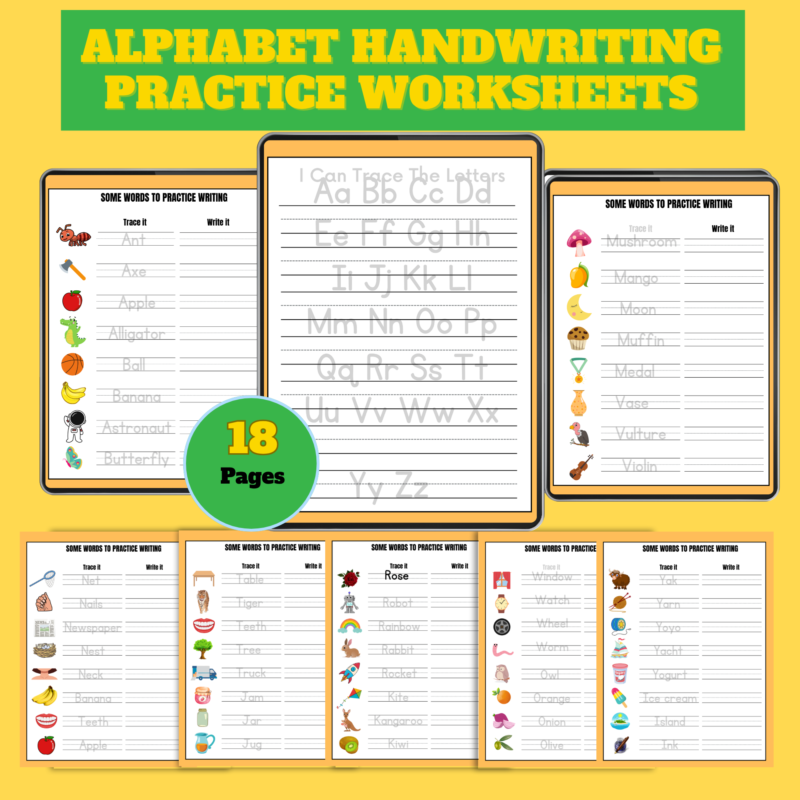
A name tracing worksheet gives preschoolers a personal reason to practice pencil control. Children are often eager to recognize the letters in their own name, and tracing those letters supports left-to-right movement, letter awareness, and early handwriting habits.
For beginners, start with a first-name page in large dotted letters. As confidence grows, offer a line for copying the name independently. This is especially useful for classroom arrival time, since each child can work on a page made just for them.
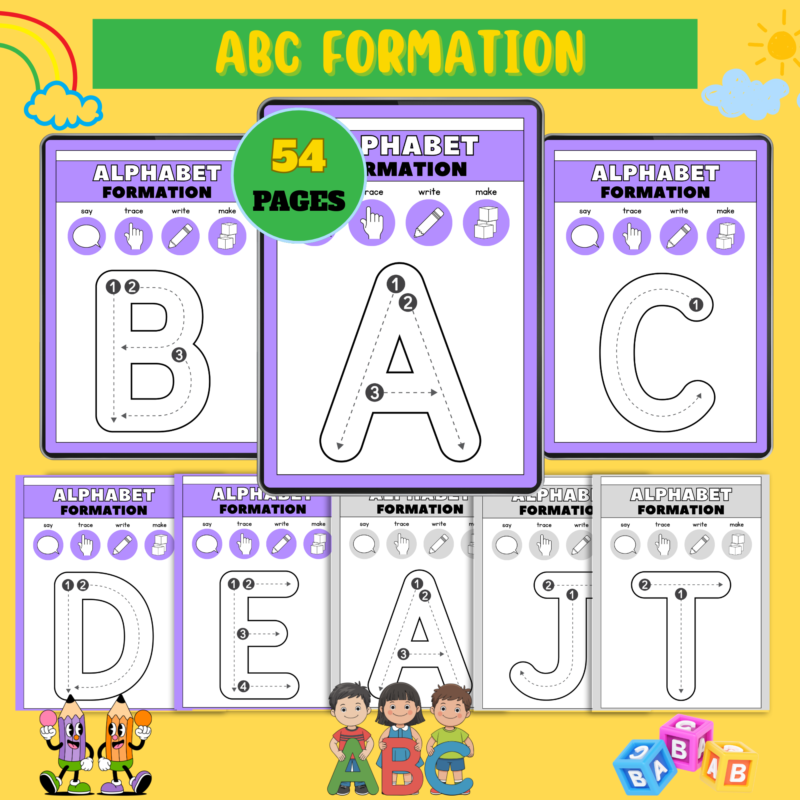
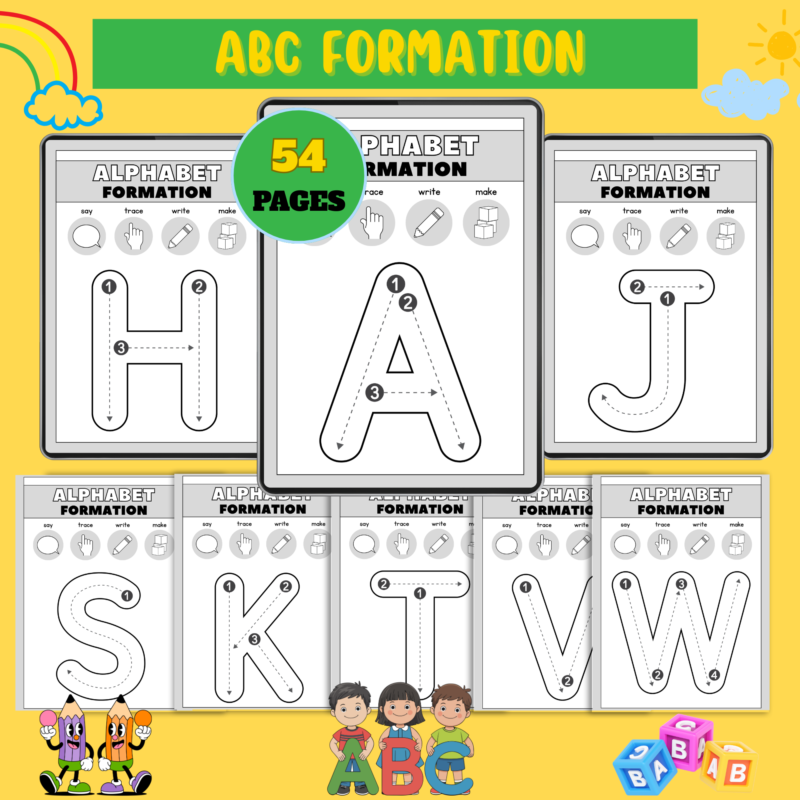
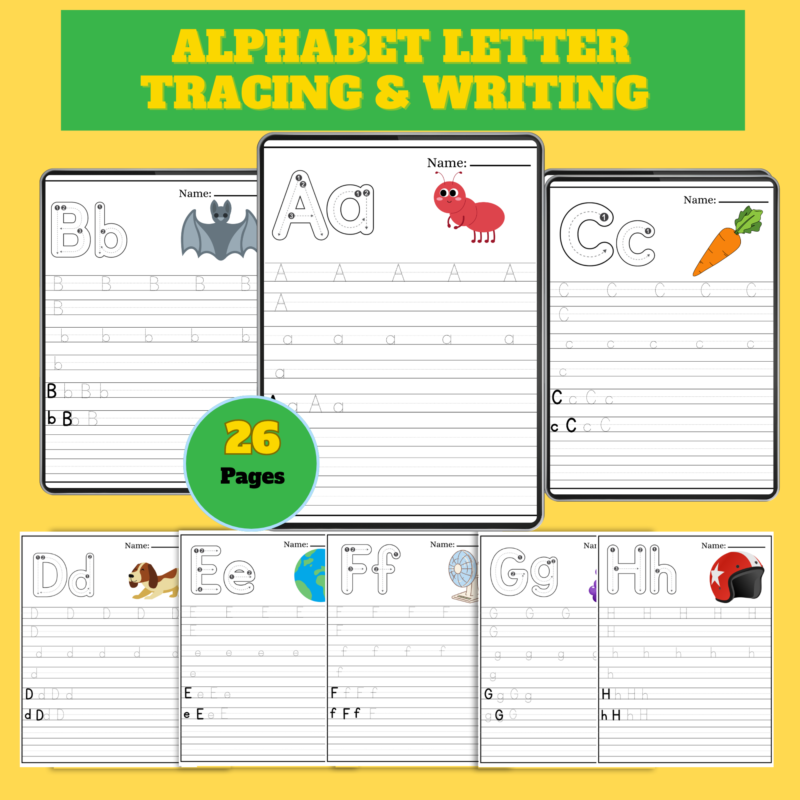
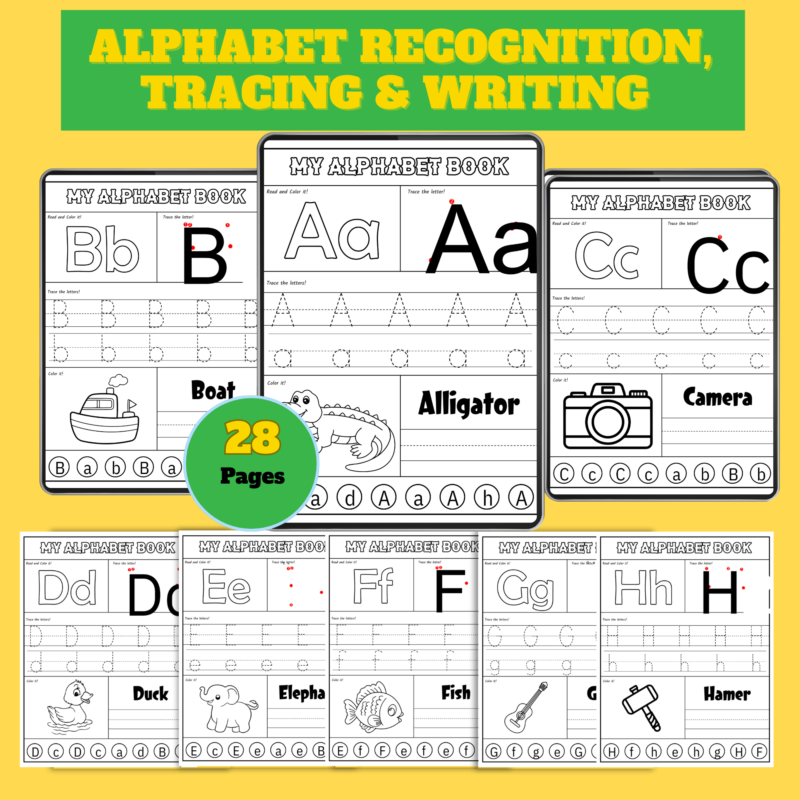
2. Alphabet Letter Tracing
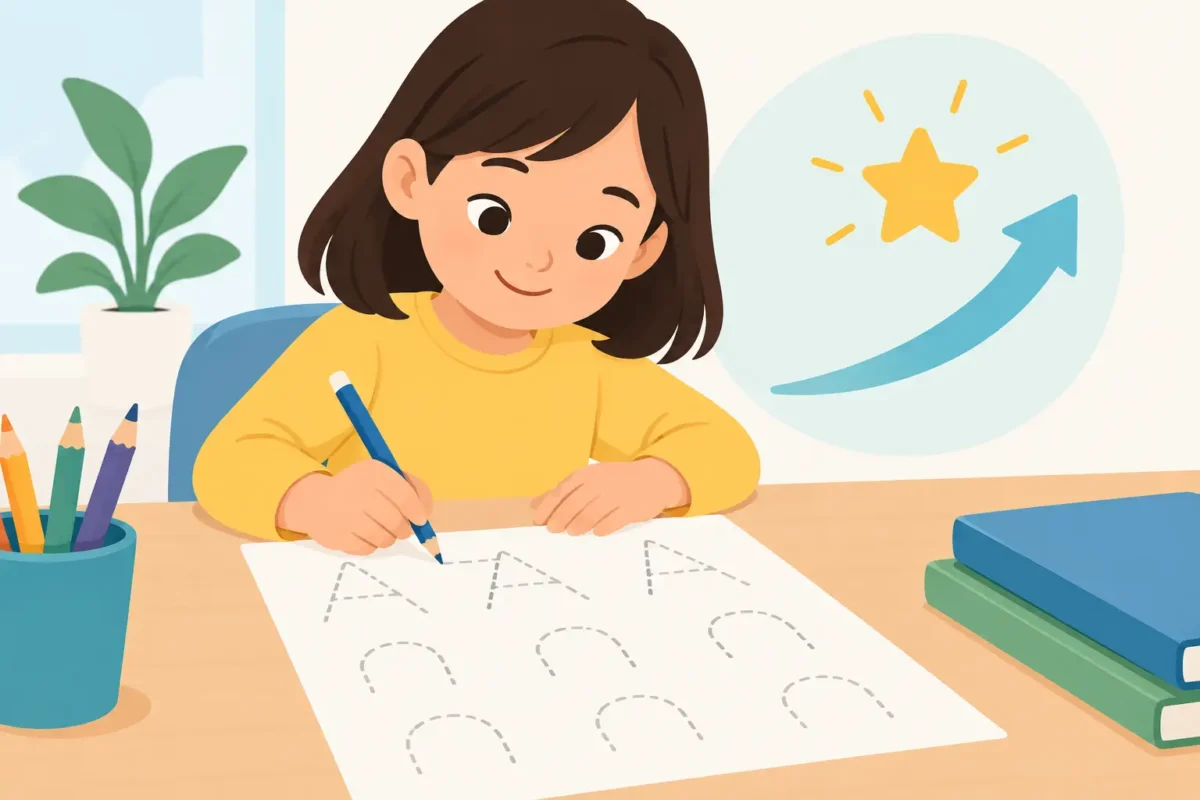
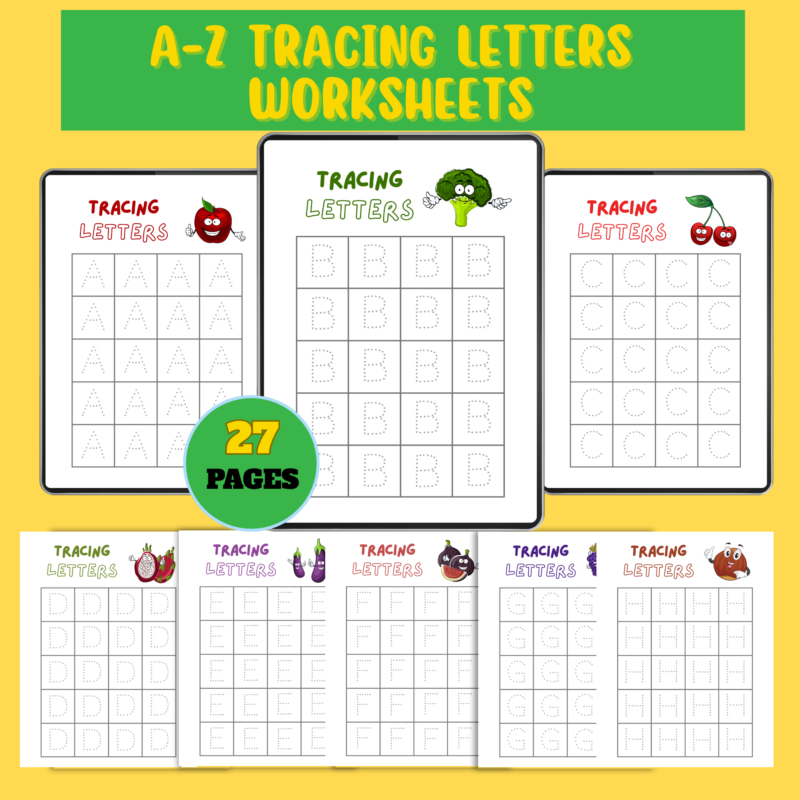
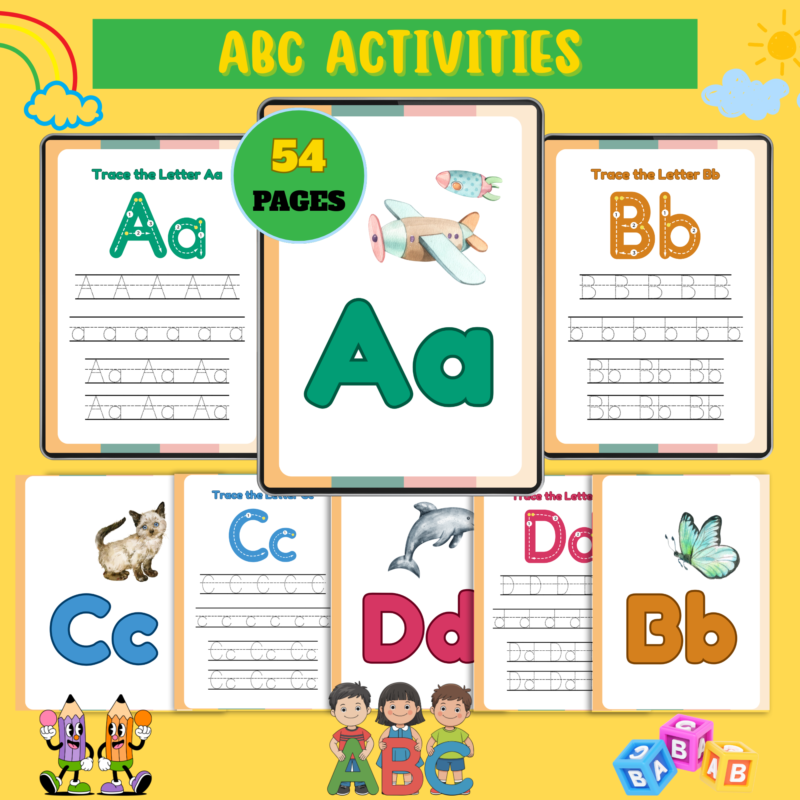
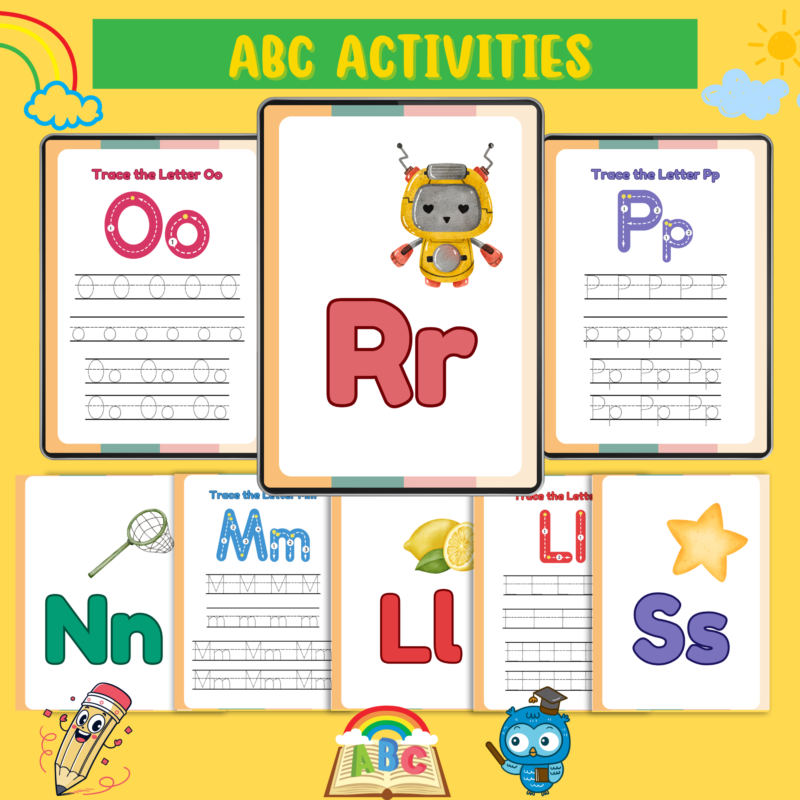
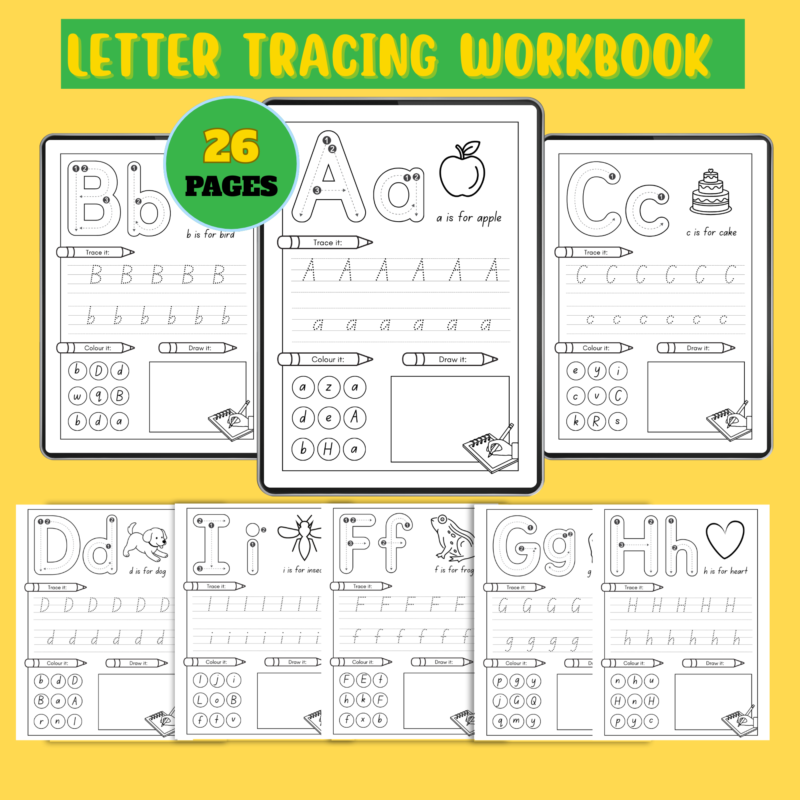
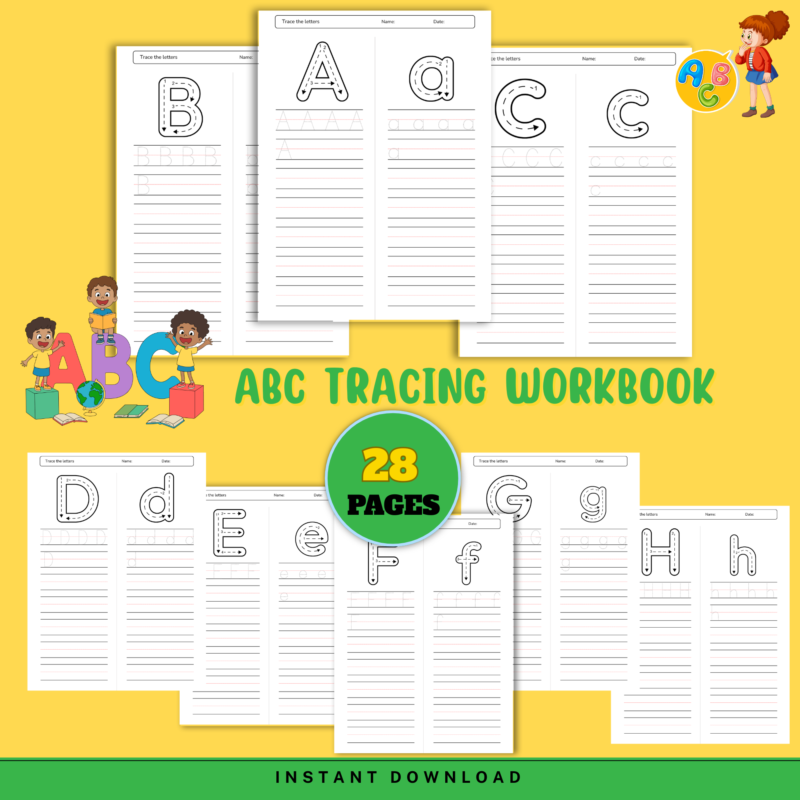
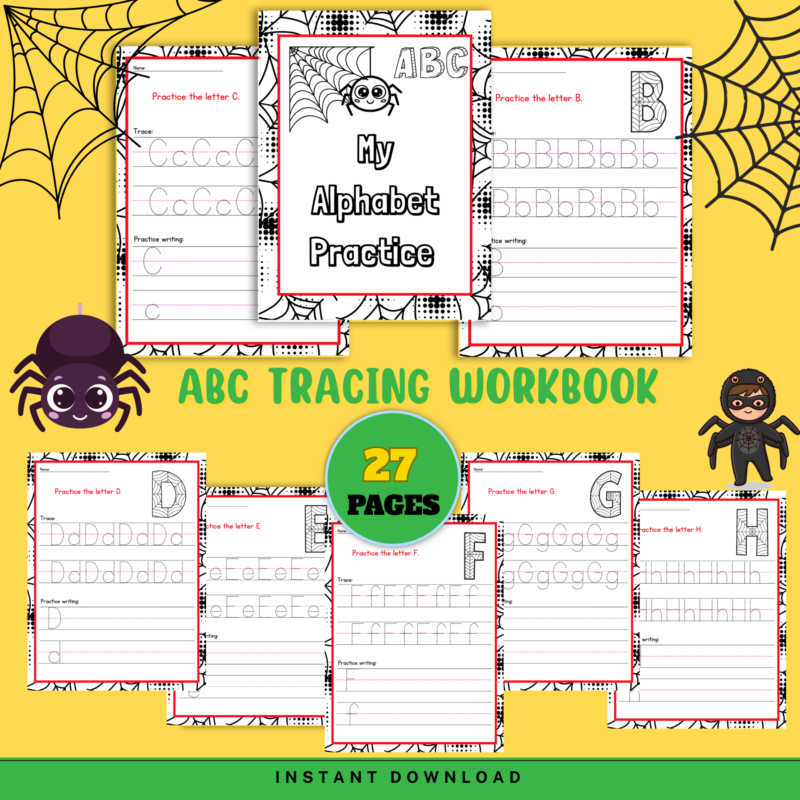
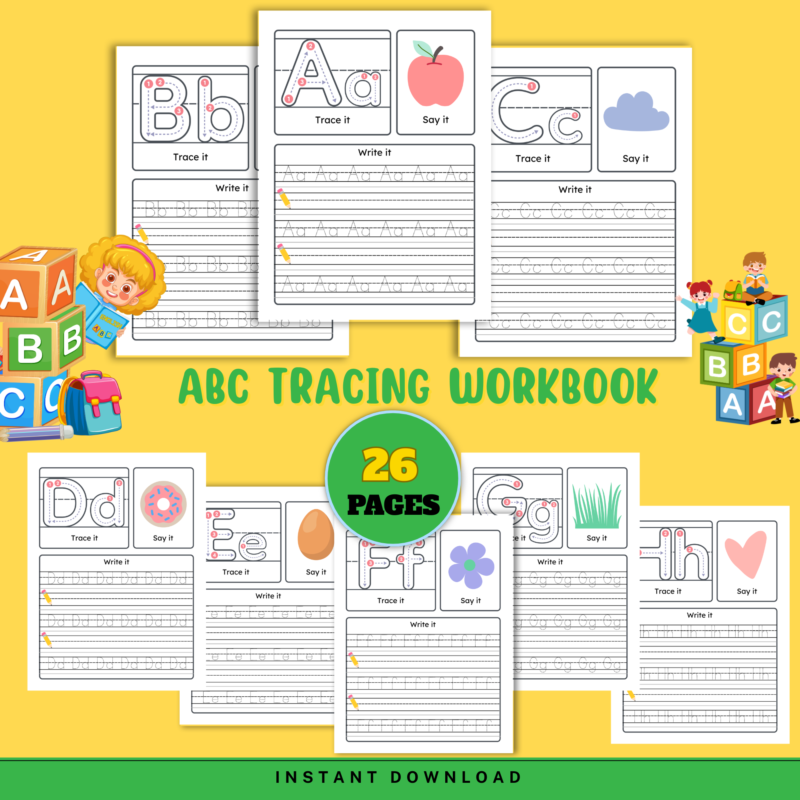
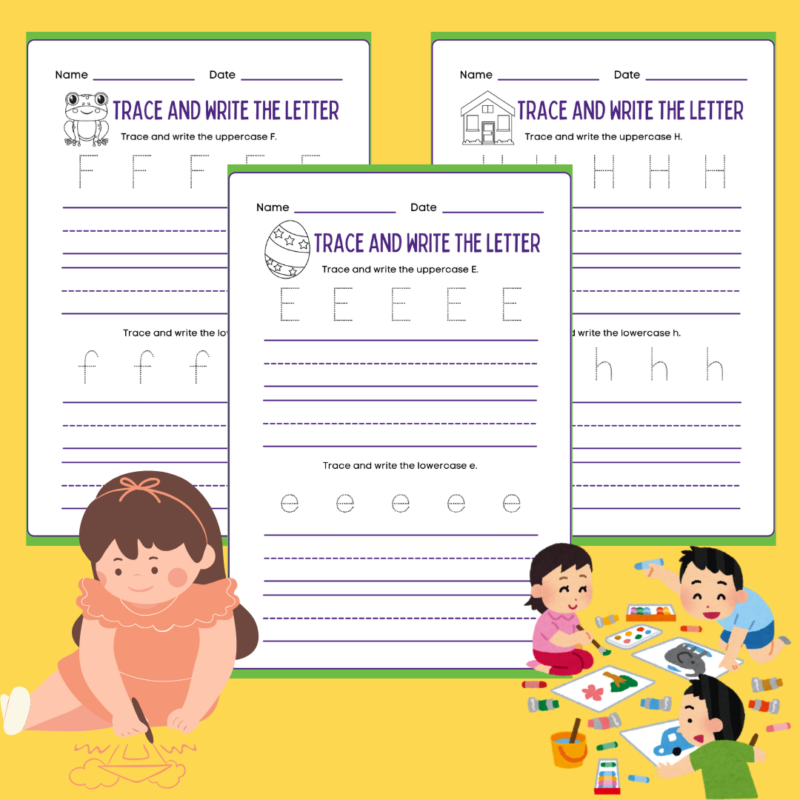
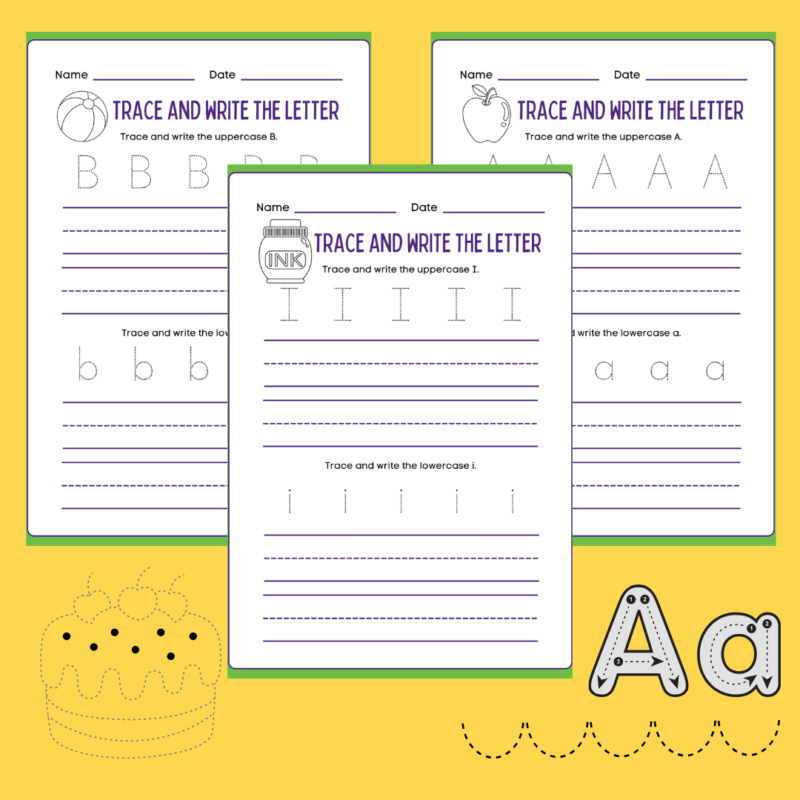
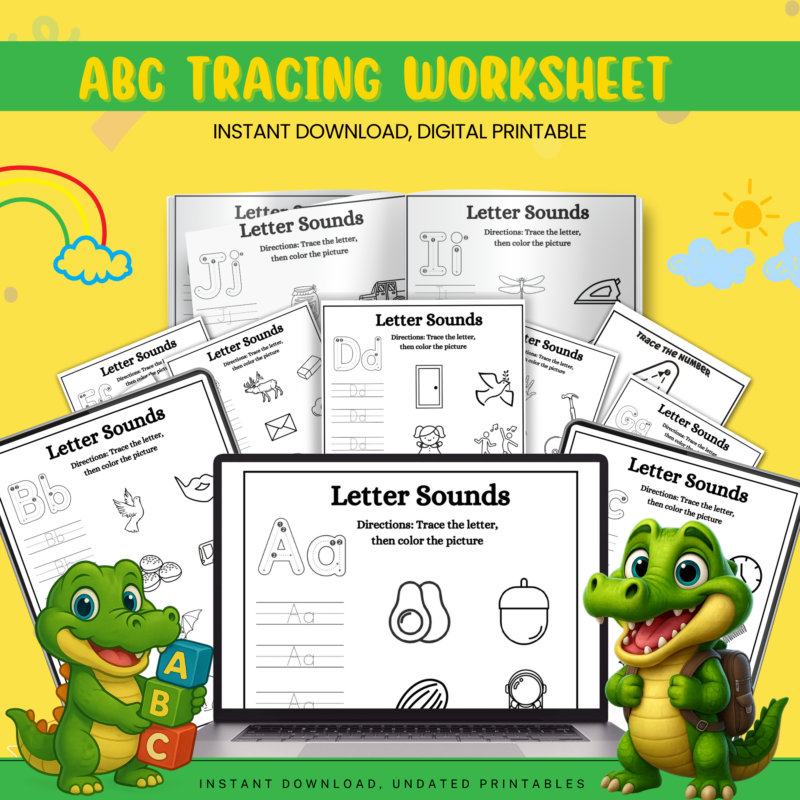
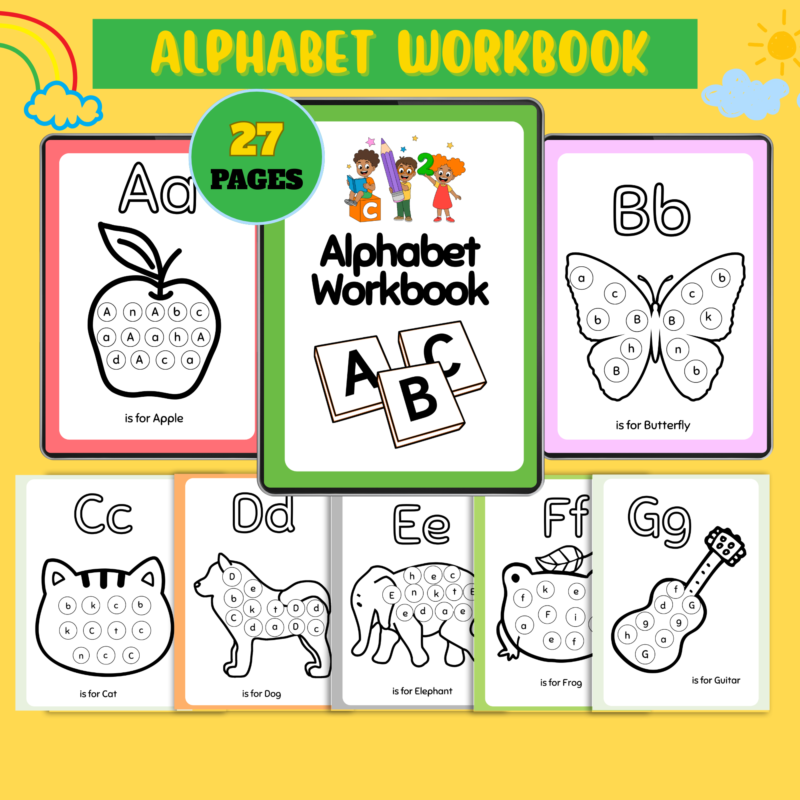
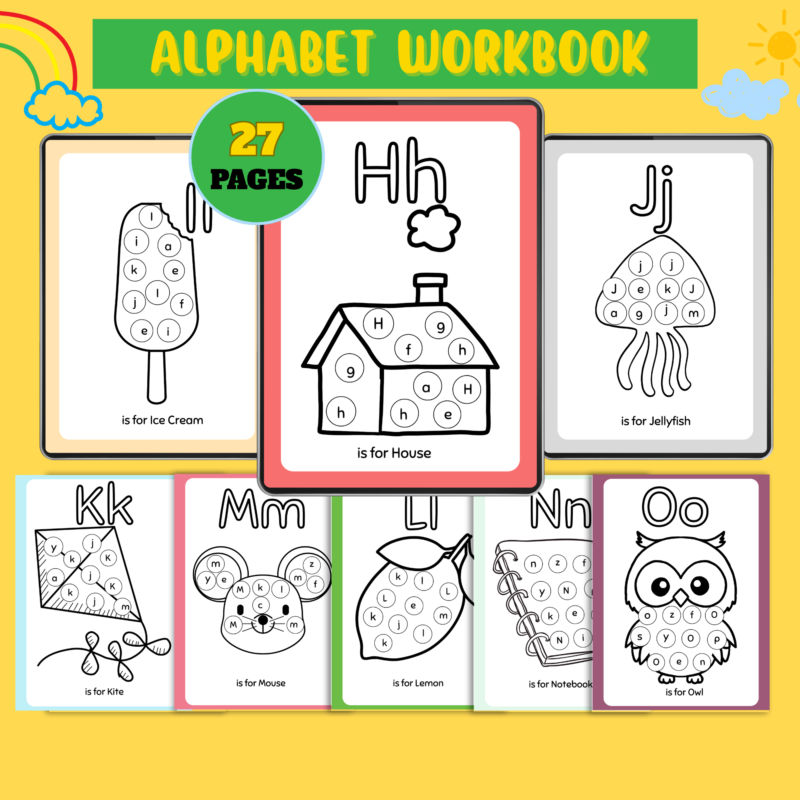
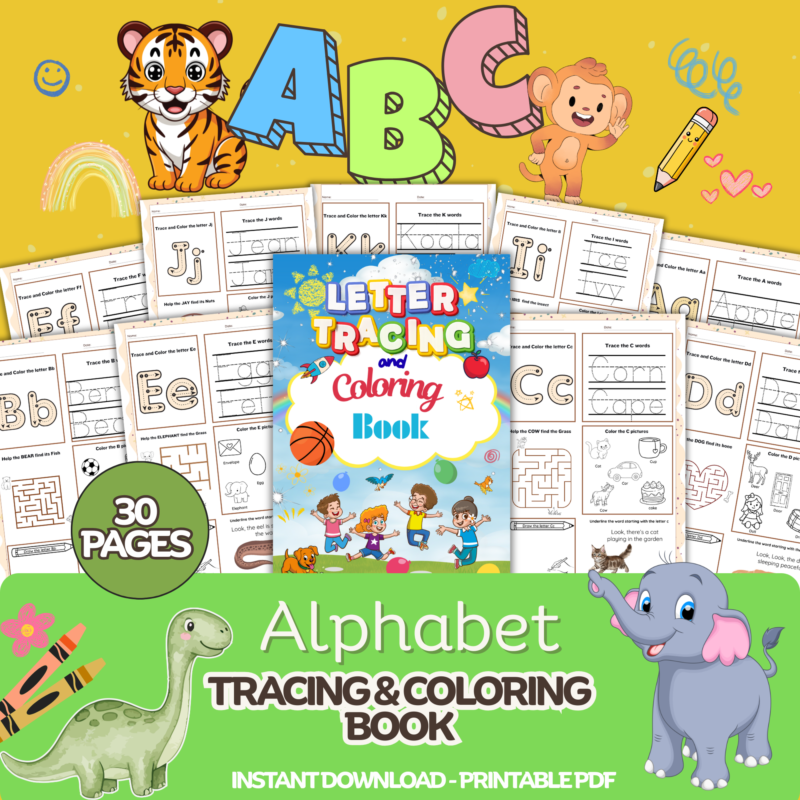
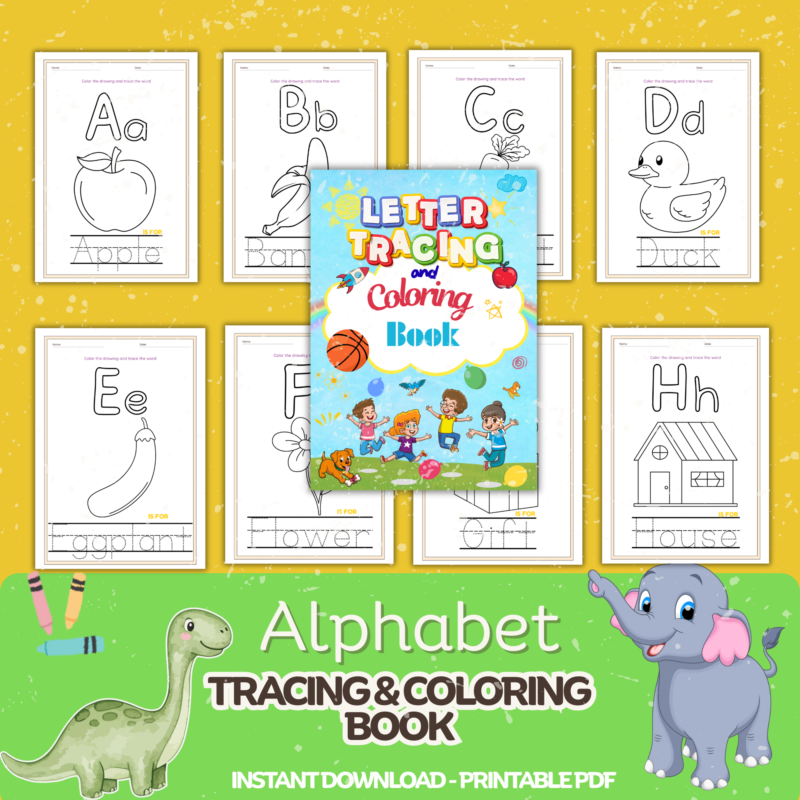
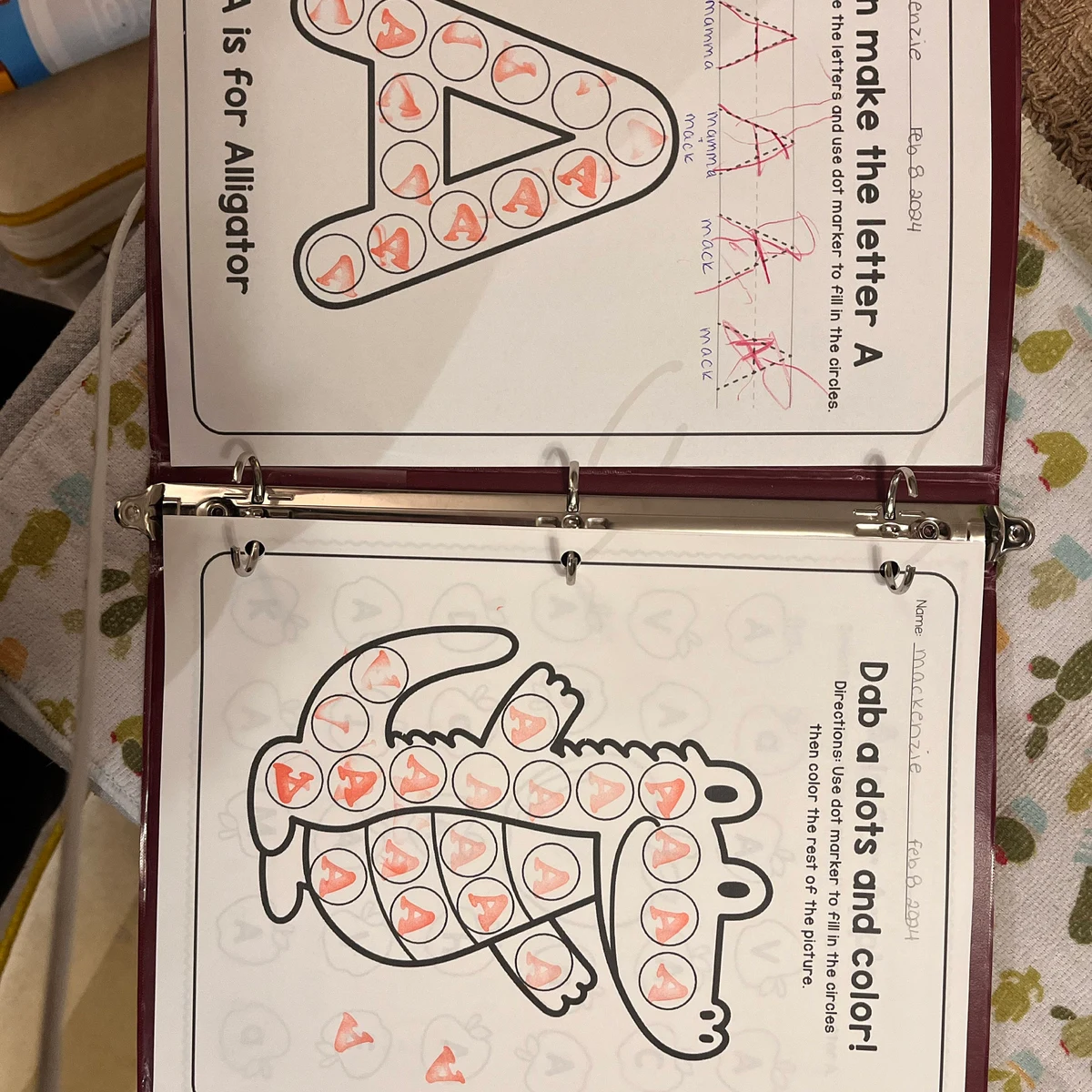
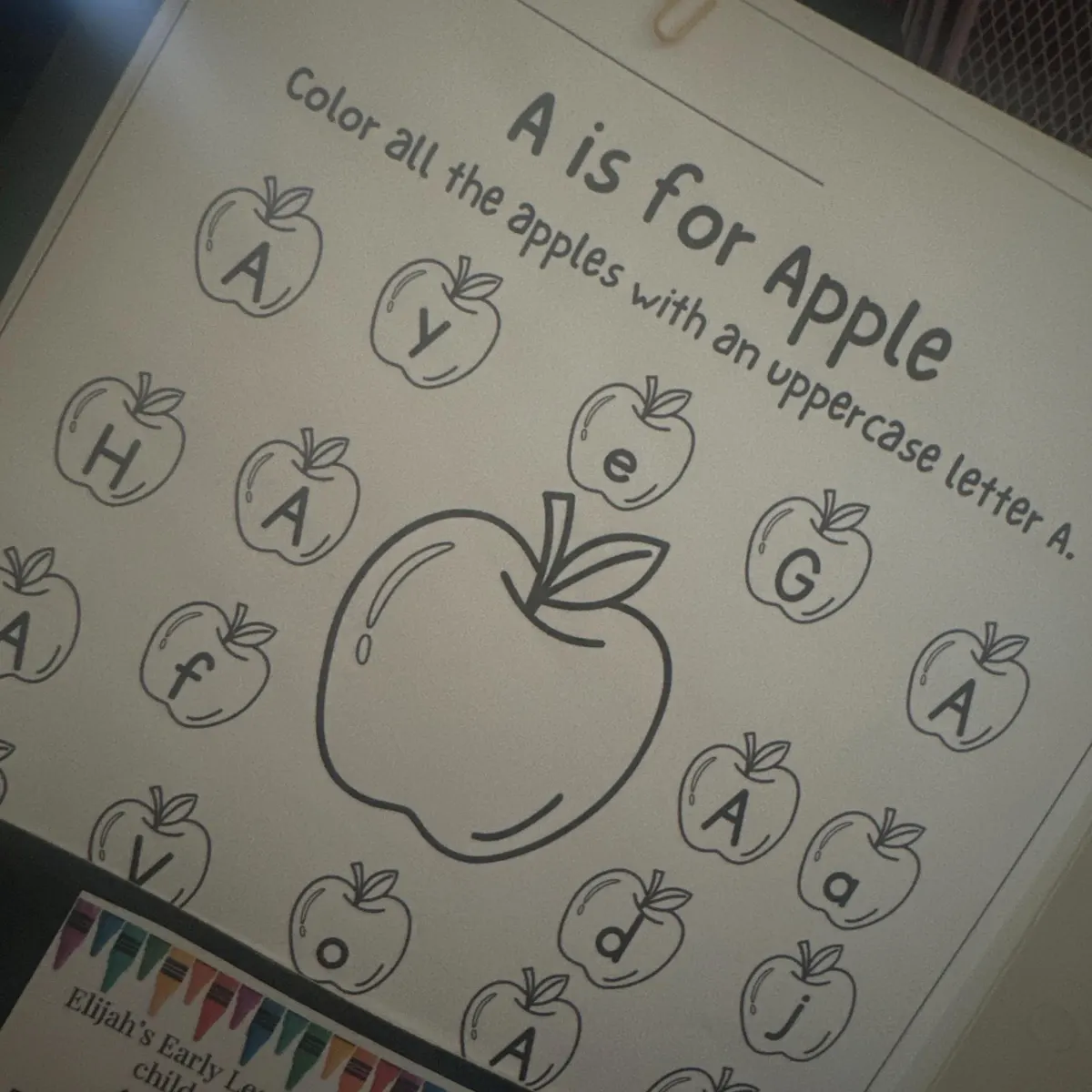
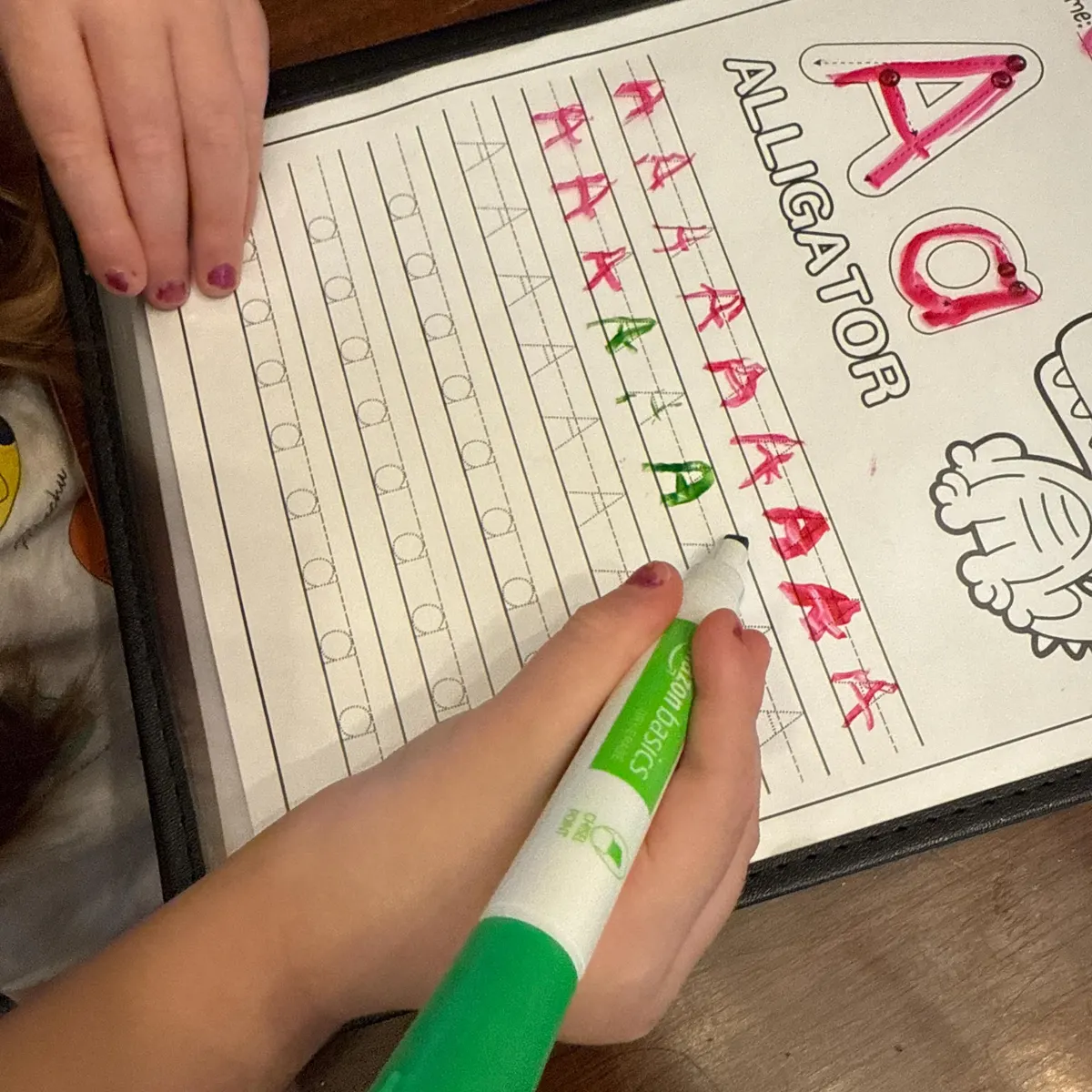
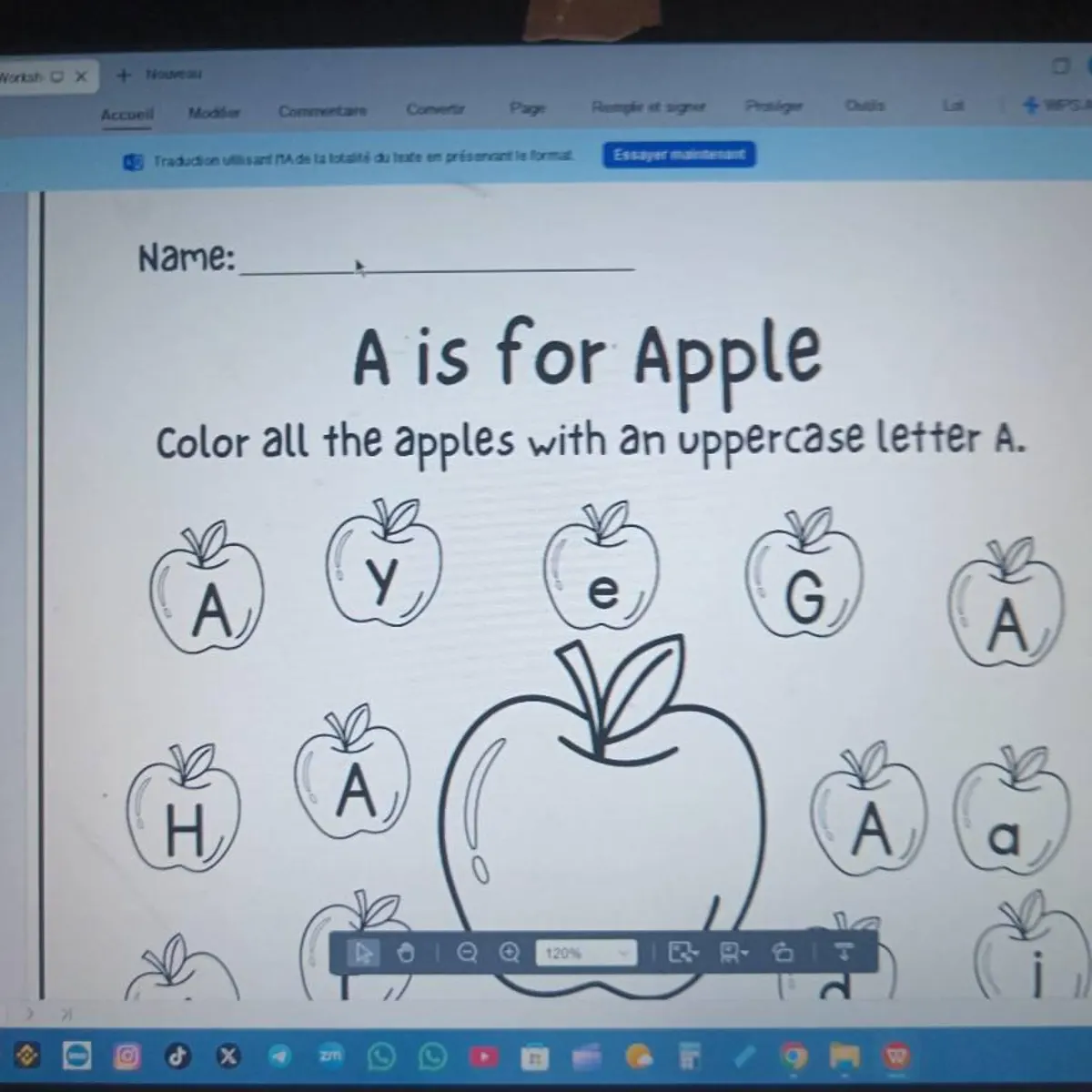
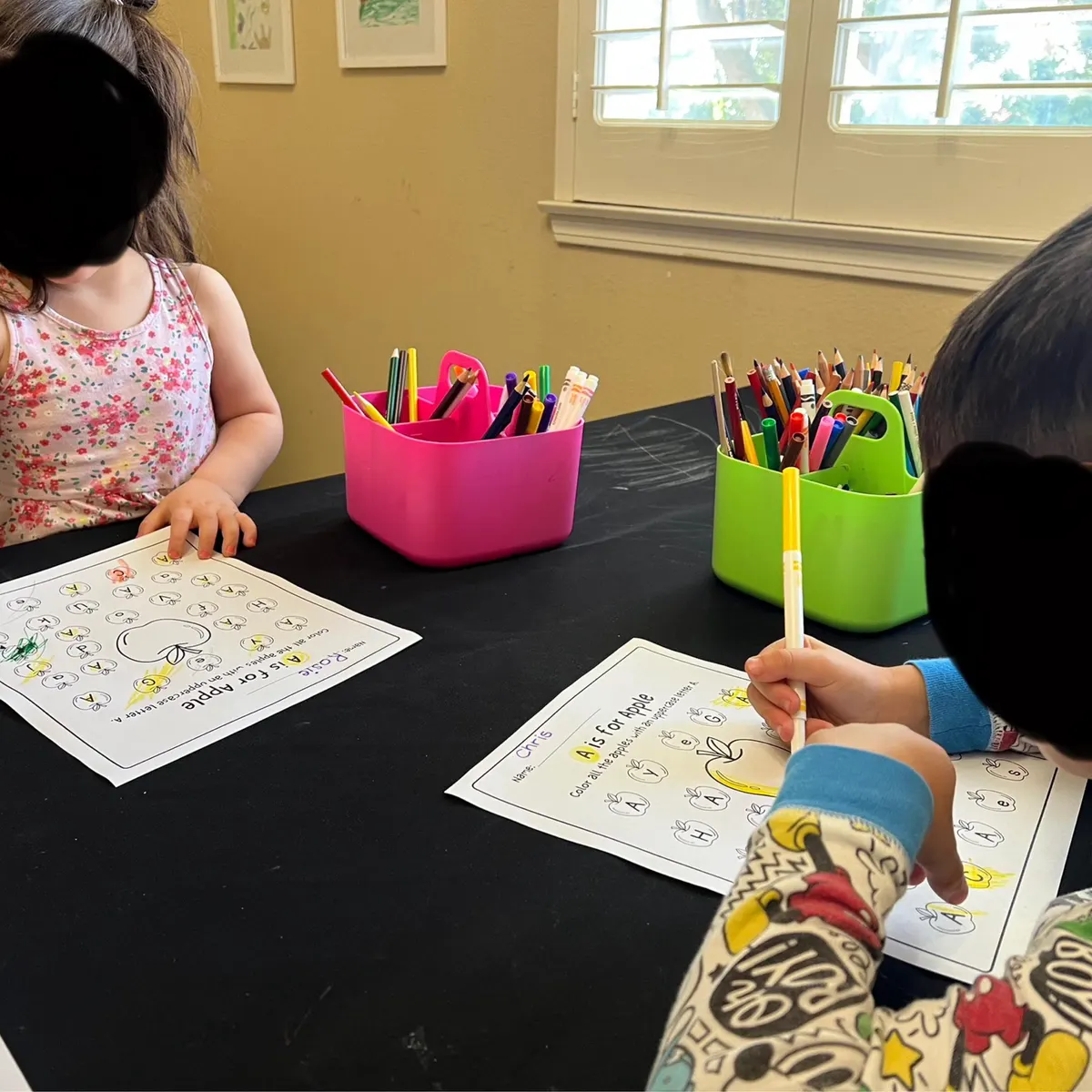
Letter tracing pages are a dependable choice for a preschool morning routine because they are focused and easy to repeat. Children can trace uppercase letters, lowercase letters, or both, then color a matching picture such as an apple for A.
Avoid expecting children to finish a full alphabet page in one sitting. One or two letters is plenty for many preschoolers. A short practice session protects confidence and helps children form letters with care rather than rushing.
3. Beginning Sound Picture Match गतिविधies
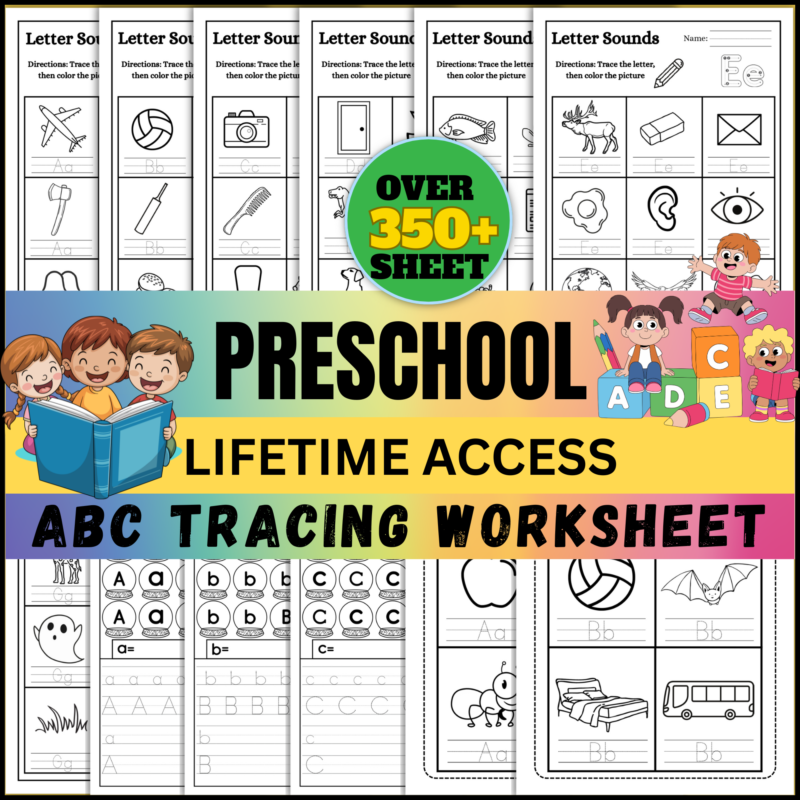
Picture-based phonics worksheets make early sound practice feel more like a game. A child might look at a sun, sock, and sandwich, then identify the picture that begins with S. This builds listening skills and helps children connect spoken sounds with printed letters.
Morning is a great time for this activity because it invites a quick adult conversation. Ask, What sound do you hear at the beginning of sun? Say the word slowly together, then let the child point, circle, or color the answer.
4. Number Recognition Worksheets
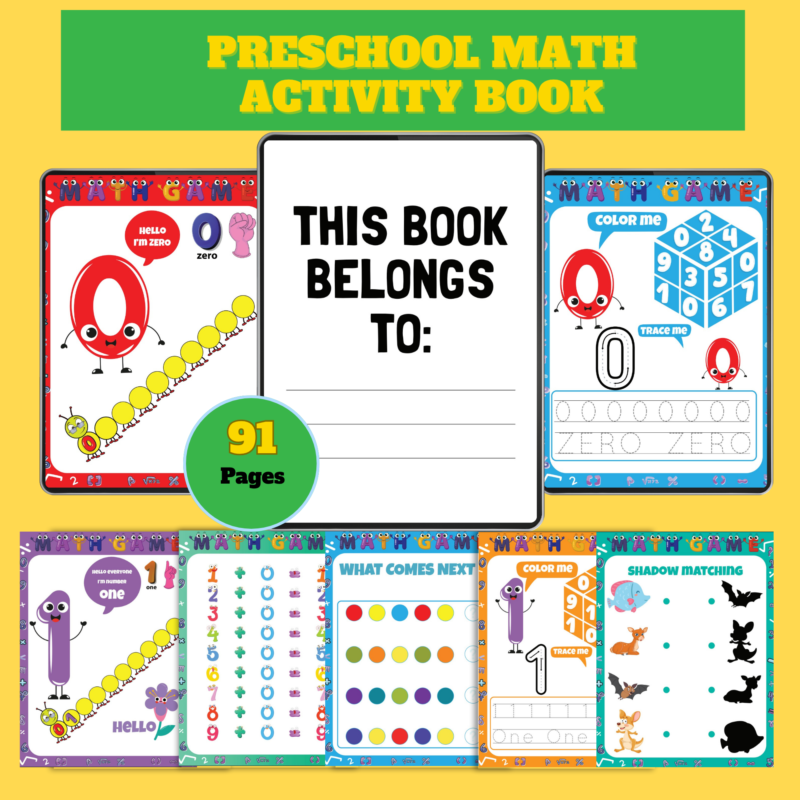
Number recognition pages help children notice, name, and find numerals from 0 to 10. A simple task might ask a child to color every 4, trace the number 6, or match a numeral to a group of objects.
Keep the number range appropriate for the child. Some preschoolers are ready to work confidently with 1 through 10, while others benefit from repeated practice with 1 through 5. It depends on their experience, not just their age.
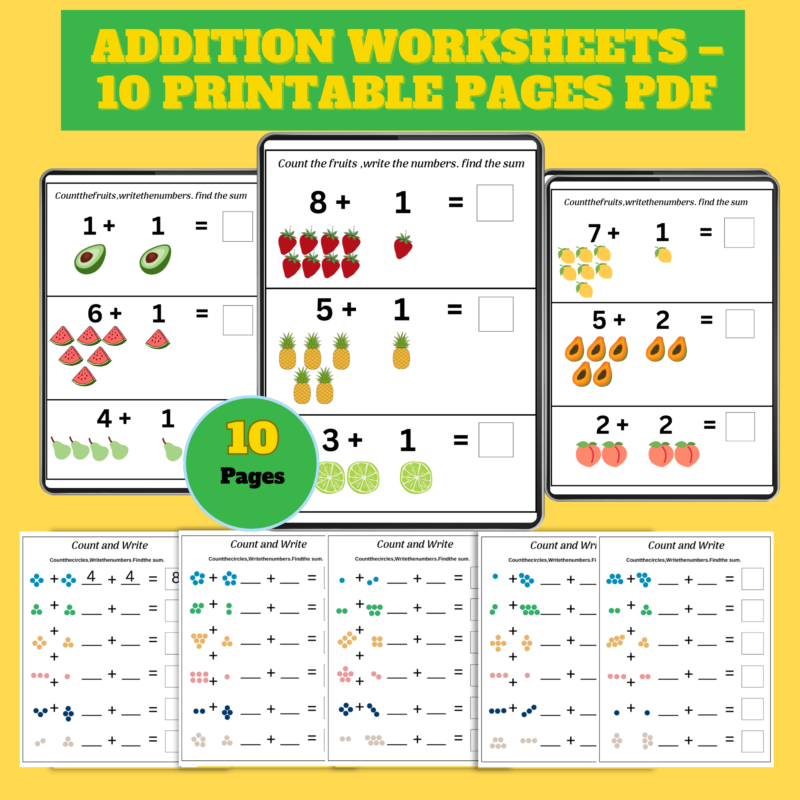
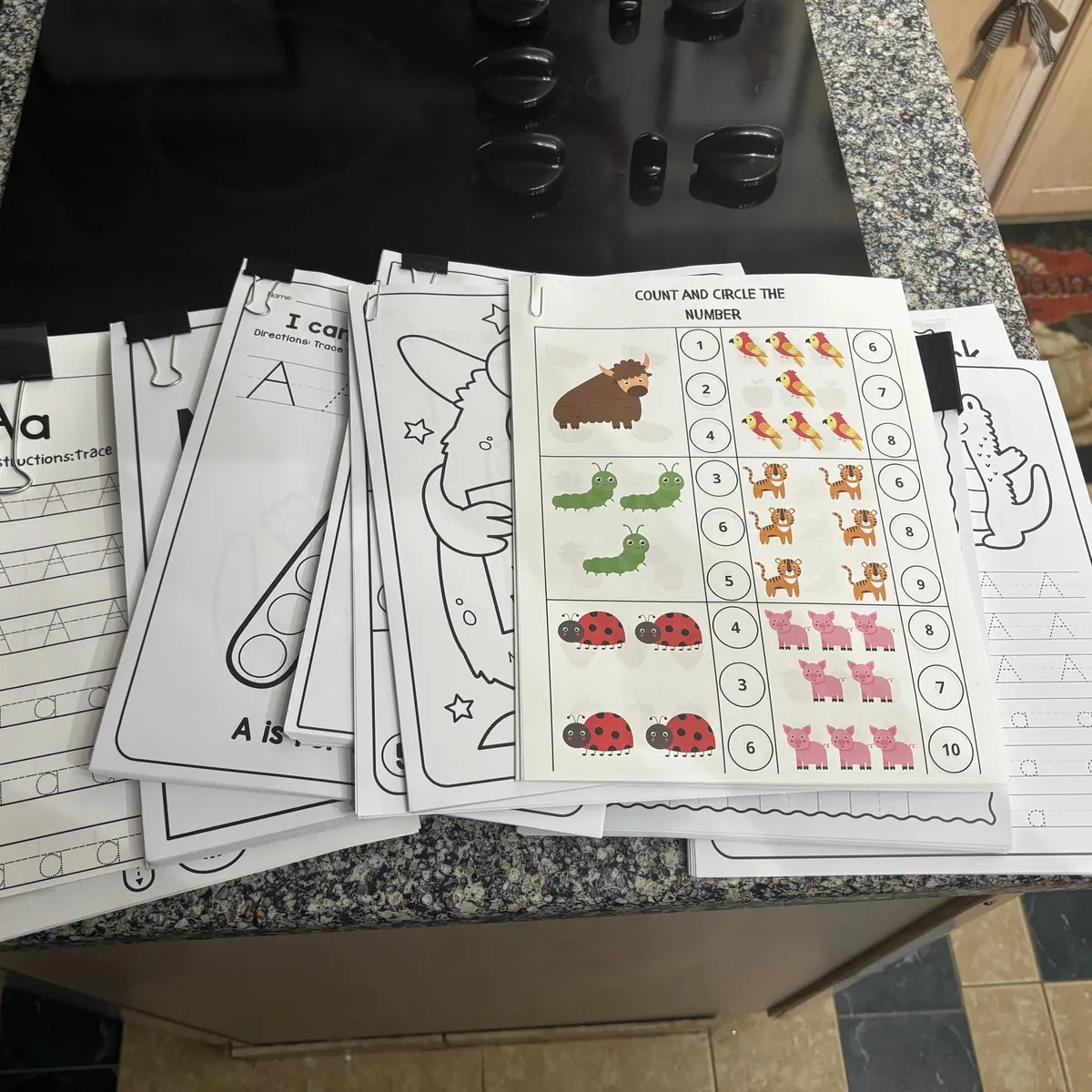
5. Counting and One-to-One Correspondence
Counting worksheets are most useful when children touch, point to, or mark each object as they count. This one-to-one correspondence is the foundation for understanding that the last number said tells how many objects are in a group.
Choose pages with clear, uncluttered pictures. A child can count five apples, dot each one with a crayon, and circle the numeral 5. These small actions make the task active while strengthening early number sense.
6. Simple Shape and Color Practice
Shape and color worksheets are a gentle option for younger preschoolers or children who need an easier morning. They can identify circles, squares, triangles, and rectangles, then color specific shapes according to a simple direction.
These pages also support following directions, visual discrimination, and vocabulary. For children who are not yet ready to write letters or numbers, shape and color work still provides meaningful table-time practice.
7. Fine Motor Lines and Paths
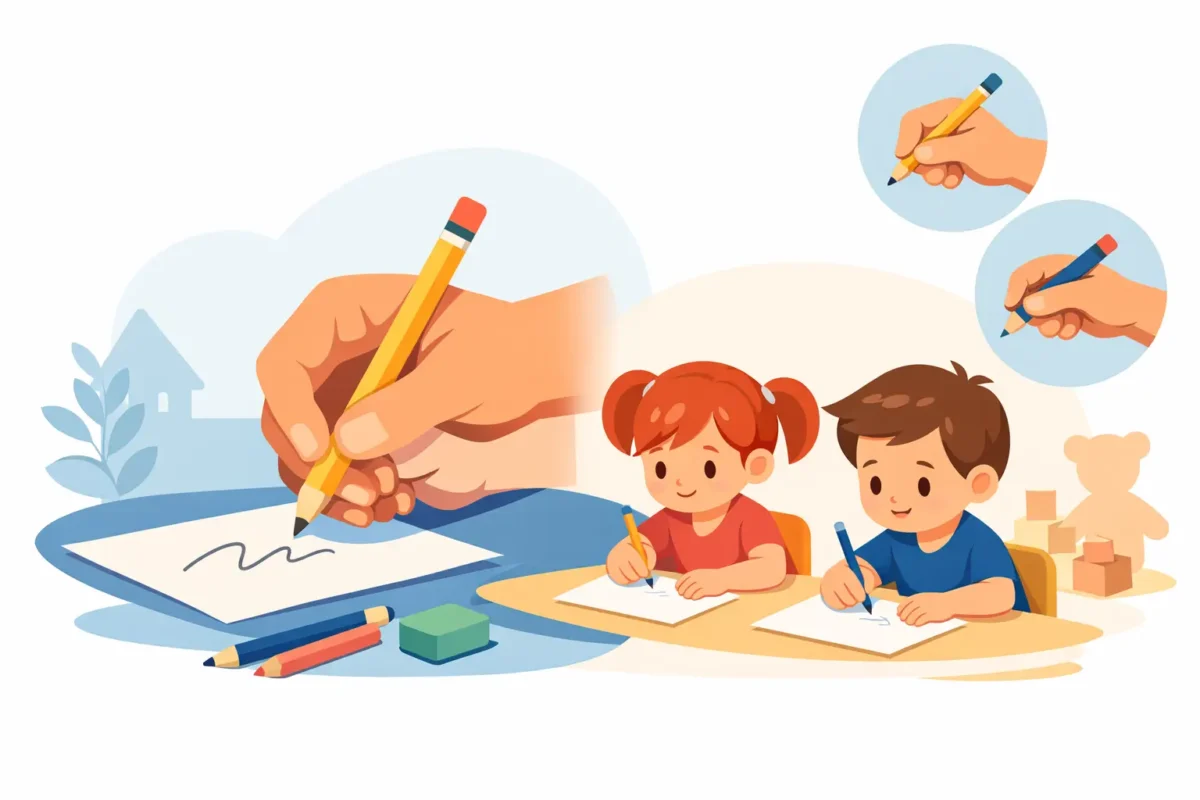
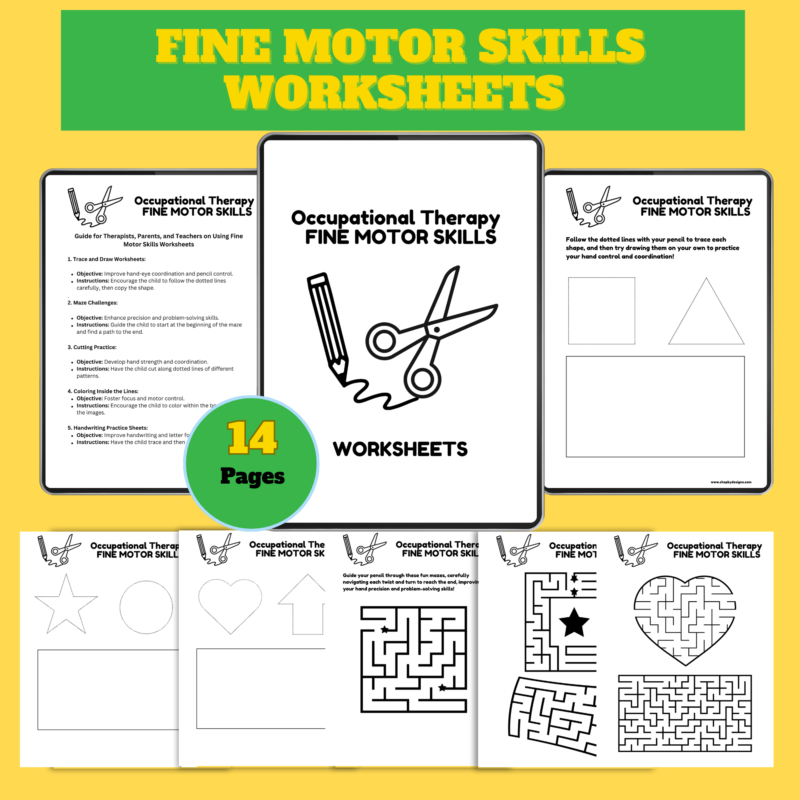
Before preschoolers can comfortably write letters, they need practice guiding a pencil with control. Line-tracing worksheets with straight lines, curves, zigzags, loops, and simple paths strengthen the small hand muscles needed for handwriting.
A path worksheet can feel especially playful when it asks a child to help an animal reach its home or guide a vehicle to its destination. The learning goal is still clear: hold the pencil, follow a direction, and stop with growing control.
8. Cut-and-Paste Sorting Pages
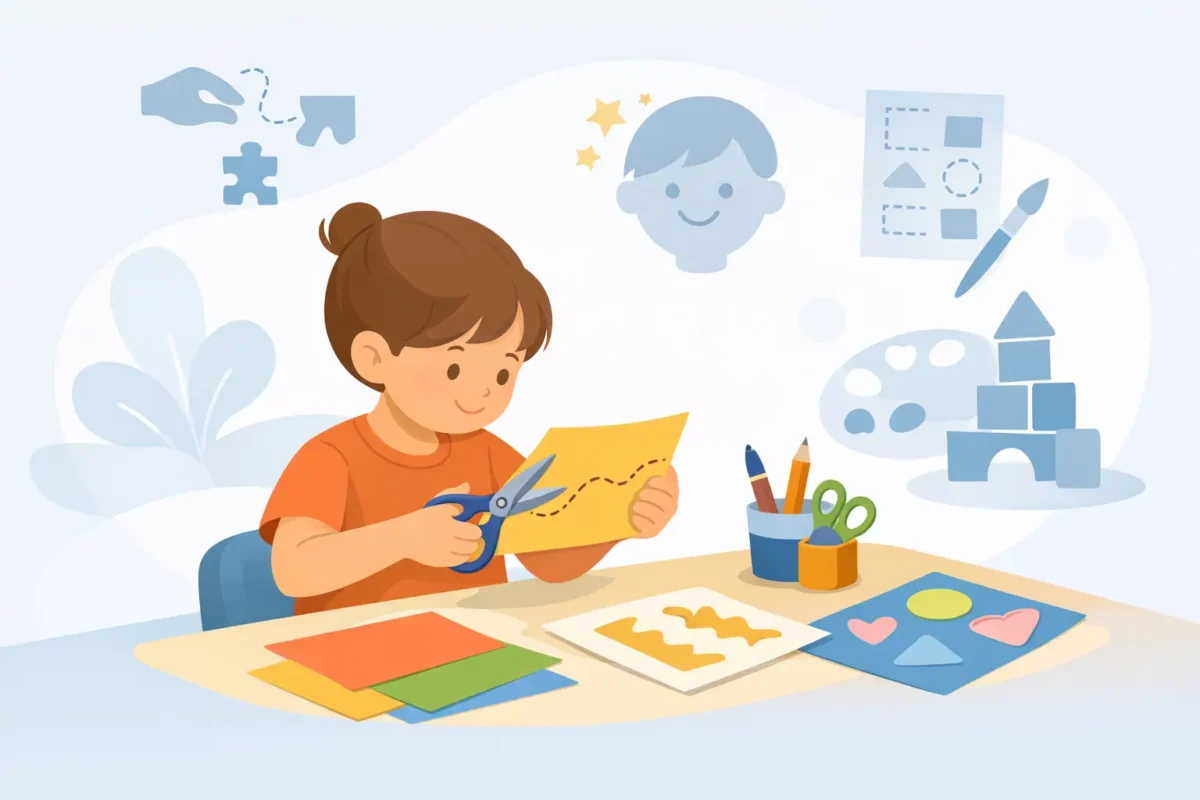
Cutting and gluing create a satisfying hands-on morning task. Children can sort pictures by color, size, beginning sound, shape, or category, such as foods and animals. Along the way, they build scissor skills, hand strength, and early classification skills.
This option requires a little more supervision and supplies, so it may work best after a child has had a quieter independent page. In a classroom, prepare a small tray with child-safe scissors, glue, and crayons so the activity stays organized.
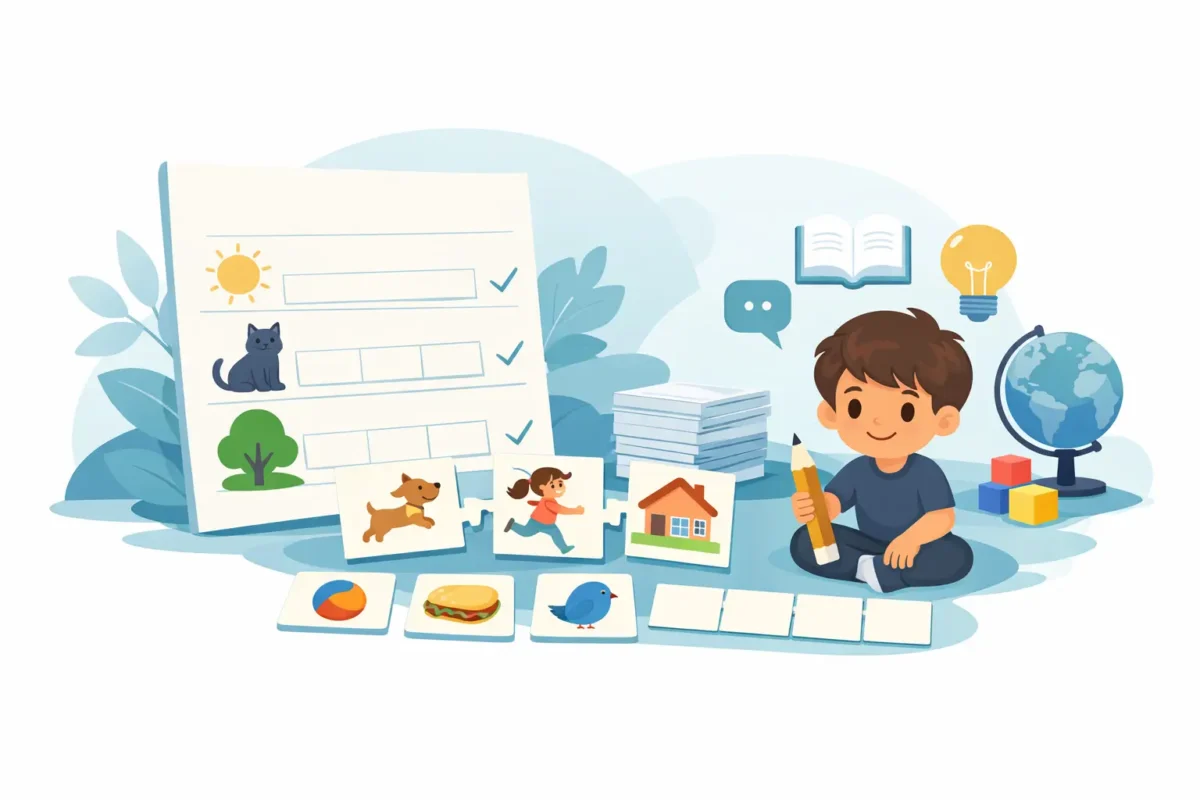
9. Picture Pattern Worksheets
Patterns teach children to notice order and predict what comes next. An AB pattern with red-blue-red-blue objects is a smart place to begin. Later, children can try AAB or ABC patterns using pictures, shapes, or colors.
Pattern pages work well in the morning because they offer a clear finish line. A child can complete a few missing pictures, feel successful, and move on without a long wait for adult help.
10. Seasonal Coloring and Learning Pages
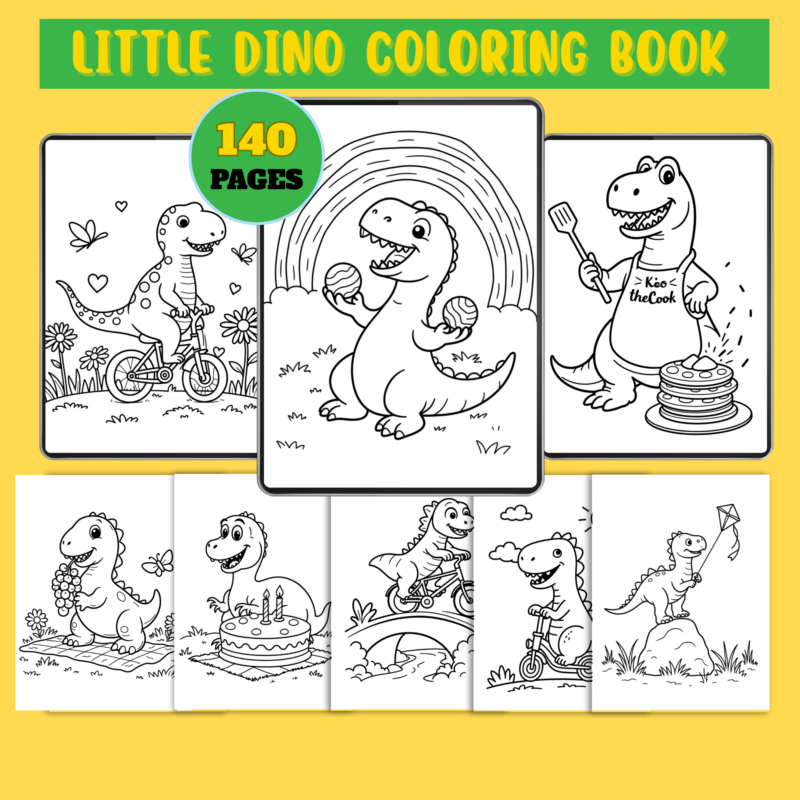
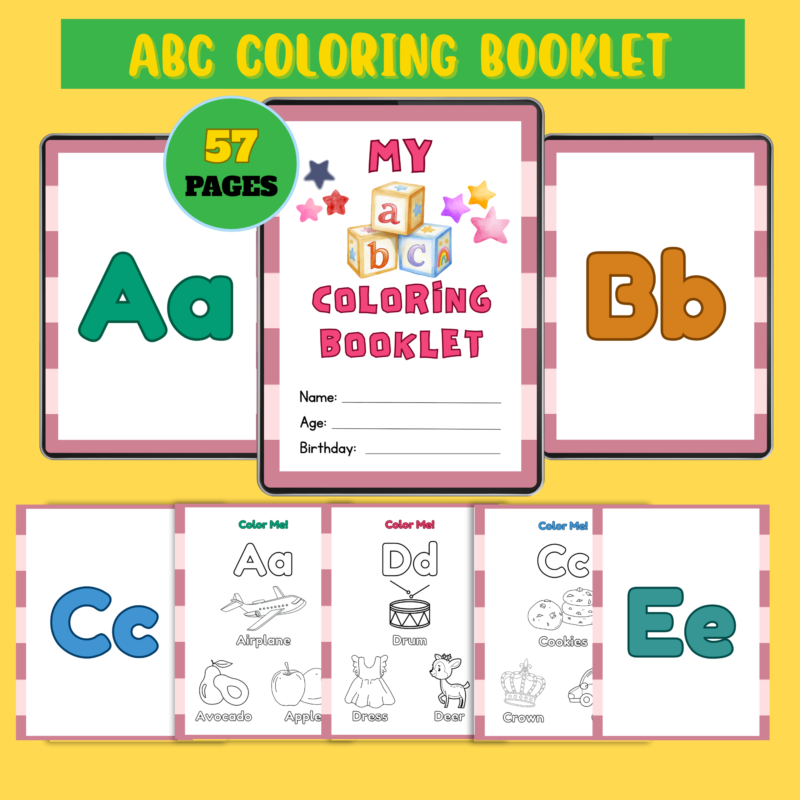
A seasonal page can make routine practice feel fresh. A fall leaf counting page, winter mitten letter match, spring flower tracing activity, or summer-themed color-by-number worksheet brings timely fun to familiar skills.
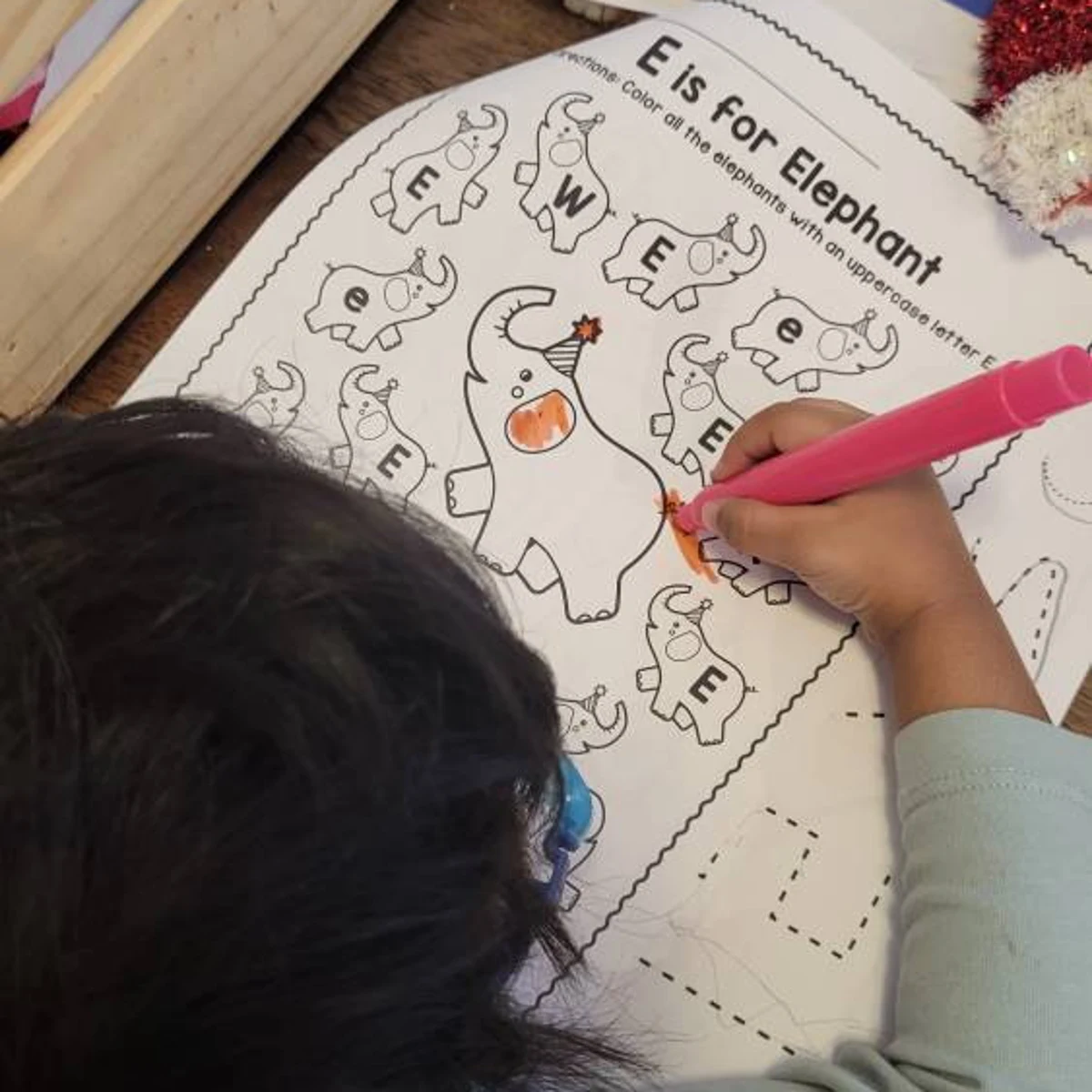
The key is to choose a page where coloring supports the learning goal rather than becoming a lengthy task. For example, children might color only the pictures that begin with a target sound or color the correct number of objects. That keeps the page purposeful and manageable.
How to Build a Morning Worksheet Routine
Consistency matters more than volume. Offer one page each morning, or set out two choices and let the child pick. A predictable spot, a few sharpened crayons or pencils, and a short time limit can make the routine feel calm instead of demanding.
For home learning, try placing the worksheet at the breakfast table after eating or in a small morning basket near the child’s favorite work area. For classrooms and daycares, use worksheets as arrival activities with names already written at the top. Homeschool families may use them as a gentle transition into read-aloud time, calendar work, or a hands-on lesson.
A practical weekly mix could include literacy on two days, math on two days, and fine motor or creative practice on the fifth day. This keeps skills varied without making mornings feel like a test.
When choosing printable resources, favor pages you can use again in different ways. A child can trace with pencil one day, use a dry-erase marker in a reusable sleeve another day, or complete the page with stickers, dot markers, or crayons. Fun Clever Fox printable PDFs make it easy to prepare skill-focused practice when you need it, whether you are planning a week ahead or printing a quick activity before the morning begins.
Keep Morning Work Positive
The best worksheet is one a child can complete with pride. Sit nearby when needed, offer a brief prompt, and notice effort before accuracy. Try saying, You kept working on that curvy line, or You found every number 3. Specific encouragement helps children see themselves as capable learners.
If a worksheet leads to tears, set it aside and choose an easier version tomorrow. Preschool learning is not a race. A calm five-minute page that ends with a smile will do more for early confidence than a difficult page completed with pressure.
A small stack of well-chosen printables can give every morning a gentle starting point: a pencil, a playful page, and one more chance for a young learner to say, I can do this.











One thought on “10 Best Preschool Morning Worksheets to Try”