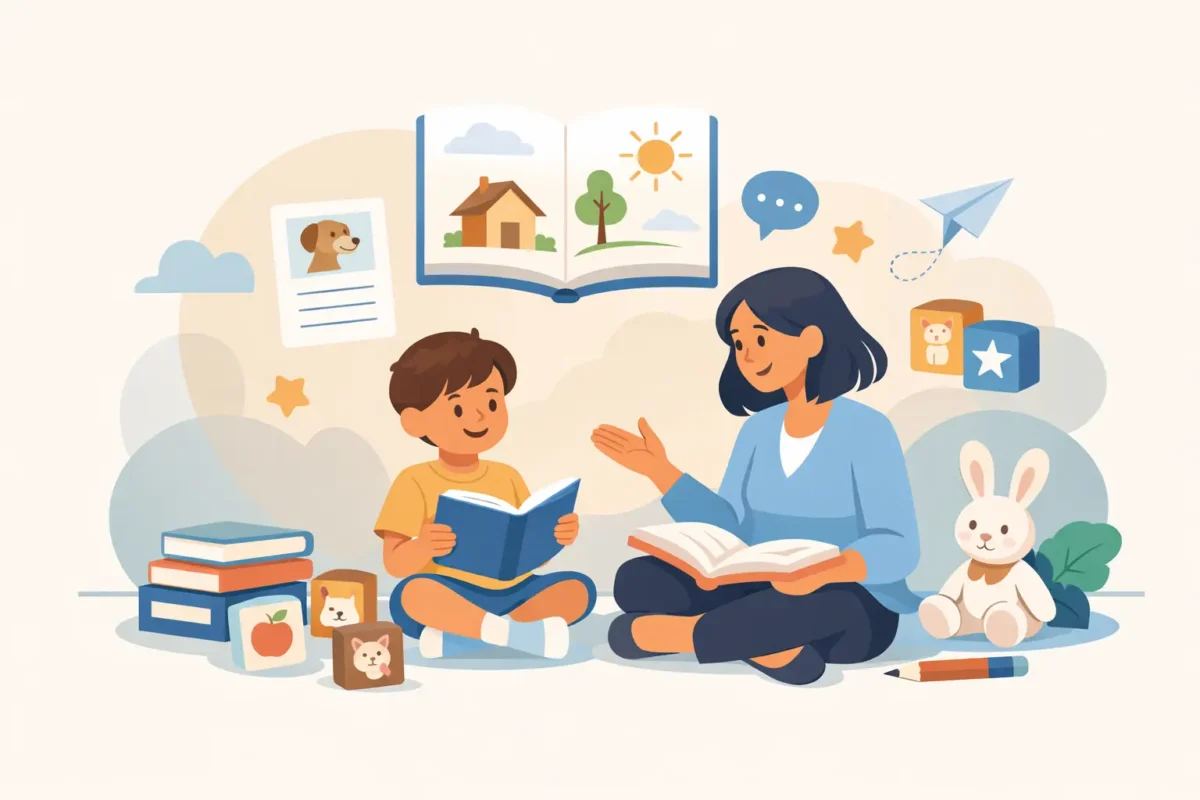
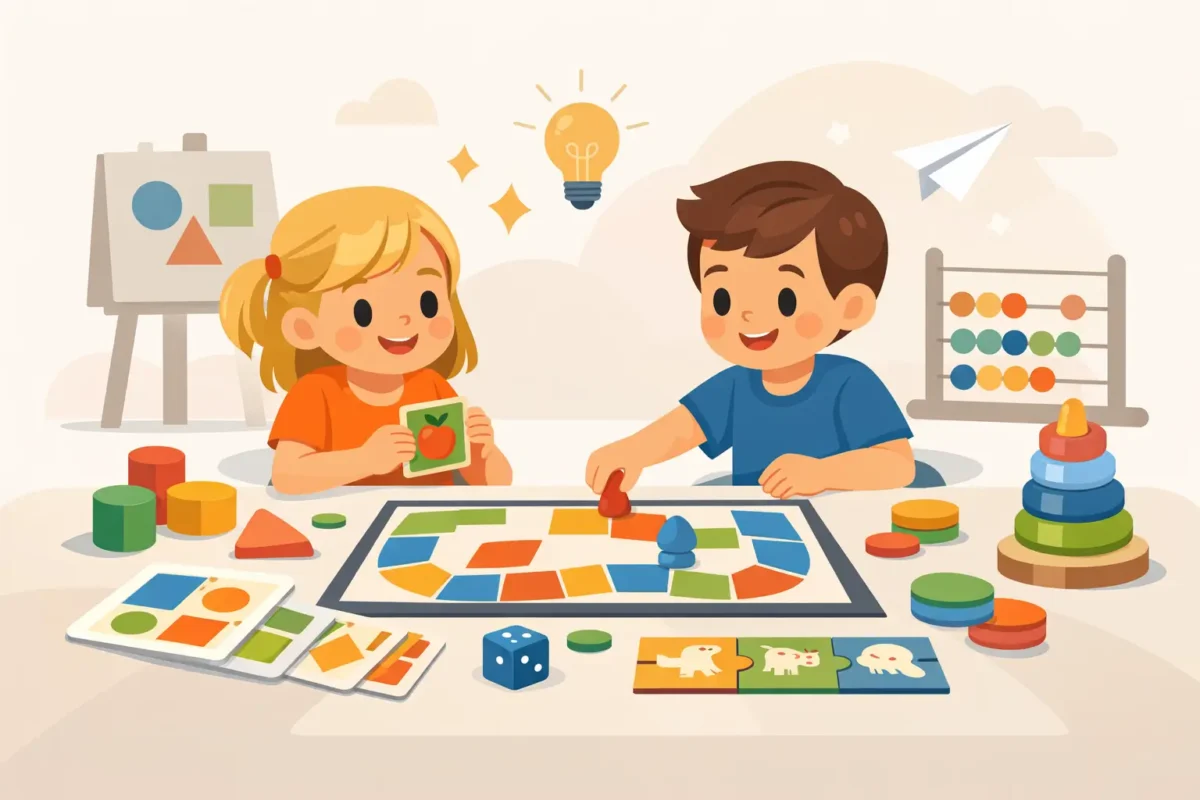
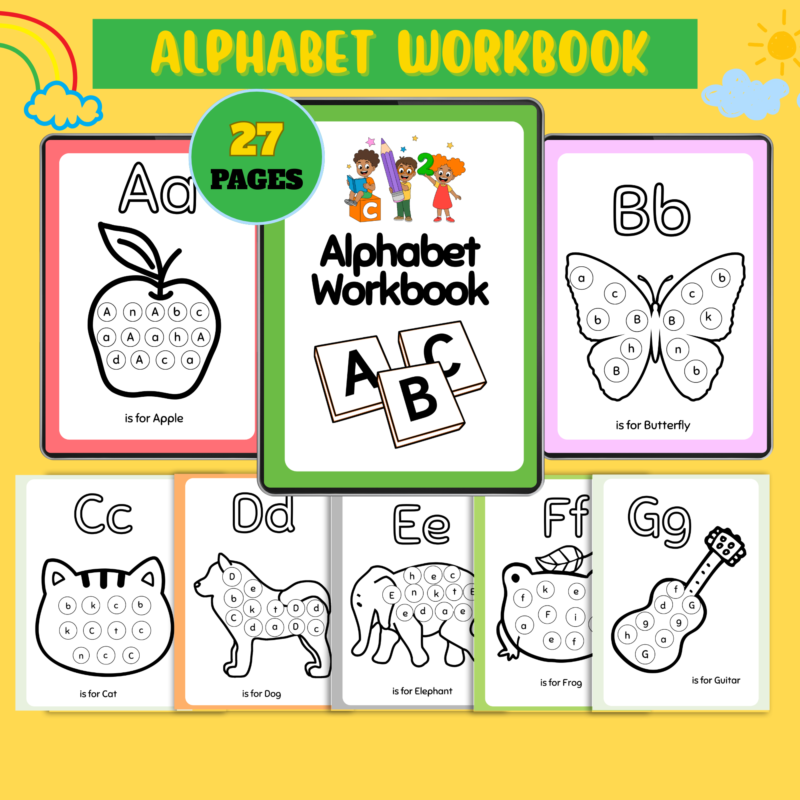
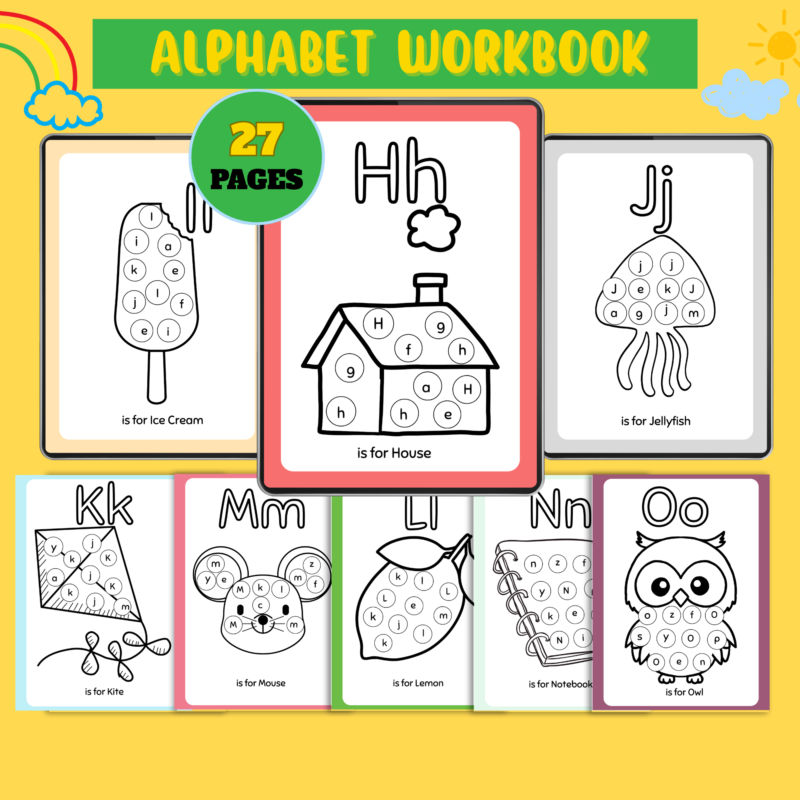
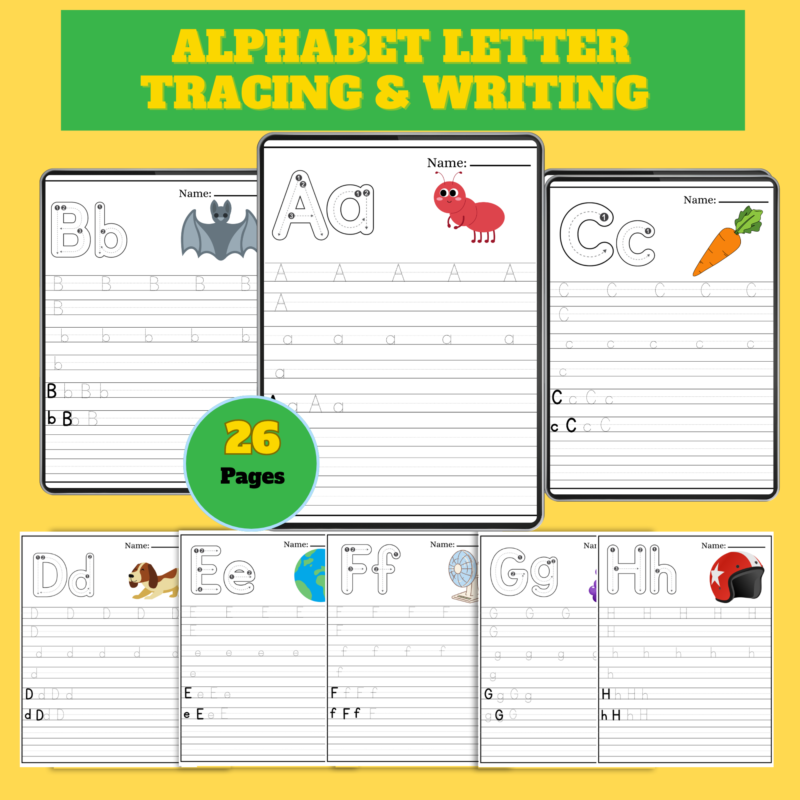
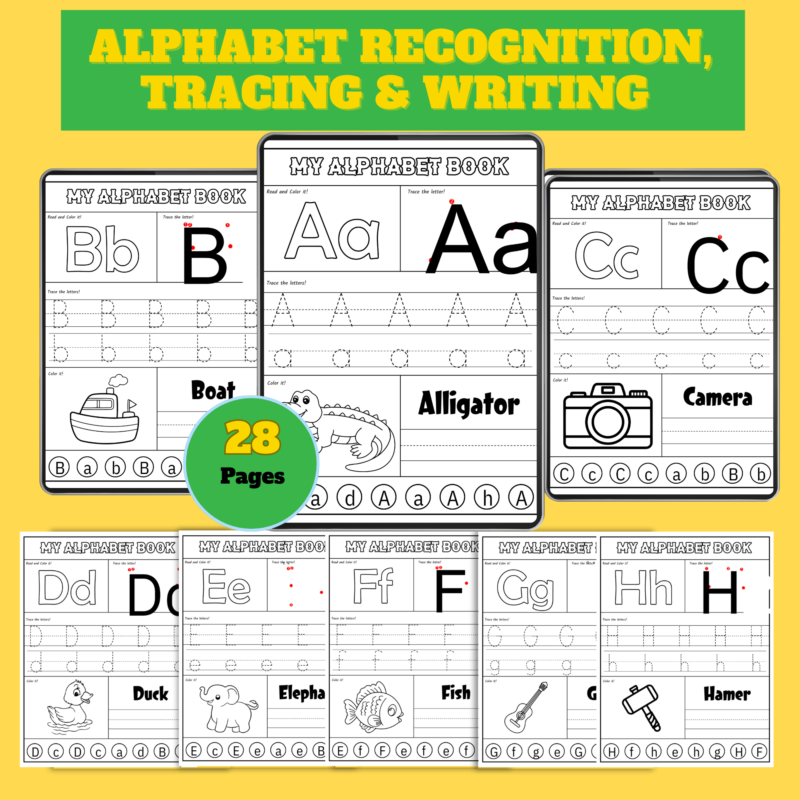
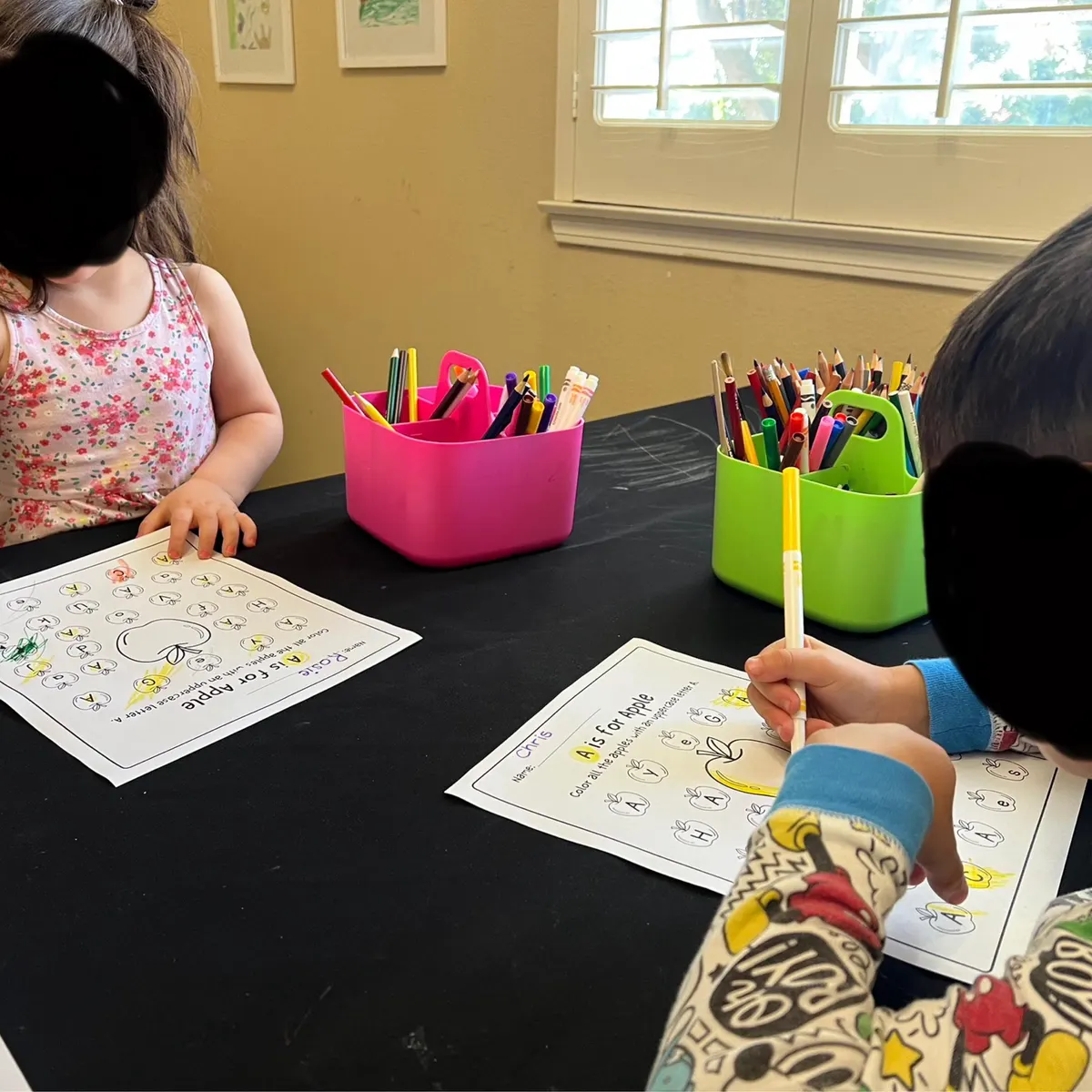
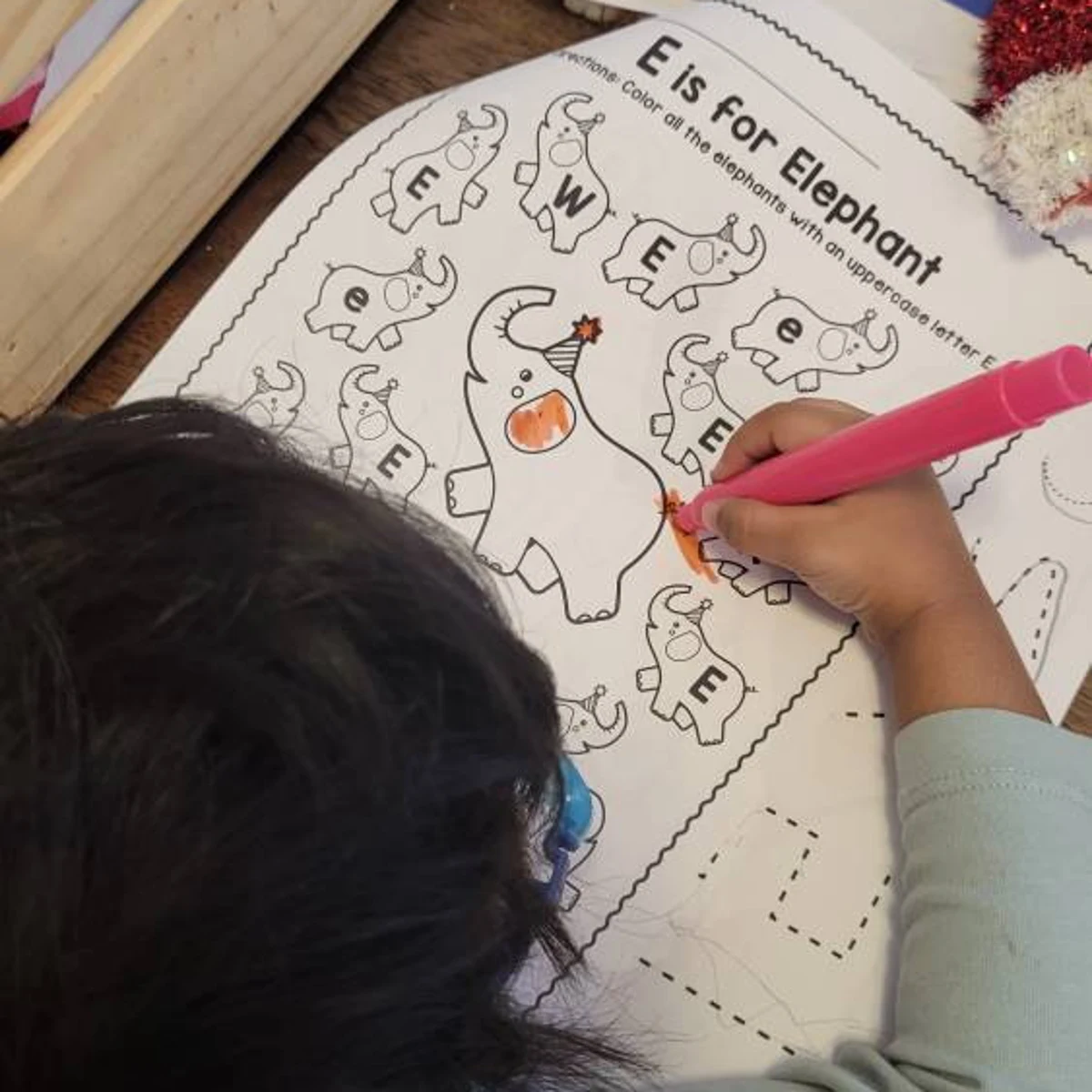
A child points to the letters c-a-t, says each sound slowly, and then lights up when they blend them into a real word. That small moment is a big step toward reading. The best CVC word printables give preschool and kindergarten learners plenty of chances to experience those wins through clear, playful practice that does not feel overwhelming.
CVC words are short, three-letter words with a consonant-vowel-consonant pattern, such as cat, bed, pig, hop, and sun. Because the middle vowel sound is easy to hear and the words are simple to decode, they are a natural bridge between learning letter sounds and reading independently. For busy parents, teachers, and homeschool families, printable activities make it easy to provide that practice without creating a lesson from scratch.
What Makes CVC Word Printables Worth Using?
CVC practice helps children connect three essential early reading skills: recognizing letters, saying letter sounds, and blending those sounds into a word. A learner who can identify the letters in m-a-p but cannot yet blend them needs guided repetition. A child who can read map but mixes up the vowel in mop needs focused practice with similar word families. Well-designed worksheets give both children the structure they need.
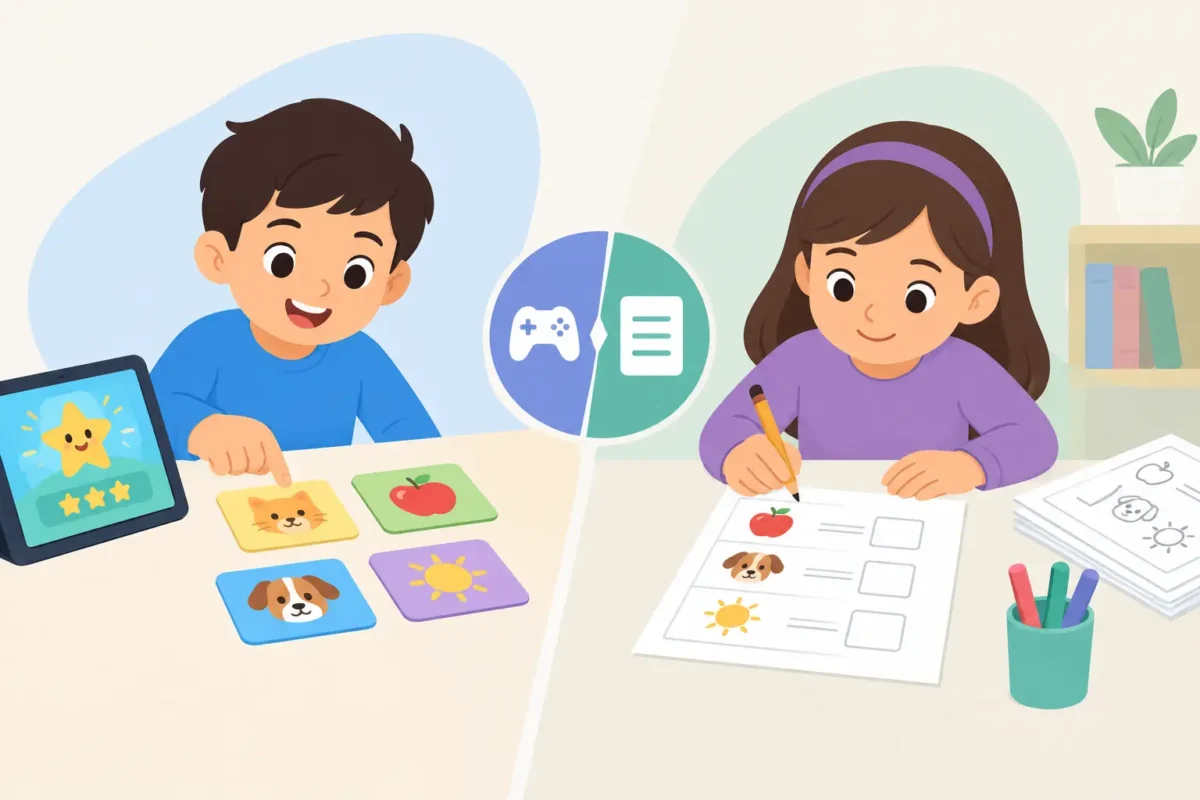
Printables are especially useful because they are screen-free, flexible, and easy to repeat. Use one page during morning work, place a few in a literacy center, or add a short activity to a home learning routine after breakfast. A child does not need to finish a large packet at once. Ten focused minutes can be more helpful than pushing through too many words when attention is fading.
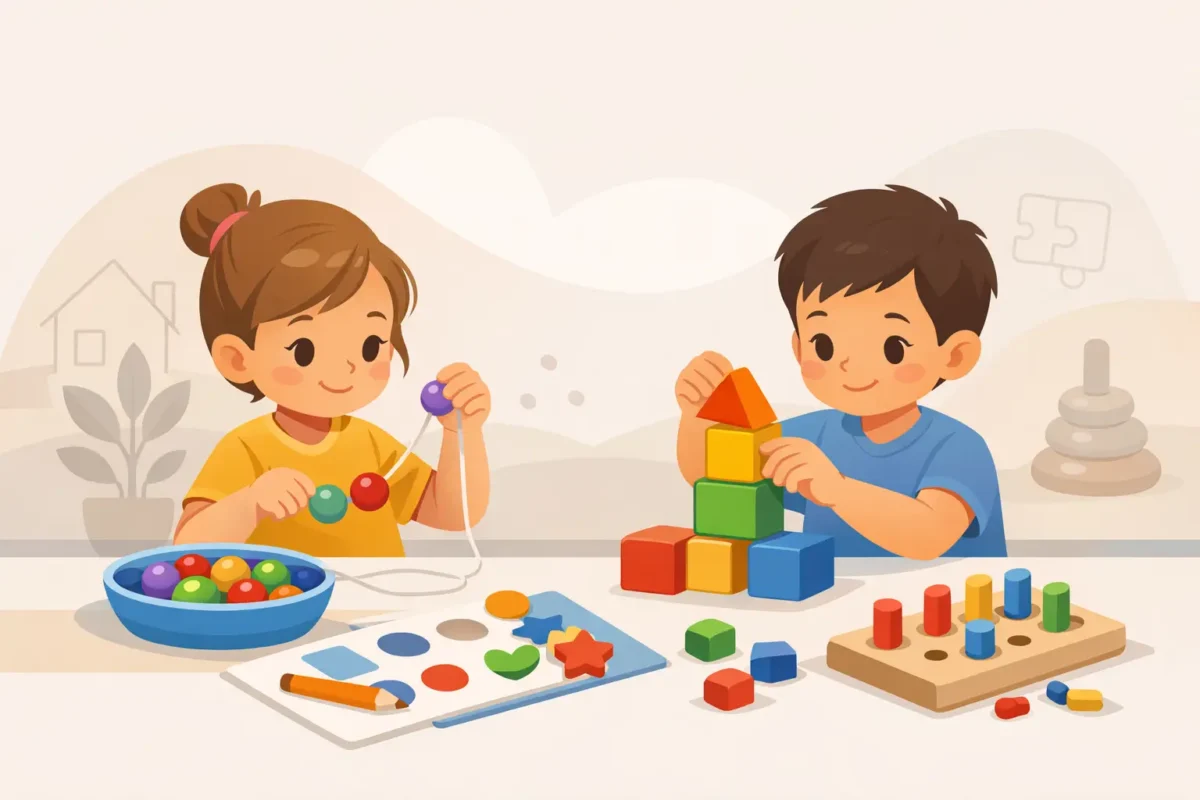
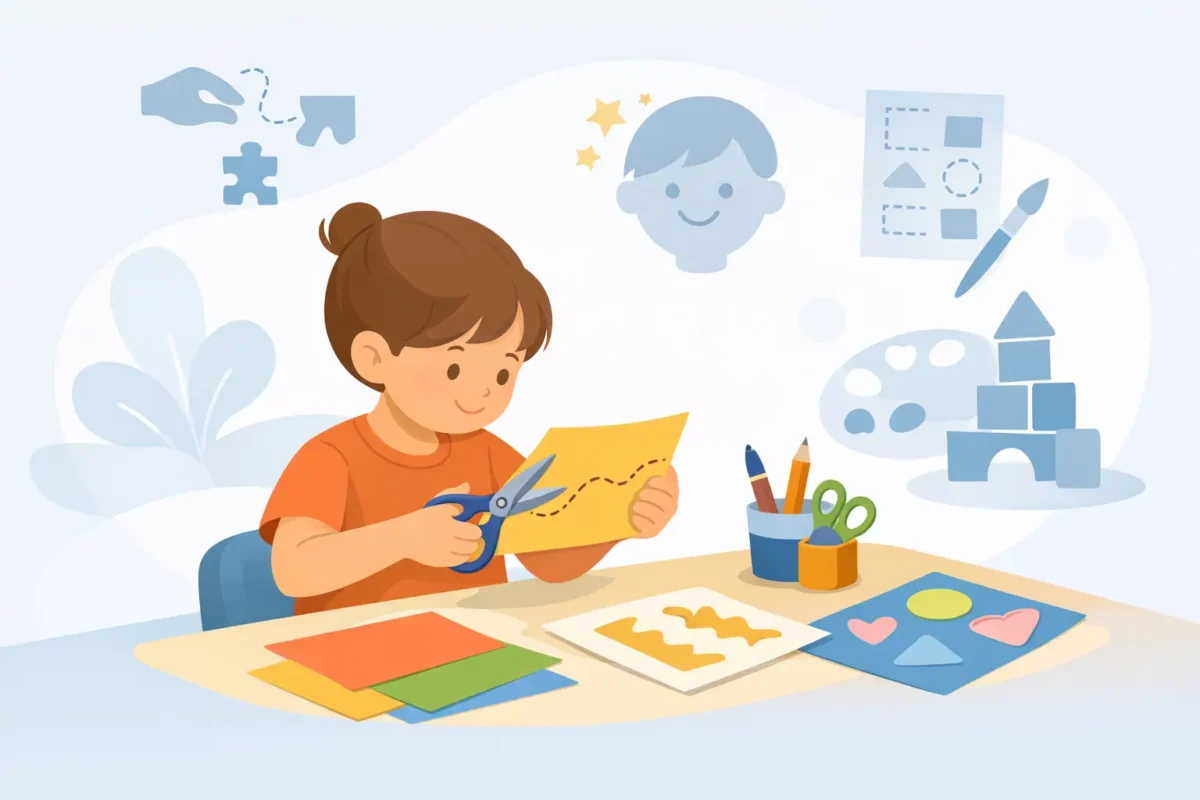
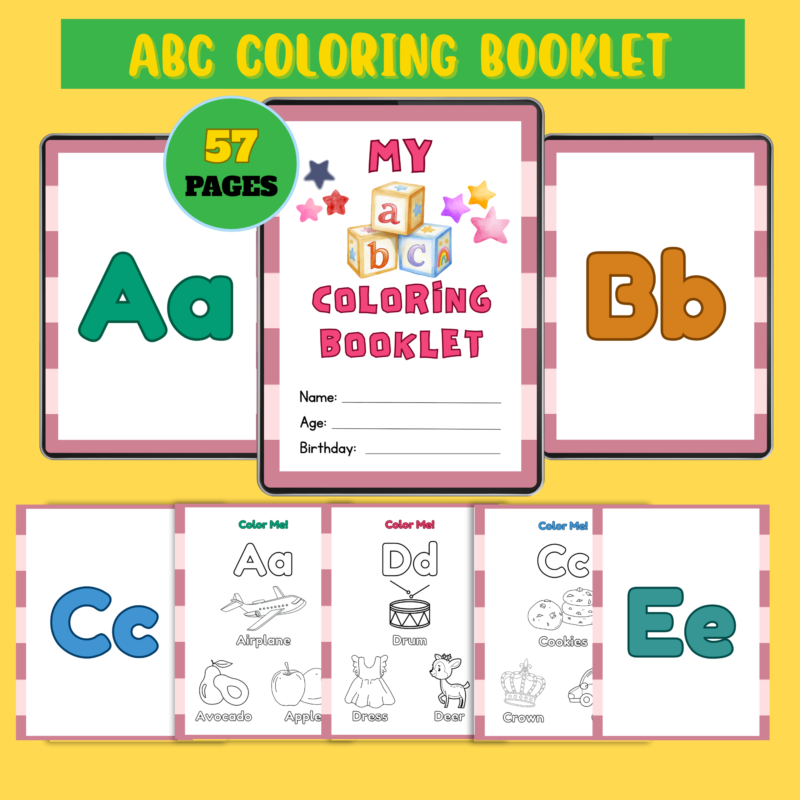
The most effective pages also balance reading with doing. Young children learn through movement, speaking, tracing, coloring, cutting, matching, and writing. Reading a word is important, but circling its picture, building it with letter tiles, or tracing it afterward helps the learning stick.
Best CVC Word Printables: Features to Look For
Not every CVC worksheet is equally helpful for beginning readers. The best choices are simple enough for a child to understand quickly, yet varied enough to make repeated practice feel fresh.
Clear phonics focus
Choose pages that work with one short vowel at a time before mixing all vowel sounds together. For example, children can practice short a words such as bag, fan, map, and jam before moving on to short e words such as hen, pen, red, and web. This reduces guessing and helps learners notice the sound pattern in the middle of each word.
Once a child is comfortable, mixed-vowel pages are a useful next step. They ask children to listen carefully rather than relying on a familiar pattern. The order matters: focused practice builds confidence, while mixed review checks whether the skill is becoming reliable.
Child-friendly pictures that support decoding
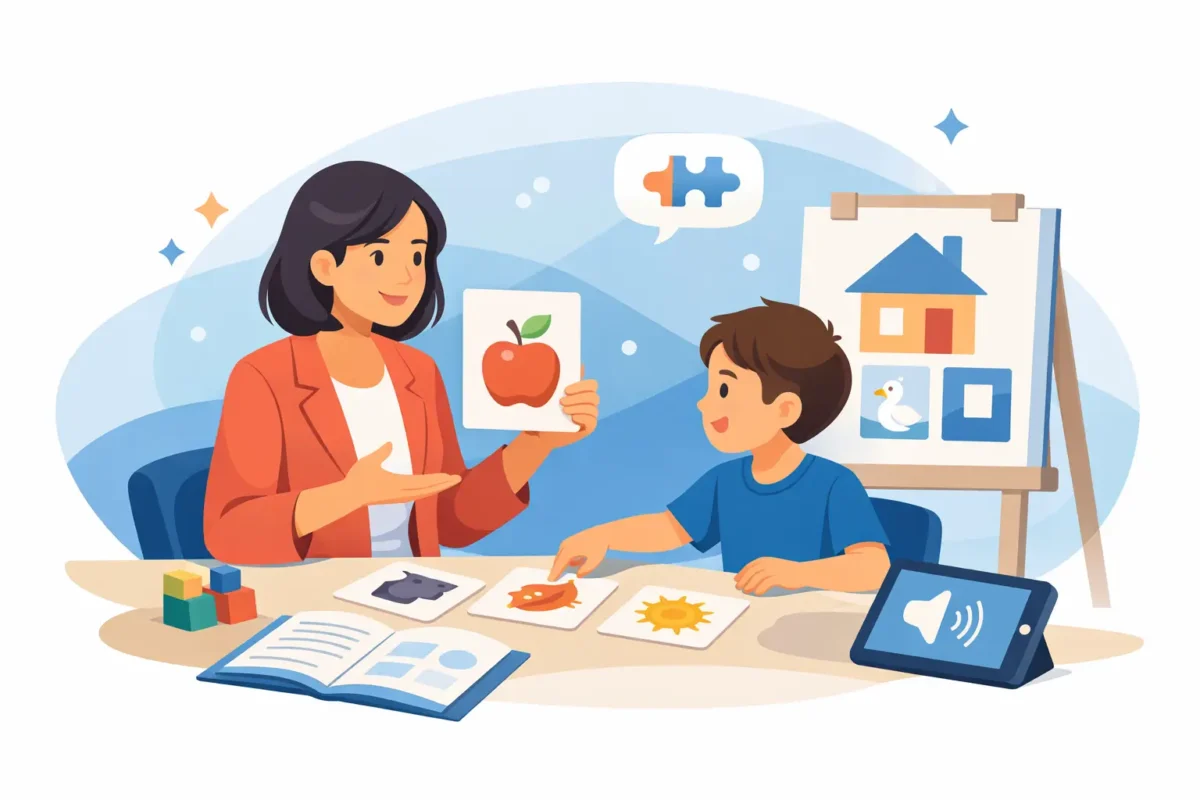
Pictures should make the meaning clear without doing all the reading for the child. If a page asks a learner to match the word “fin” to a picture, the image should be easy to recognize. At the same time, encourage your child to point to each letter and say the sounds before choosing the picture.
Picture-supported worksheets work particularly well for preschoolers and emerging kindergarten readers. They offer a helpful visual clue while children are still building confidence with print. As skills grow, include activities with fewer pictures so learners practice decoding words on their own.
More than one way to practice
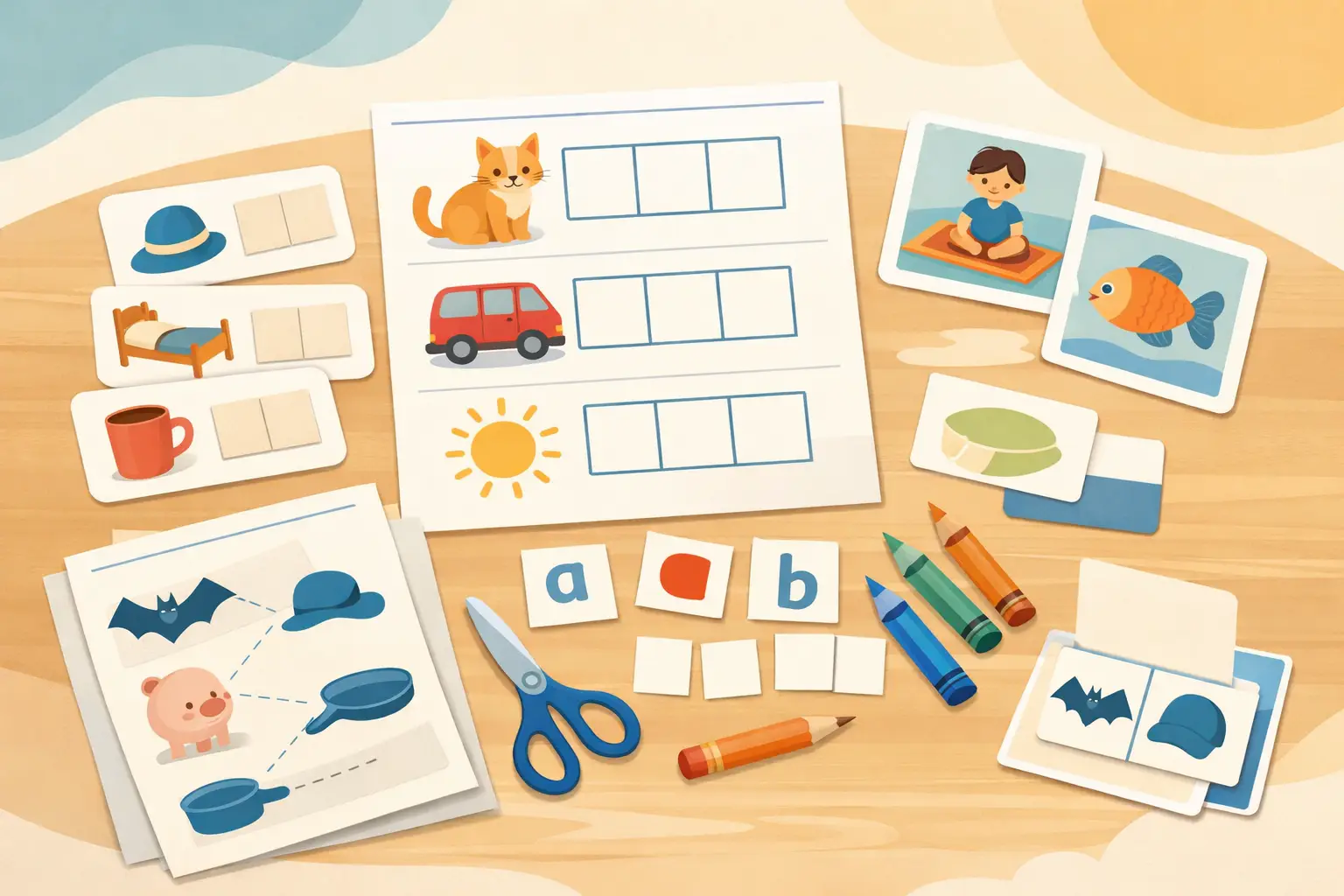
A stack of identical read-and-write pages can become boring, even when the words are appropriate. Look for a mix of activities that reinforce the same skill in different ways. A strong CVC printable collection may include:
- Read-and-match pages that connect words with pictures
- Missing-letter activities for beginning, middle, or ending sounds
- Word-building mats with cut-and-paste letters
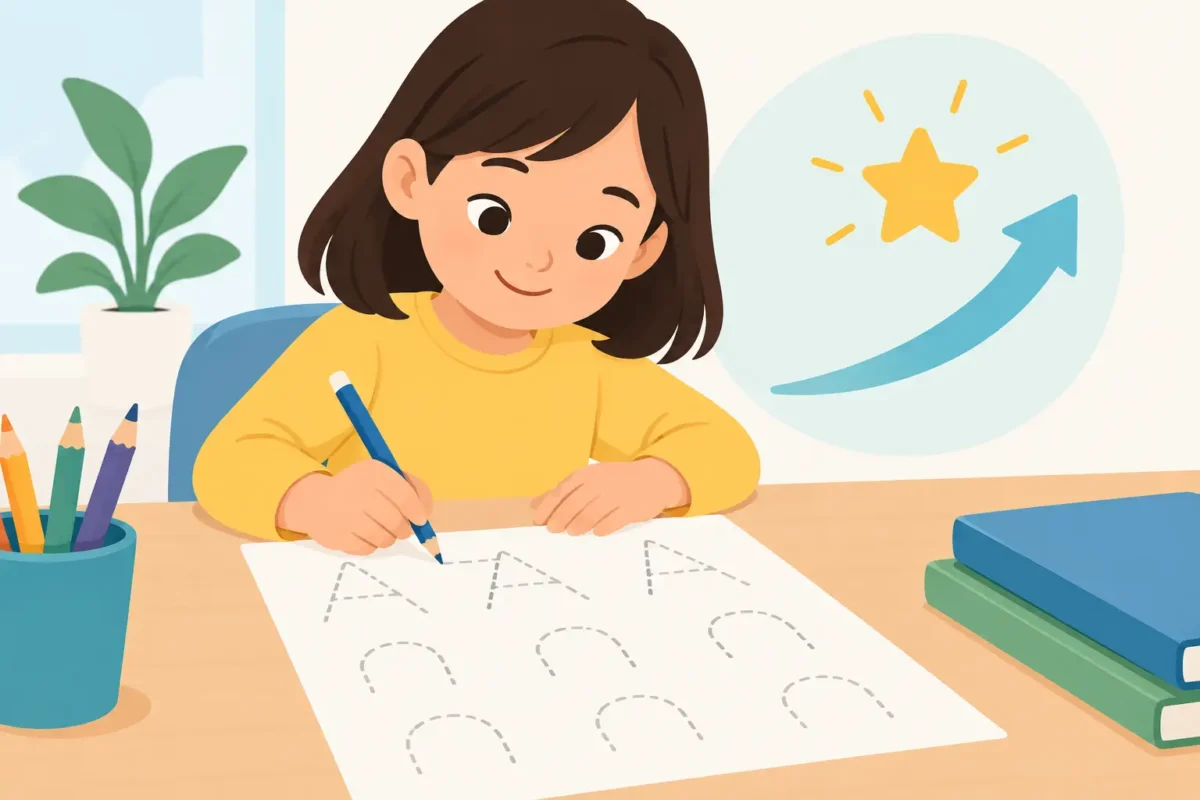
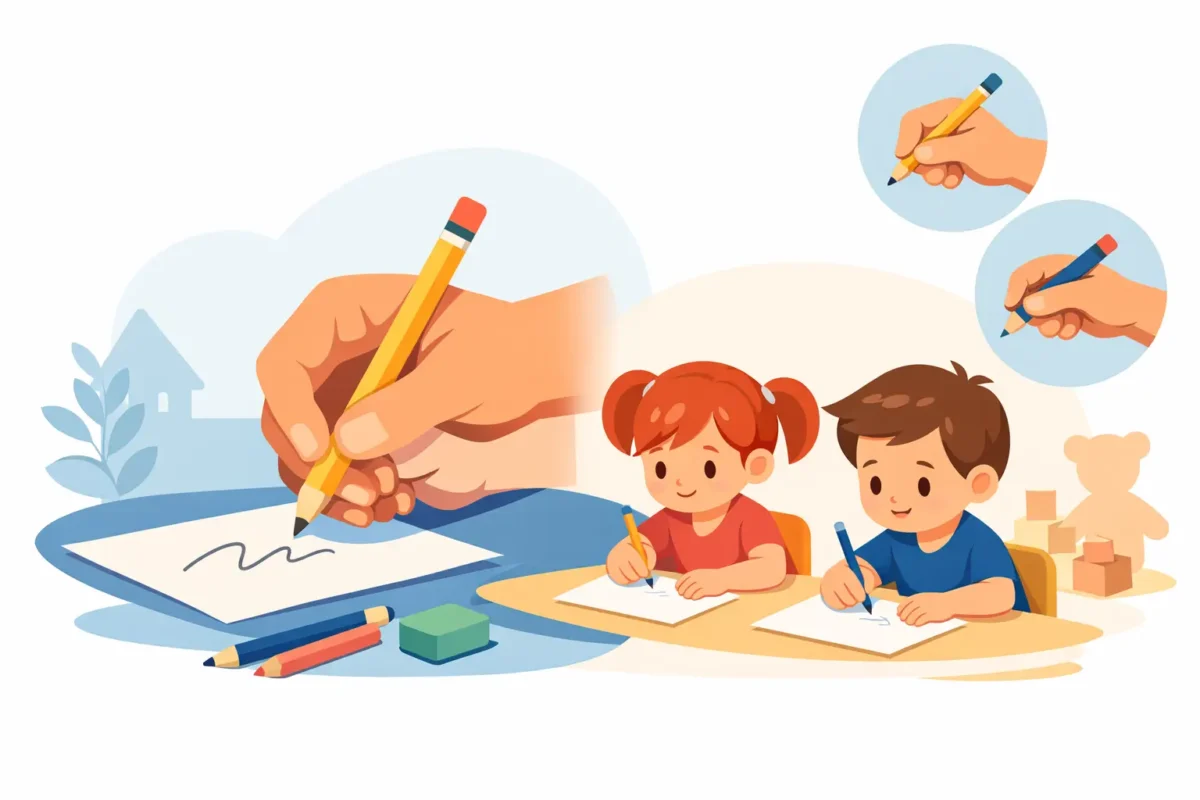
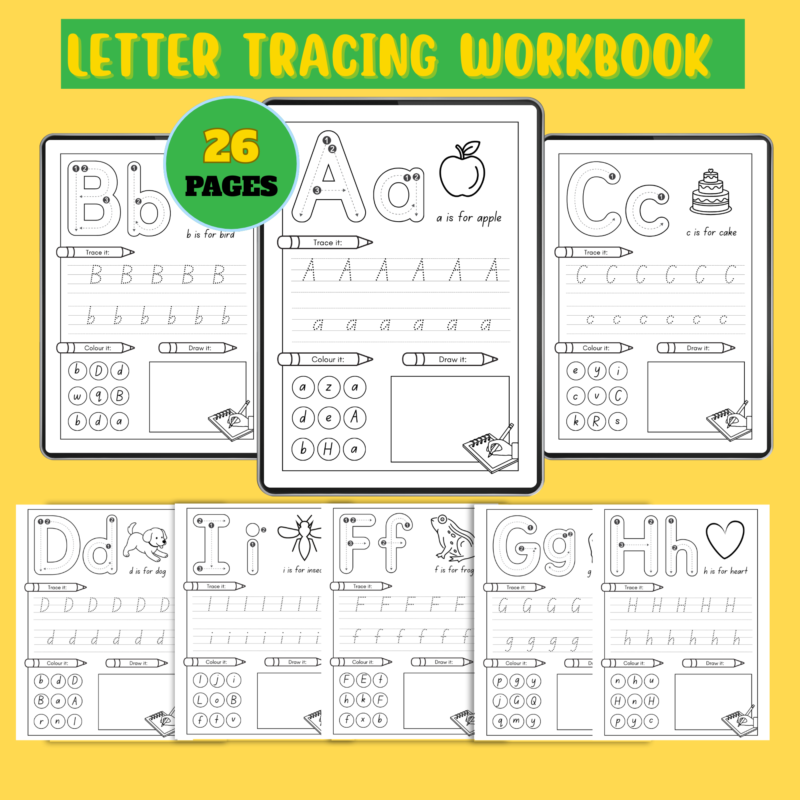
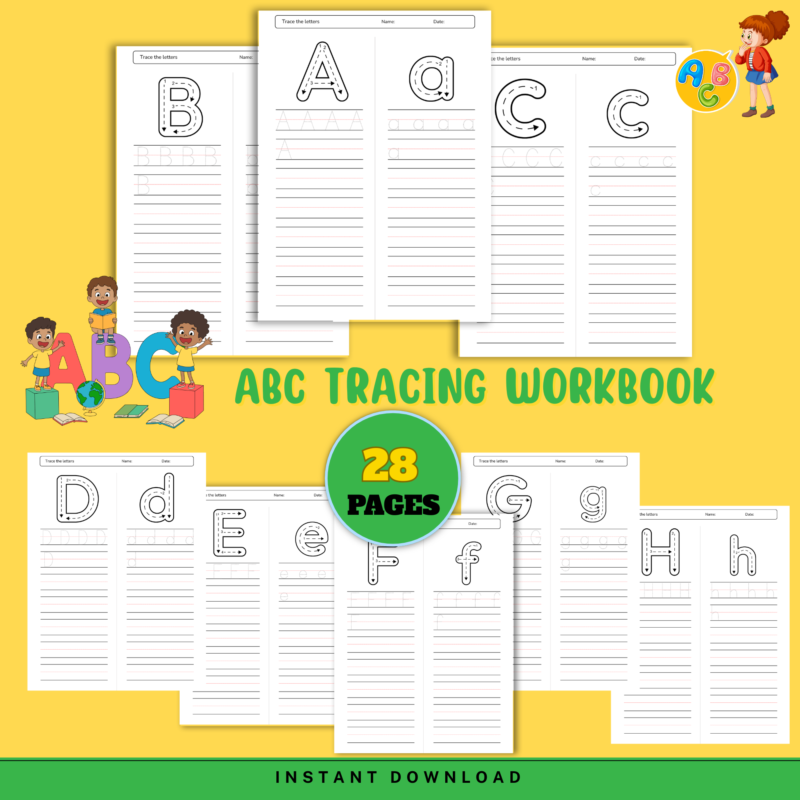
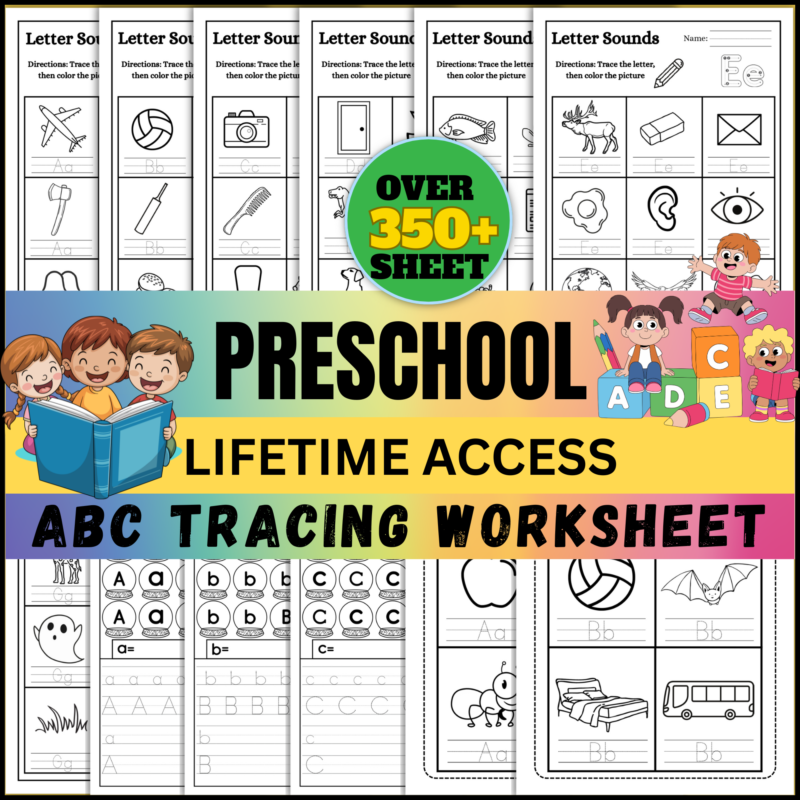
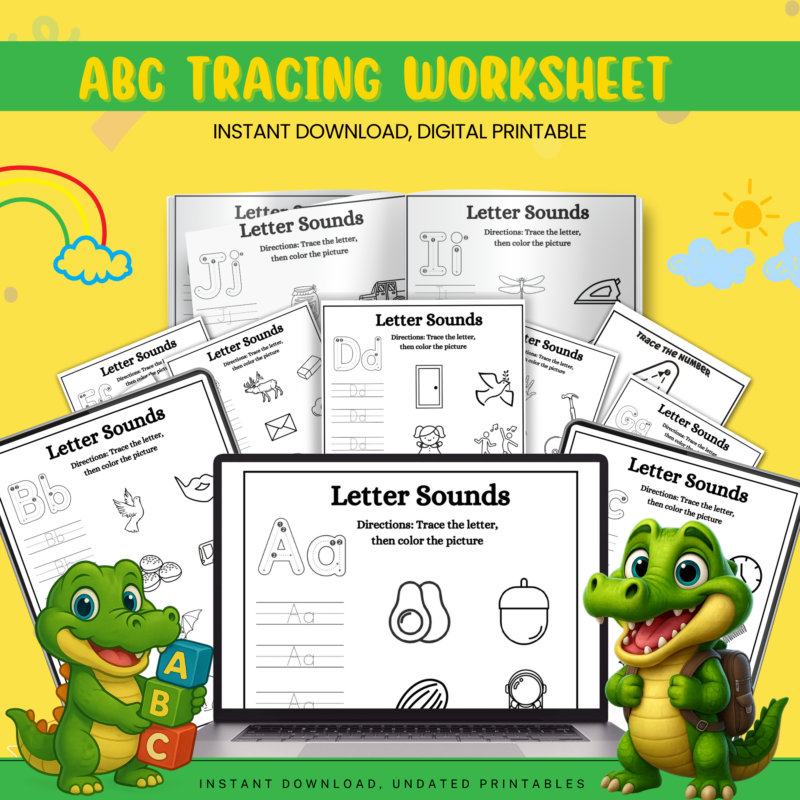
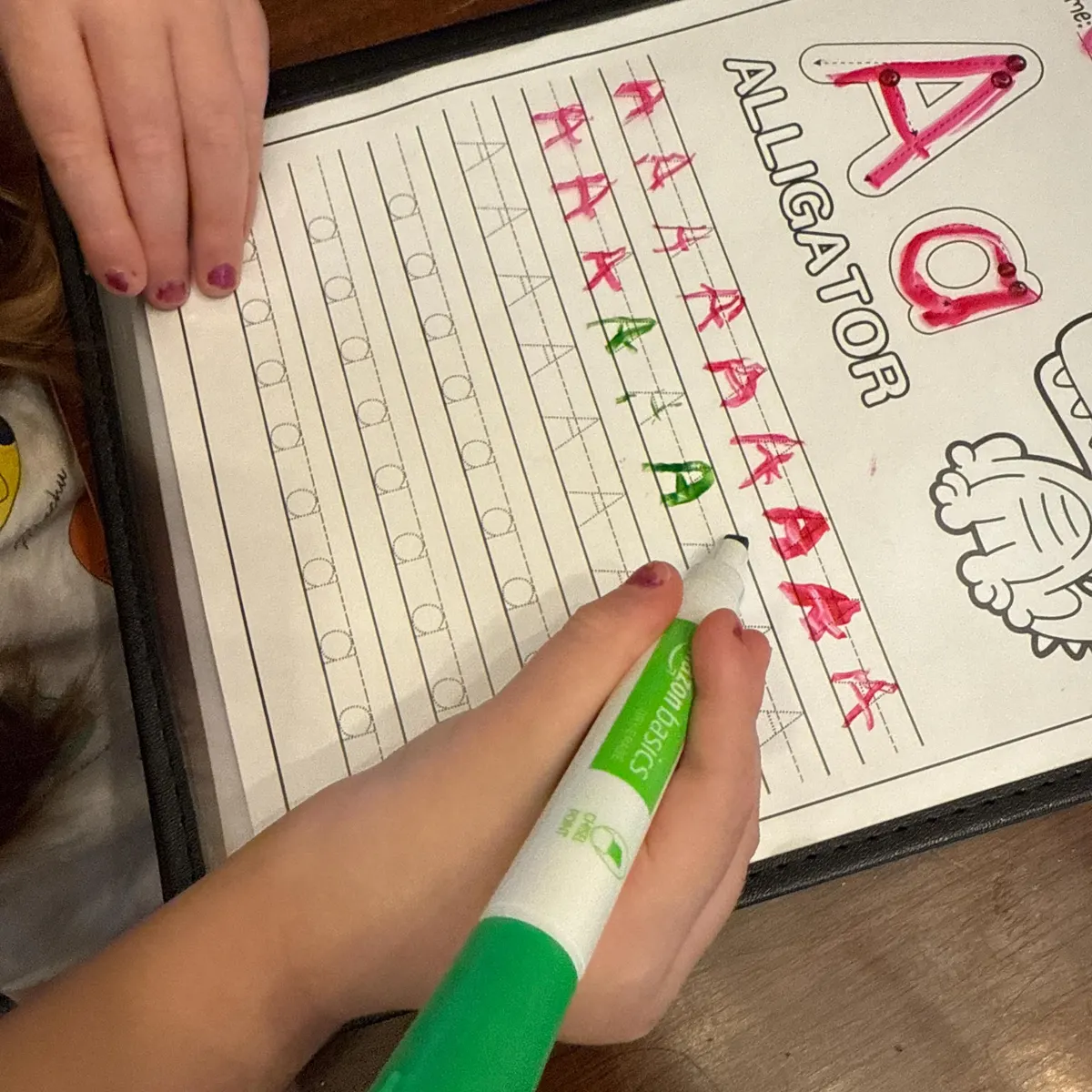
- Trace-and-write practice for handwriting and spelling
- Word family sorts, such as -at, -an, and -ap
- Simple color-by-word or spin-and-read games
This variety has a practical benefit: you can choose the right activity for the day. A child with lots of energy may enjoy cutting and sorting. A child who needs a calm transition may prefer tracing and coloring. In a classroom, different formats also make literacy centers easier to rotate.
Easy-to-read page design
Beginning readers need room to think. Crowded pages, tiny pictures, decorative fonts, and too many directions can distract from the phonics skill. Choose clean worksheets with large print, familiar images, and one clear task at a time.
For young learners, simple directions are a feature, not a limitation. A page that says “Say it. Find it. Color it.” can often be completed with little adult help after a quick demonstration. That supports independence, which is motivating for children and helpful for adults managing a classroom or a busy home.
Match the Printable to Your Child’s Reading Stage
The right CVC worksheet depends on what the child can do now. Some preschoolers are still learning to identify letters and sounds. Others are ready to read several short words in a row. Starting at the right point keeps practice encouraging rather than frustrating.
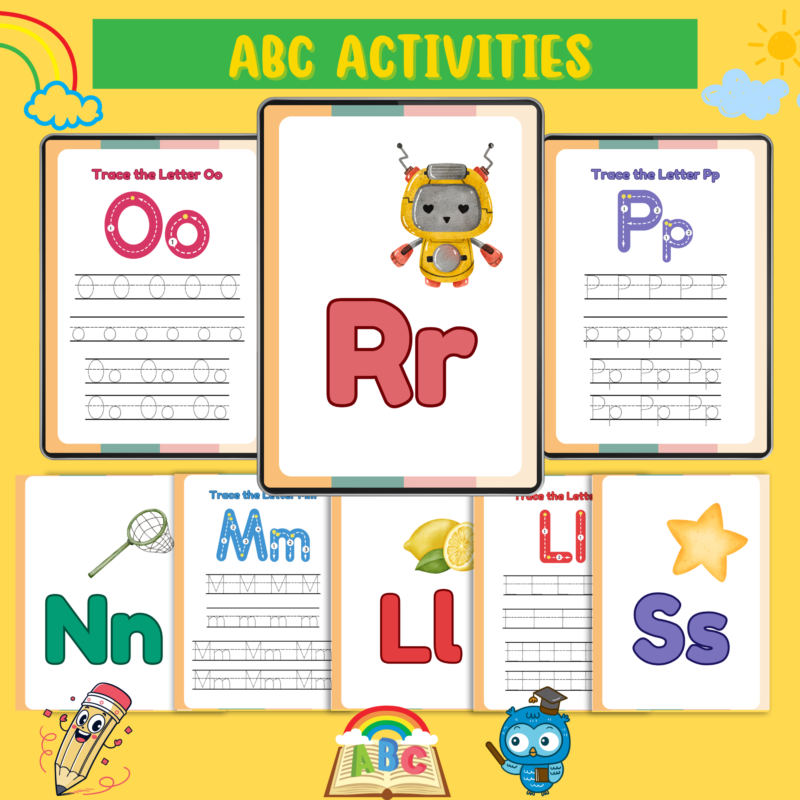
For children who are new to phonics, begin with sound recognition. Show a picture of a dog and ask, “What sound do you hear at the beginning?” Activities that focus on initial sounds, letter-picture matching, and tracing individual letters create a useful foundation before full CVC decoding.
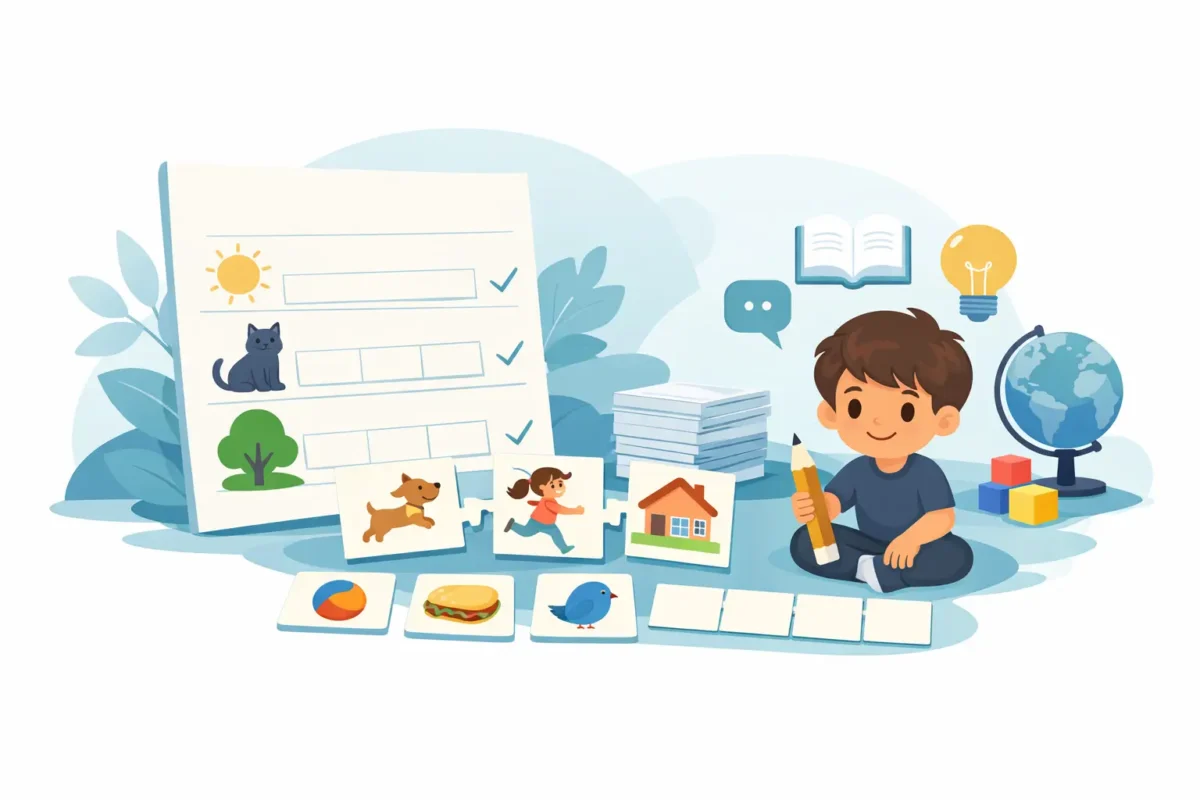
When children know most letter sounds, introduce oral blending. Say /s/ /a/ /t/ slowly, then ask them to put the sounds together. Printable pages with three sound boxes are helpful here. The child can tap each box, say each sound, and sweep a finger underneath to blend the whole word: sat.
For children who can blend independently, add word reading and spelling. They may read a CVC word, choose the matching picture, fill in a missing vowel, or write the word from a picture prompt. Writing is valuable because it asks children to hear the sounds in order and connect them back to letters.
If a child is struggling with short vowels, do not rush ahead to harder words. Return to one vowel sound, use a smaller group of words, and say the sounds aloud together. Hearing the difference between pin and pan or hop and hip takes time. Progress is rarely perfectly straight, and a little review is part of successful reading instruction.
Simple Ways to Use CVC Worksheets at Home or School
A printable works best when it is part of a short, predictable routine. Start by reviewing the vowel sound of the day. Then read two or three words together before asking the child to complete the activity. This small amount of adult guidance can prevent a page from turning into a guessing game.
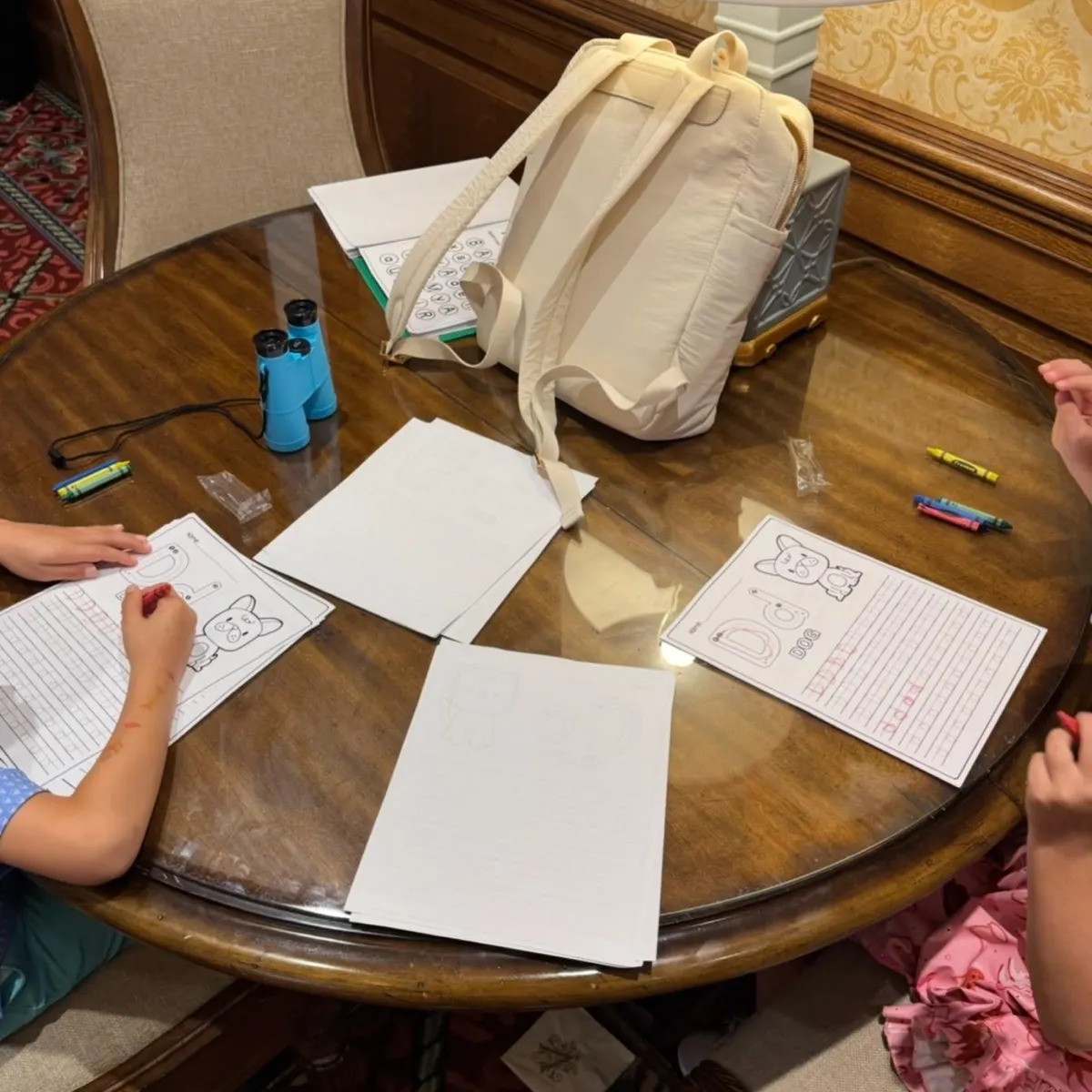
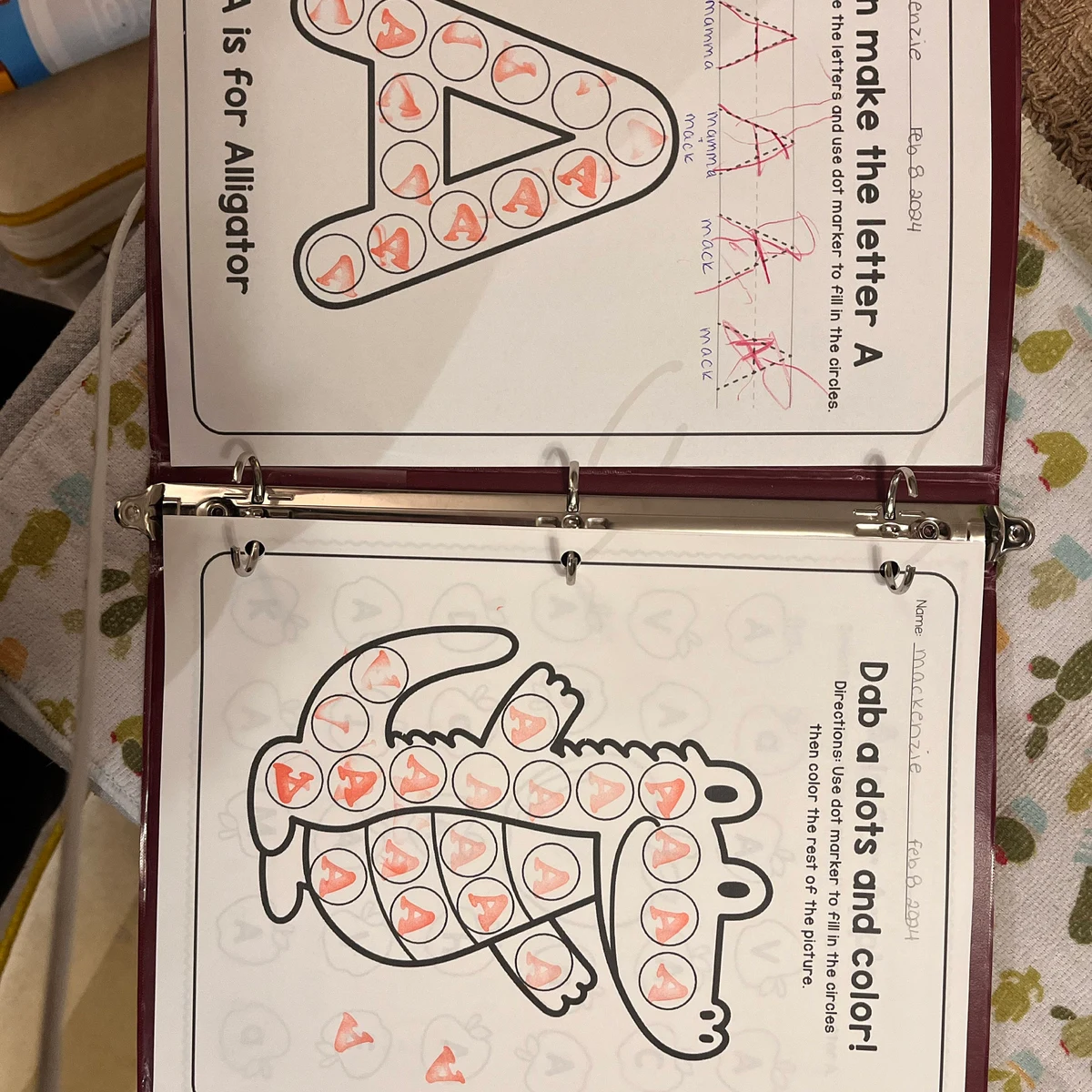
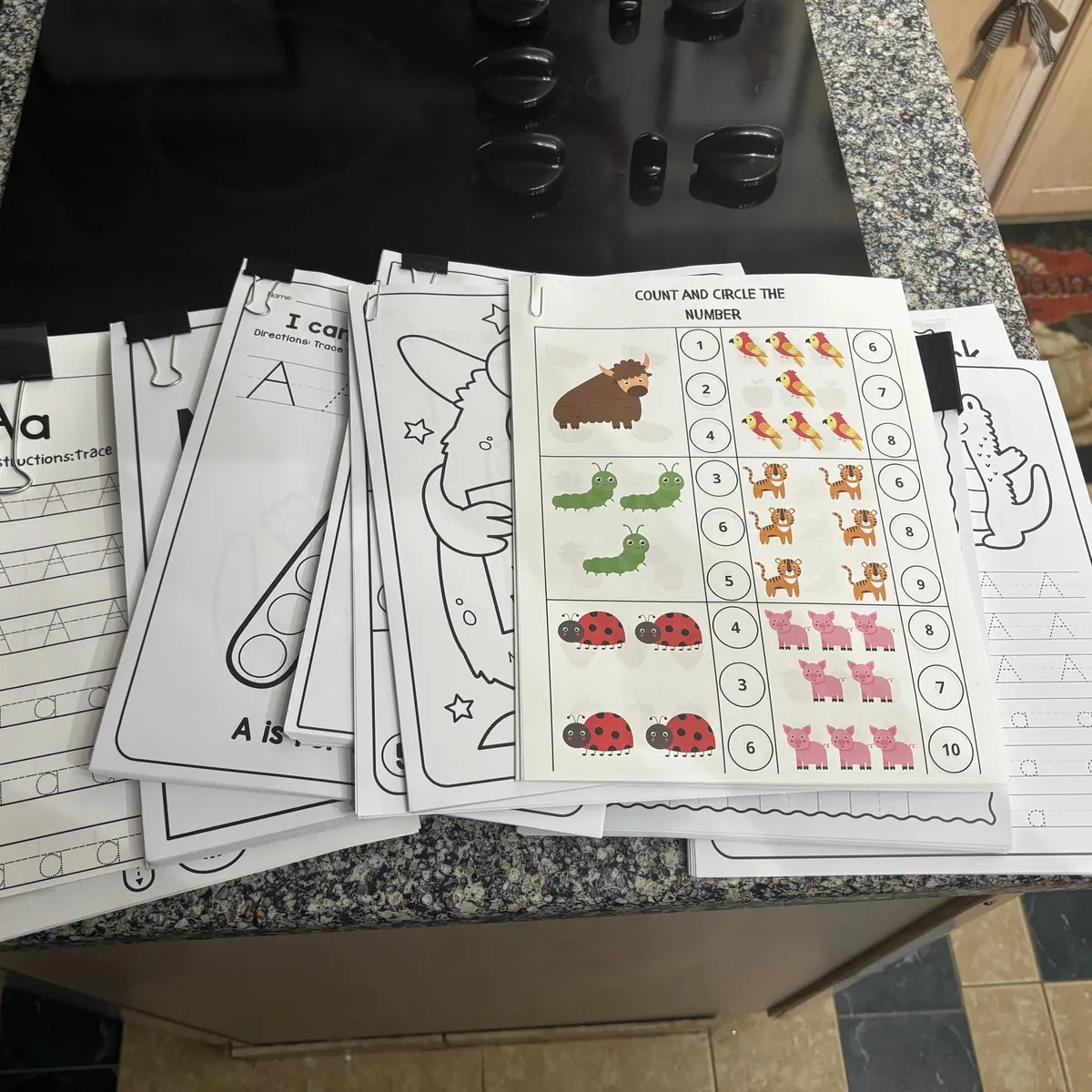
At home, try keeping CVC pages in a simple folder or binder. Let your child choose between two activities whenever possible. Choice creates a sense of ownership, whether they pick a word match page or a color-and-read page. Save completed work so children can look back and see how much more easily they read now.
In the classroom, CVC printables can support whole-group lessons, small-group phonics instruction, independent work, and literacy centers. Use the same word pattern in more than one setting during the week. For instance, introduce -at words together, practice them in a center, and send a related page home for extra review. Repeated exposure is more effective than presenting a large set of unrelated words once.
For a hands-on option, pair a worksheet with magnetic letters, letter tiles, or homemade paper letter cards. After a child reads “rug,” ask them to change the first letter to make “bug” or “hug.” These quick word changes help children understand that each letter has a job and that changing one sound creates a new word.
Make Practice Feel Like a Reading Success
The goal is not for children to race through a page or memorize a list. The goal is for them to understand how letters and sounds work together. Praise the process when you hear it: “You looked at each sound and blended them. You read that word!” Specific encouragement teaches children what they did well.
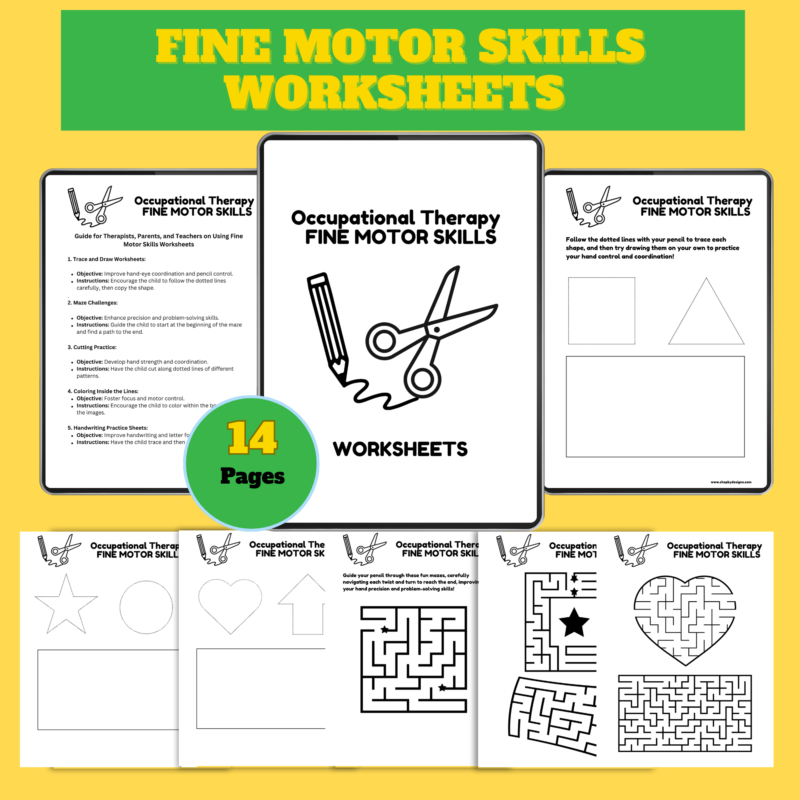
Fun Clever Fox printable resources are designed to give young learners that kind of structured, cheerful practice, with activities that fit easily into home routines, classroom centers, and homeschool lessons. Print only the pages you need, return to favorite formats often, and let each small success build toward the next one.
Keep the next activity short, playful, and just challenging enough. When a child begins reaching for a pencil to read one more three-letter word, those little CVC moments are becoming the confident reading habits you hoped to build.