A child’s own name is often the first word they truly want to write. That excitement matters. This preschool name writing guide helps parents and teachers turn that motivation into a gentle, confidence-building routine, without rushing children into handwriting before their hands are ready.
Name writing is not just a cute milestone for artwork and cubbies. It brings together letter recognition, fine motor control, left-to-right tracking, and the understanding that print carries meaning. Best of all, it gives preschoolers a personal reason to practice.
Start With Readiness, Not Perfect Letters
Many preschoolers recognize their name long before they can write it. That is completely normal. Writing requires small hand muscles, visual attention, coordination, and patience. A child who is still learning to hold a crayon comfortably may need more pre-writing practice before tracing letters feels successful.
Look for simple signs of readiness. Your child may enjoy coloring for a few minutes, make purposeful marks on paper, notice letters in their name, or try to copy lines and shapes. They do not need to have every skill in place before beginning. They simply need a short activity that feels manageable.
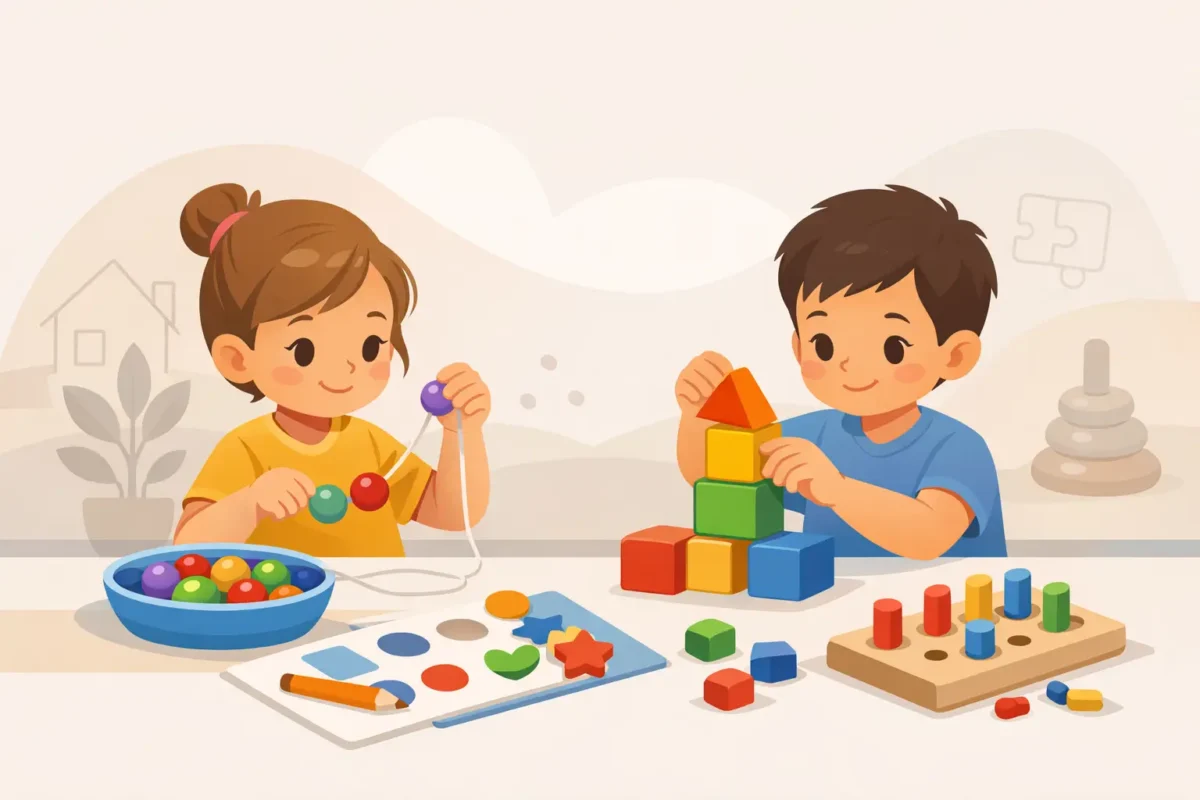
If writing brings tears, heavy pressure, or immediate frustration, step back. Offer play-based fine motor activities such as play dough squeezing, sticker peeling, connecting blocks, lacing cards, or drawing roads and spirals. Stronger fingers and better control make name writing much easier later.
Teach the Name Before Teaching the Writing
A preschooler has a better chance of writing their name when they know what it looks like. Begin by showing the name in clear print with one capital letter followed by lowercase letters, such as Maya, Jackson, or Eli. This is the standard form children will see most often in books, class lists, and everyday writing.
Use the name in meaningful places. Point it out on a backpack, artwork, a place card at snack time, or a family calendar. Say the letters slowly together, but keep the focus on recognition rather than memorizing a letter sequence right away. “This says Maya. It starts with M, just like Mom,” is more helpful than turning every moment into a quiz.
For children with longer names, it can help to begin with the first letter or a familiar part of the name. A child named Christopher does not need to write all 11 letters on day one. Celebrating a clear C is a real start.
Use a Simple Name Card
Make or print a name card in a large, easy-to-read font. Place it where the child can see it while they work. A name card gives children a visual model and supports independence because they do not have to remember every letter from memory.
Avoid changing the font style from activity to activity. Decorative fonts may look fun, but simple print letters are easier for young learners to identify and copy. Keep the capital first letter and lowercase letters consistent, too.
Follow a Gentle Name Writing Progression
Children learn handwriting in small steps. Asking them to write a full name independently too soon can make a joyful activity feel like a test. Instead, move through a progression that matches their current skills.
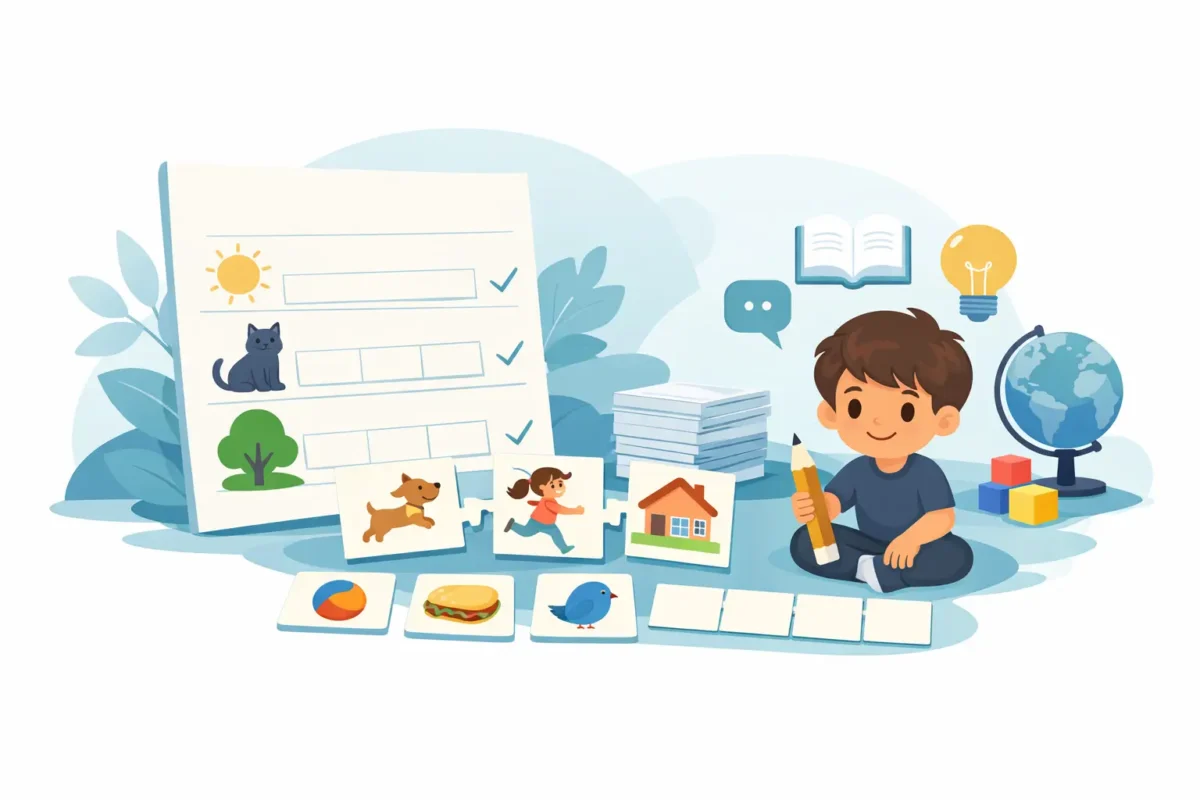
Start with name recognition. Offer two or three name cards and invite the child to find theirs. Then let them build the name with magnetic letters, alphabet tiles, or letter cards. These activities teach letter order without requiring pencil control.
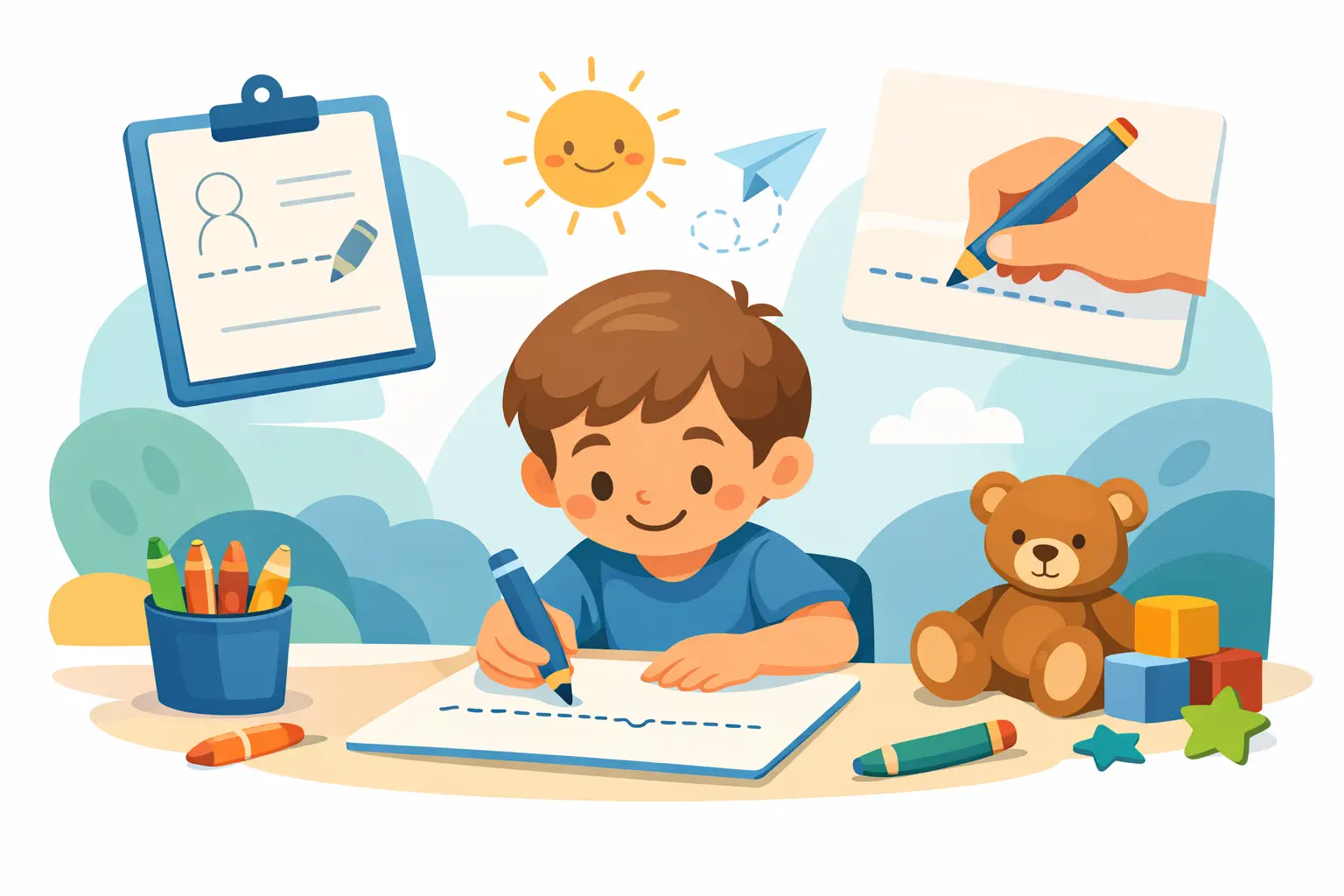
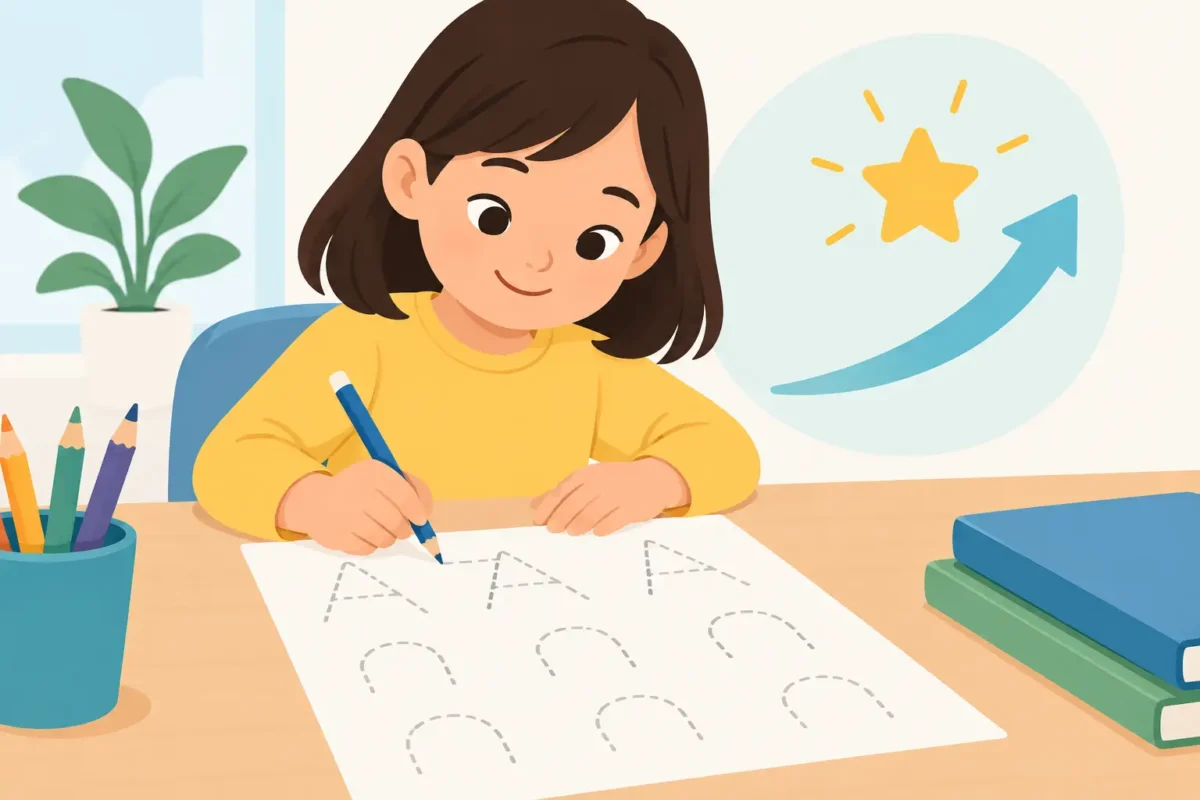
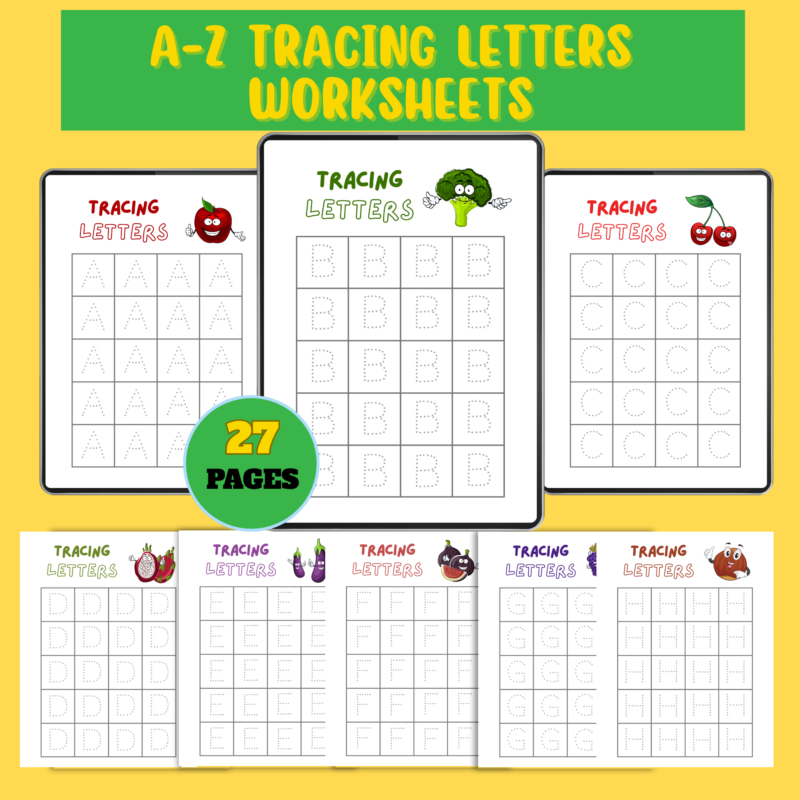
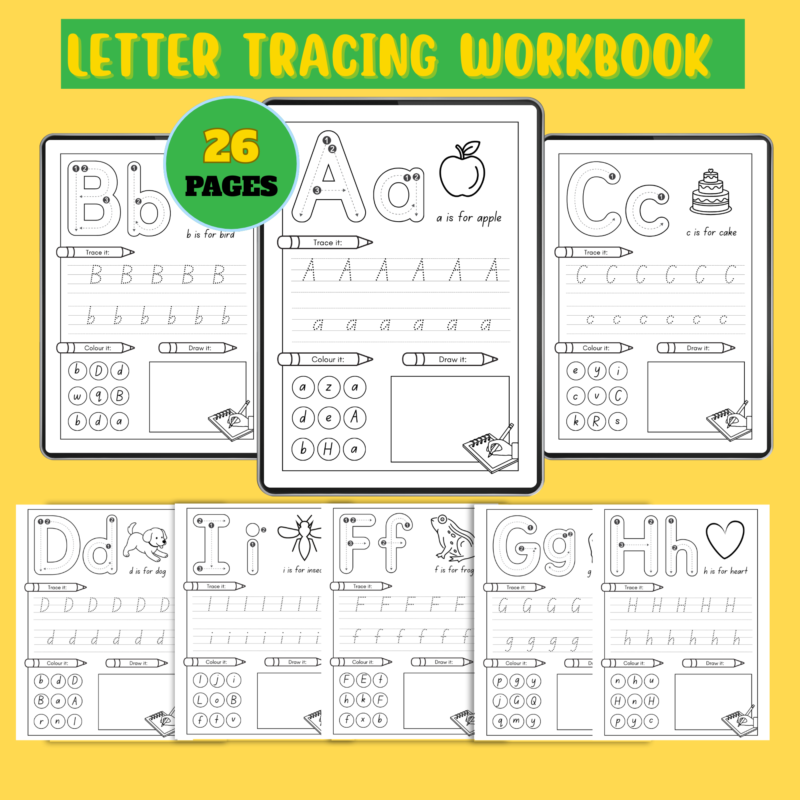
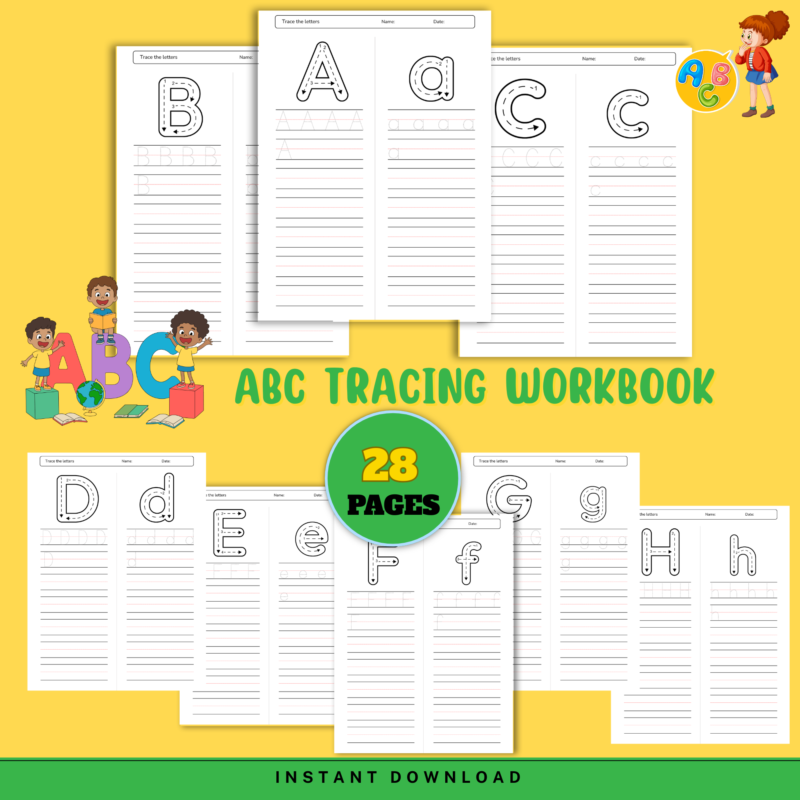
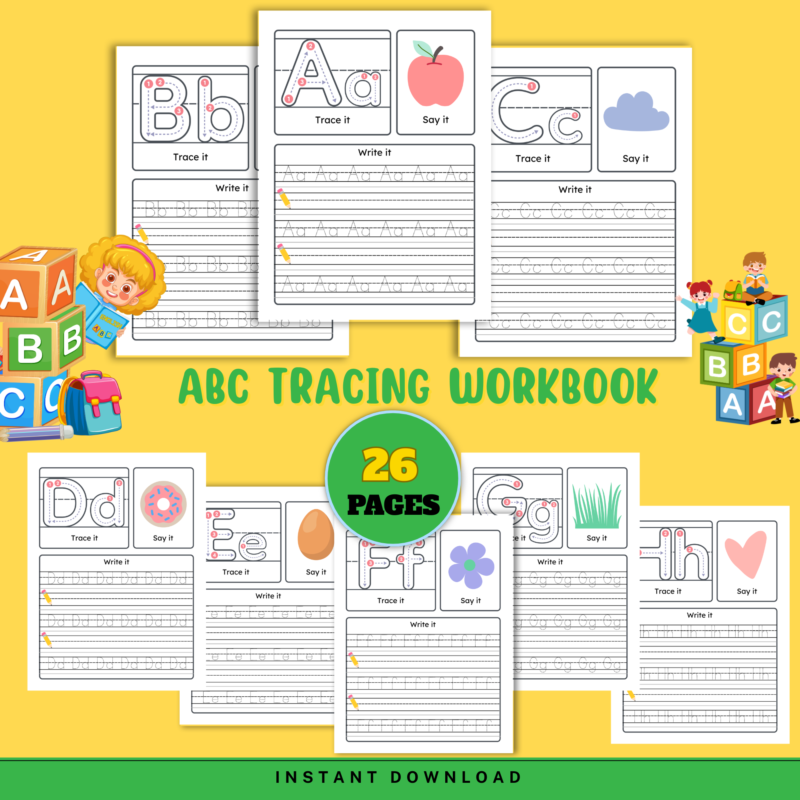
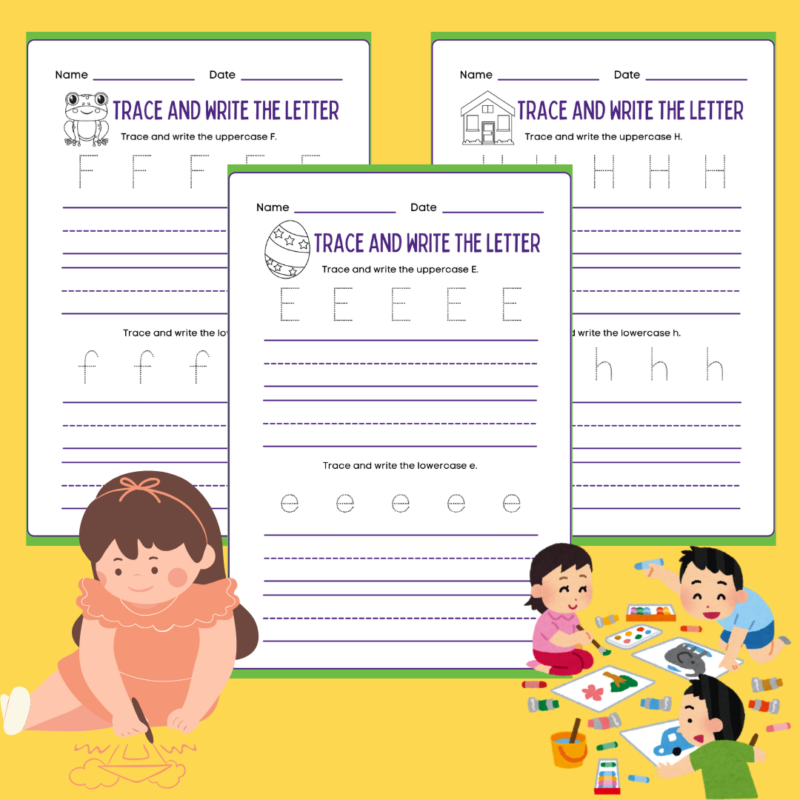
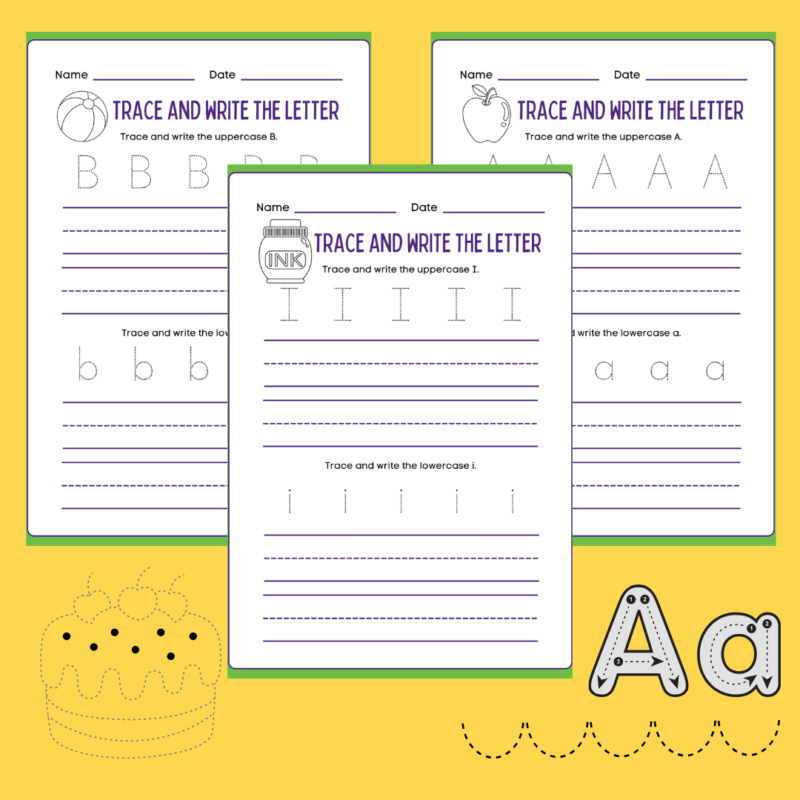
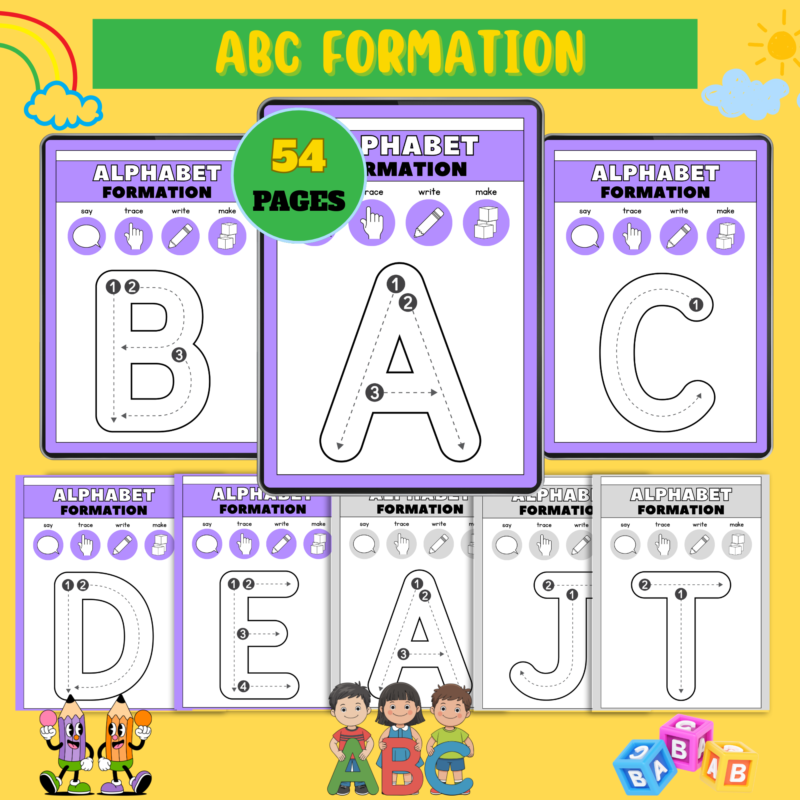
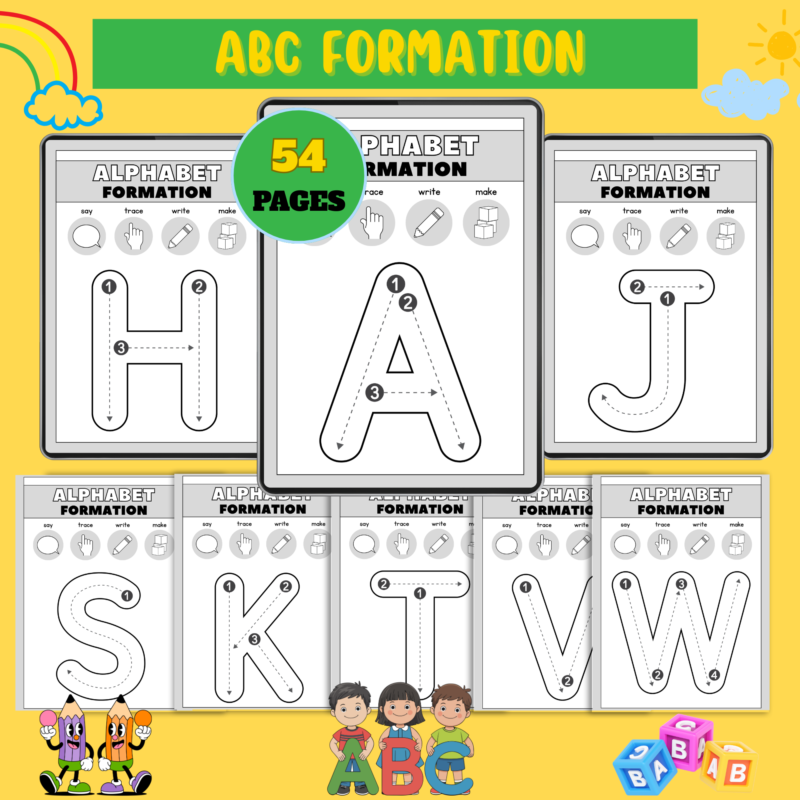
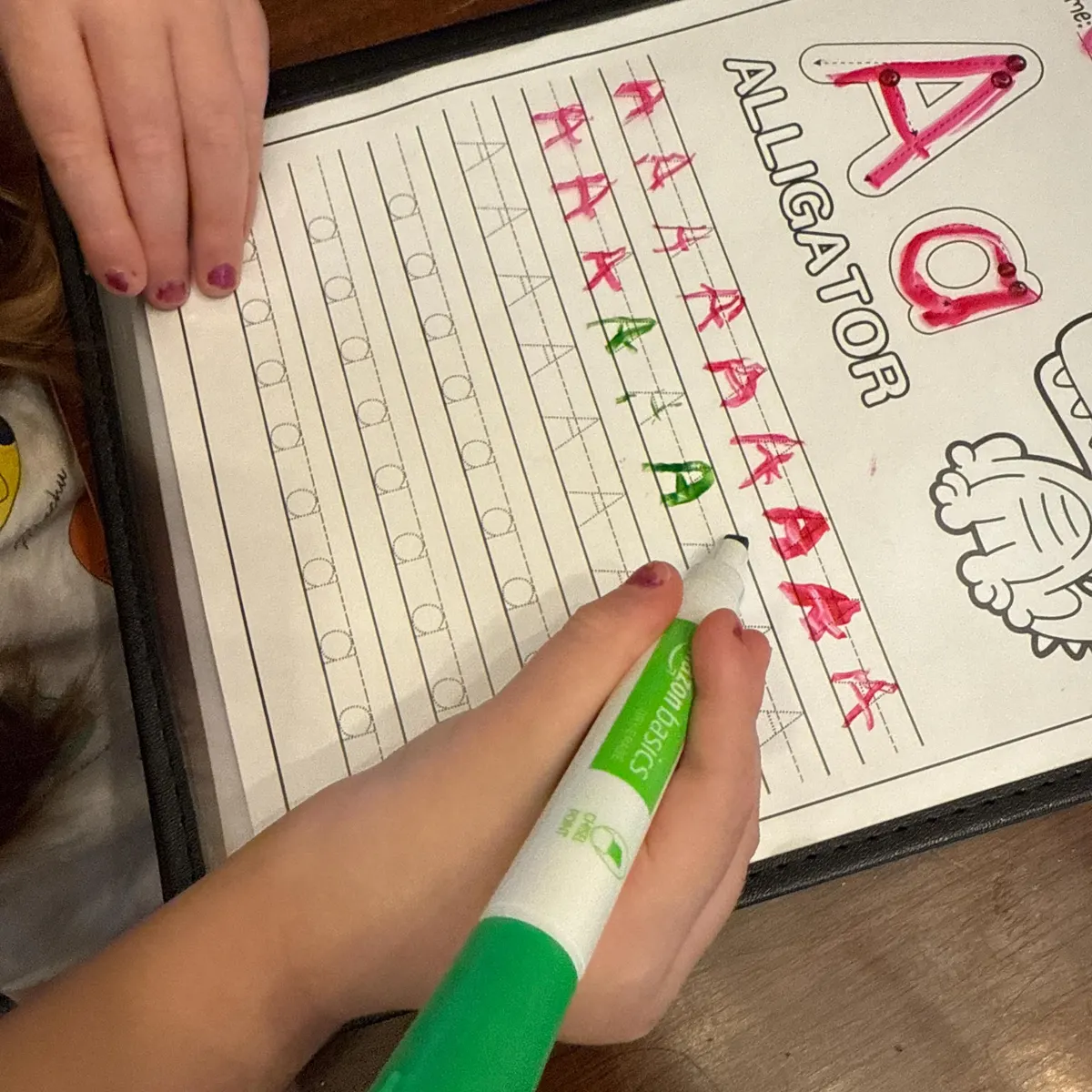
Next, introduce tracing. Large tracing letters with clear starting points are especially helpful for preschoolers. At first, use a finger to trace the letters. Then try a crayon, pencil, or washable marker. Some children enjoy tracing a name written in sand, shaving cream, or on a sensory tray before working on paper.
After tracing, invite the child to copy their name underneath a model. They may write only one or two recognizable letters at first. That is expected. Finally, offer an open space to write the name without tracing lines. Keep the name card nearby until the child no longer needs it.
This order is flexible. A child who loves writing may move quickly from tracing to copying. Another may spend weeks building their name with letters and still be making progress. The goal is growing confidence and control, not checking off a deadline.
Make the Practice Area Work Harder
A few small setup choices can make name writing more comfortable. Seat children with their feet supported and paper placed on a stable surface. If a child is right-handed, angle the top of the paper slightly to the left. For a left-handed child, angle it slightly to the right. This can make the writing position feel more natural.
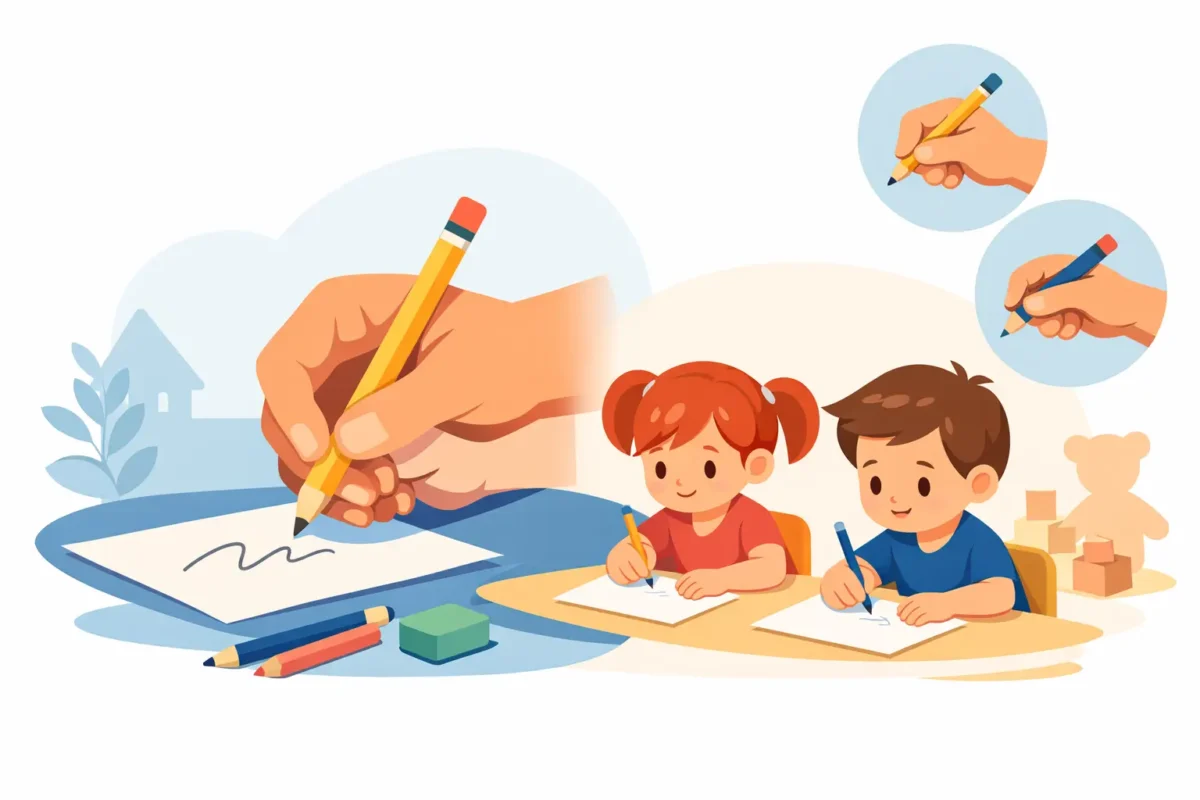
Offer short crayons, triangular crayons, or beginner pencils if a child has trouble controlling a standard pencil. There is no need to force a perfect pencil grip in preschool. A functional, comfortable grip that allows the child to make marks is a good place to begin.
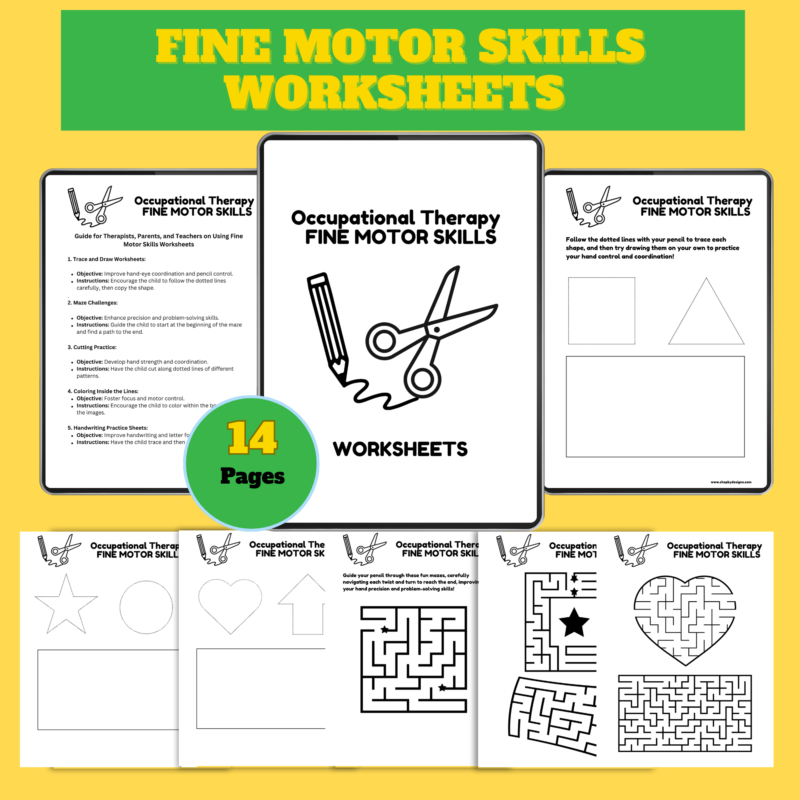
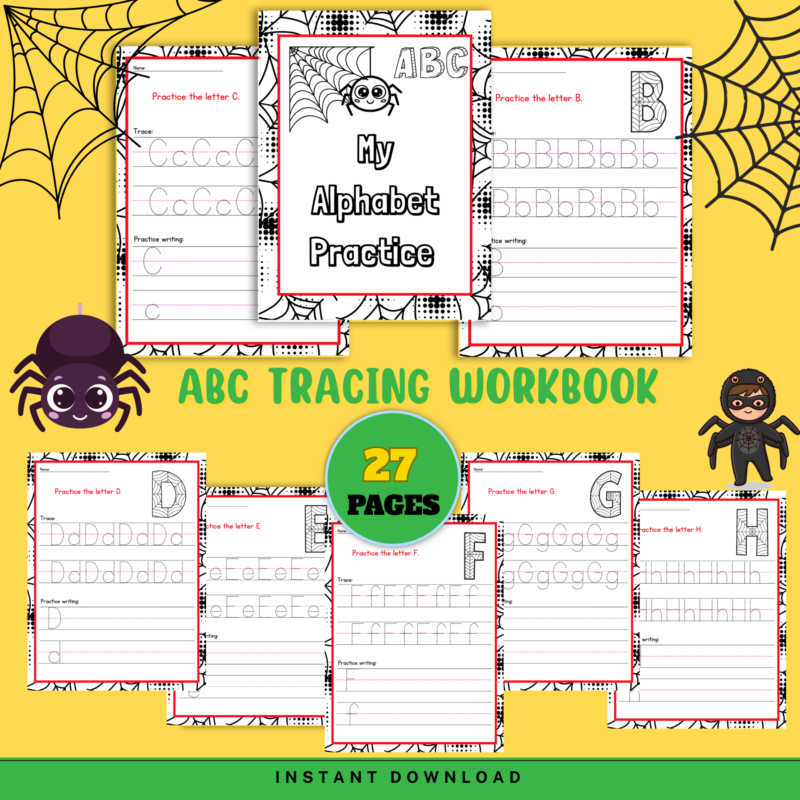
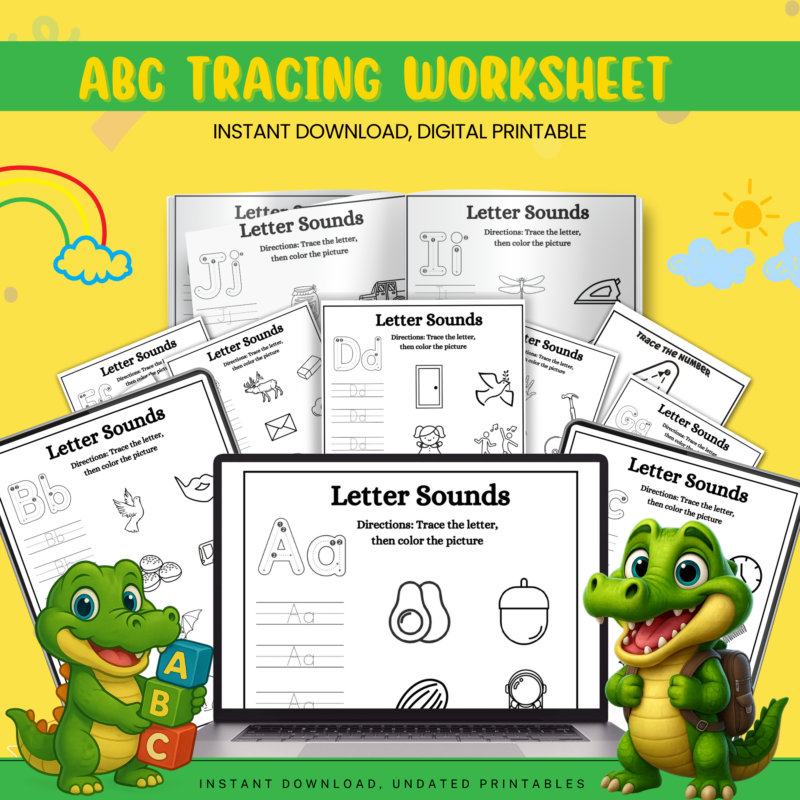
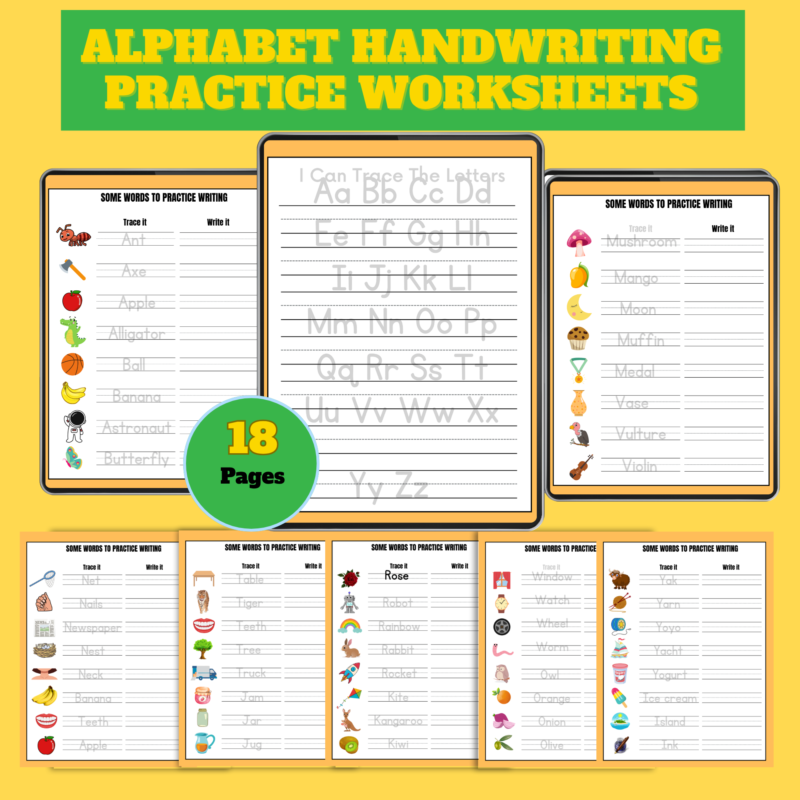
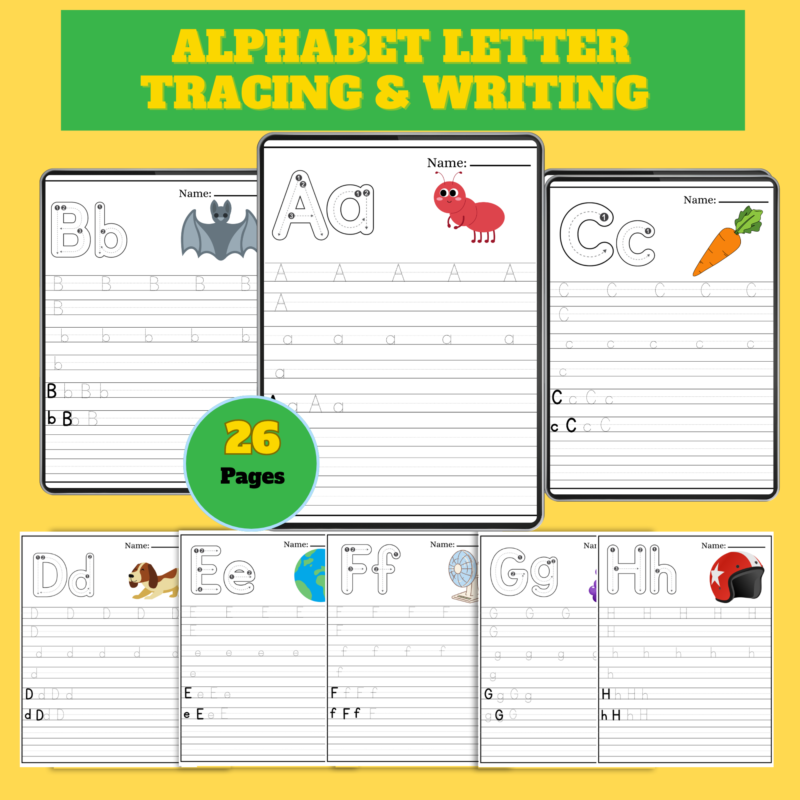
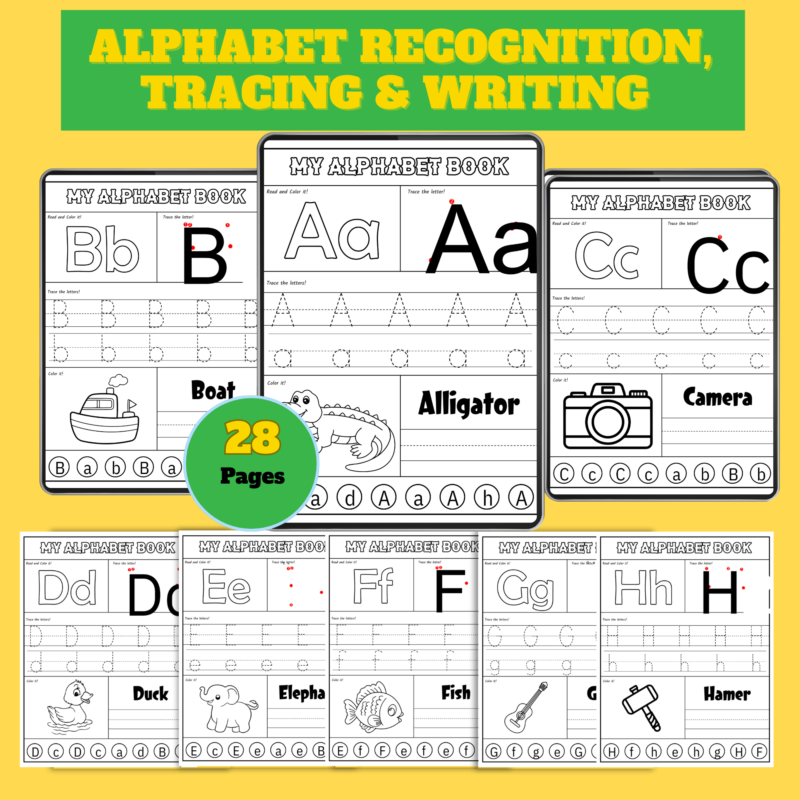
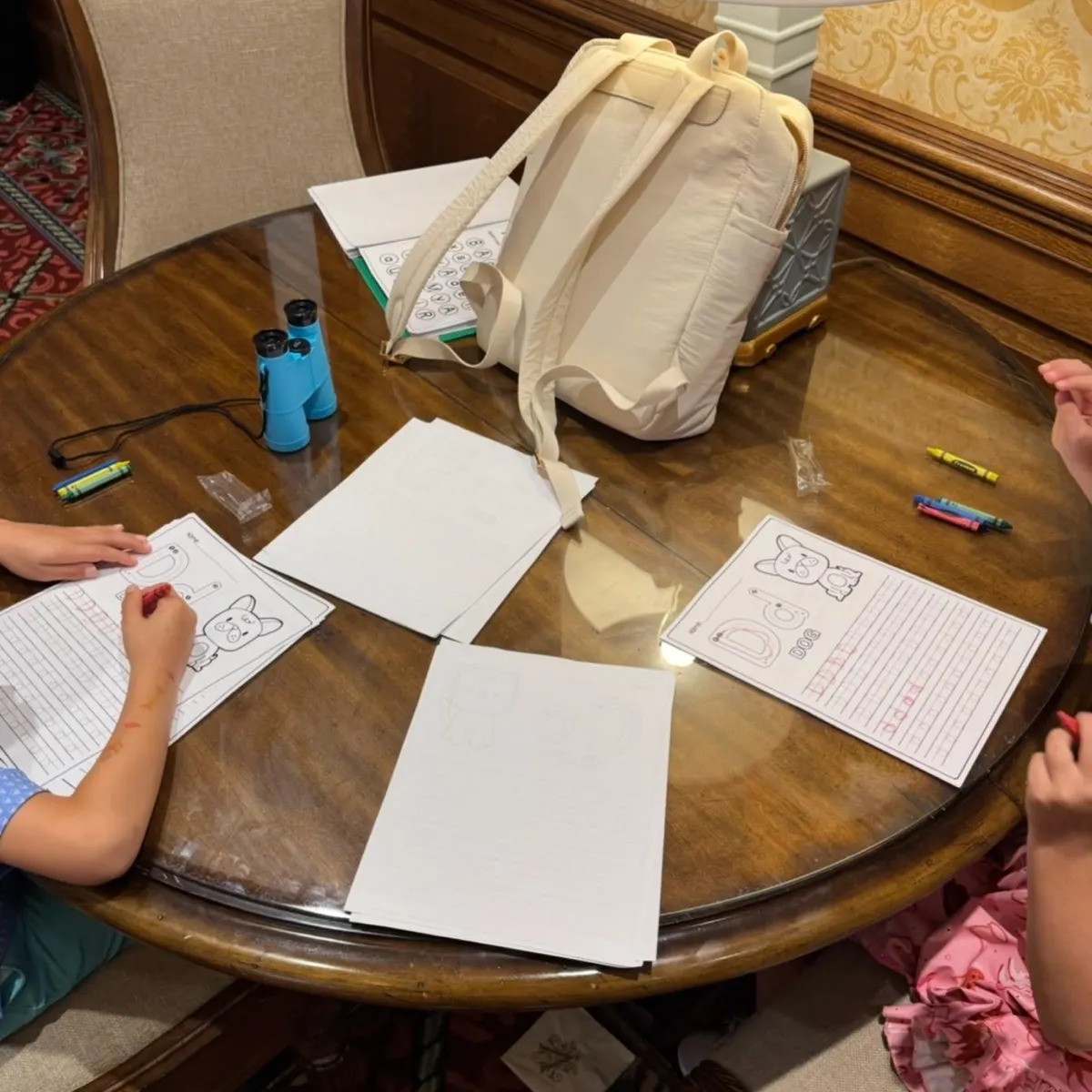
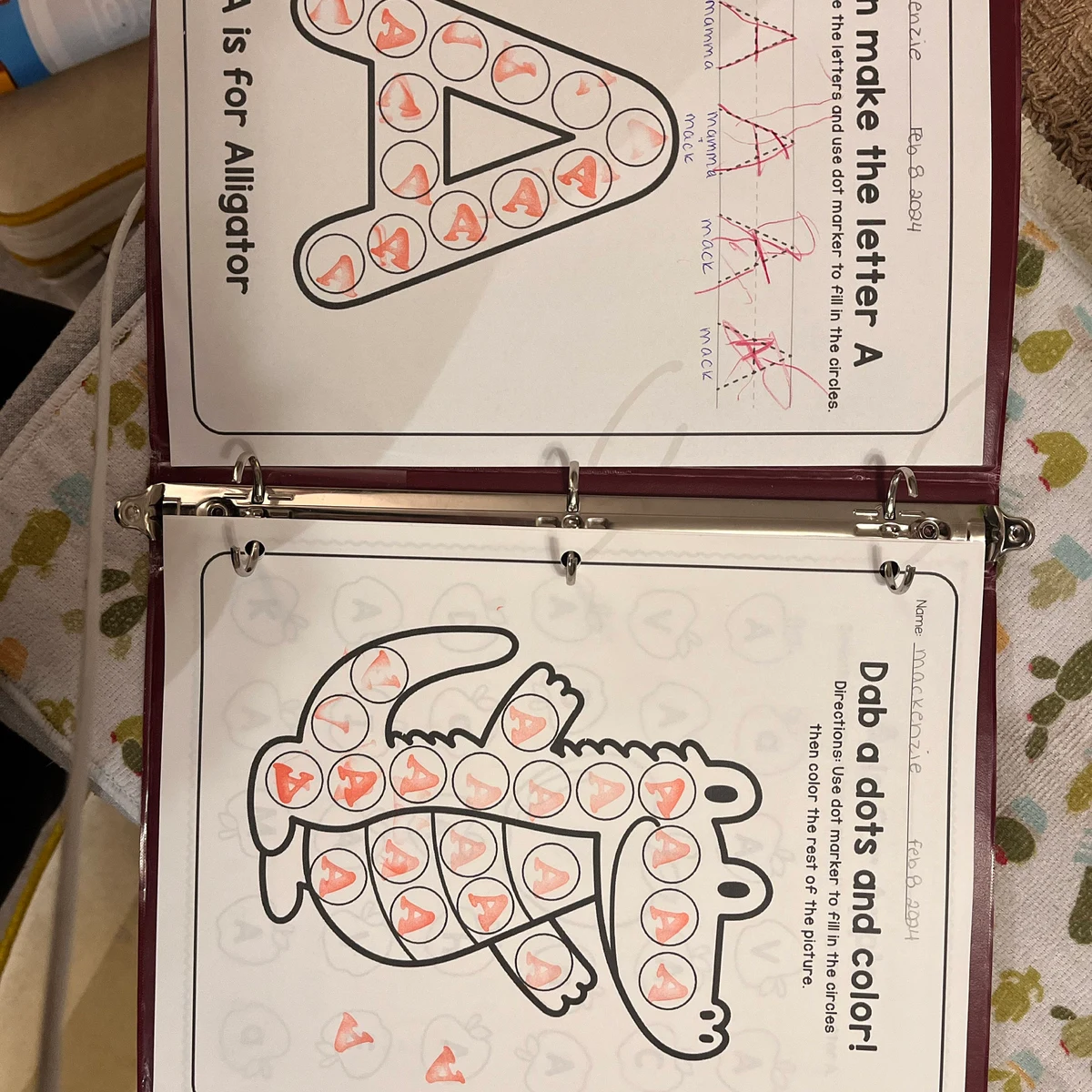
Use wide writing spaces at first. Tiny handwriting lines can be discouraging for young children who are still learning letter size and shape. As control improves, gradually introduce smaller spaces. Printable name tracing worksheets are especially useful because they provide repeated practice without requiring parents or teachers to create new materials each day.
Keep Practice Short and Positive
For most preschoolers, five minutes of focused handwriting practice is plenty. One name-writing page, a quick trace-and-copy activity, or signing a picture can be enough. Stopping while a child is still feeling successful is often smarter than pushing for one more row.
Try to build name writing into real routines instead of treating it as a separate chore. Children can sign their artwork, label a paper for a teacher, write the first letter of their name on a morning check-in, or add their name to a card for a grandparent. These small moments show why writing matters.
Praise effort with specific words. Rather than saying only “Good job,” try “You started at the top of the M,” “You remembered the letters in your name,” or “Your hand stayed on the line.” Specific feedback helps children understand what they did well and what to try again next time.
What to Do When a Child Reverses Letters
Letter reversals are common in the preschool years. Young children are still learning that the direction of a letter changes its identity. A backward S, J, or N is not a sign that a child is failing.
Calmly show the correct form, let the child trace it, and move on. Avoid erasing every imperfect attempt or asking for repeated corrections. Too much focus on mistakes can reduce willingness to write. Continued exposure, modeling, and brief practice are usually more useful than pressure.
Adapt for Different Learners and Settings
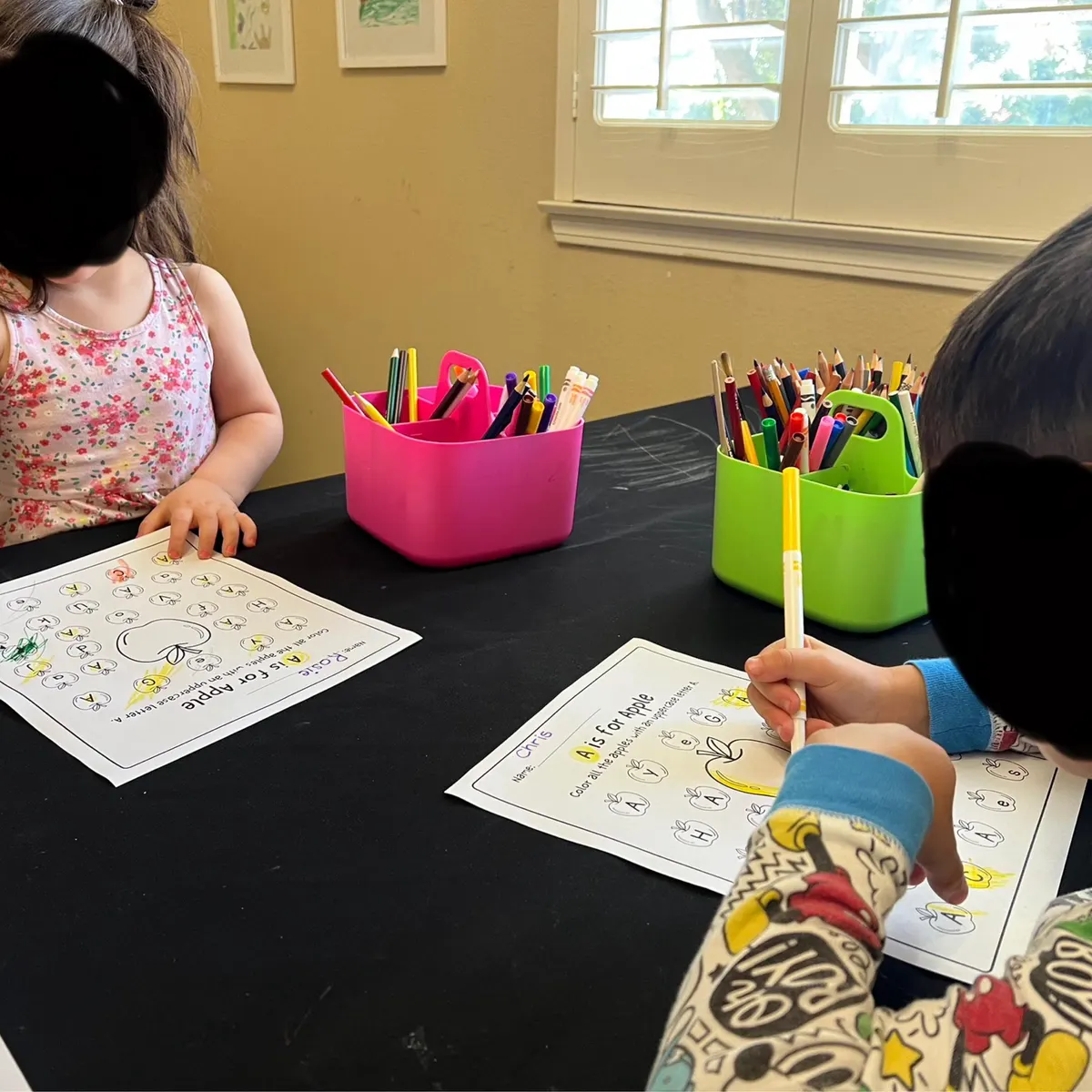
At home, name writing can be a cozy one-on-one activity after breakfast or before quiet time. In a classroom, name cards and individual practice sheets can support a writing center, morning work, or small-group instruction. Daycare providers may use simpler options, such as finding a name card or tracing the first letter, for younger preschoolers.
Some children benefit from extra sensory input. Try forming letters with play dough, tracing over raised glue lines once dry, or using a dry-erase sleeve over a name worksheet for repeatable practice. Others do better with fewer distractions and a plain paper page. It depends on the child, so notice what helps them stay engaged.
For children who struggle with fine motor tasks, reduce the demand while keeping the activity meaningful. Let them stamp the letters of their name, place stickers along letter paths, or trace just the first letter. A small successful step builds more learning than a full page that feels impossible.
Choose Practice Pages With a Clear Purpose
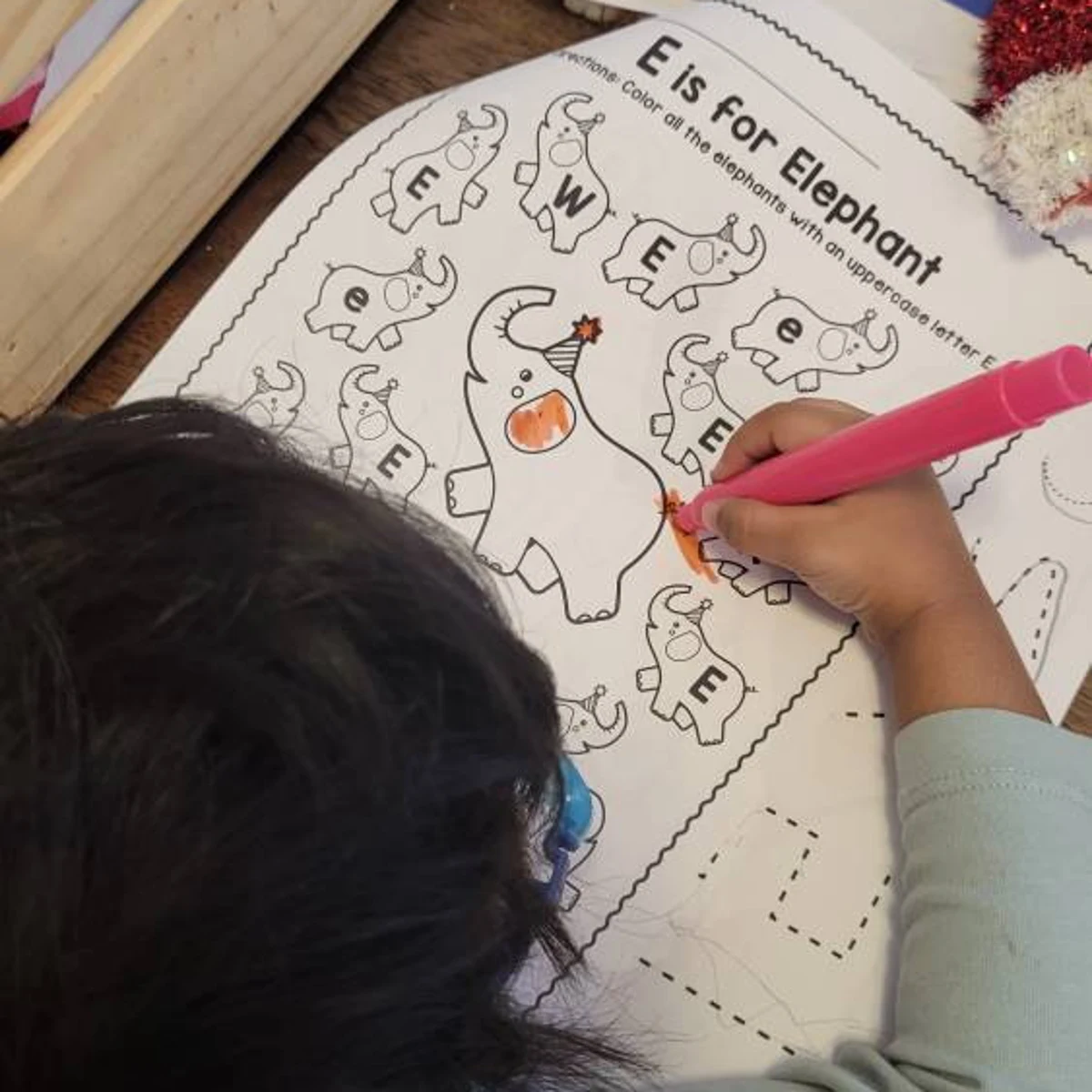
The best preschool name-writing materials are simple enough for children to understand at a glance. Look for large, readable letters, uncluttered pages, and a progression from tracing to copying to independent writing. A page with too many directions, pictures, or tiny lines can pull attention away from the skill you want to practice.
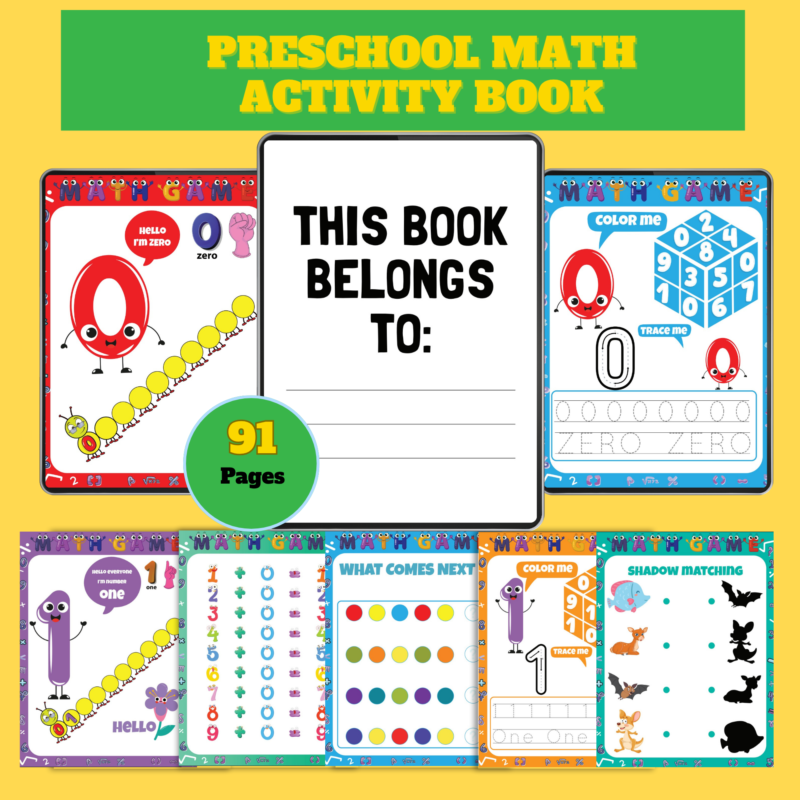
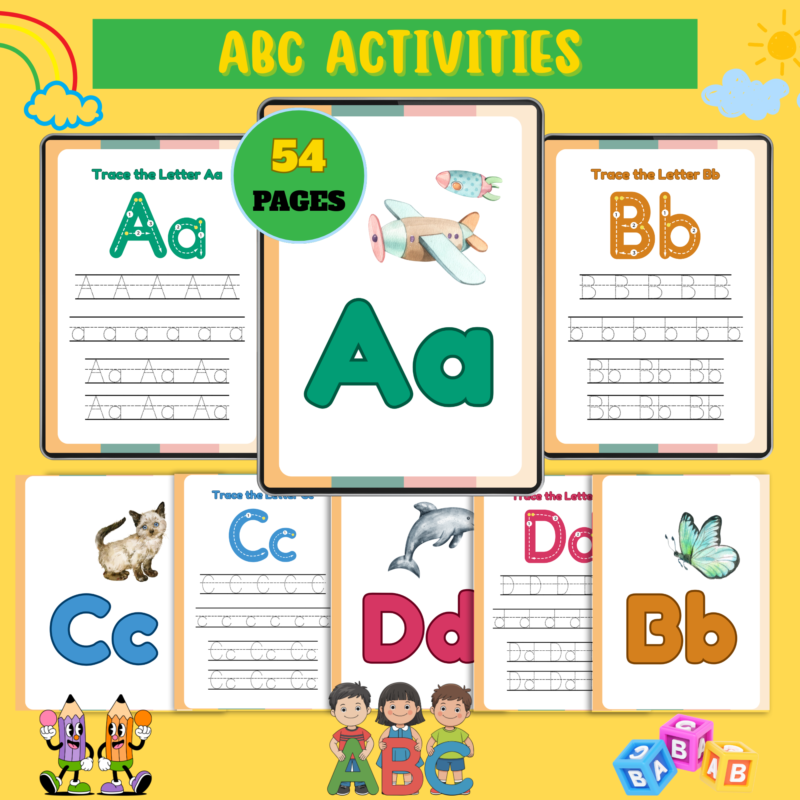
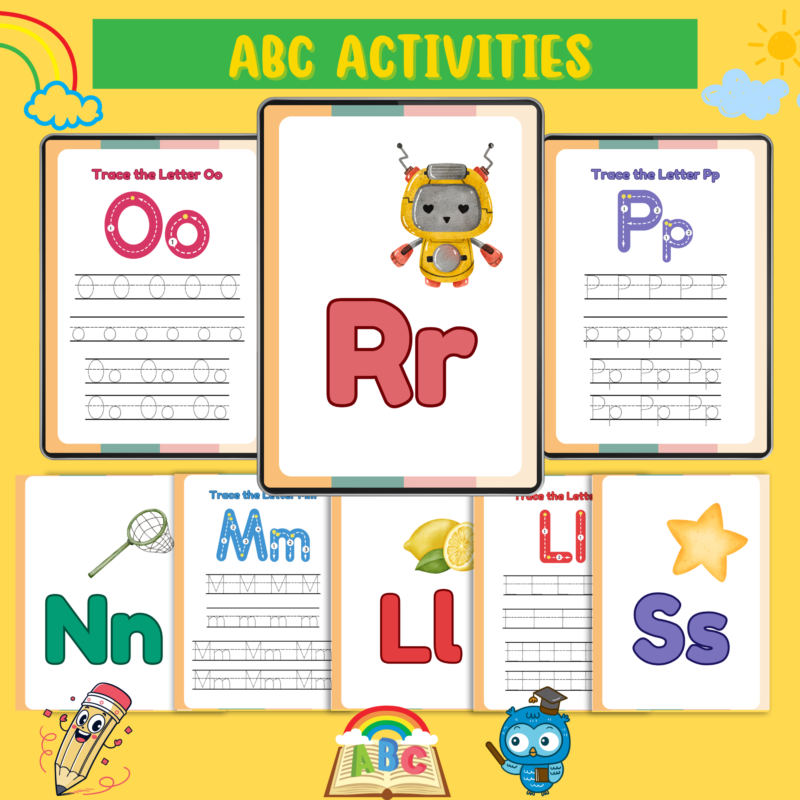
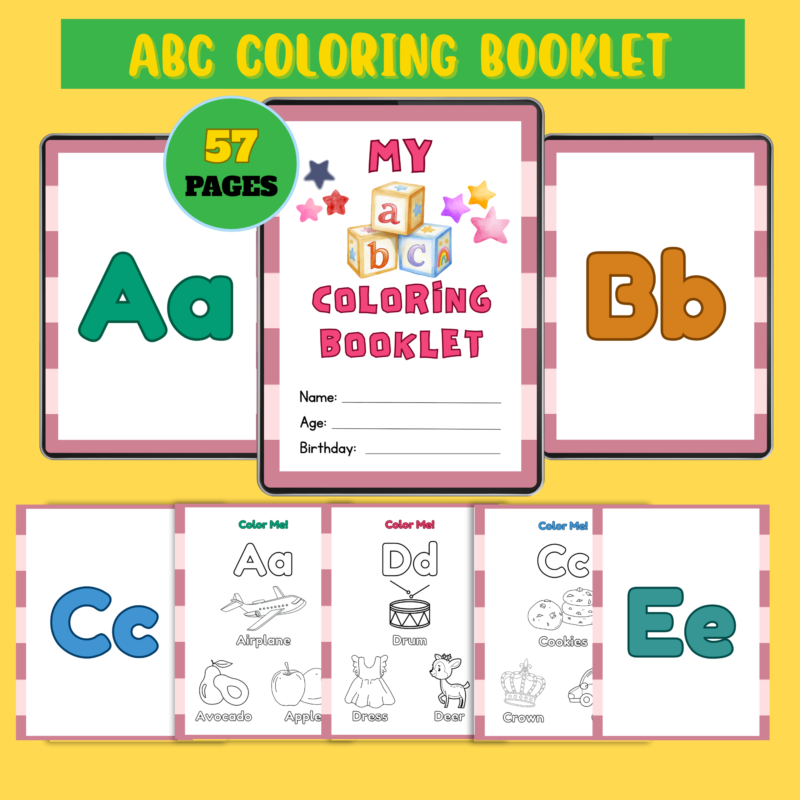
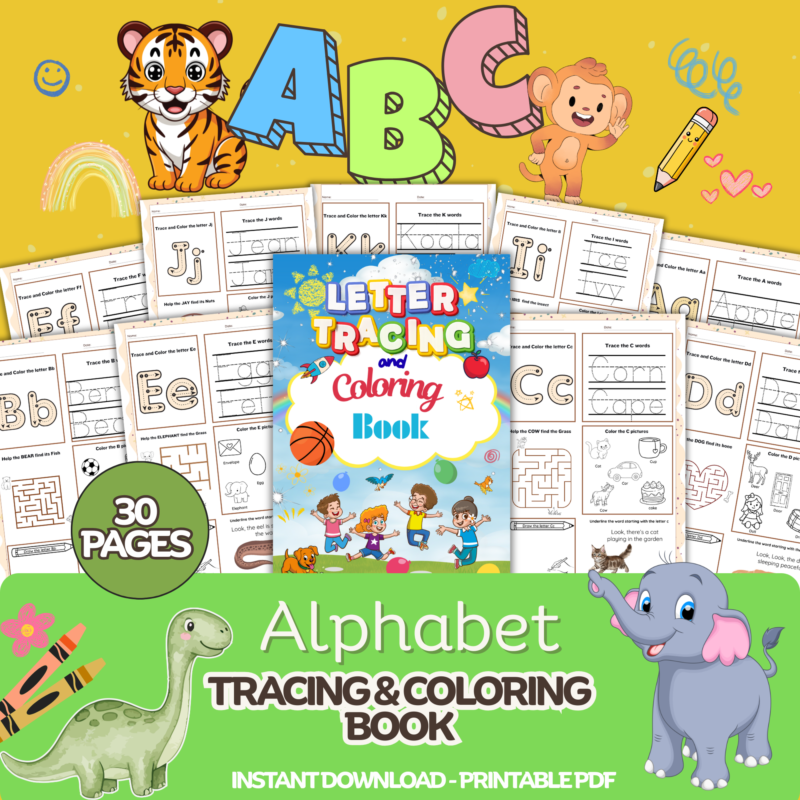
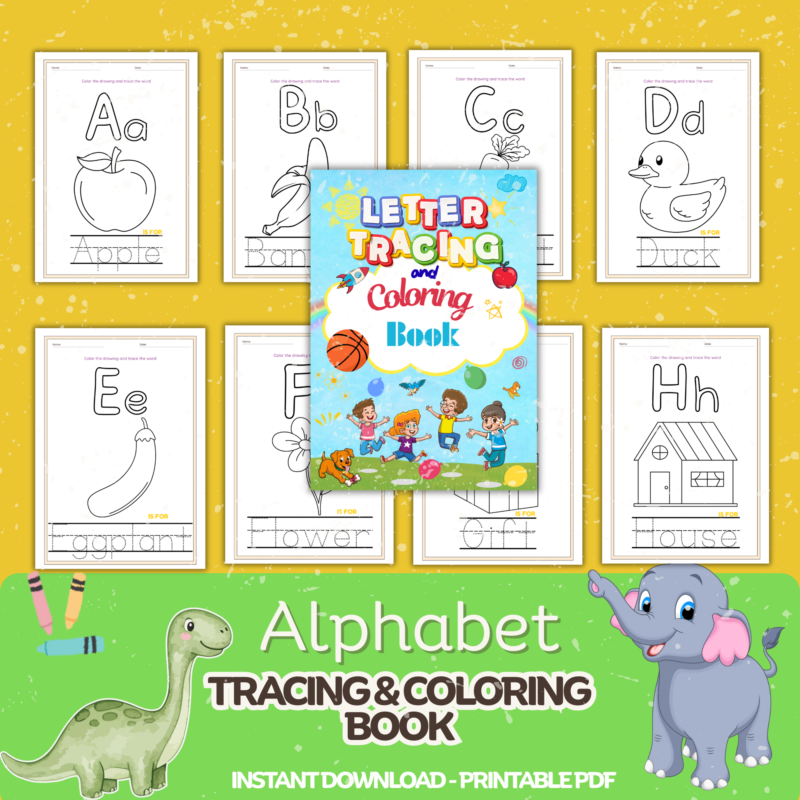
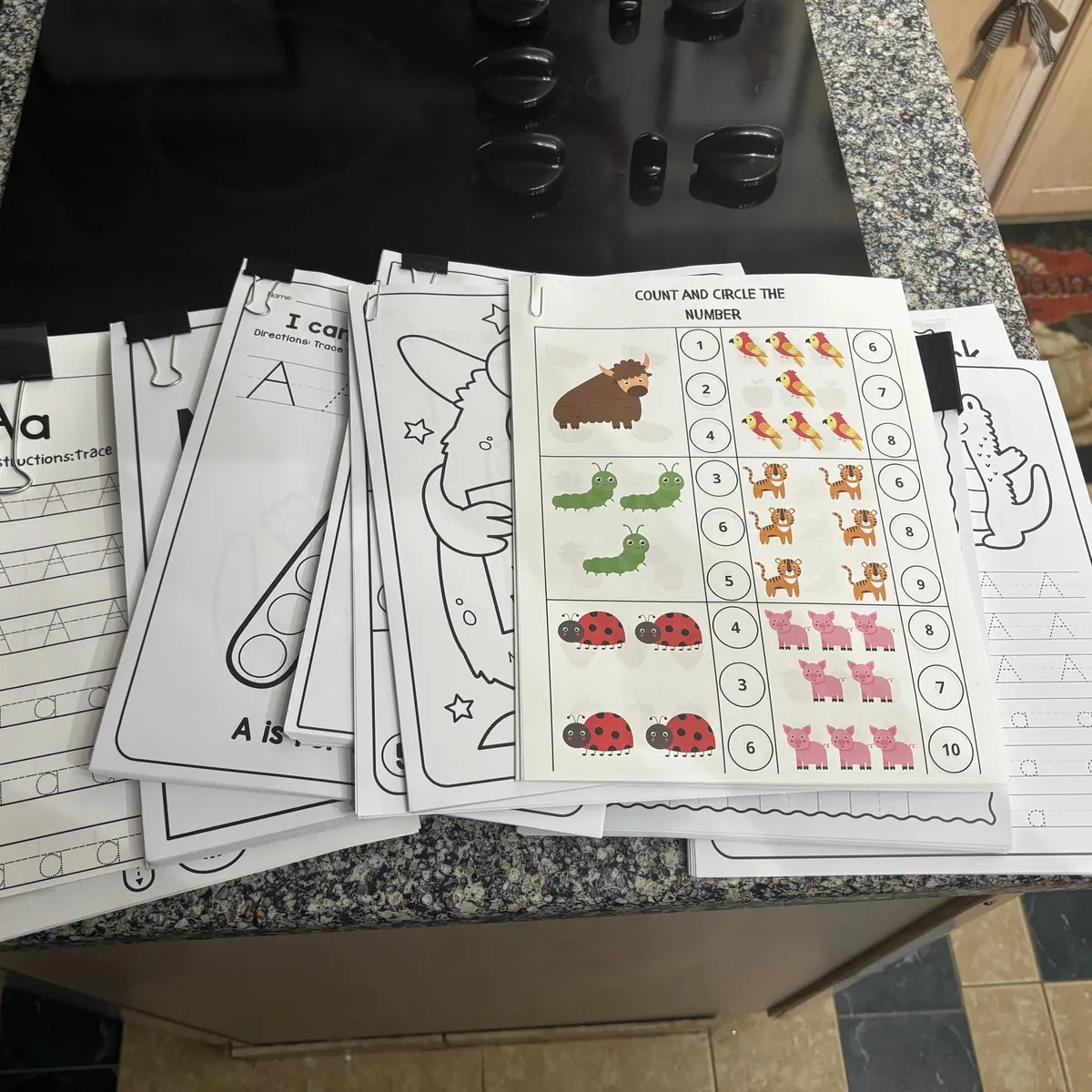
Fun Clever Fox printable handwriting activities can make this routine easy to repeat at home or in the classroom. Print a page when you need it, keep a few copies in a learning folder, and let children see their own progress over time. Repetition feels more motivating when the page is friendly, clear, and connected to a child’s own name.
Save early samples rather than throwing them away. Comparing a first shaky attempt with a later, more controlled name is a wonderful confidence boost for children and a useful record for adults. Progress may look small from one day to the next, but it becomes clear across several weeks.
A child does not need a perfectly formed signature to be proud of writing their name. Give them a model, a comfortable tool, a few minutes to practice, and plenty of encouragement. Soon, those familiar letters can become one of their favorite ways to say, “I made this.”