A child who can read the, and, or said in a favorite book gets an immediate boost of confidence. The best kindergarten sight word games turn that exciting moment into a regular part of learning. Instead of asking children to memorize a long word list, these playful activities help them notice, say, read, and use high-frequency words again and again.
For kindergarten learners, short and cheerful practice works best. A five-minute game at the kitchen table, reading center, or small-group station can be more effective than a long lesson that leaves children frustrated. The goal is not to rush through every word. It is to help children recognize familiar words with growing ease so they can focus on the meaning of what they read.
What Makes a Sight Word Game Work?
A helpful sight word game gives children plenty of repetition without feeling repetitive. It should be simple enough to explain quickly, active enough to hold a kindergartener’s attention, and easy to adjust as skills grow.
Choose a small set of words at a time, usually three to five. Include words your child has seen in a book, a classroom sentence, or a recent worksheet. Start with common kindergarten words such as I, a, my, see, like, we, the, to, and you. Some children are ready for more words, while others benefit from staying with two or three until they feel comfortable. That is completely normal.
It also helps to pair sight word practice with phonics. Some high-frequency words can be sounded out, while others have tricky parts that children need to remember. Both kinds of practice matter. Games should build word recognition, but they should not replace reading aloud, letter-sound practice, or meaningful conversations about books.
10 Best Kindergarten Sight Word Games for Easy Practice
1. Sight Word Bingo
Bingo is a classroom favorite because children understand it quickly and can play it many times. Write sight words in the squares of a simple bingo board. Call out a word, show a word card, or use the word in a sentence and ask children to find it.
For a little extra reading practice, have the child read each word aloud before covering it with a counter. Use cereal pieces, buttons, or small paper squares as markers. At home, a four-square board keeps the game quick. In a classroom, larger boards make a fun small-group activity.
2. Word Hunt Around the Room
Tape sight word cards around a room at child height. Give your learner a matching checklist, clipboard, or basket, then invite them to find each word. Every time they spot one, they say it aloud and mark it off.
This game is especially useful for children who need to move while learning. To make it easier, use only a few cards and keep them visible. To add challenge, hide the cards a little more carefully or ask children to find a word and use it in a sentence.
3. Roll, Read, and Cover
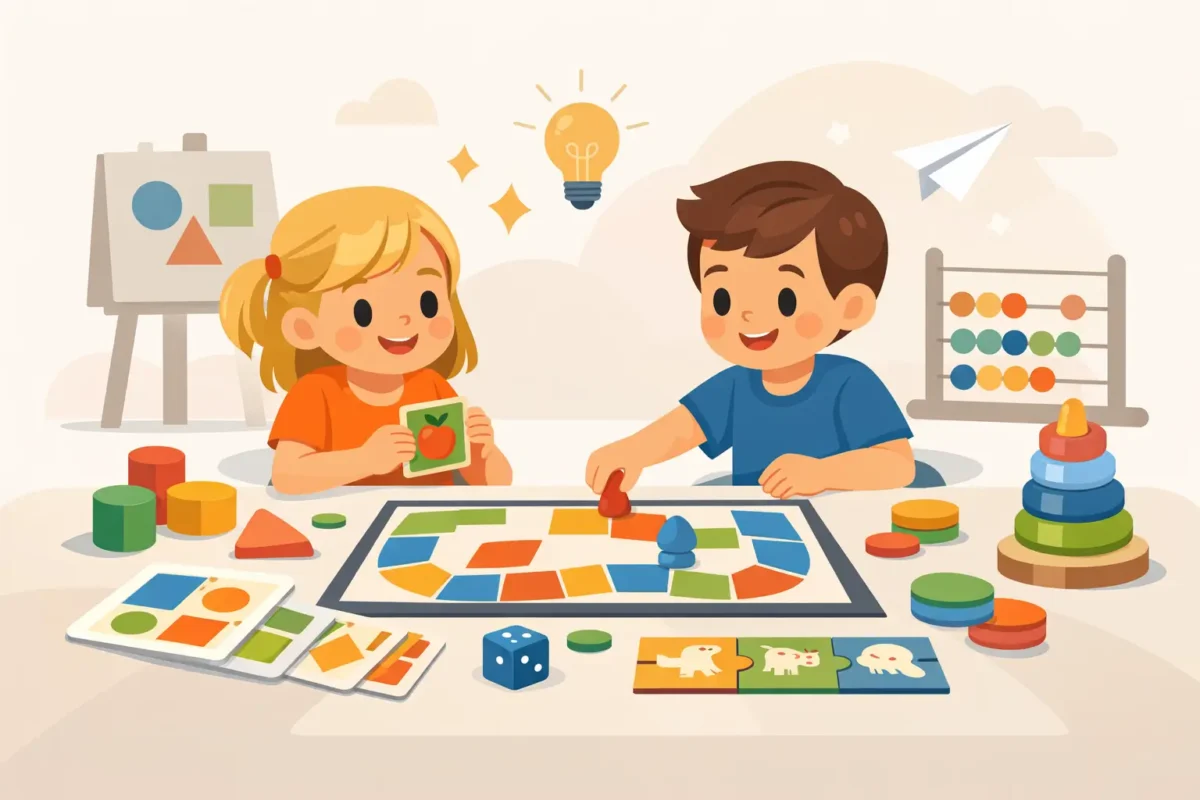
Create a grid with six sight words, then assign one word to each number on a die. A child rolls, reads the matching word, and covers it with a marker. The first player to cover all of their words wins.
This is a wonderful low-prep option for independent practice because the routine stays the same even when the words change. Printable game boards are especially handy here. Print a few versions, place them in a learning folder, and rotate them through the week for fresh practice without extra planning.
4. Sight Word Memory Match
Make two cards for each target word and place them face down. Players take turns turning over two cards, reading both words, and keeping a pair when the cards match.
Start with four to six pairs. A large pile can overwhelm young learners and make the game feel more like waiting than playing. For children who are still learning the words, place a word reference card nearby. Looking at the model is not cheating – it is a useful step toward independent recognition.
5. Build a Sentence
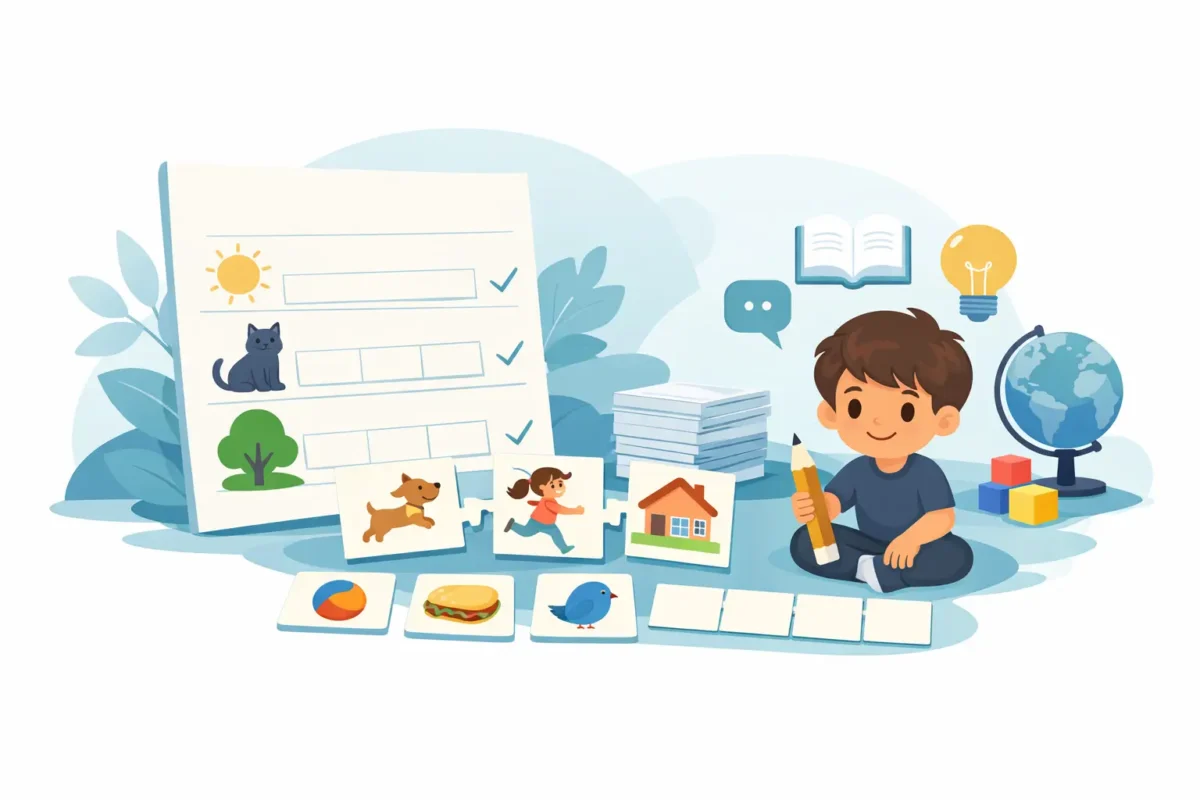
Write familiar sight words on small cards, then add simple picture cards or easy decodable words such as cat, dog, run, and sun. Invite children to arrange the cards into a sentence, read it aloud, and draw a picture to match.
Try sentences like “I see a cat” or “We like the sun.” This activity shows children that sight words are not just flashcards. They are useful words that help ideas fit together. It also supports early writing when children copy or write their finished sentence.
6. Swat the Word
Place word cards on a table, rug, or whiteboard. Say a sight word and let children gently swat the correct card with a fly swatter, pointer, or rolled-up paper. The fast response makes this game exciting, especially for energetic groups.
Keep the tone light. If a child chooses the wrong card, simply say the word together and try again. In a classroom, two children can take turns while the rest of the group reads along. At home, an adult can switch roles and let the child call out the word for a fun confidence boost.
7. Sight Word Parking Lot
Draw parking spaces on paper and write one sight word in each space. Label small toy cars with matching words. Children read the word on a car and park it in the correct space.
This game is ideal for children who love vehicles and hands-on play. It also builds fine motor control as little hands move and position the cars. If toy cars are not available, use small counters, crayons, or picture cutouts instead.
8. Rainbow Write and Read
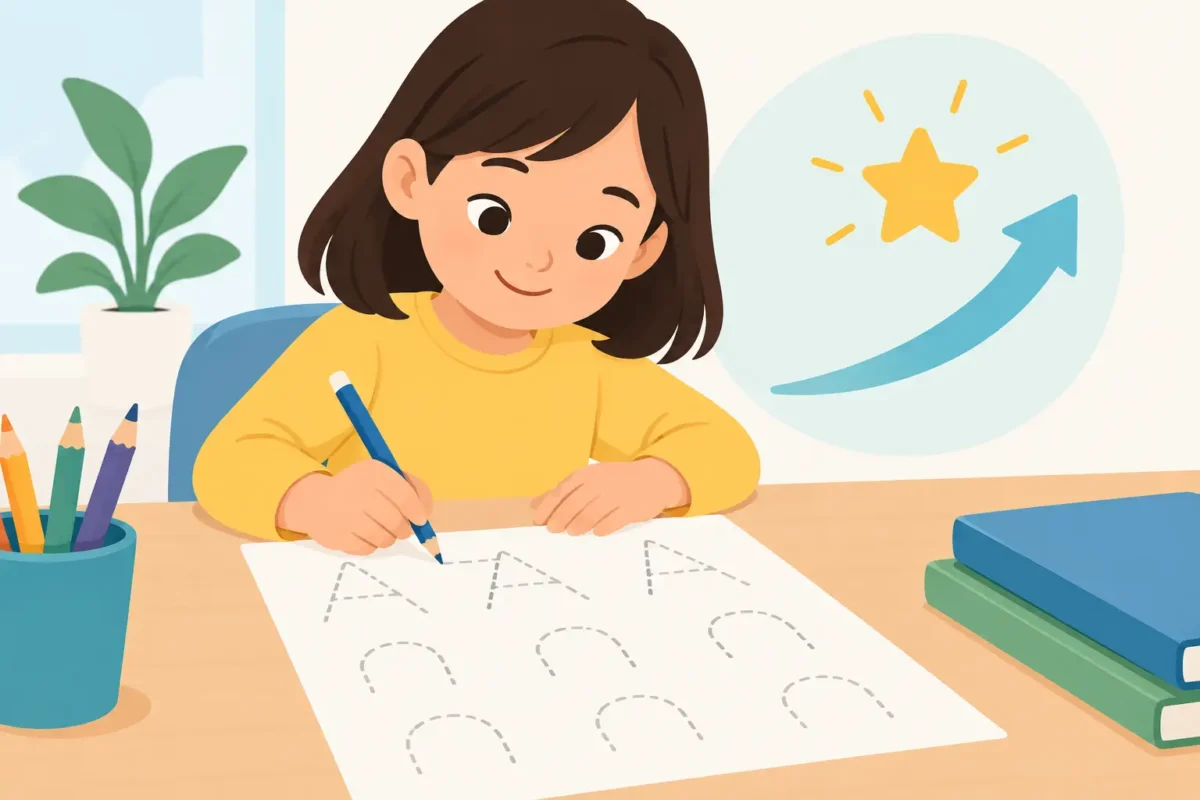
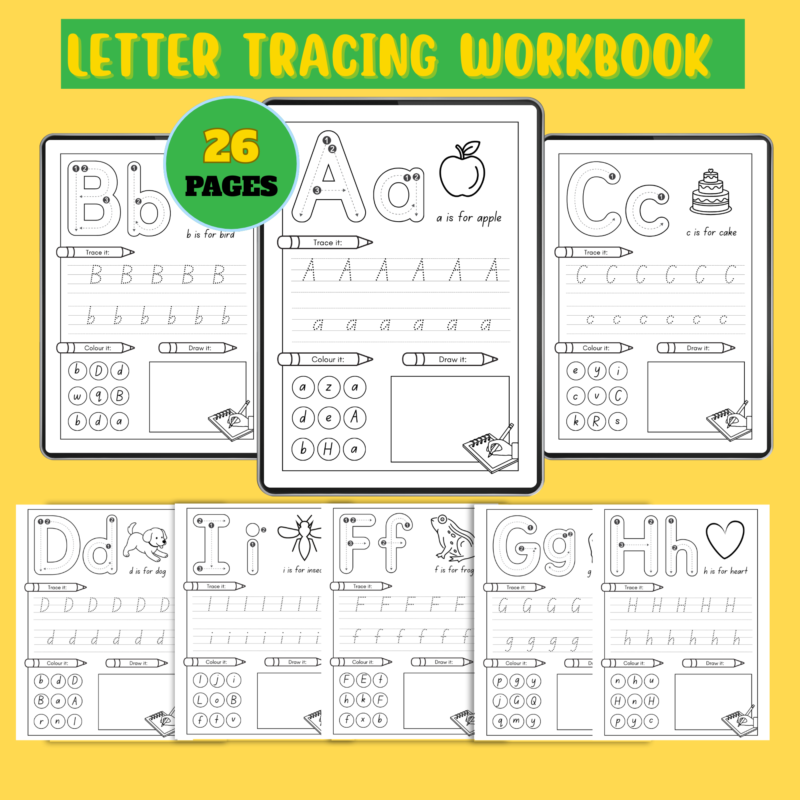
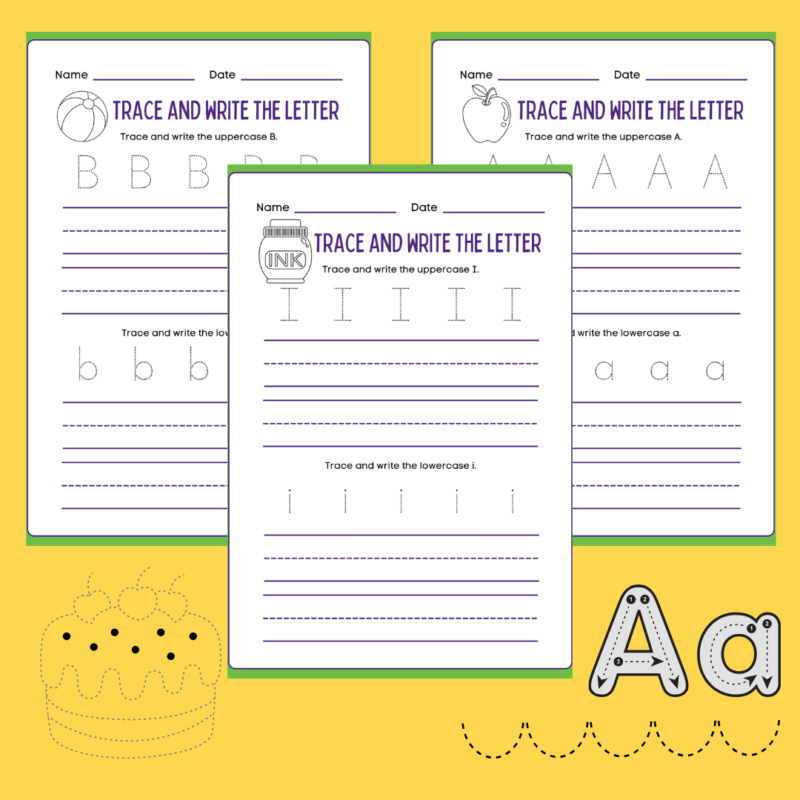
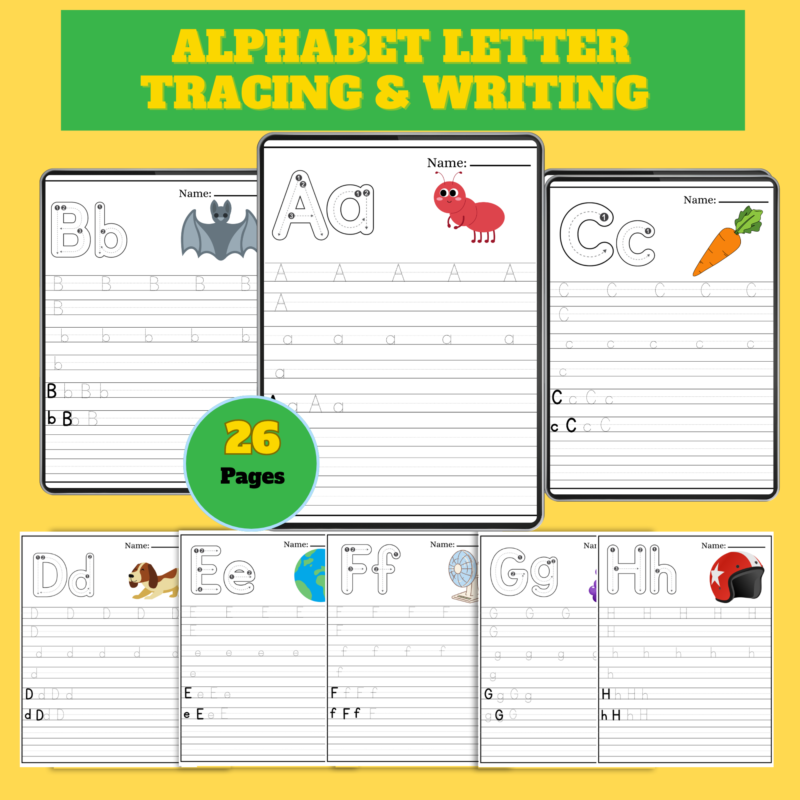
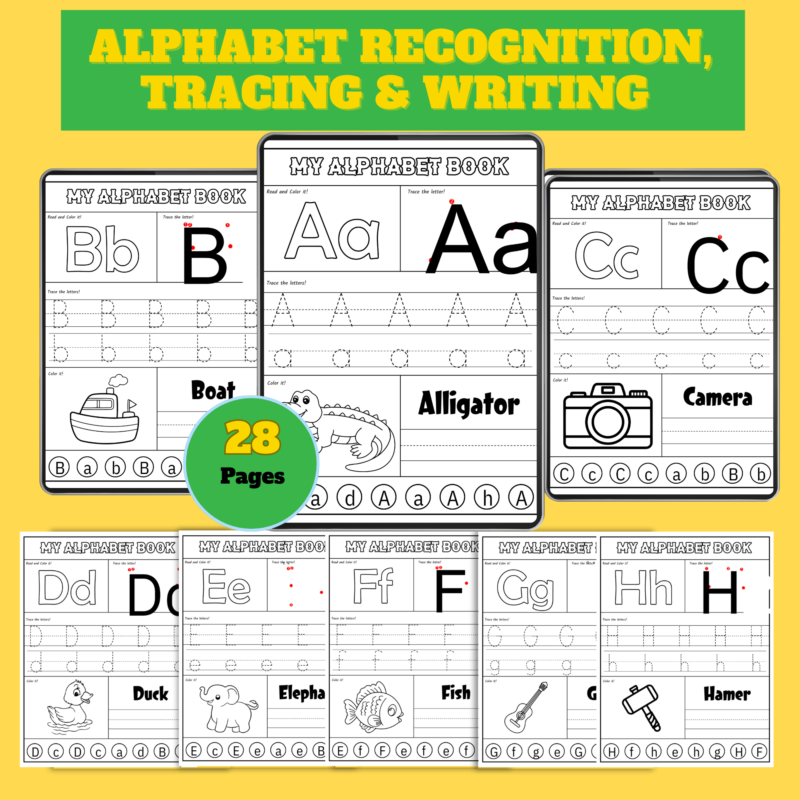
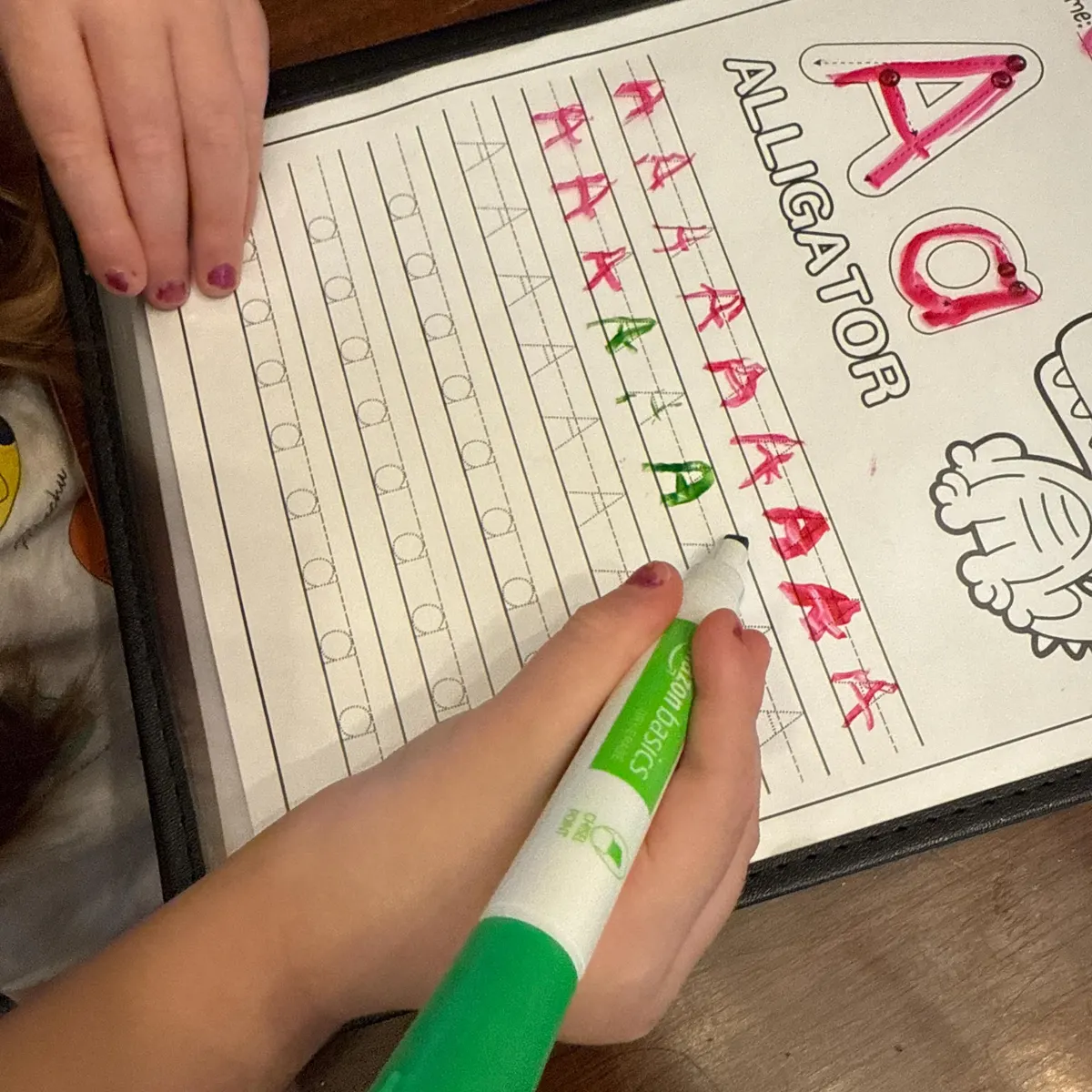
Choose one target word and have children trace or write it several times using different crayon colors. Each time they write the word, they say the letters and then read the whole word.
This is calmer than an active game, making it a good choice after recess, before quiet time, or when a child needs to slow down. It is also a useful bridge between reading and handwriting. For best results, use wide writing lines and avoid asking for too many repetitions at once.
9. Feed the Puppet
A simple puppet, paper bag character, or decorated box can become a hungry sight word helper. Spread word cards on the table. When the puppet asks for a word, children find it, read it, and “feed” it to the character.
The silly setup can make hesitant readers more willing to participate. Ask the puppet to request only words the child has practiced recently, then celebrate each successful choice. A puppet can also make review feel less like a test, which matters for children who are still building confidence.
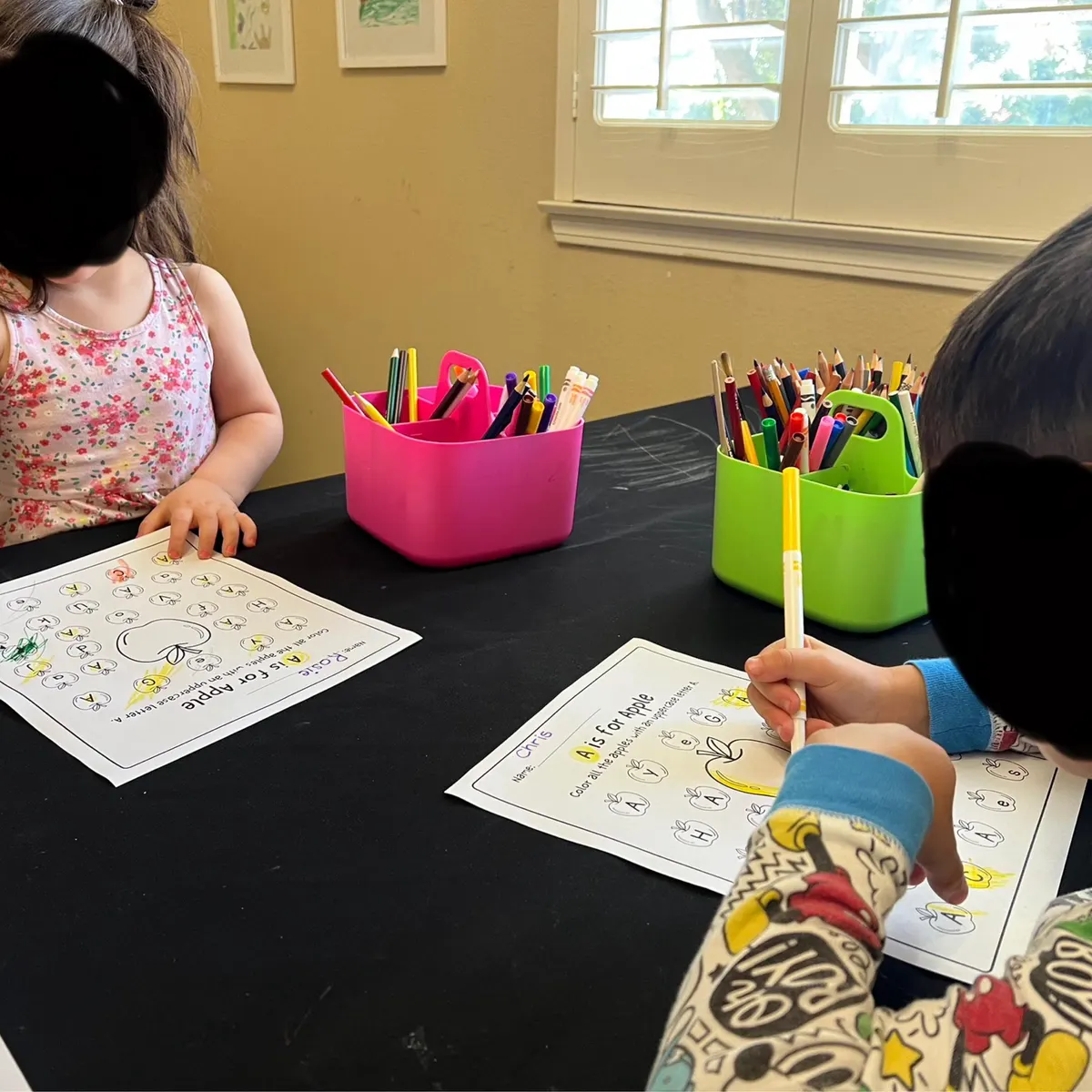
10. Read, Find, and Color
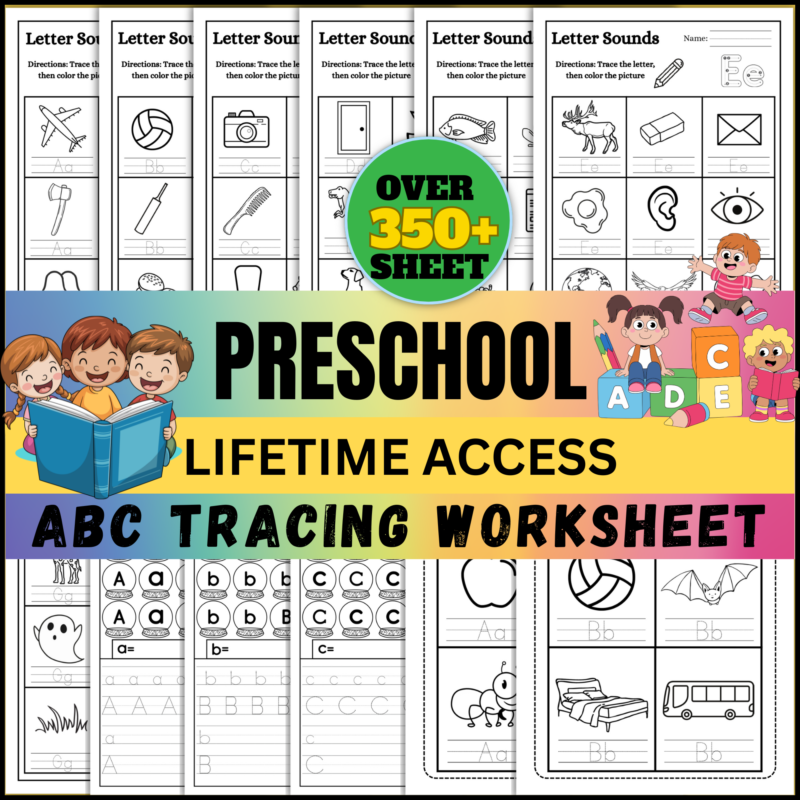
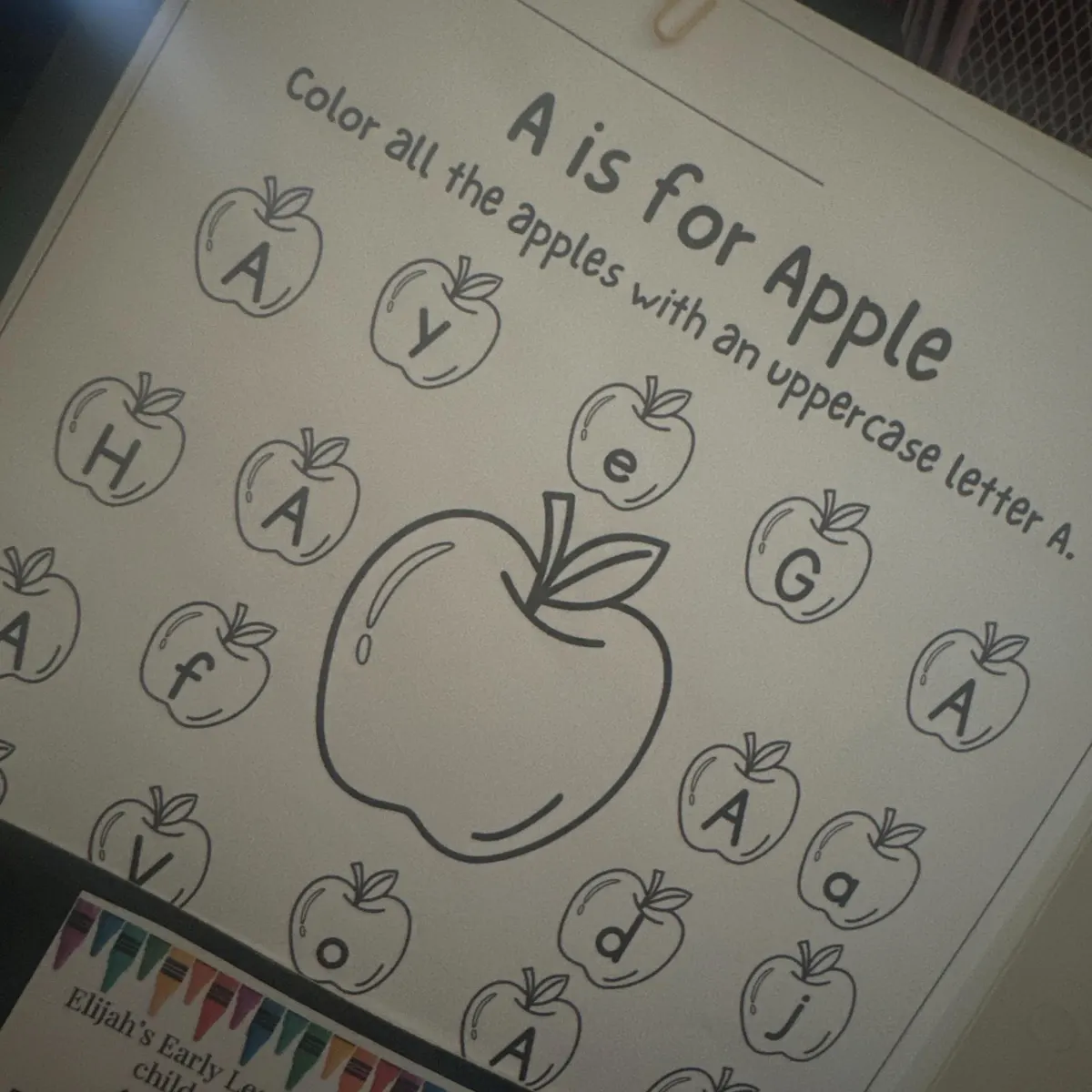
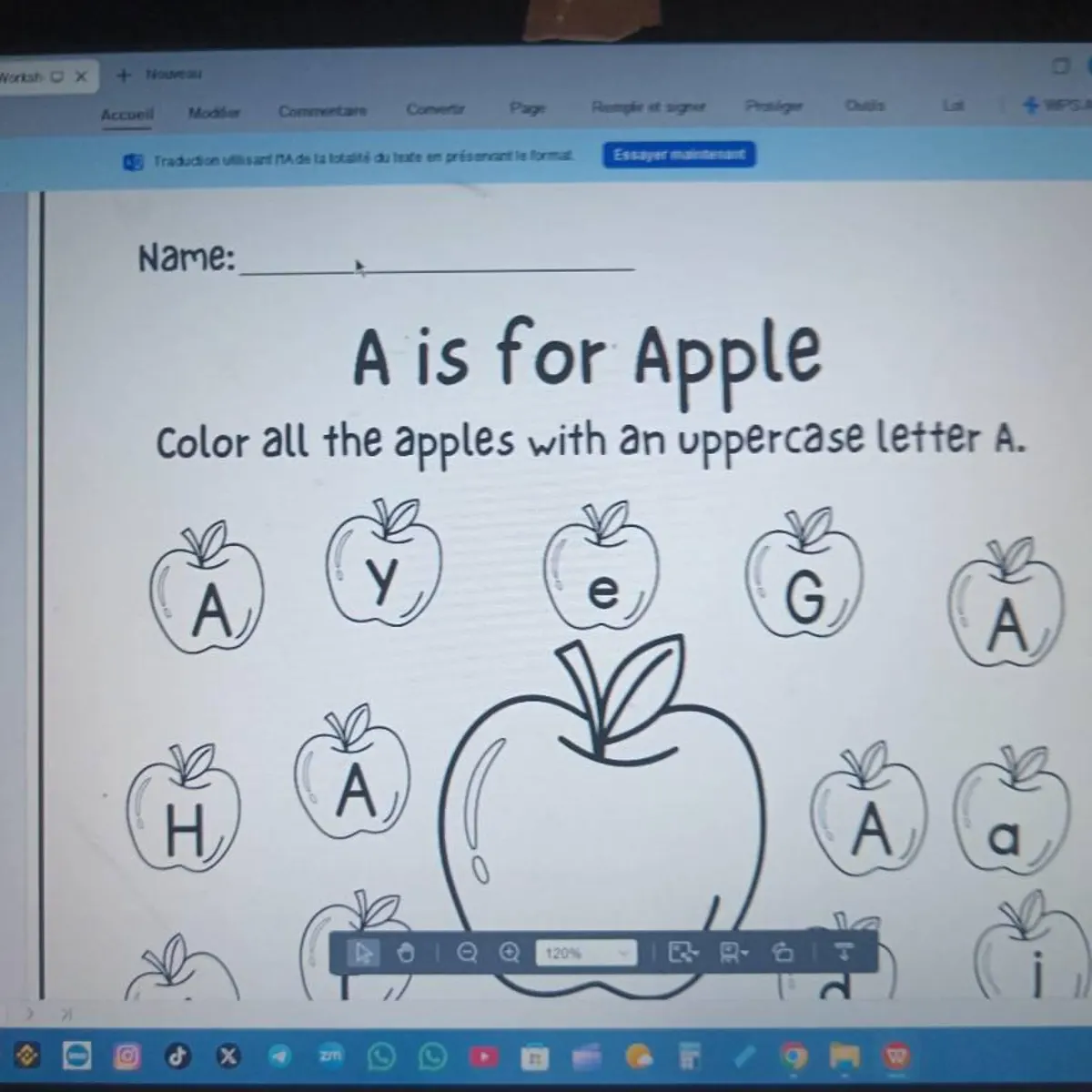
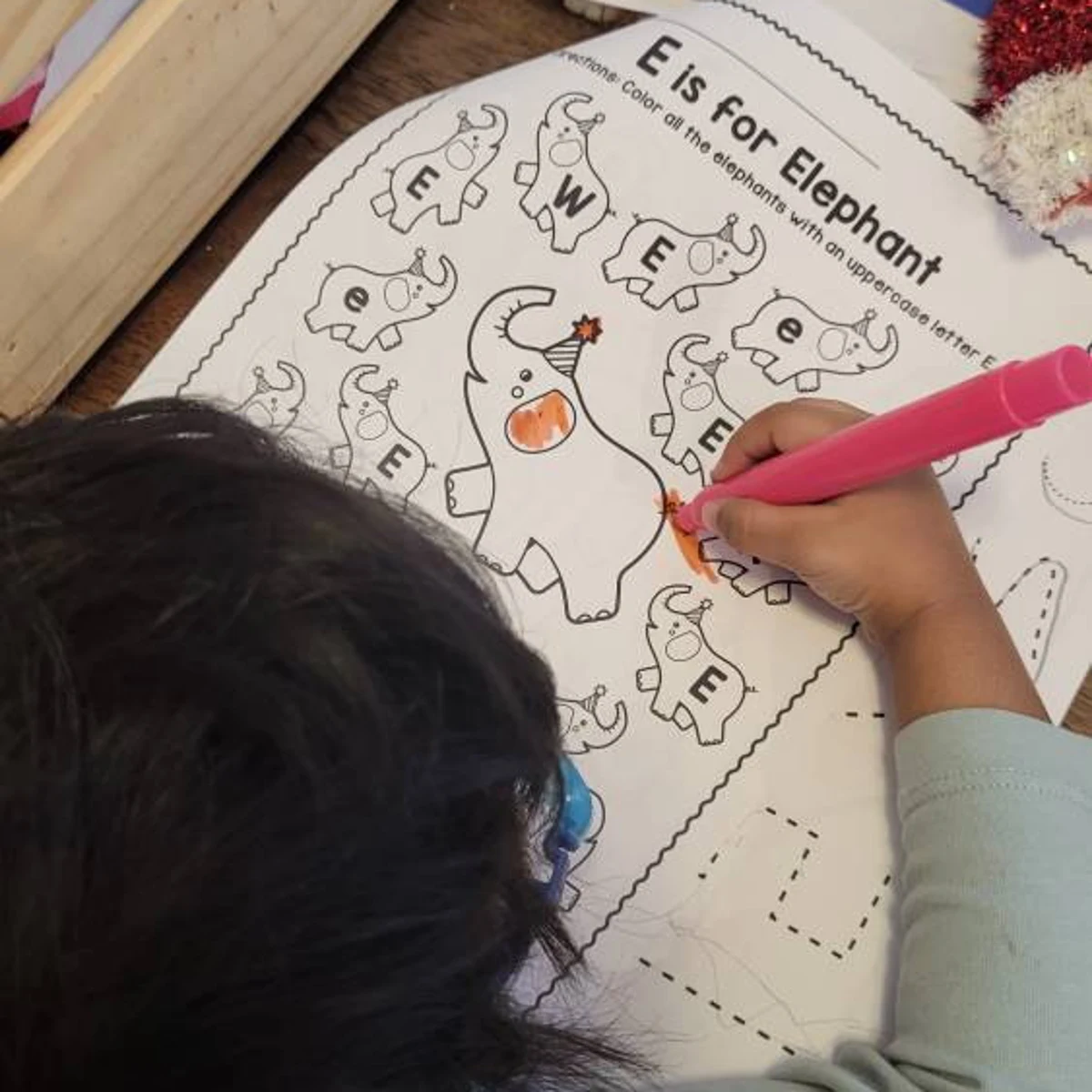
Give children a page with several sight words repeated in different places. Call out one word or show a word card, and have them find and color every matching word. You can also ask them to use a different color for each target word.
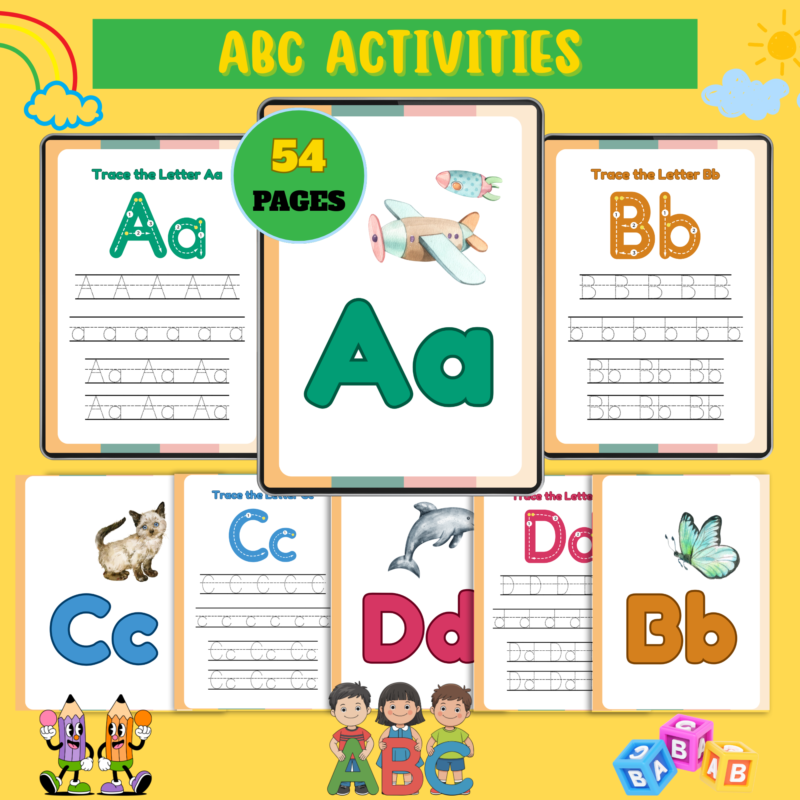
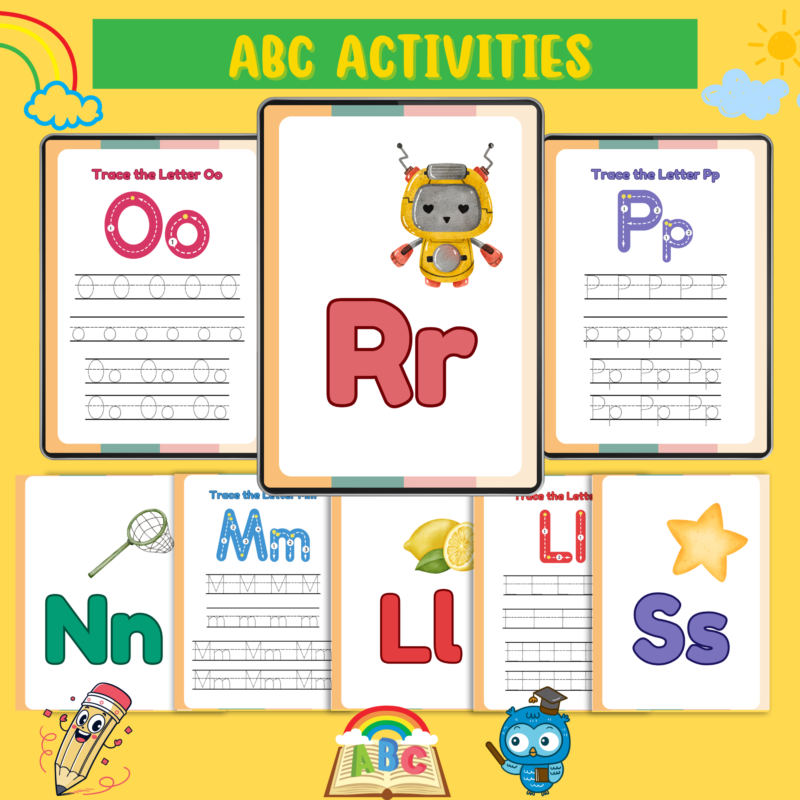
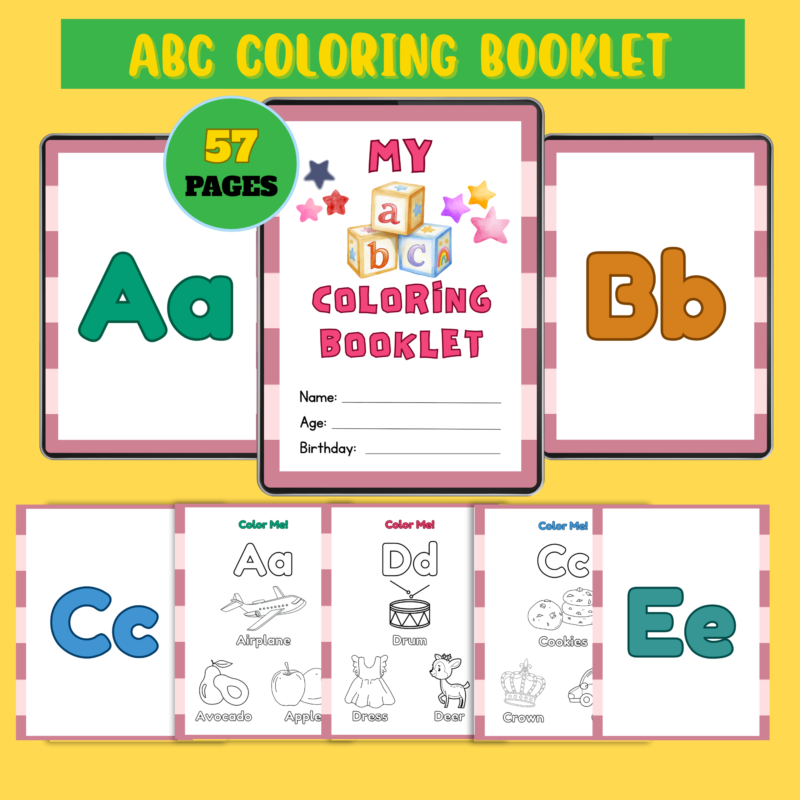
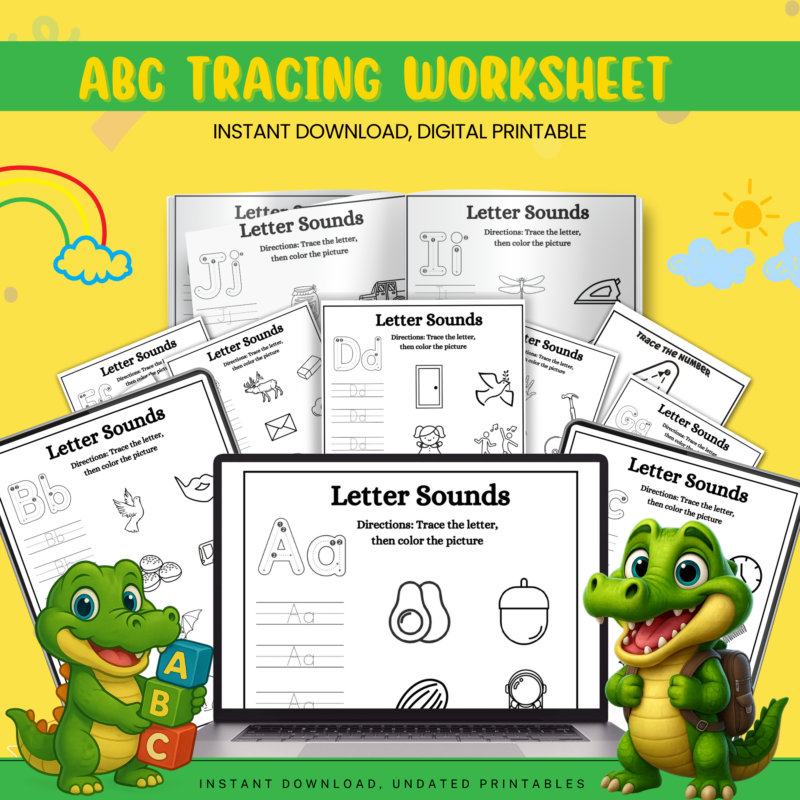
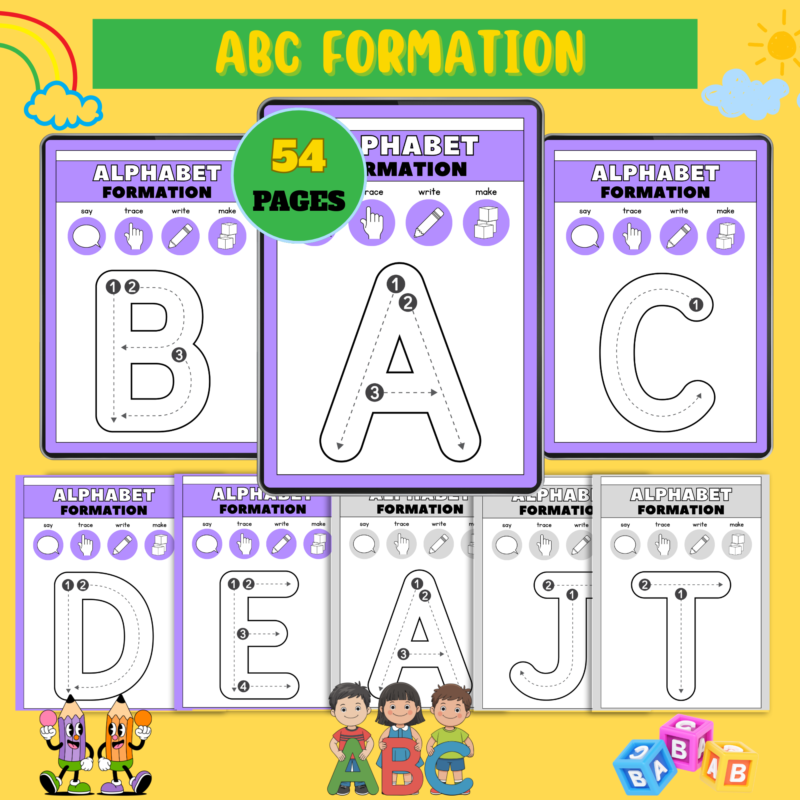
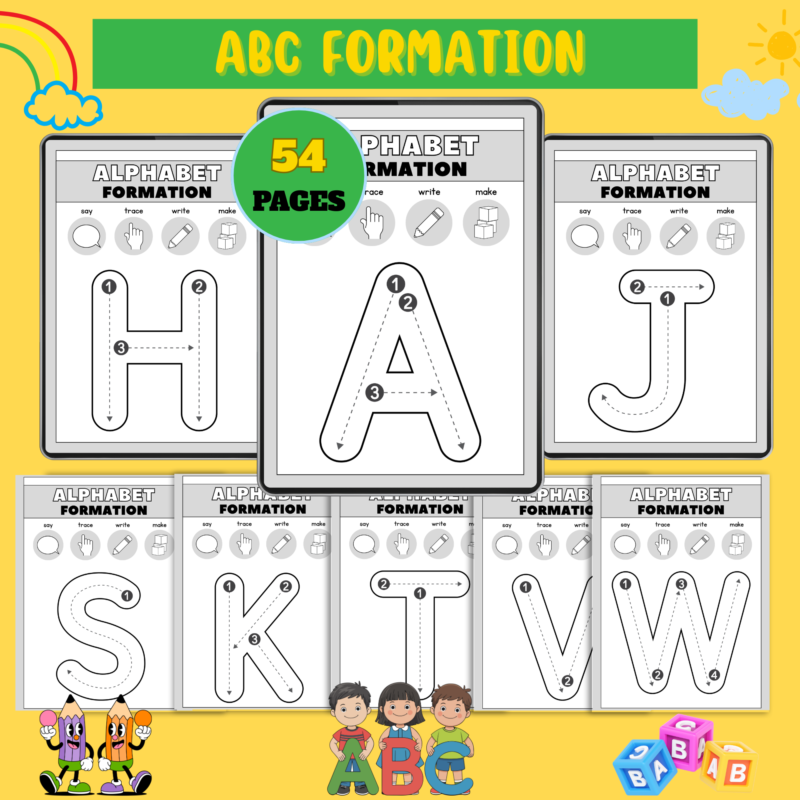
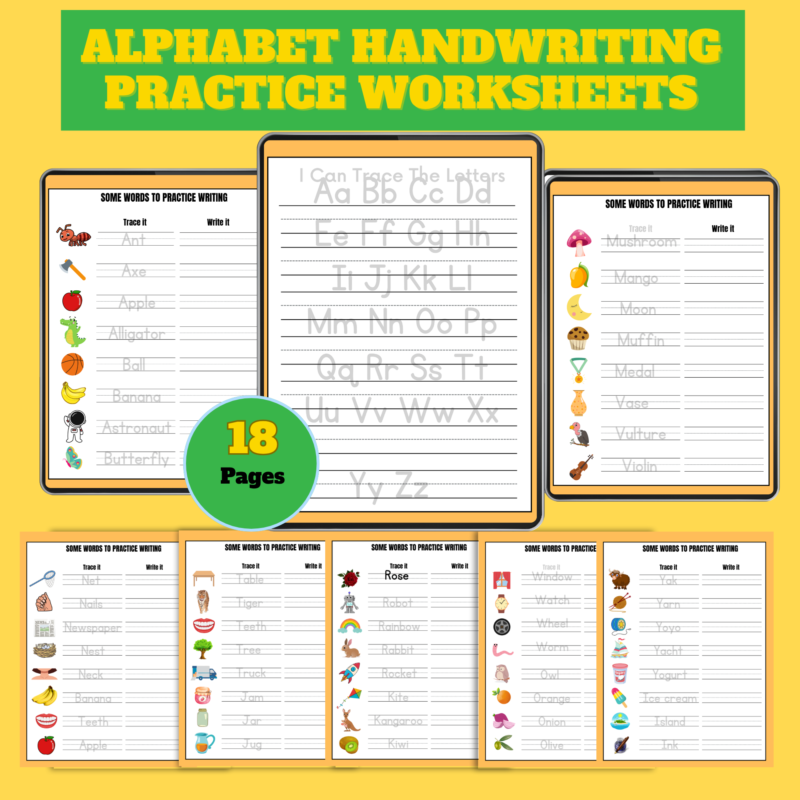
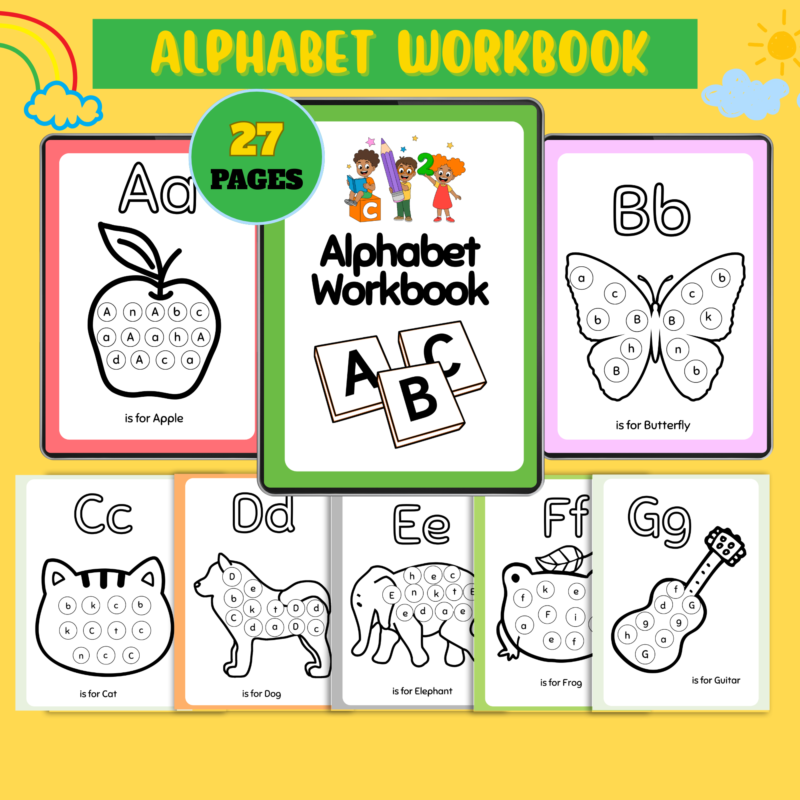
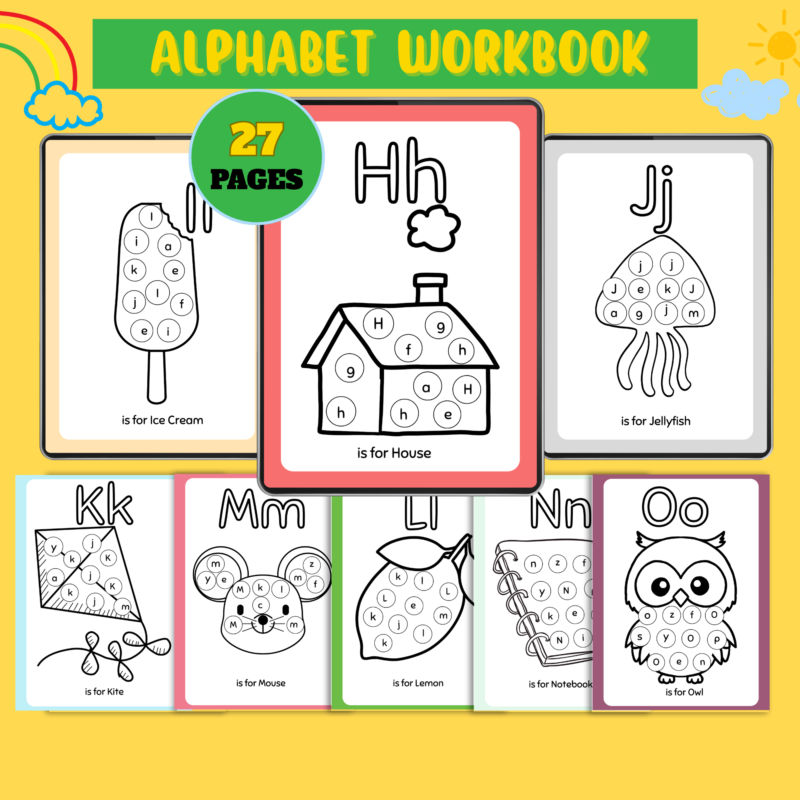
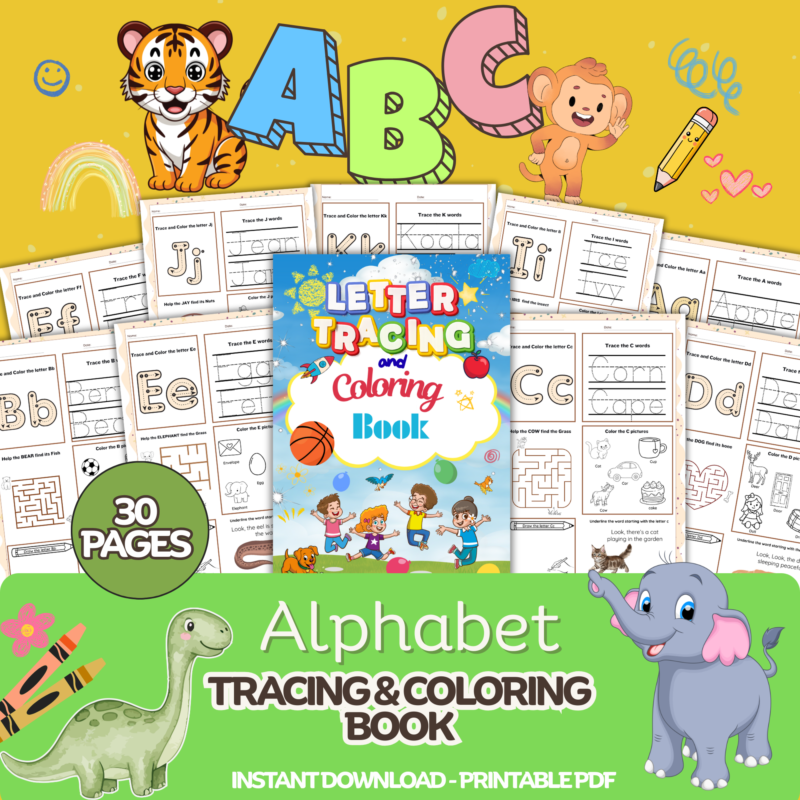
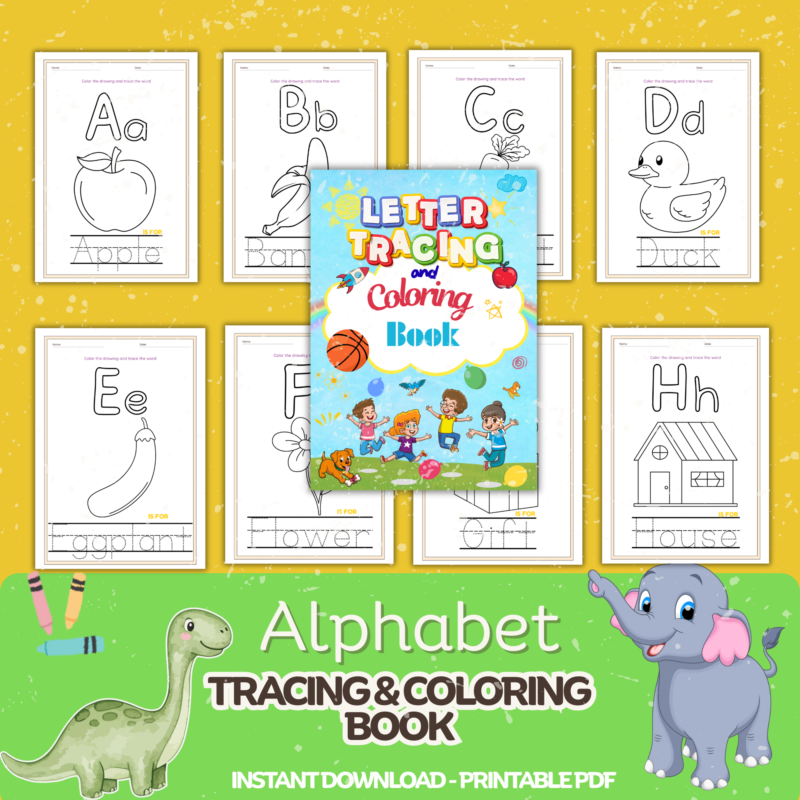
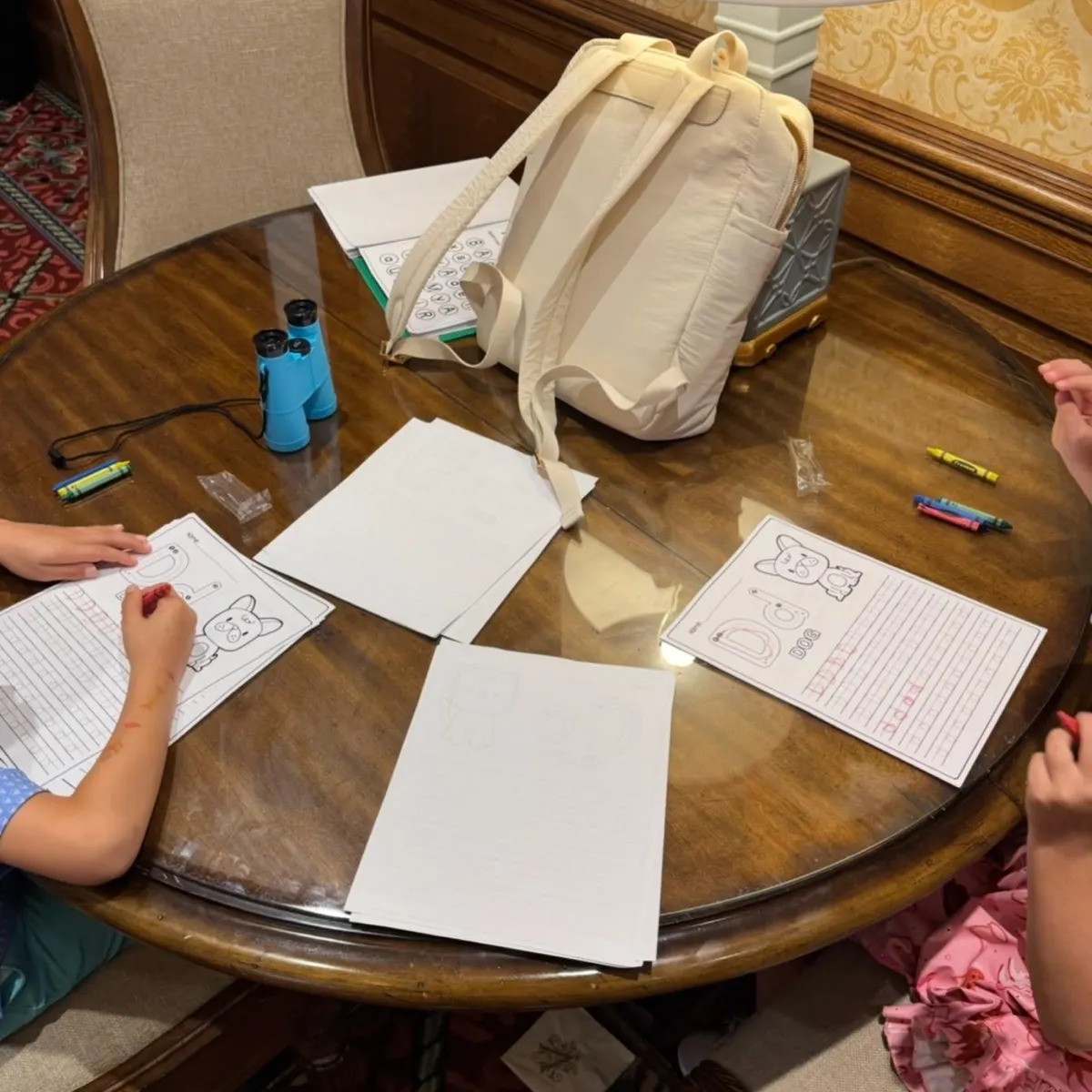
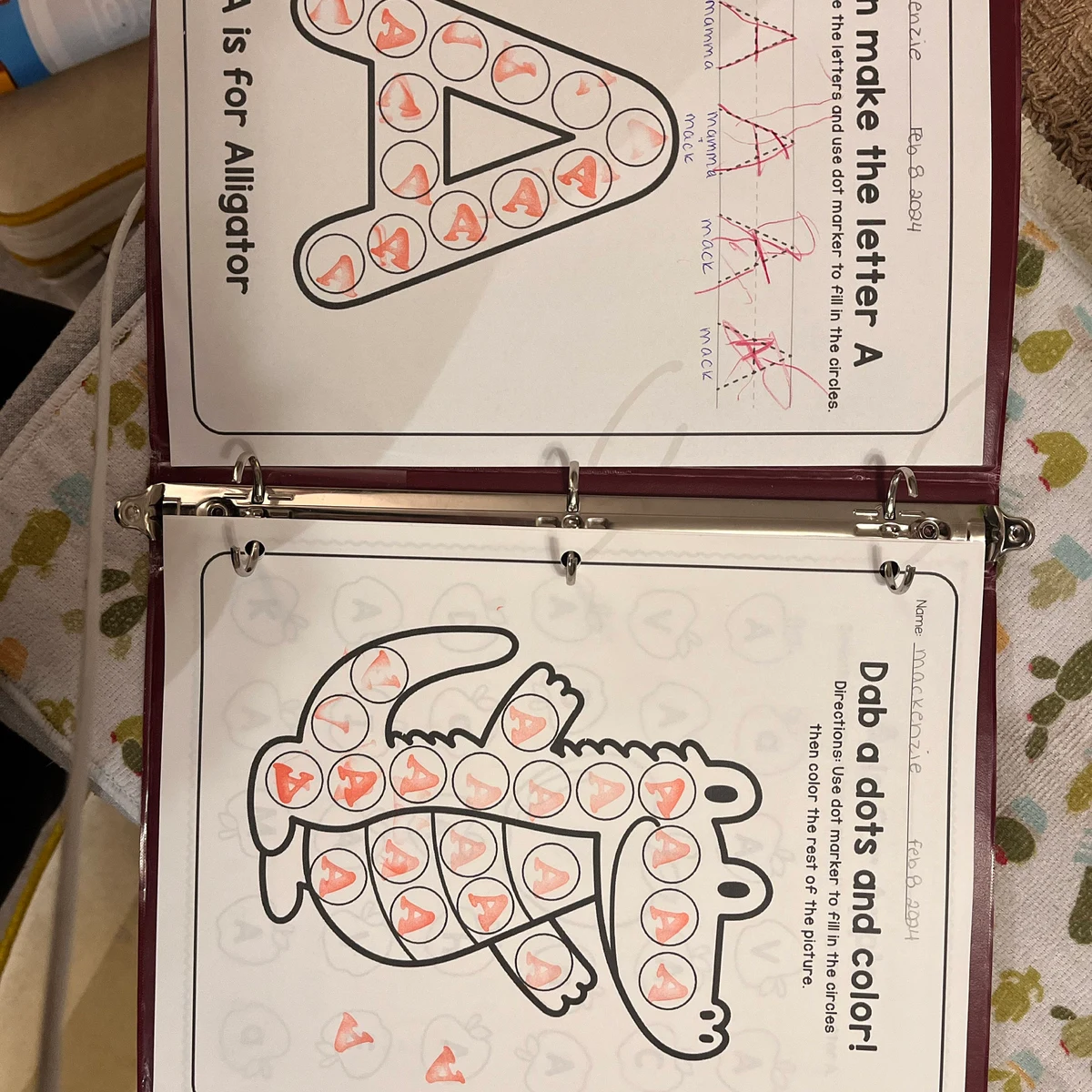
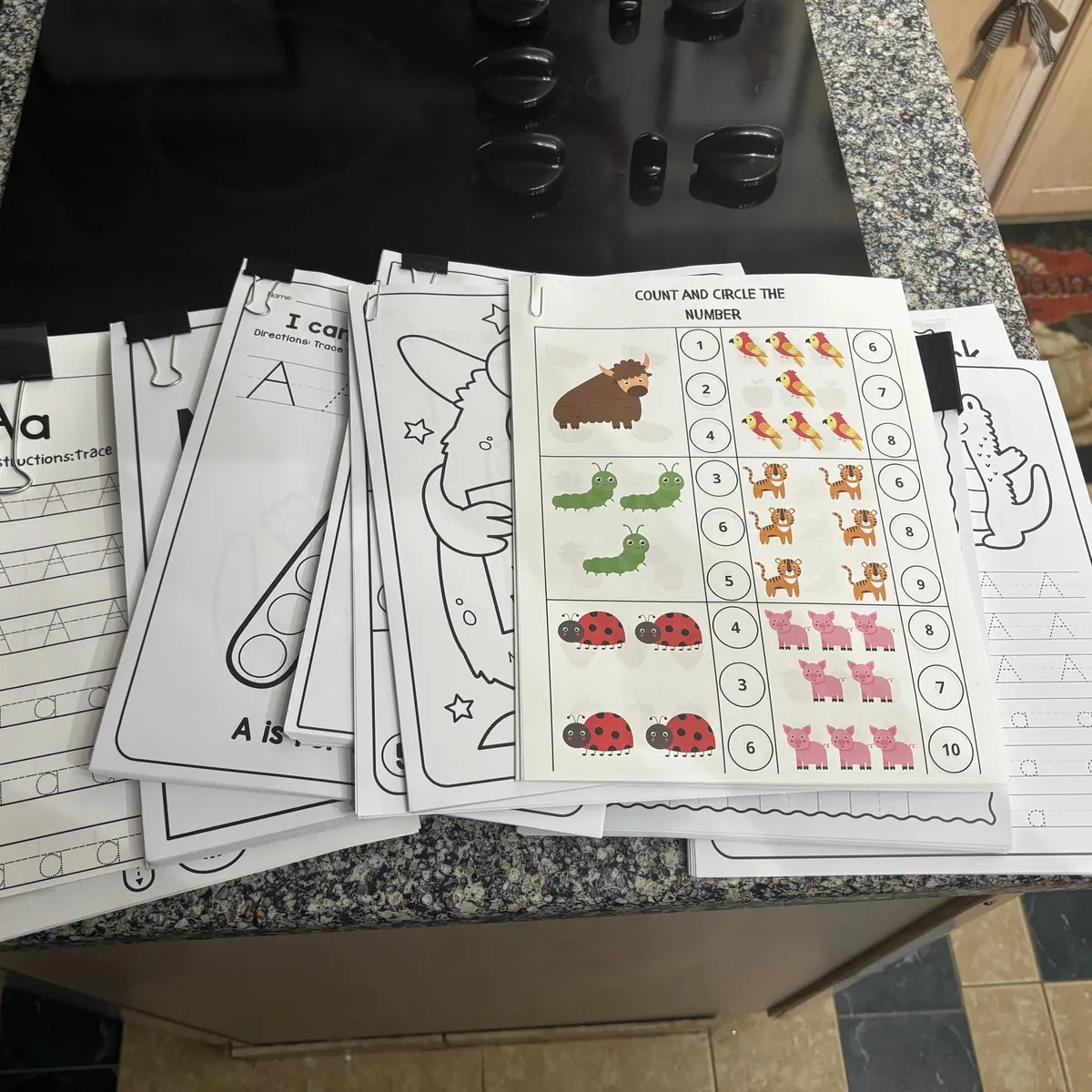
This is an excellent screen-free center activity and an easy option for busy mornings at home. Sight word coloring pages give children focused visual practice while strengthening pencil grip and attention. Fun Clever Fox printable activities can help make this routine ready to use whenever you need a purposeful literacy task.
How to Keep Sight Word Practice Positive
The best games are the ones children want to play again. Keep each session short, usually five to ten minutes, and end while your learner is still feeling successful. A small celebration, such as a high-five, a sticker, or choosing the next game, can make practice feel special without turning it into pressure.
Avoid introducing too many words at once. If a child mixes up was and saw, for example, put one aside for a day or two and return to it with a fresh activity. Repeated exposure in books, games, writing, and conversation is more helpful than drilling a word until everyone is tired.
It is also okay if a child prefers one game over another. A child who loves movement may learn quickly through a word hunt, while a child who enjoys art may stay focused longer with color-and-read pages. Following those interests makes practice easier to repeat, and repetition is where recognition grows.
A Simple Weekly Sight Word Routine
You do not need a complicated literacy plan to make progress. Pick three to five focus words on Monday. Play one active game early in the week, add a printable matching or coloring activity another day, and revisit the same words while reading a short book together. By Friday, ask your child to read the words in a new sentence or help you make up a silly story with them.
Use the words naturally throughout the day, too. Point out the on a cereal box, you in a note, or I at the beginning of a sentence. These small moments help children understand that reading is part of real life, not only something that happens at a worksheet table.
A cheerful game, a few familiar words, and your encouragement can create the kind of steady practice that helps young readers feel proud each time a word suddenly looks familiar.