A child proudly reading the word cat after sounding out each letter is a big moment. It may take only a few seconds, but it represents real growth in listening, letter knowledge, and confidence. This beginning reading practice guide helps parents and educators turn those small wins into a simple, enjoyable routine for preschool and kindergarten learners.
Beginning reading is not about rushing children through a stack of books or asking them to memorize long word lists. It is about giving them repeated, age-appropriate chances to notice sounds, connect sounds to letters, blend them into words, and understand that print carries meaning. With short practice sessions and playful printable activities, children can build skills without feeling overwhelmed.
Beginning Reading Practice Guide – Start With the Skills That Make Reading Easier
Before a child can comfortably read simple sentences, several early literacy skills need room to grow. These skills overlap, so children do not need to perfect one before touching the next. A child might be learning the sound for m, practicing pencil control, and enjoying a rhyming game all in the same week.
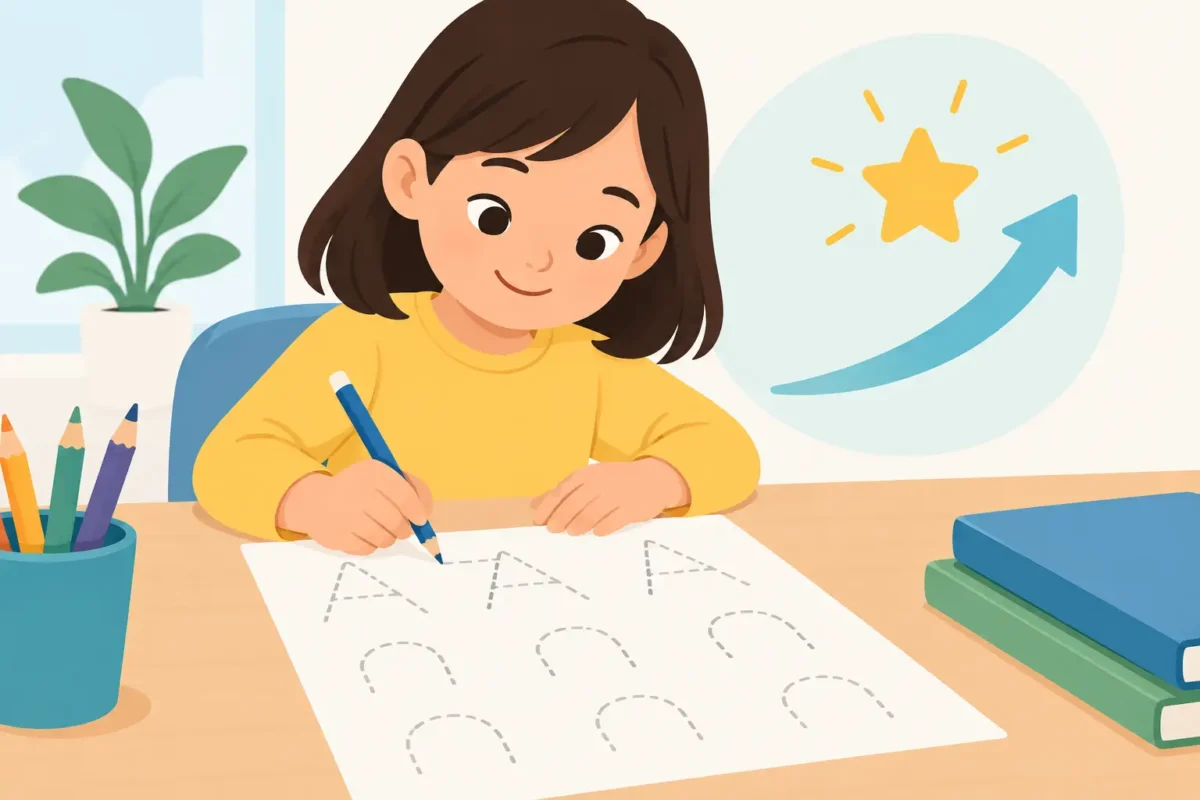
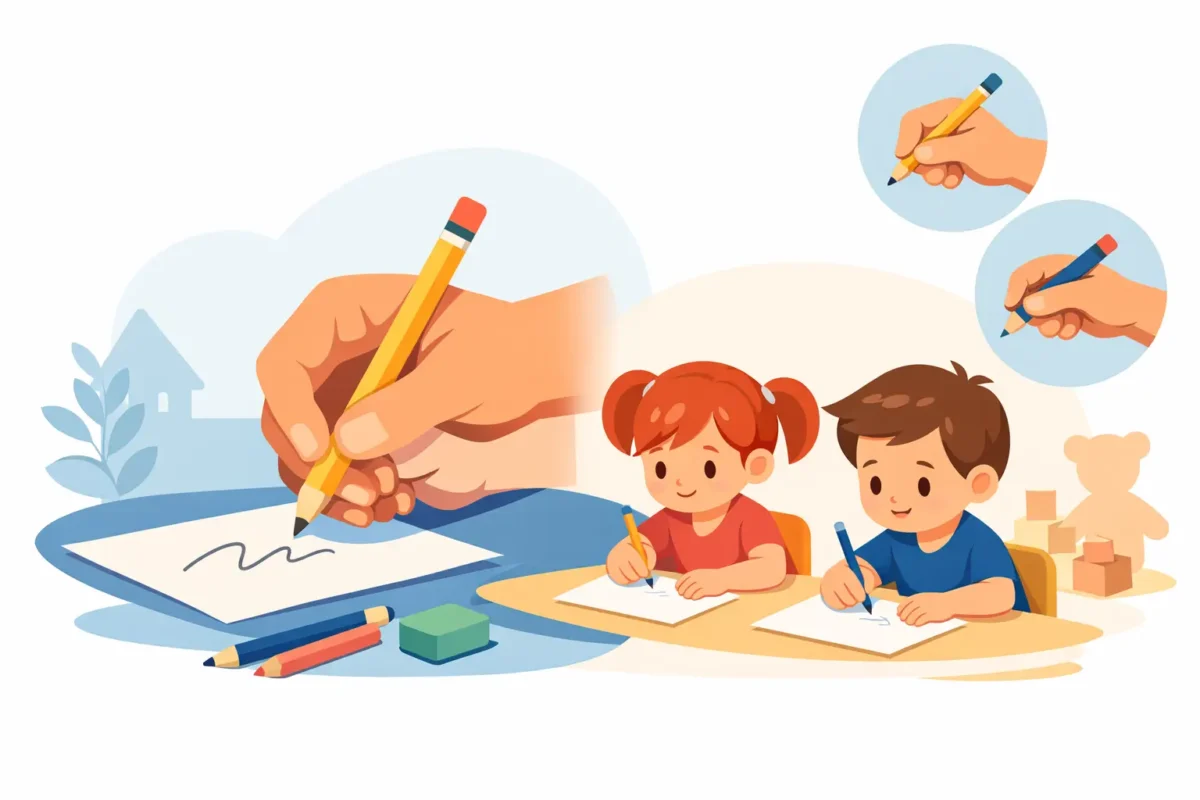
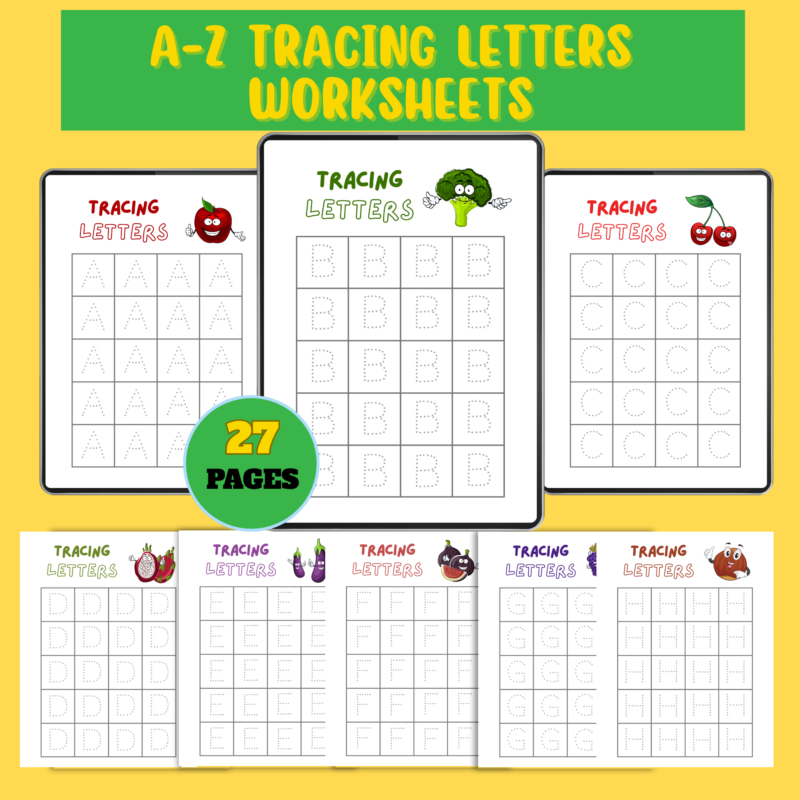
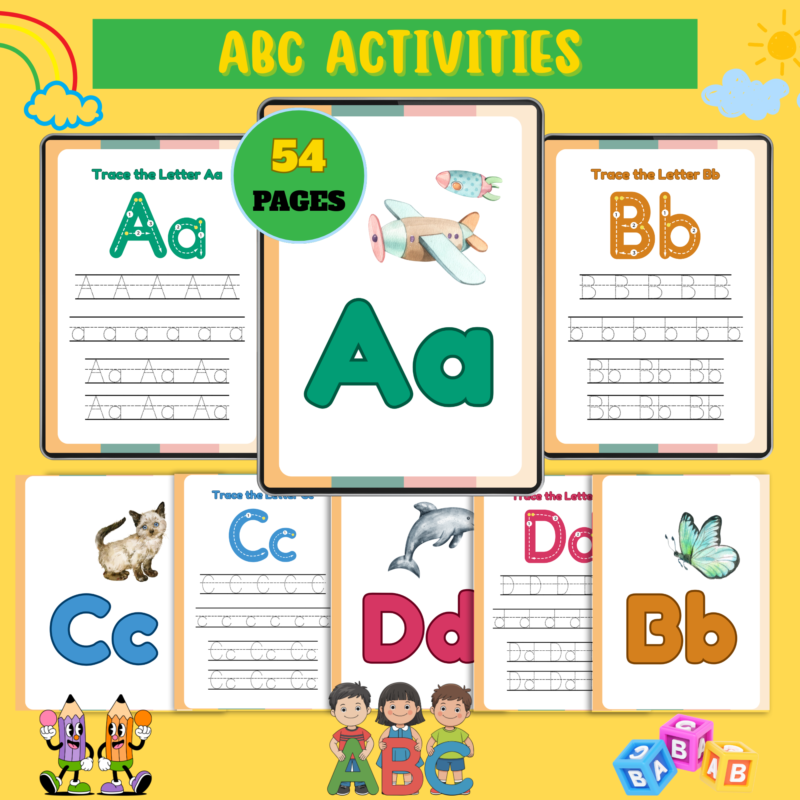
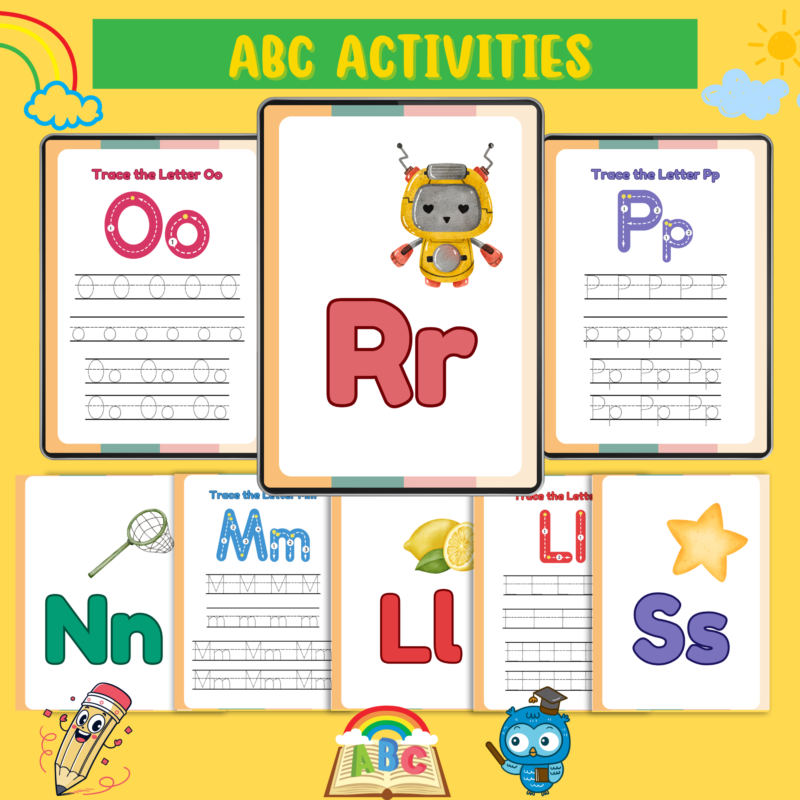
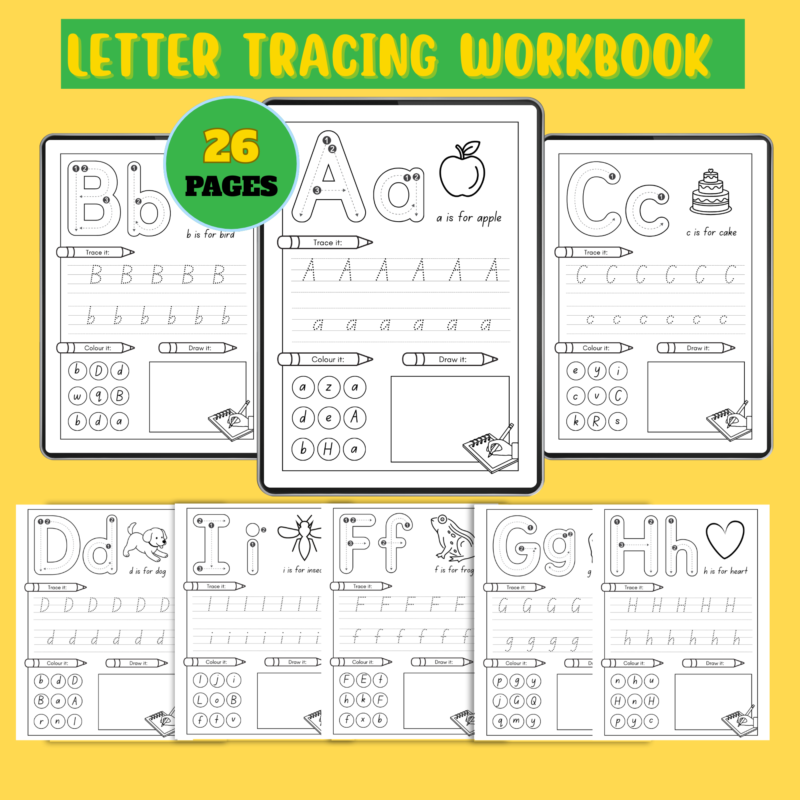
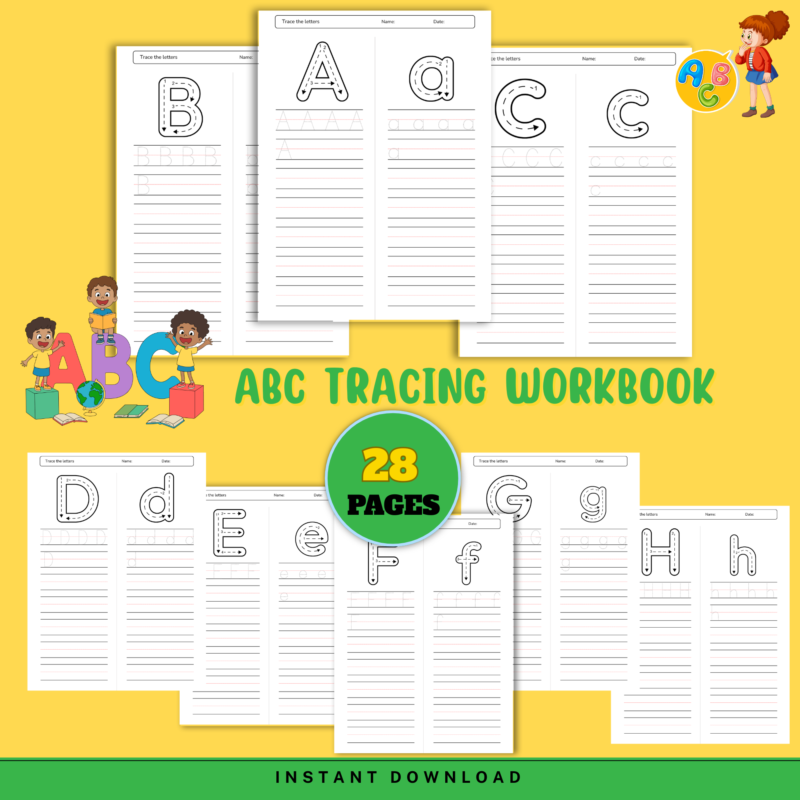
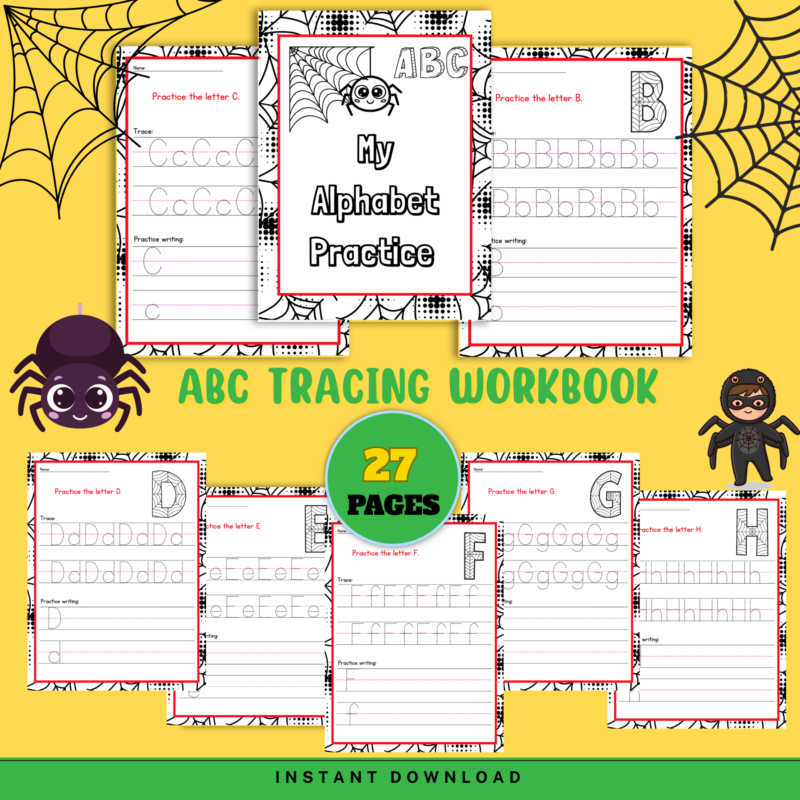
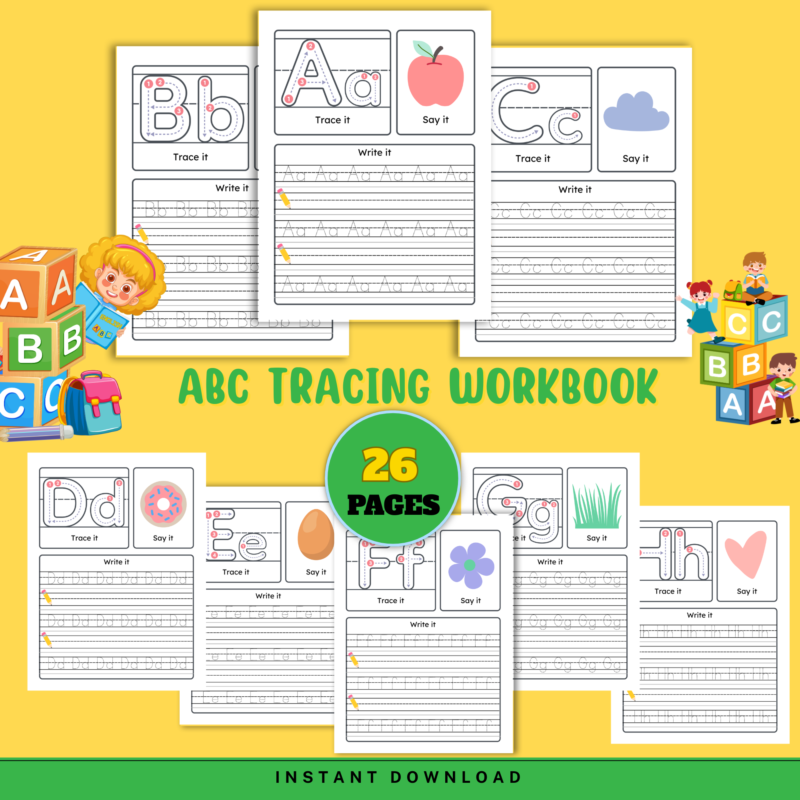
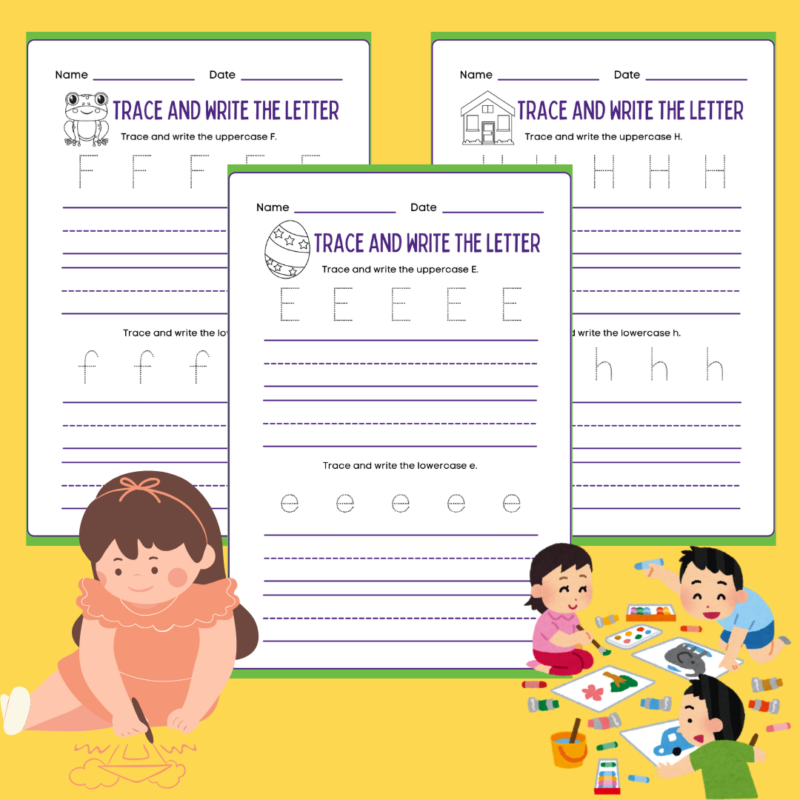
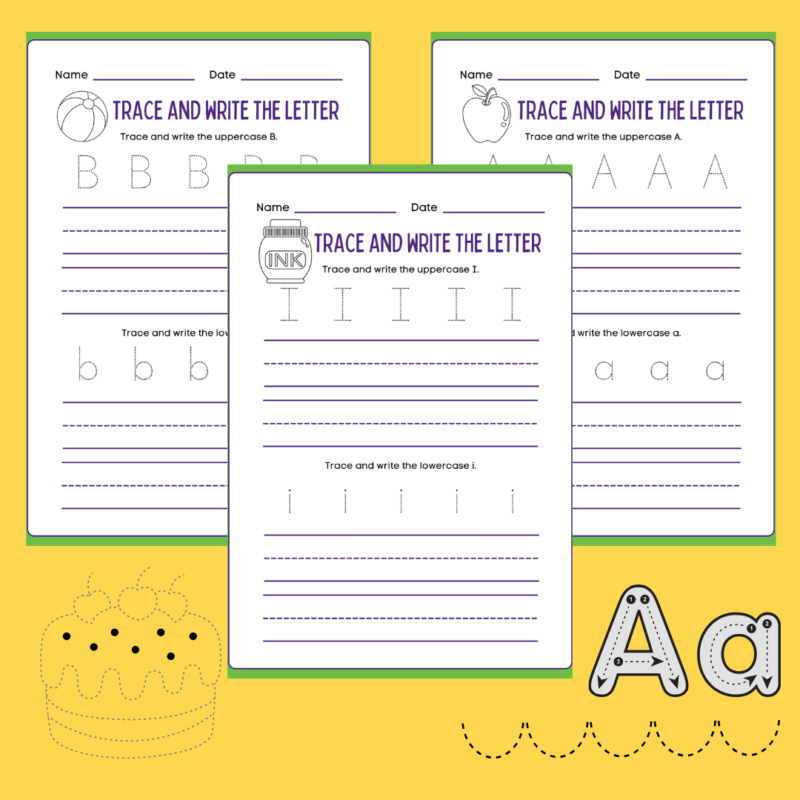
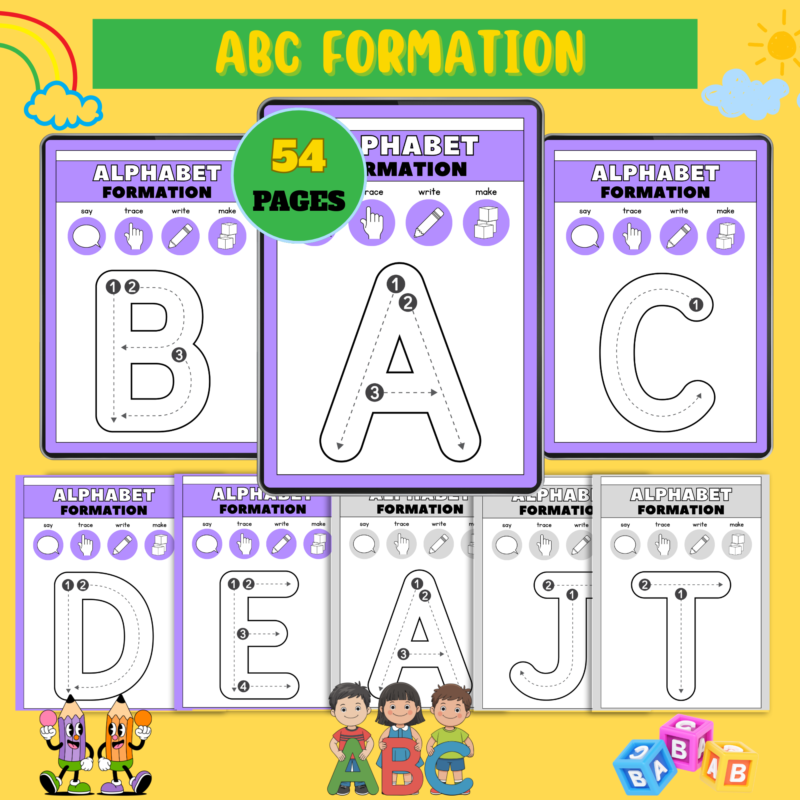
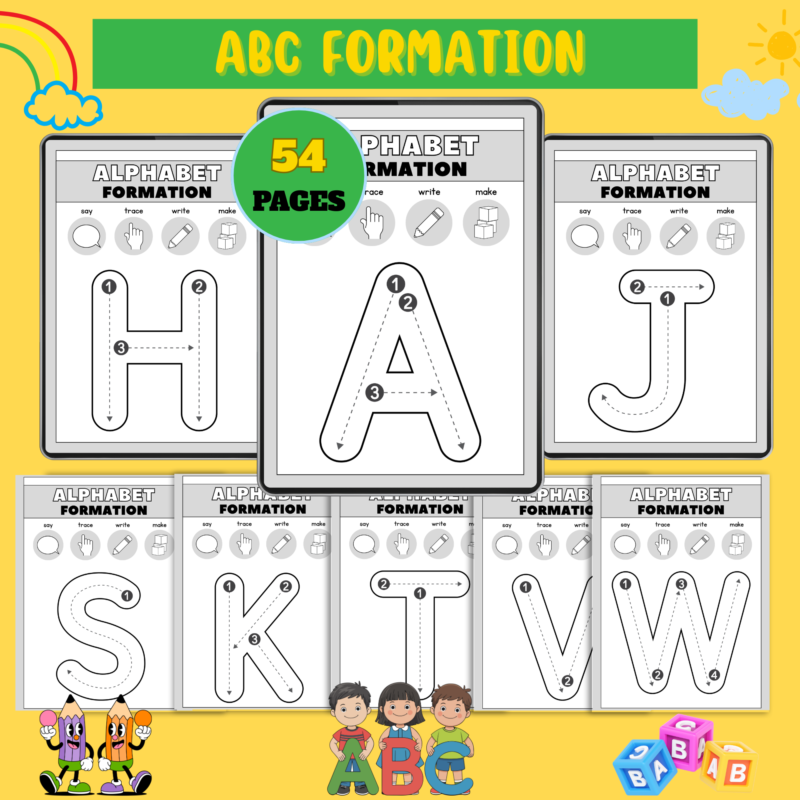
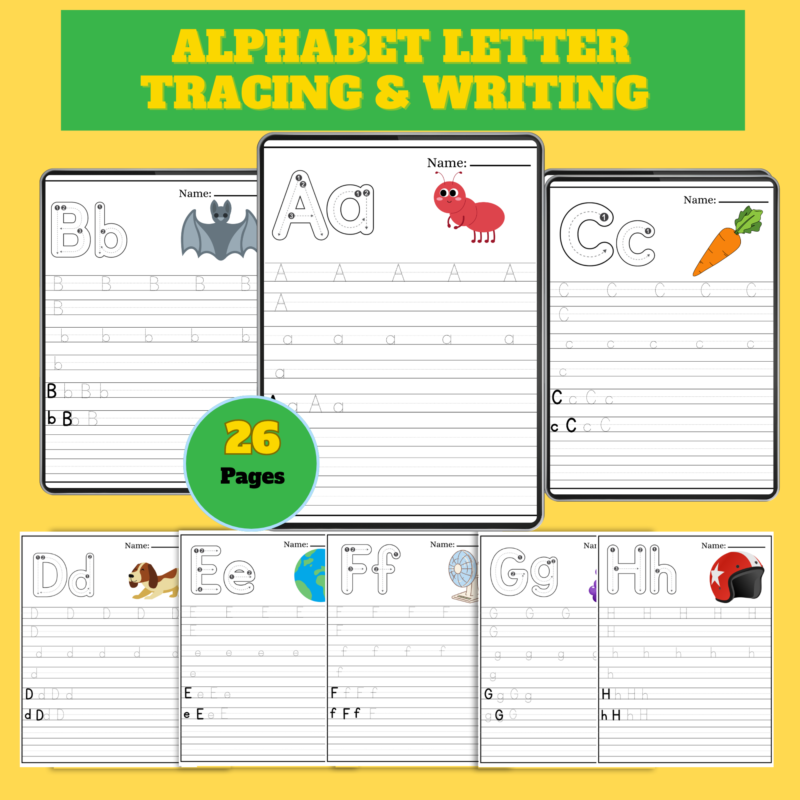
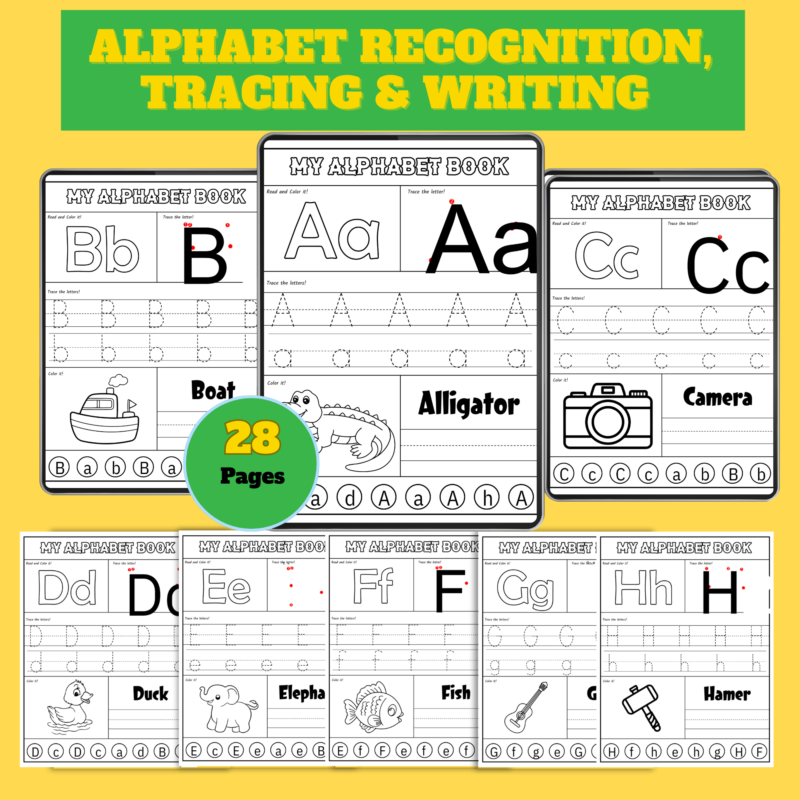
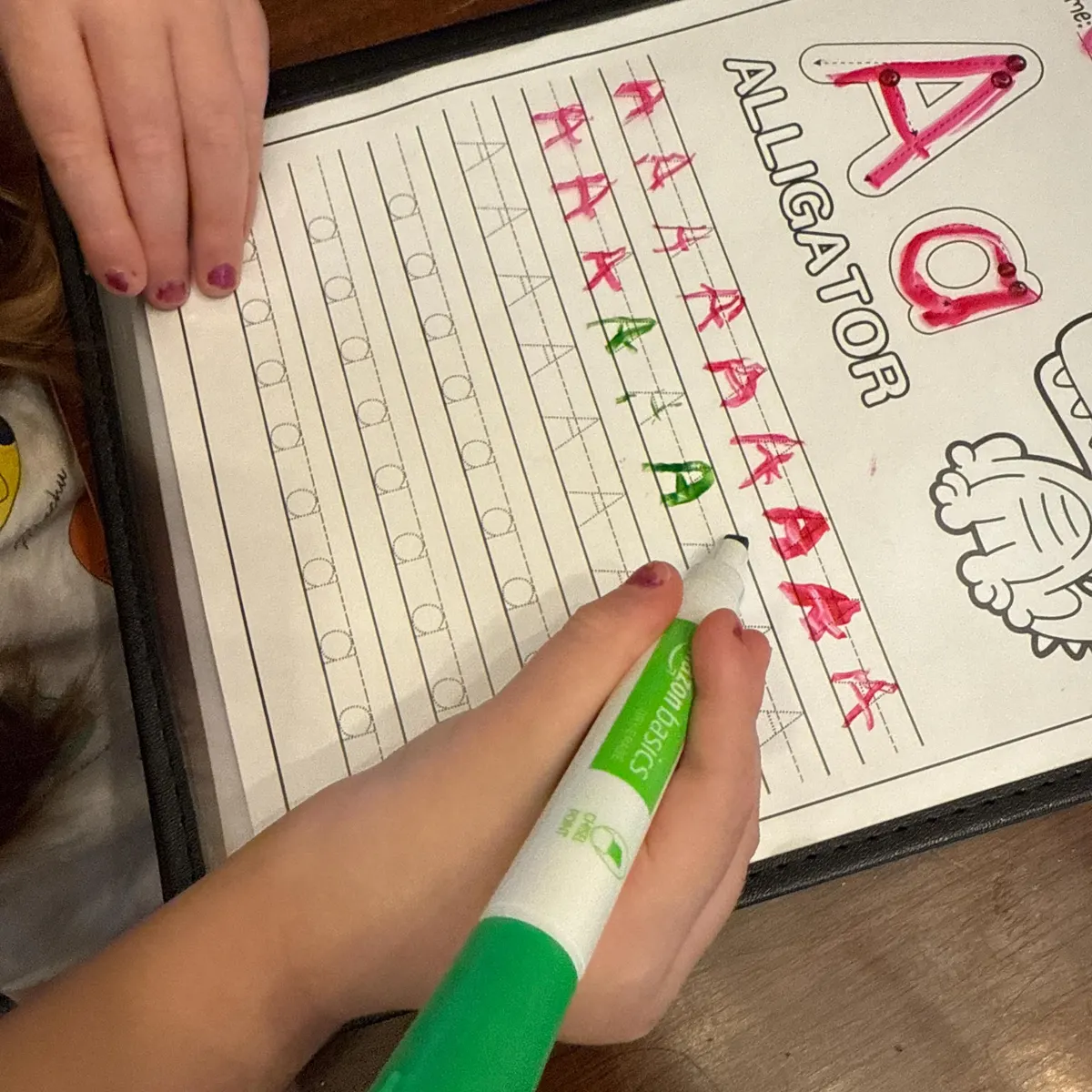
Letter recognition is a natural first step. Children need to notice the shape of upper- and lowercase letters and eventually name them. Letter tracing pages can help here because they pair visual recognition with hand movement. Keep the goal small: introduce a few letters at a time rather than presenting the entire alphabet as a test.
Next comes letter-sound knowledge. Children need to hear that m says /m/ and s says /s/. Start with common consonant sounds and short vowel sounds, using pictures and objects whenever possible. Ask, “What sound do you hear at the beginning of sun?” before asking a child to identify a printed letter. Listening comes first, then the symbol makes more sense.
Phonological awareness also matters. This is the ability to hear and play with parts of spoken words. Rhyming, clapping syllables, and identifying first sounds all prepare children for decoding. A child who can hear that map and mop begin with the same sound has an easier time understanding how letters work in words.
Create a Beginning Reading Practice Routine That Fits Real Life
The most helpful reading routine is one that adults can actually keep. For many young children, 10 to 15 focused minutes is plenty. A short session after breakfast, during a classroom literacy center, or before bedtime can provide more value than a long lesson once a week.
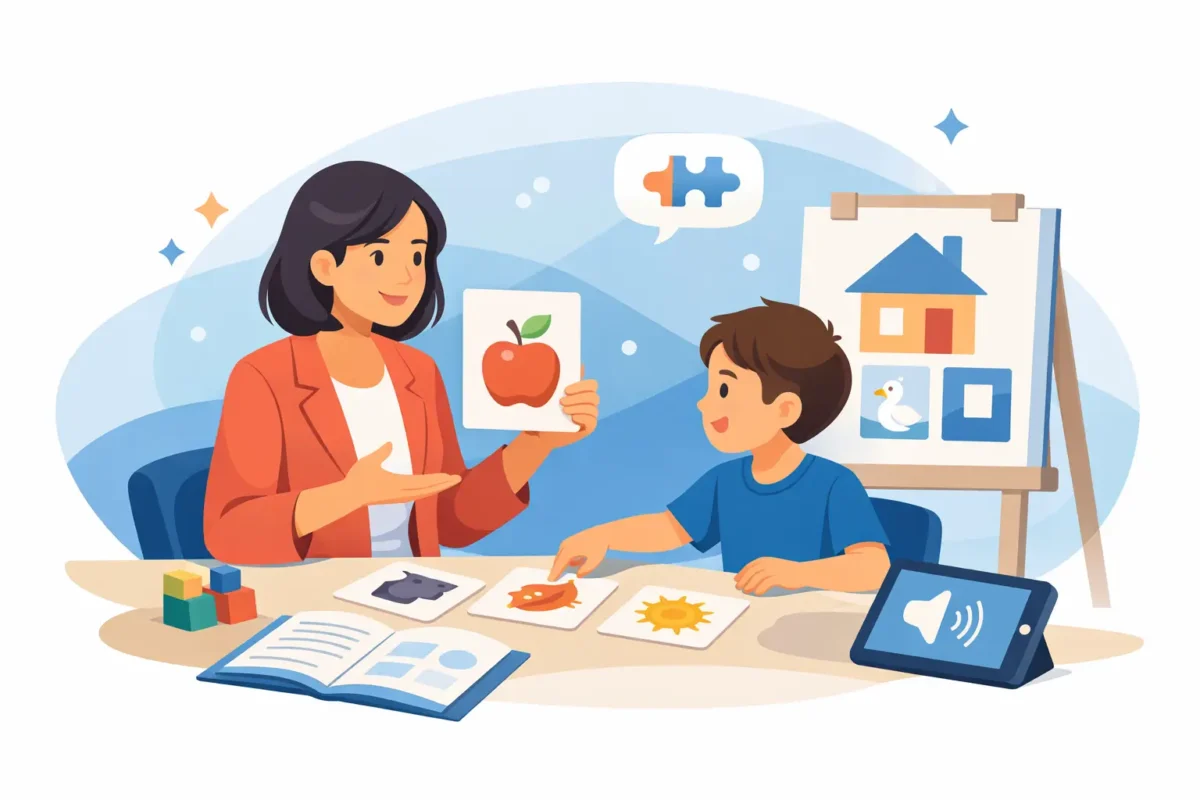
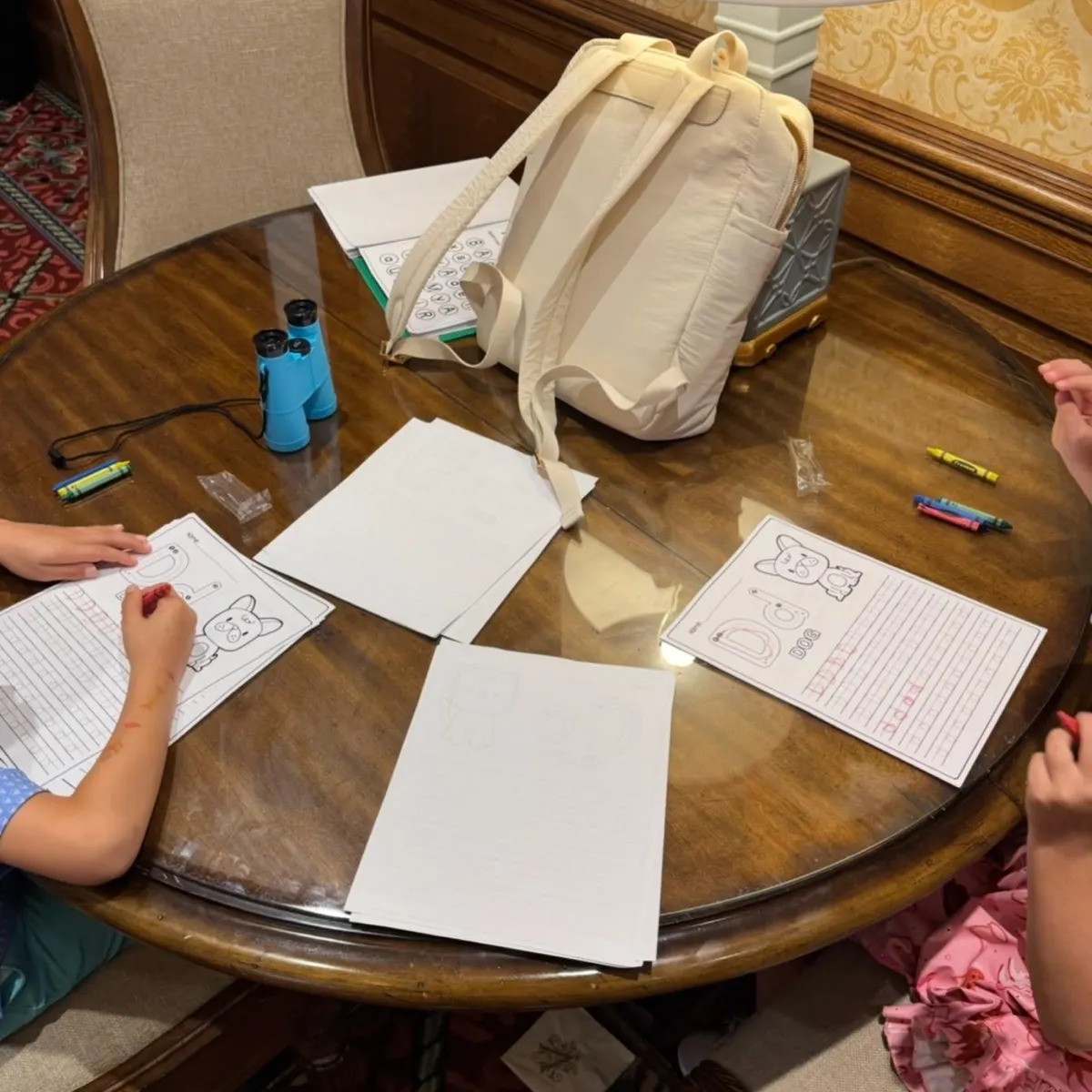
Try to include one familiar activity and one small new challenge. For example, start by reviewing letter sounds your child already knows. Then introduce three picture cards and ask which one begins with /t/. End with a quick coloring or tracing page so the practice feels complete and positive.
Consistency is more useful than intensity. If a child is tired, wiggly, or frustrated, stop before practice becomes a battle. Read a favorite story aloud instead, point out a few letters, and try again another day. Children learn best when they associate books and print with comfort, connection, and success.
For a classroom, the same idea works in centers. Keep a small collection of predictable activities ready: alphabet matching, picture-sound sorting, CVC word practice, and simple reading pages. Rotating materials keeps the work fresh while the routine stays familiar.
Teach Children to Blend Simple Words
Once children know several consonant sounds and short vowel sounds, they can begin blending CVC words. CVC means consonant-vowel-consonant words such as cat, sun, pig, and bed. These words are a useful bridge between knowing individual letter sounds and reading independently.
Model blending slowly at first. Point to each letter in sat and say /s/ /a/ /t/. Then sweep your finger underneath the word and say, “sat.” Children often need to hear this process many times before they can do it on their own. Avoid adding extra sounds, such as saying “suh” for s, because it can make blending harder.
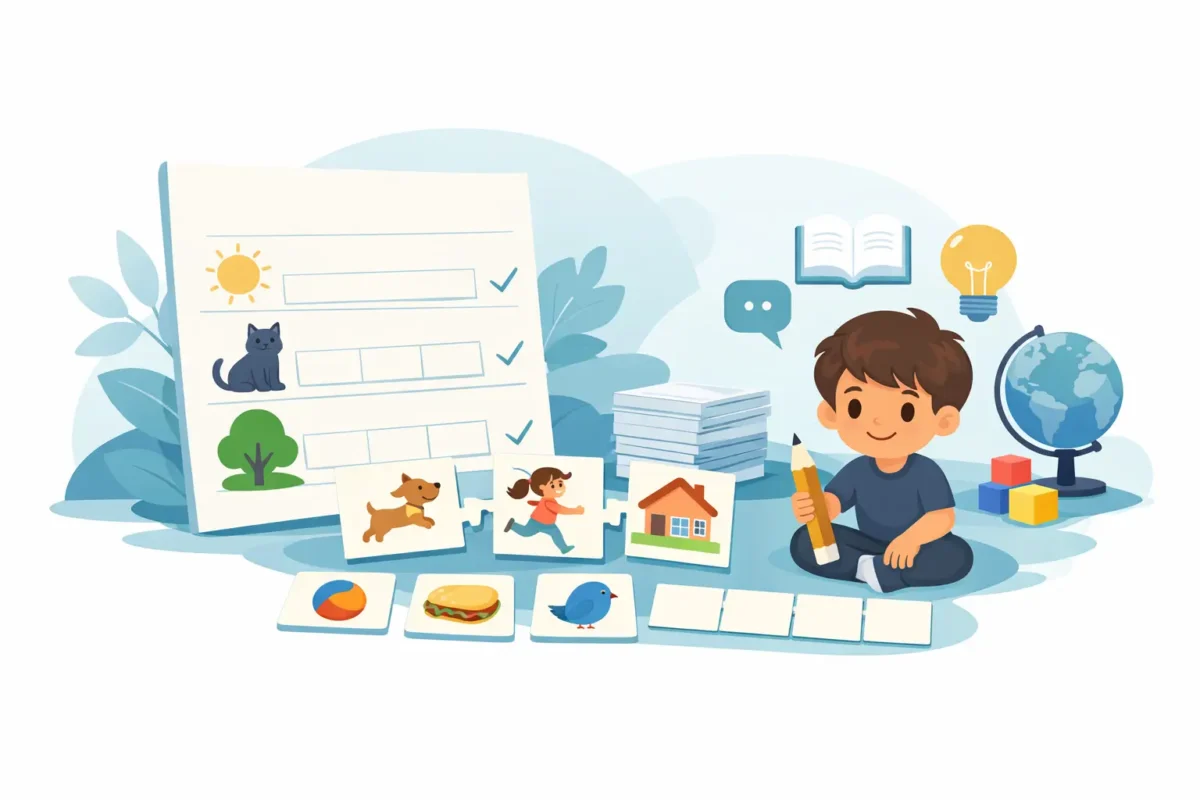
Use a mix of reading and building. A child can arrange letter tiles to make map, change the first letter to make cap, then read both words. Printable cut-and-paste activities, word-picture matching pages, and simple sound boxes give children hands-on ways to practice the same skill.
Not every child is ready for CVC words at the same age. If blending feels too difficult, go back to oral sound games or practice two-letter combinations first. A little extra time with foundational skills can prevent discouragement later.
Make Meaning Part of Every Word
Decoding is essential, but reading is more than saying sounds correctly. After a child reads dog, show a picture of a dog, use the word in a sentence, or ask them to draw one. This reinforces vocabulary and reminds children that the word stands for something real.
When children begin reading short sentences, pause for a simple question. If the sentence says, “Sam can nap,” ask, “Who can nap?” These quick checks help children connect word-reading with understanding. There is no need for a formal quiz. A conversation is enough.
Use Sight Words Carefully and Positively
Sight words are common words children see often, including I, the, is, we, and see. Some can be sounded out as children learn more phonics patterns. Others may include spellings that are not yet easy for beginning readers. Either way, repeated exposure helps children read simple books and sentences more smoothly.
Keep sight word practice light. Choose two or three words at a time and use them in more than one way. Children can trace a word, find it in a sentence, color it on a worksheet, build it with letter tiles, and read it in a tiny book. Seeing the same word across activities is more helpful than racing through a large flashcard stack.
Avoid treating sight words as a replacement for phonics. Memorization can help with a few high-frequency words, but phonics gives children a system for reading thousands of unfamiliar words. The strongest early reading practice includes both.
Choose Printables That Encourage Independent Practice
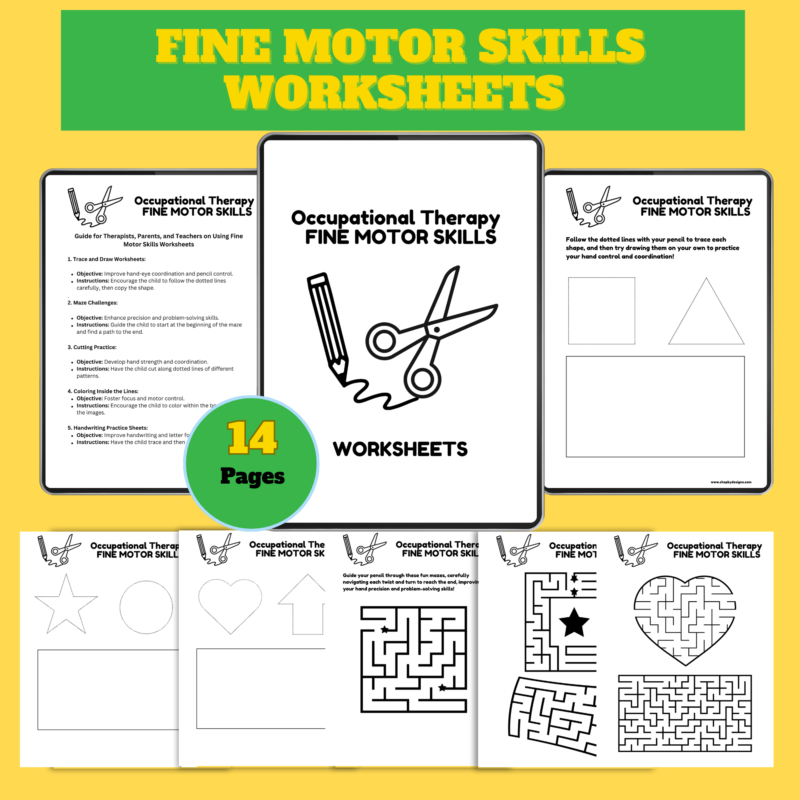
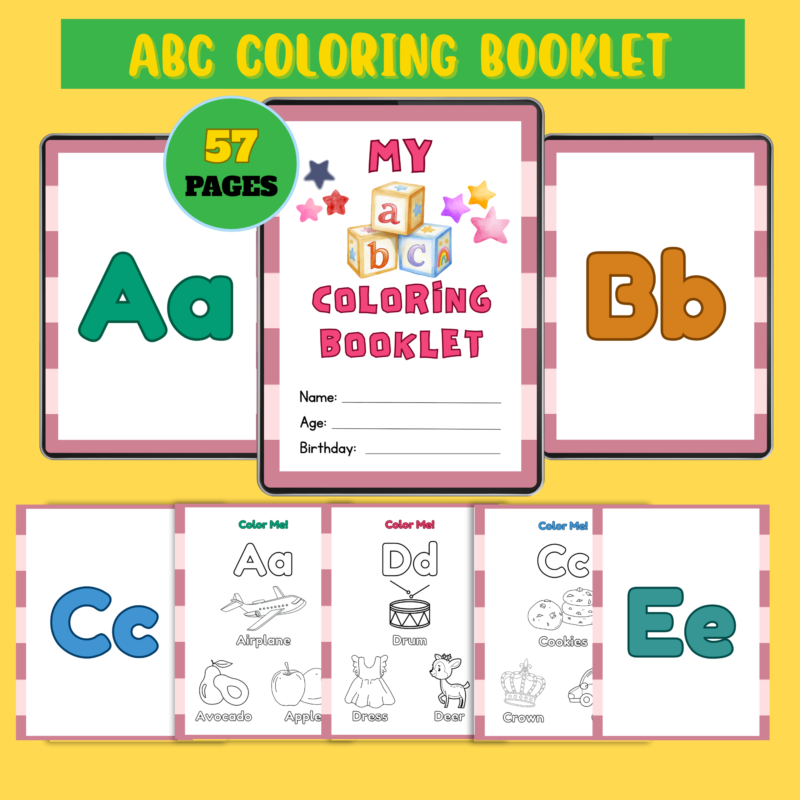
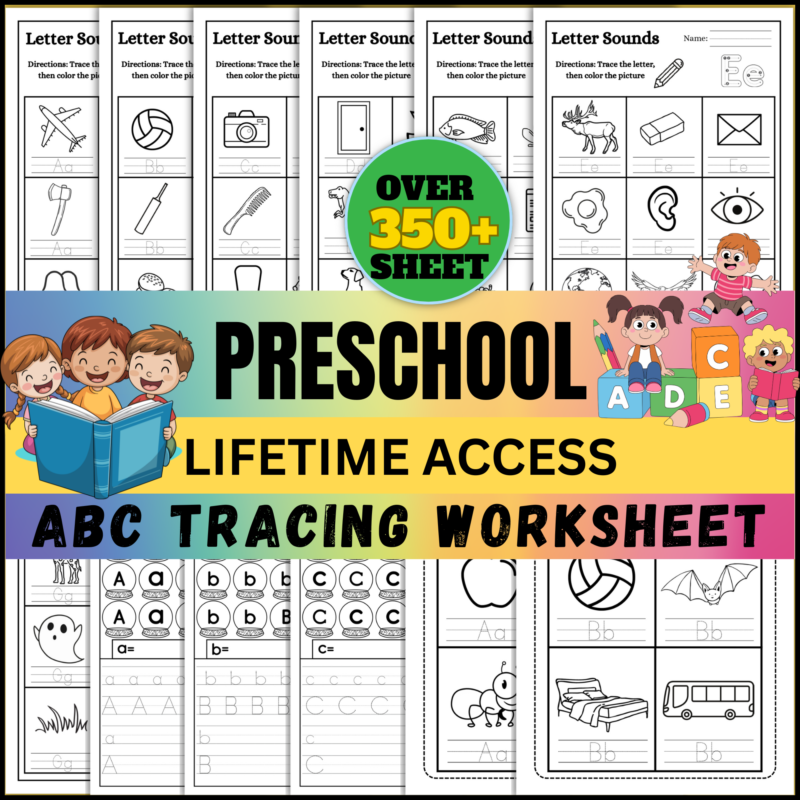
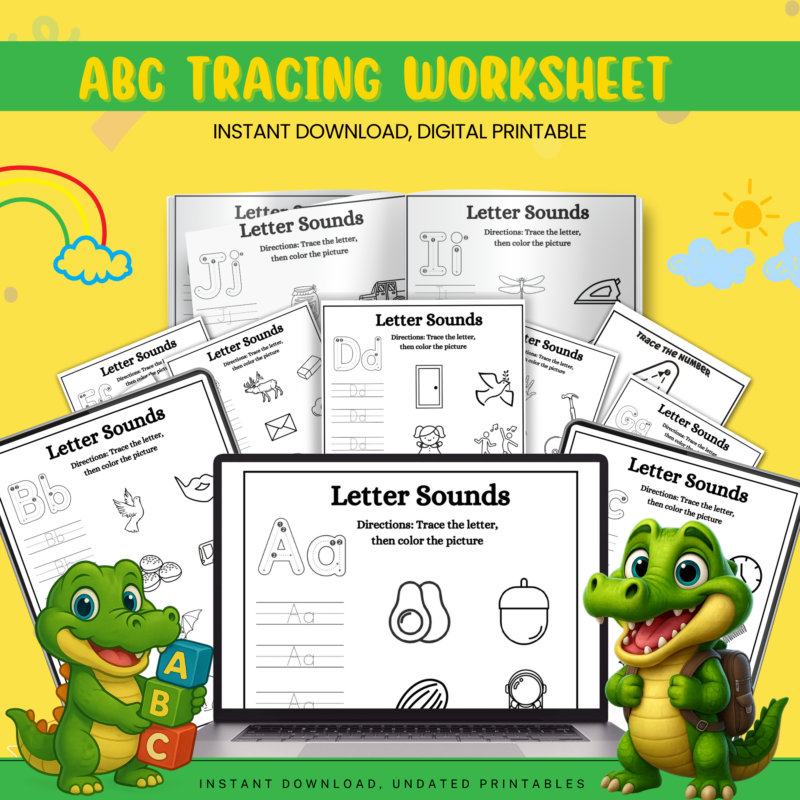
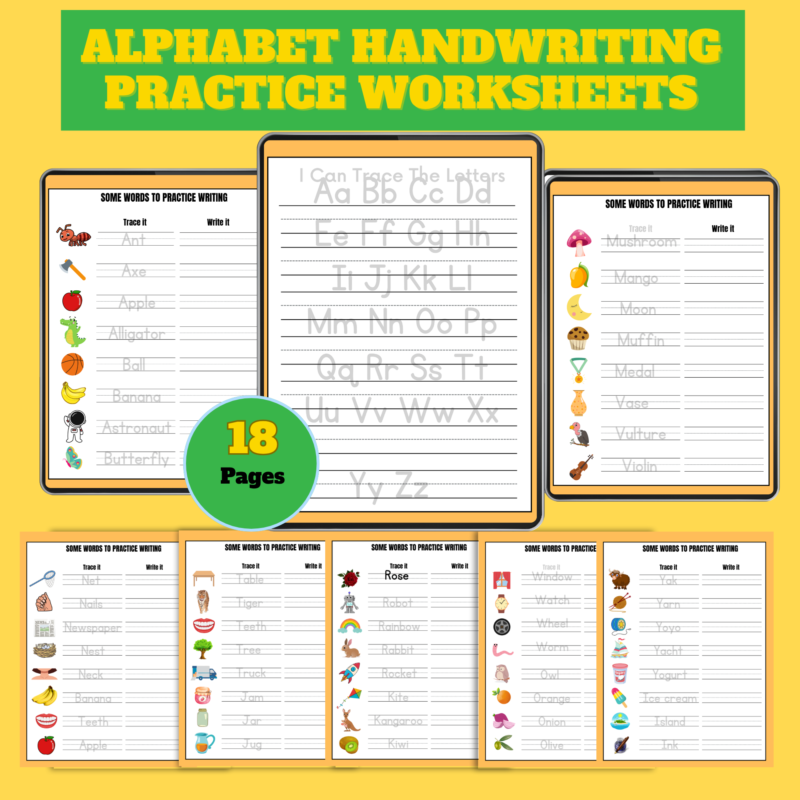
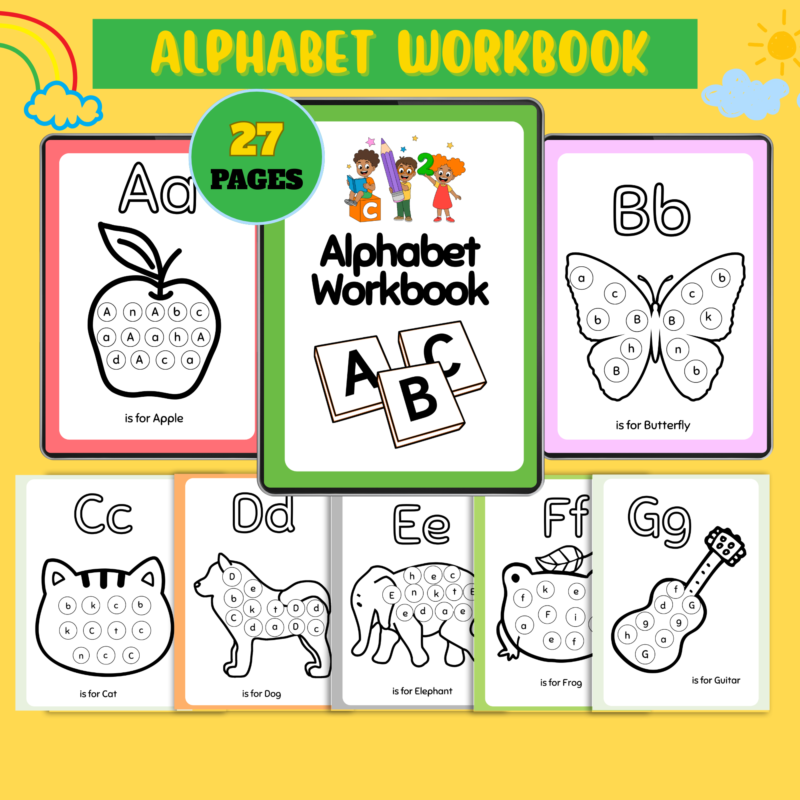
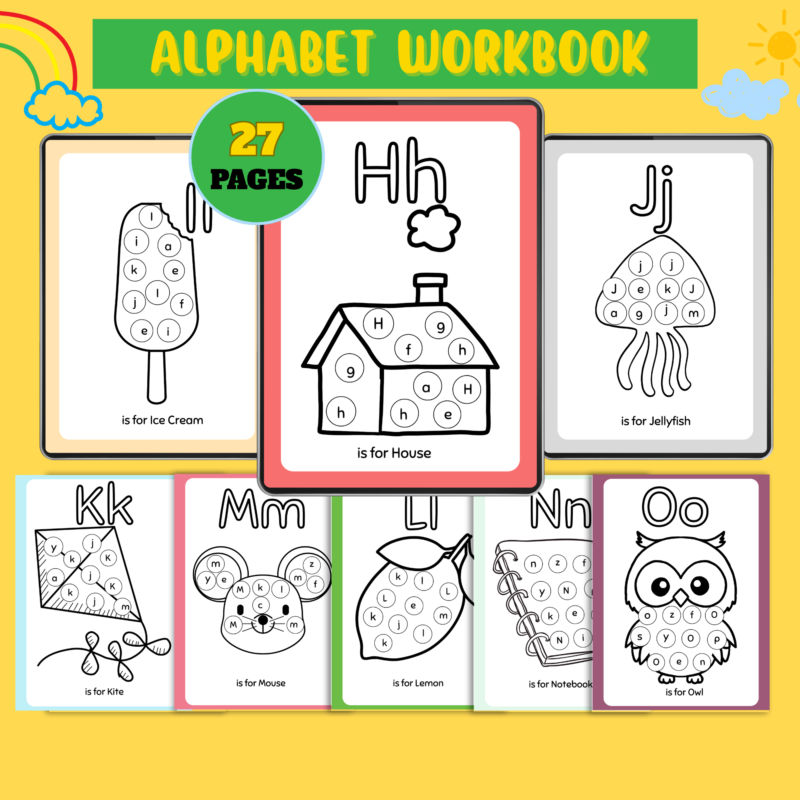
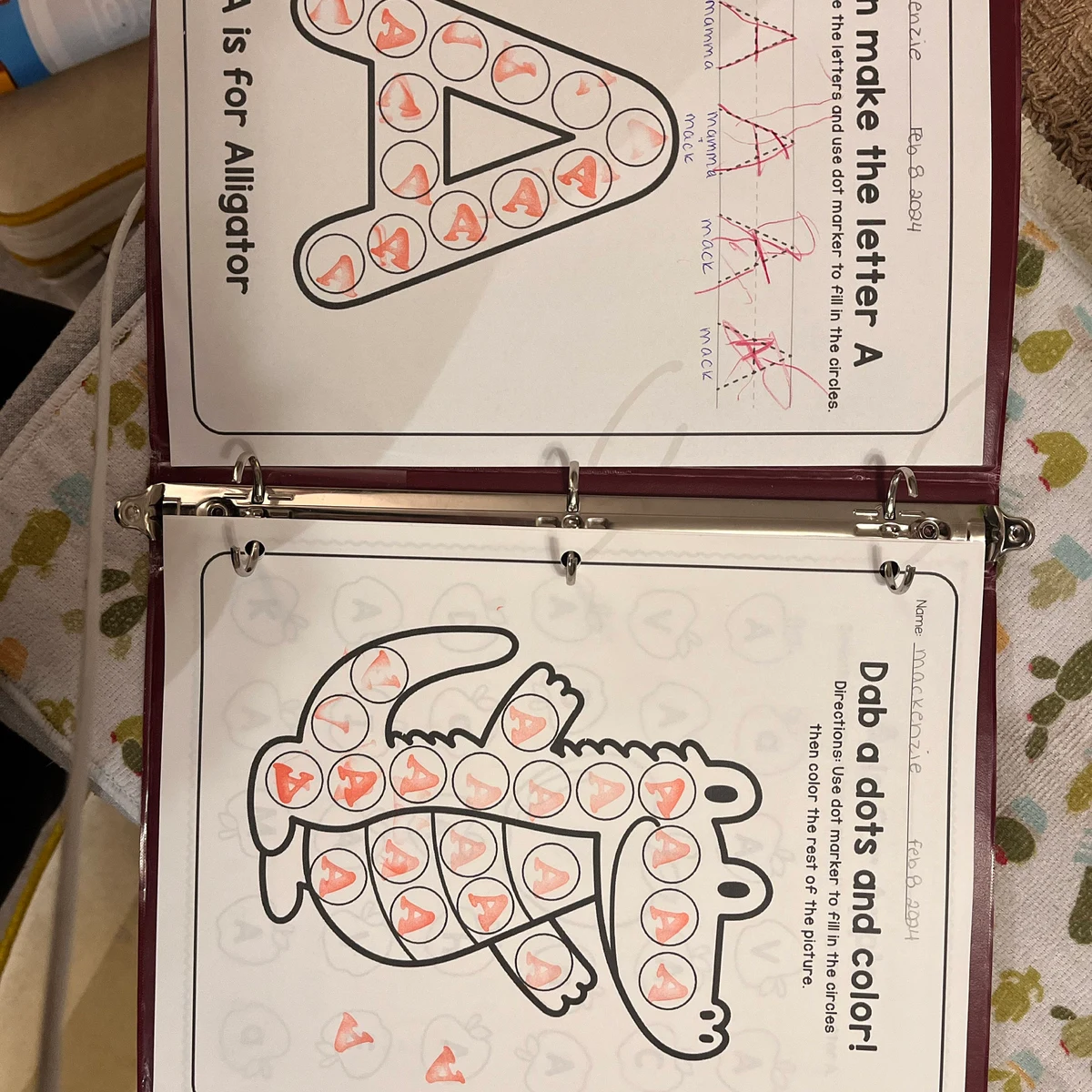
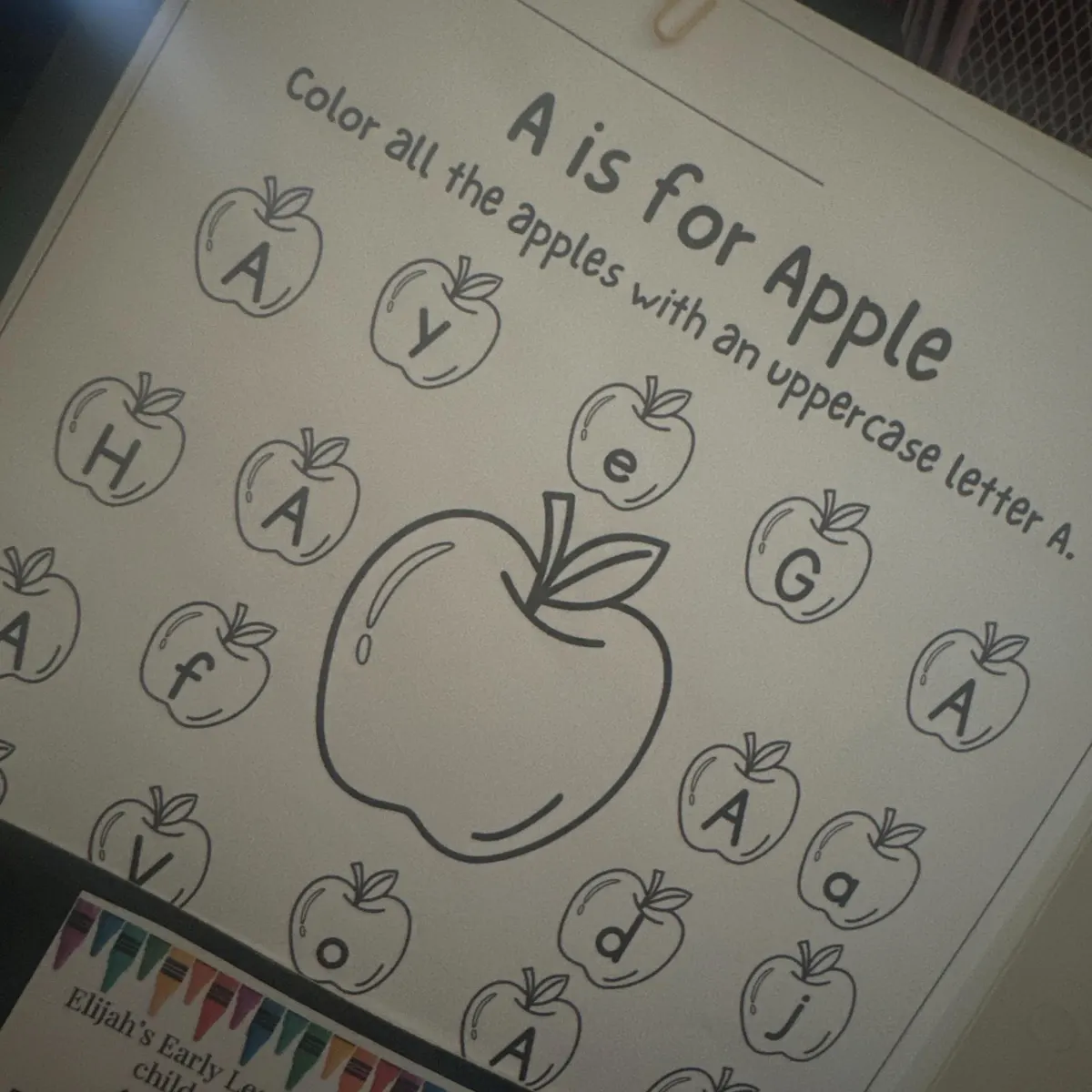
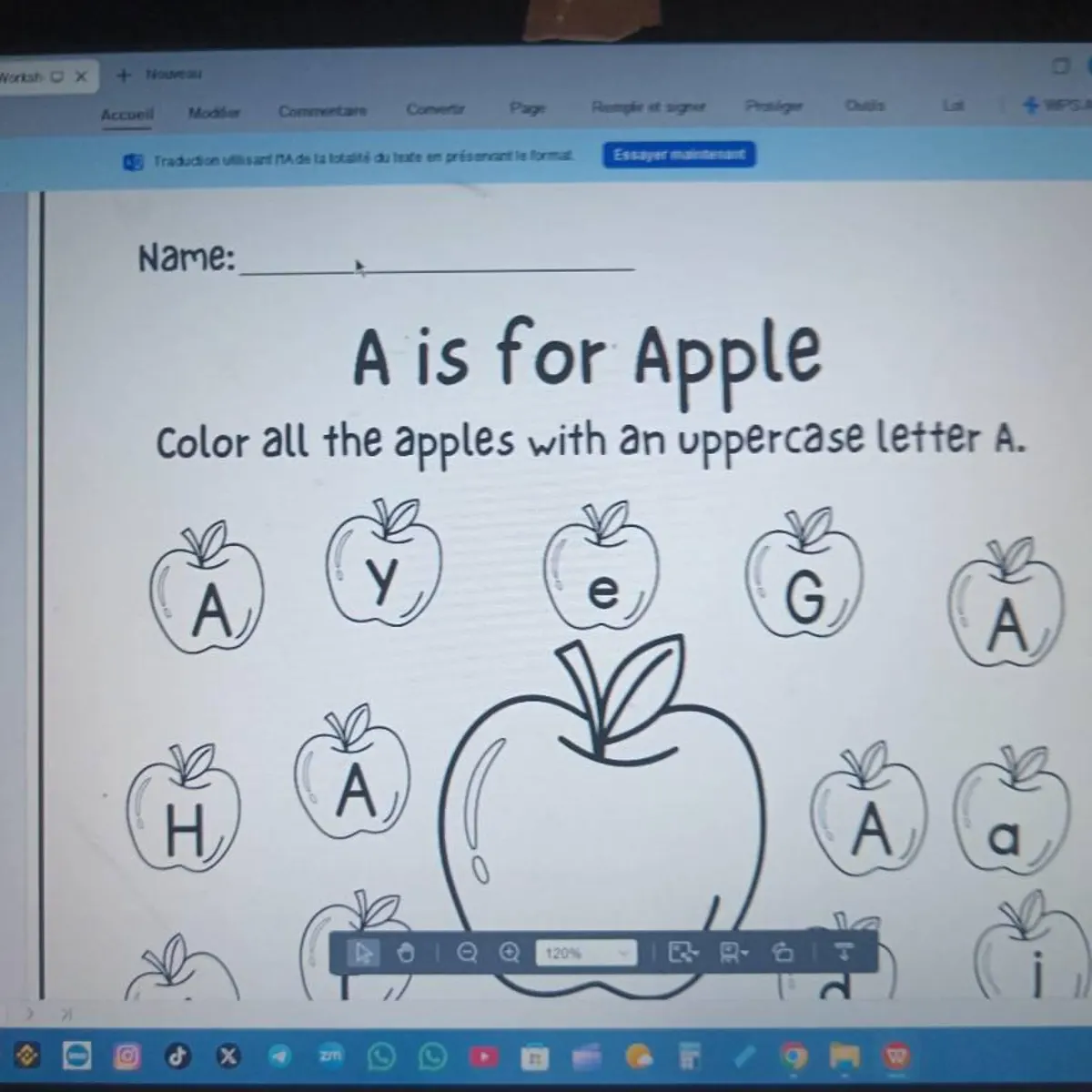
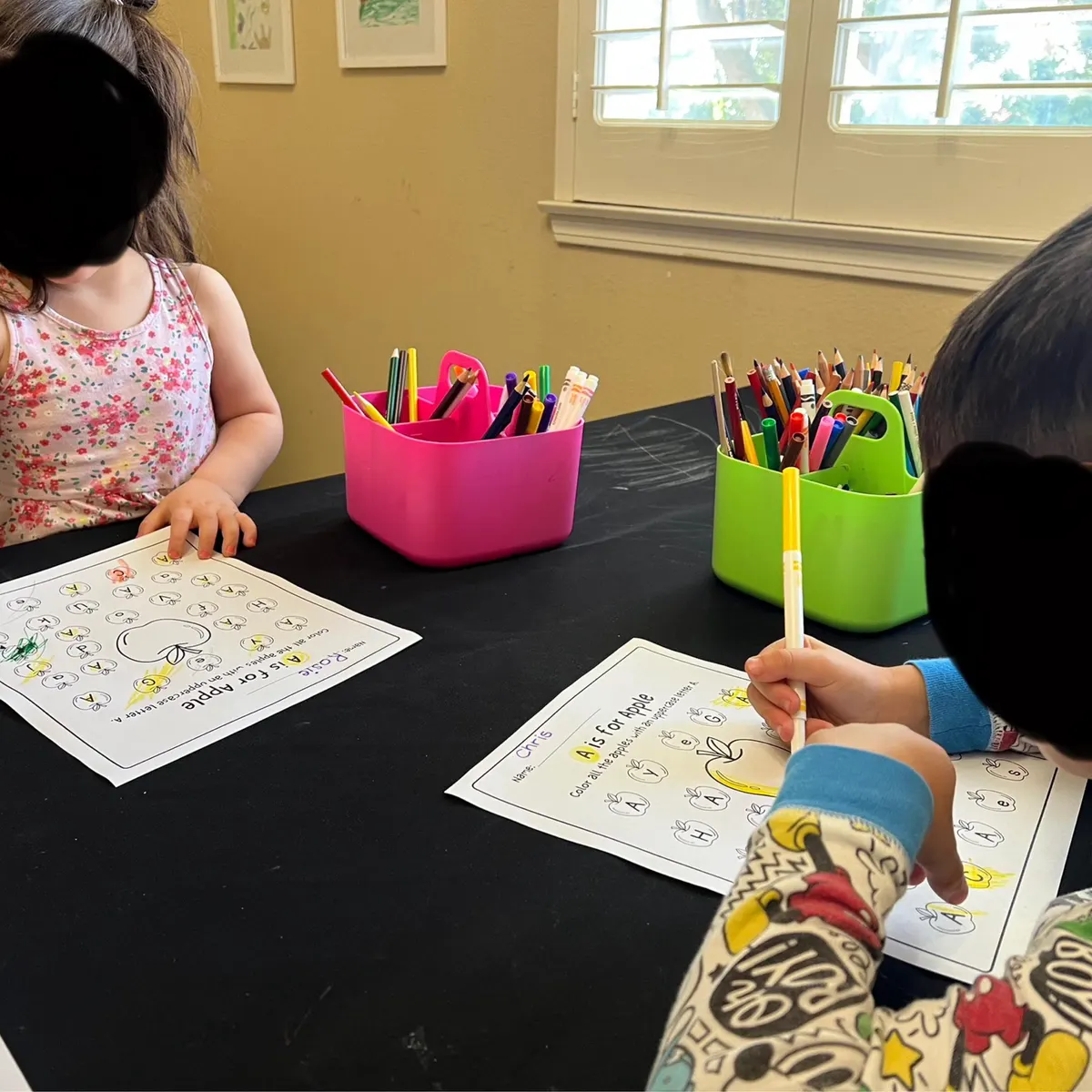
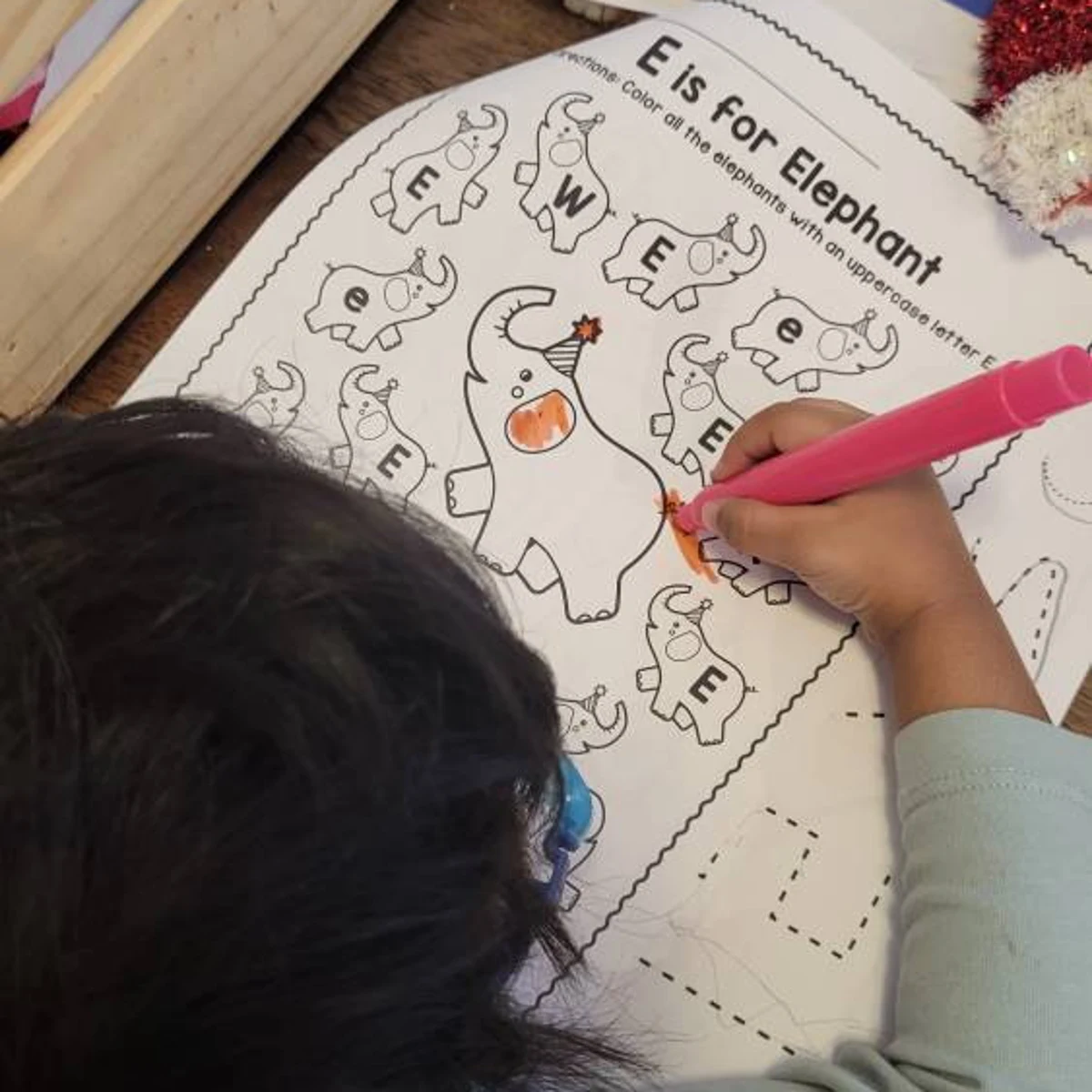
Worksheets are especially useful when they have one clear purpose. A page that asks children to trace a letter, identify its sound, and color pictures that begin with that sound offers focused repetition without too many directions. Clear visuals and manageable spaces matter more than crowded pages.
For preschoolers, look for activities that emphasize listening, letter recognition, tracing, and matching. Kindergarten learners may be ready for beginning sounds, short vowels, CVC words, sight words, and simple sentence reading. Children develop at different rates, so choose by skill readiness rather than grade label alone.
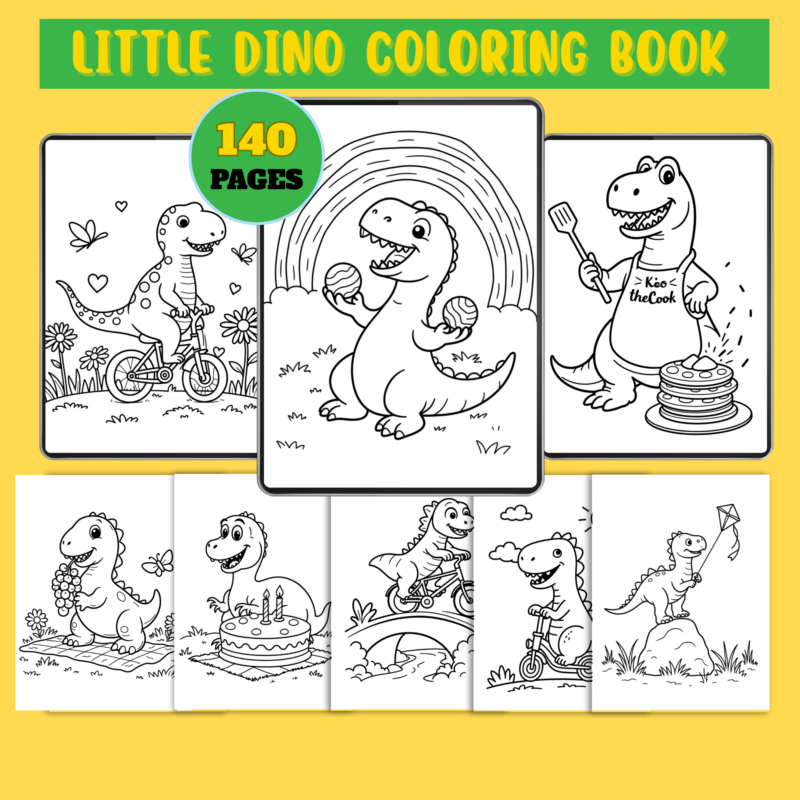
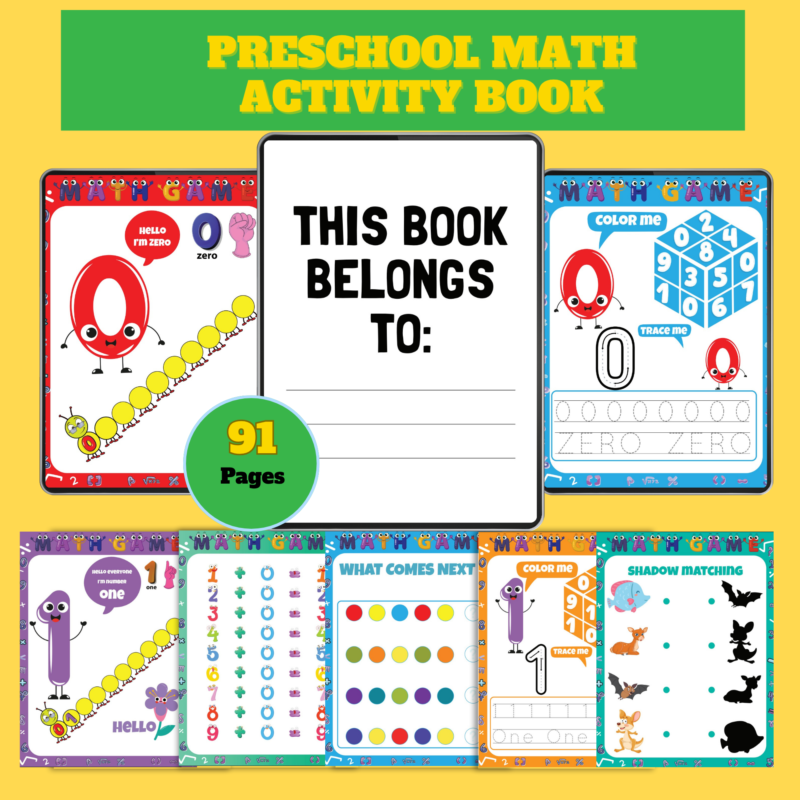
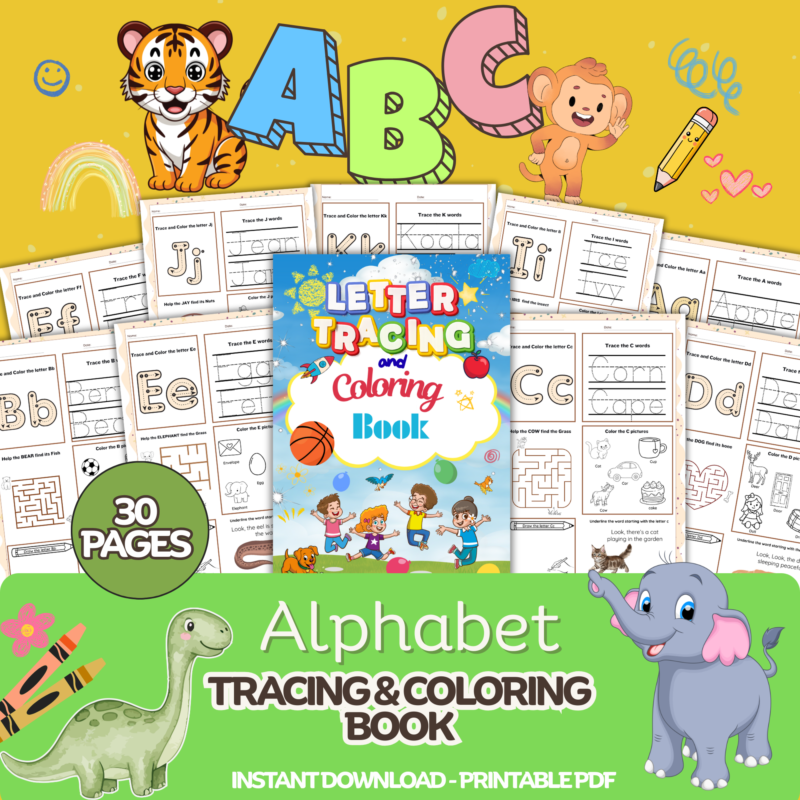
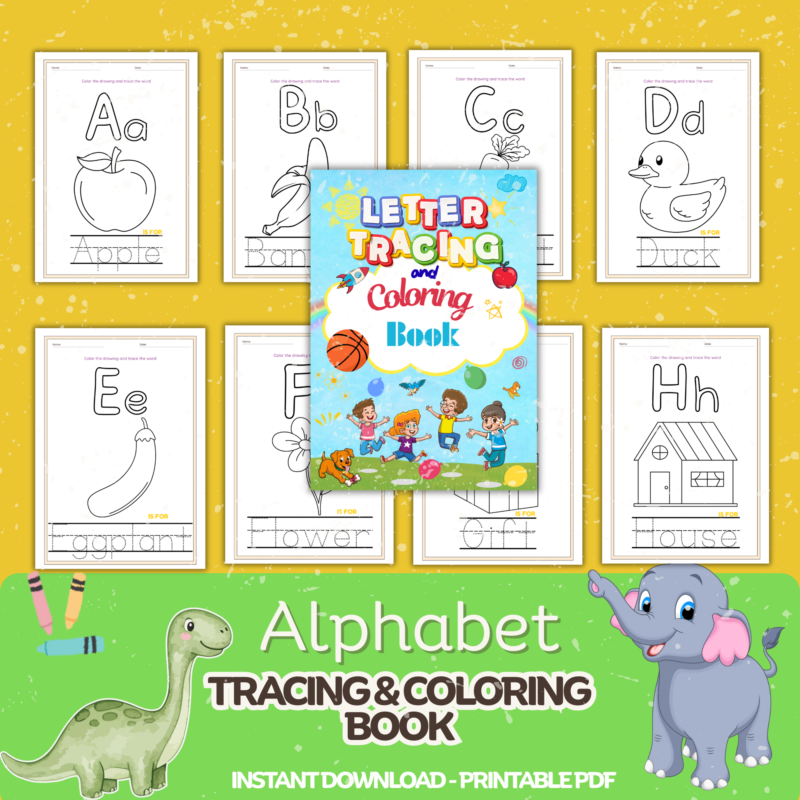
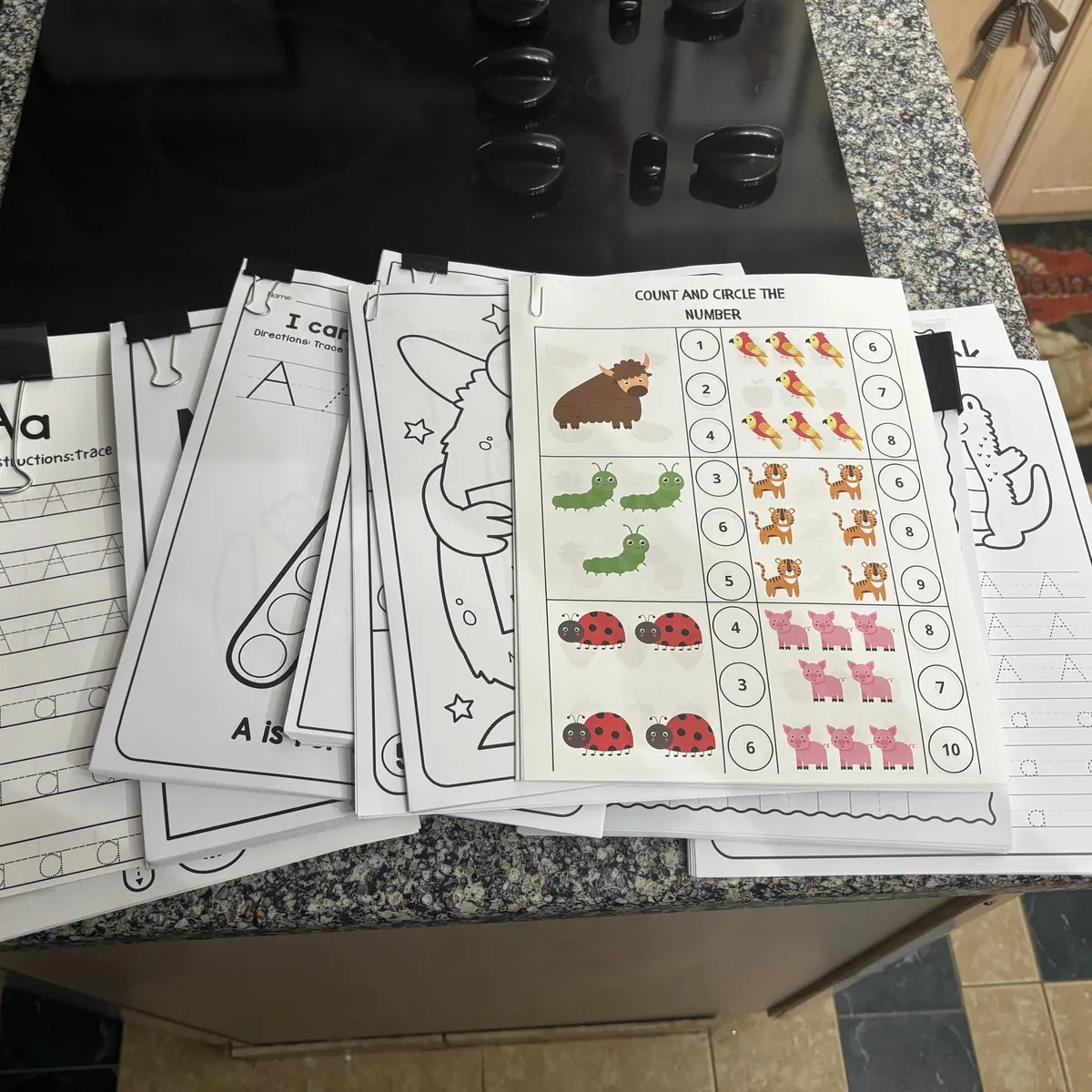
Fun Clever Fox printable reading resources are designed to make that preparation easier, with ready-to-use pages that can support a quick home lesson, a literacy center, or extra practice after a new classroom skill. Print a small set at a time instead of handing over an entire workbook. A few pages with a clear goal feel more inviting and give you a better sense of what the child understands.
Add Movement, Talk, and Play
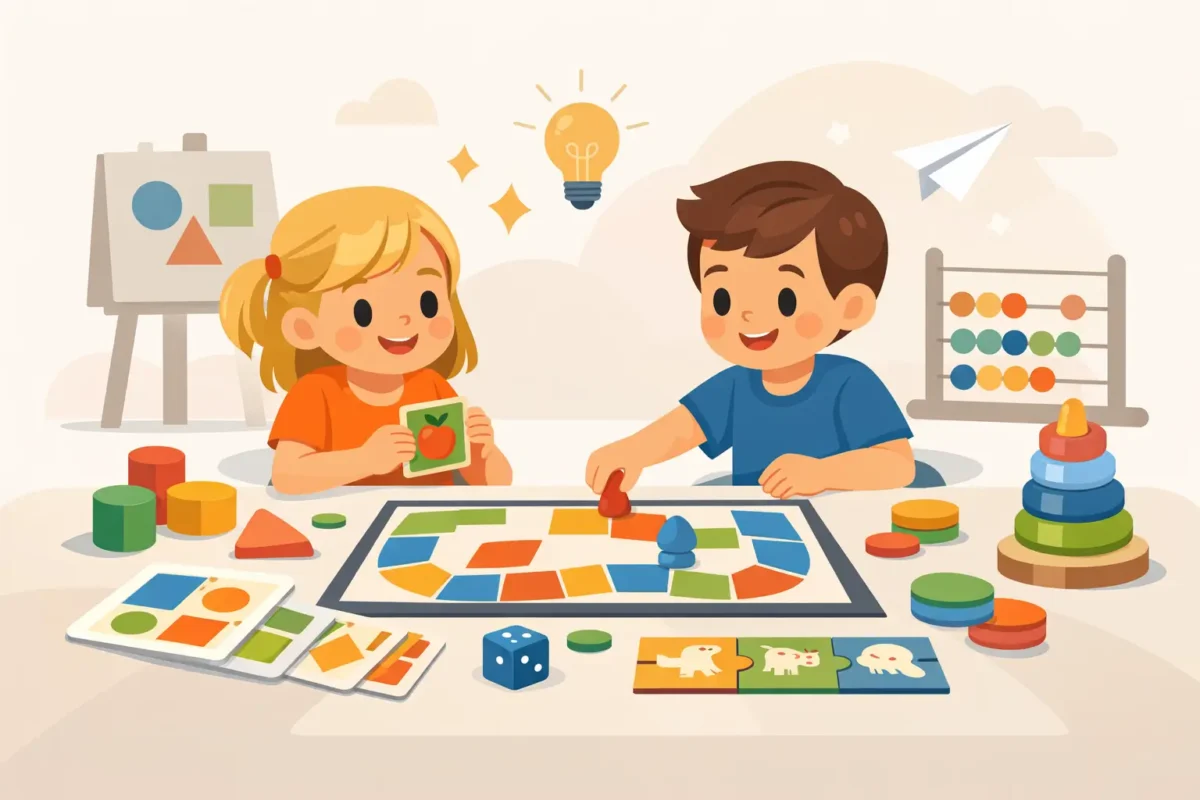
Paper practice works best when it is part of a varied experience. After completing a beginning-sound page, invite children to hunt for objects around the room that start with the same sound. After reading a CVC word, let them hop once for each sound. These small changes can help active learners stay engaged.
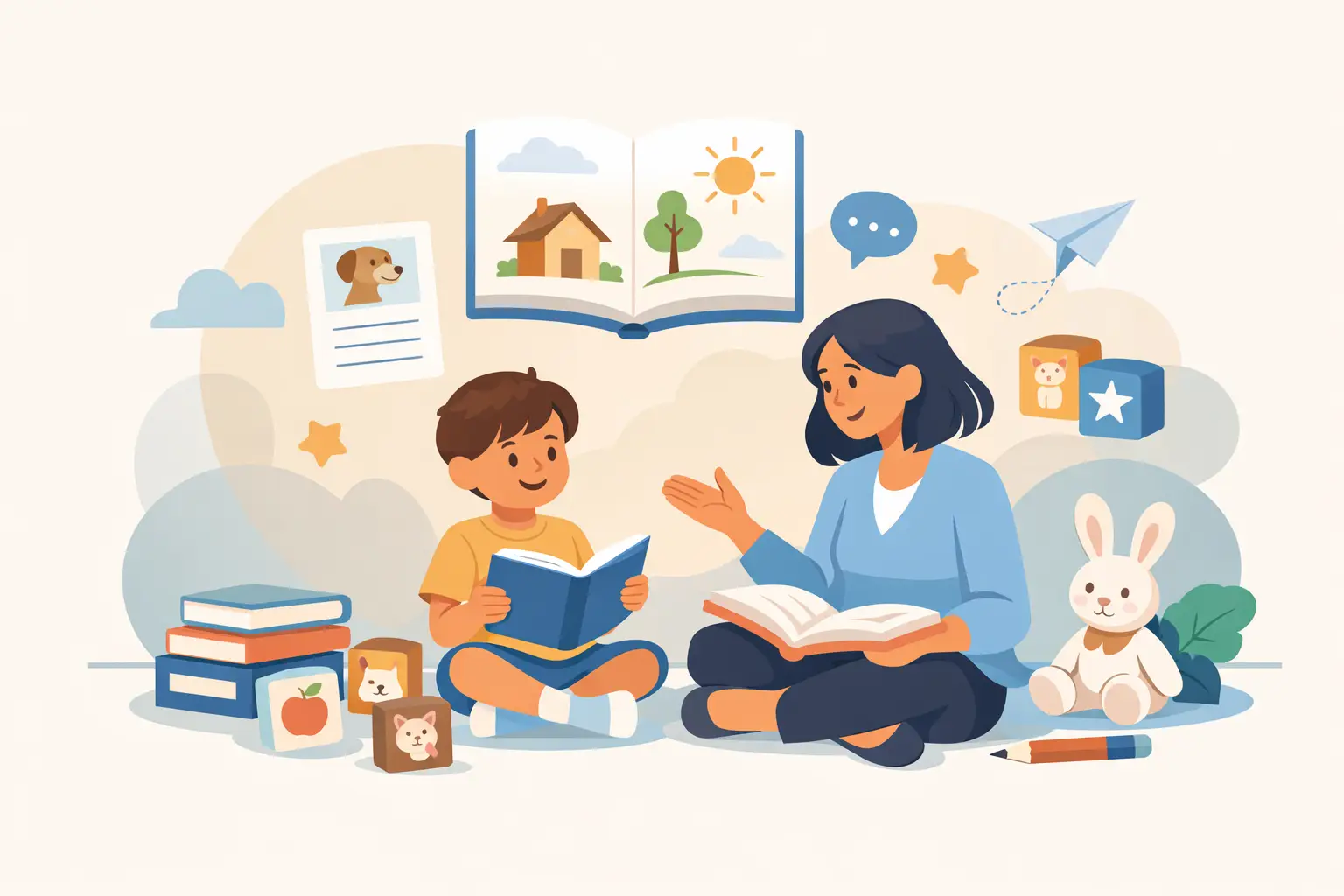
Talking also strengthens reading growth. During read-aloud time, point to the title, run your finger under a repeated phrase, and let children predict what might happen next. They are learning book habits, vocabulary, and comprehension even before they can read every word themselves.
Notice Progress Without Adding Pressure
Beginning readers often grow in bursts. One week, a child may only identify a few letter sounds. Soon after, they may begin noticing those sounds everywhere. Keep a few completed pages or jot down words they can read independently so you can see progress that might otherwise be easy to miss.
Celebrate effort with specific feedback. Instead of saying only “Good job,” try, “You listened carefully for the first sound,” or “You blended those sounds all by yourself.” Specific praise tells children what they did well and encourages them to try again.
If a child frequently guesses at words, avoids reading activities, or struggles to remember sounds after plenty of gentle practice, slow down and simplify. Talk with their teacher if concerns continue. Early support is most helpful when it feels encouraging, not alarming.
A beginning reader does not need perfect pages or long lessons. They need a patient adult, a few well-chosen activities, and many chances to say, “I can read that.” Keep practice warm, brief, and playful, and those little words will begin to add up.