A preschooler who proudly traces three letters on Monday may want nothing to do with the same page by Thursday. Young children need repetition to build skills, but they also need enough variety to stay interested. That is where worksheet subscriptions can be helpful for busy parents, teachers, daycare providers, and homeschool families.
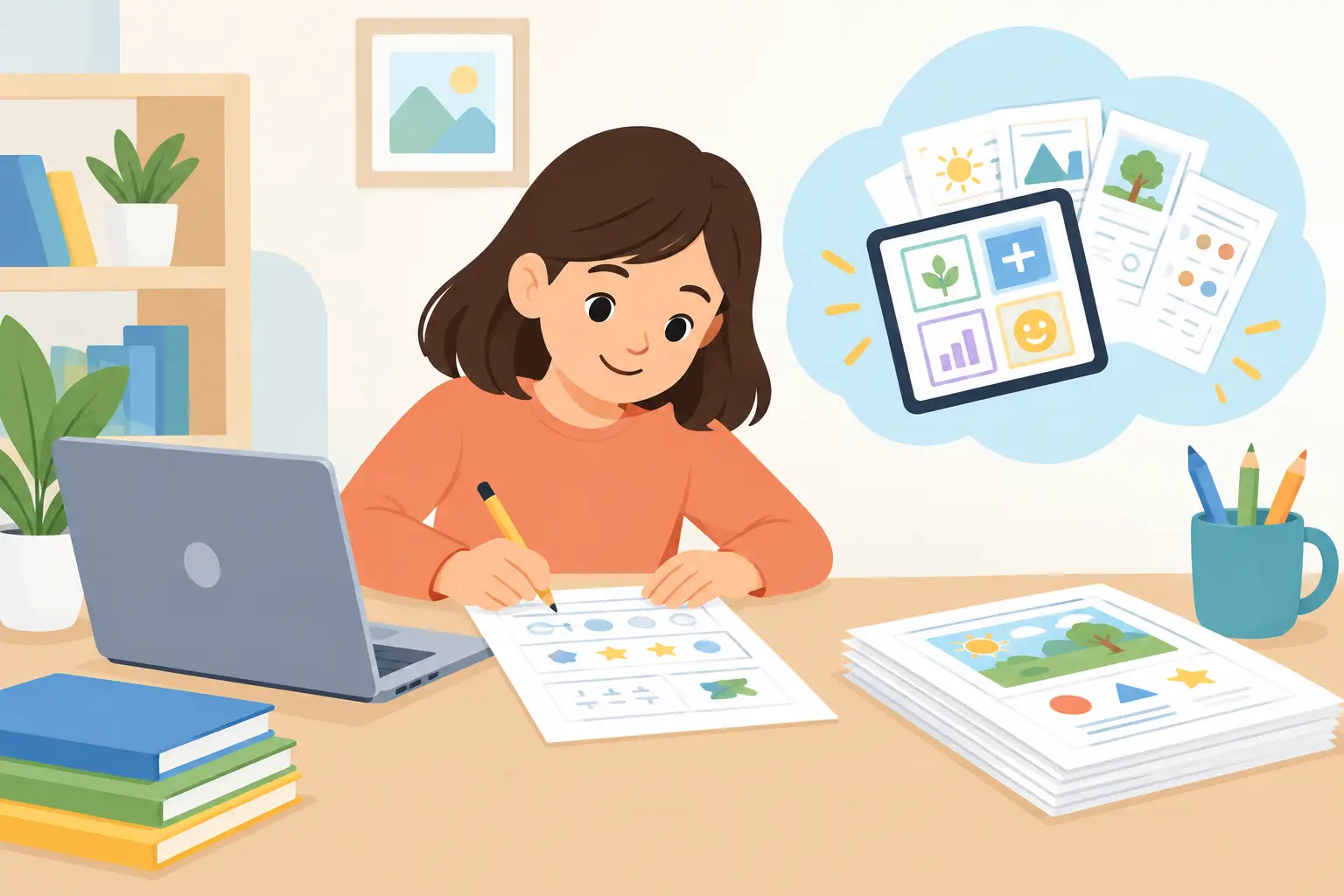
Instead of searching for a new activity every time a child is ready to practice, a subscription can provide a steady stream of printable learning pages. The best option makes it easier to offer meaningful practice in short, cheerful bursts – without spending your evening creating materials from scratch.
What Are Worksheet Subscriptions?
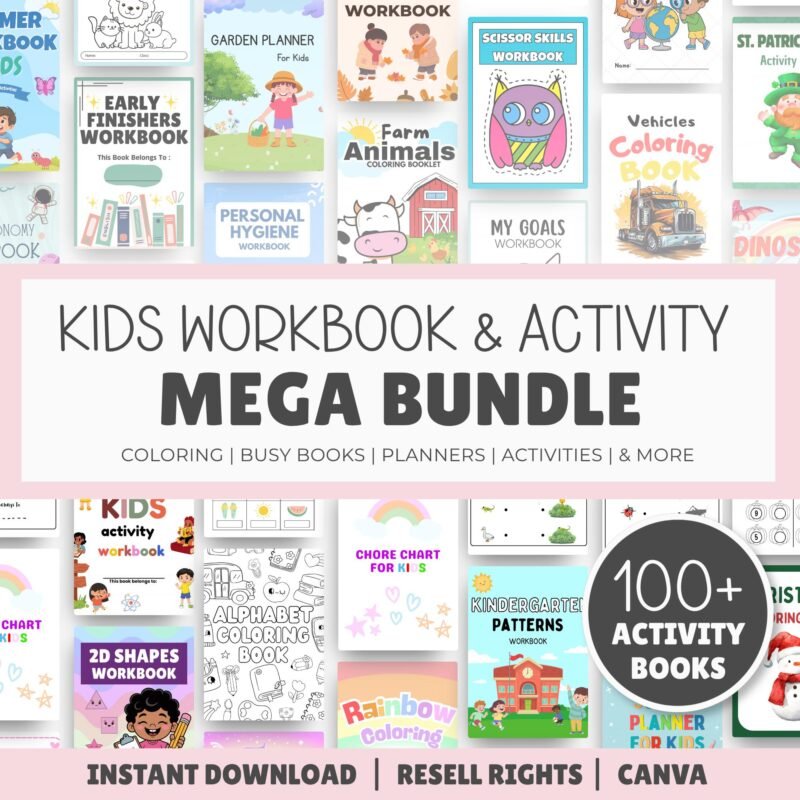
Worksheet subscriptions are recurring plans that give families or educators access to printable educational activities. Depending on the provider, members may receive new worksheets each month, access to a growing resource library, themed activity packs, or a set number of downloads.
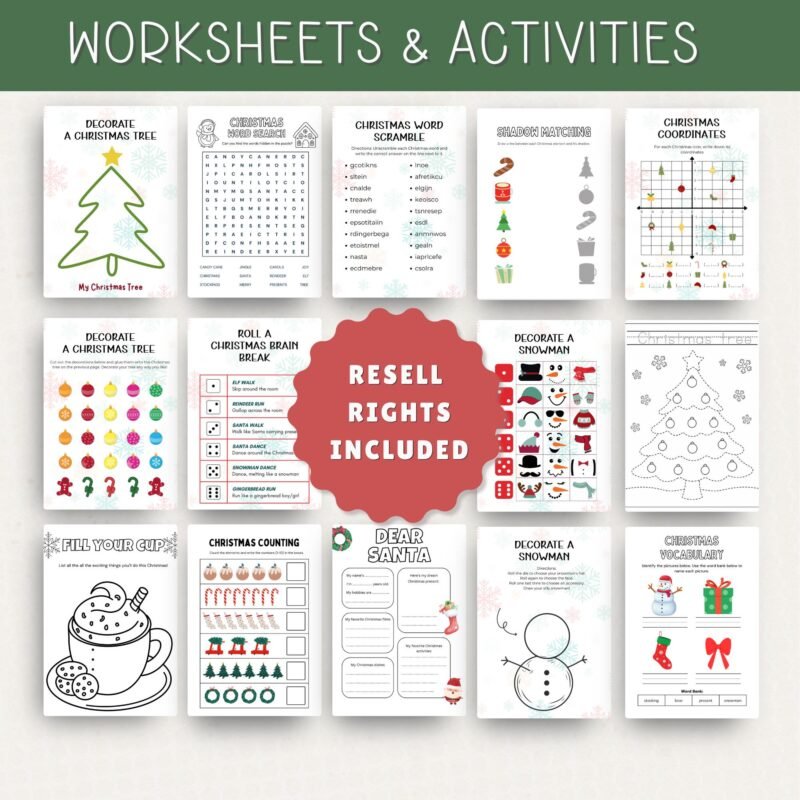
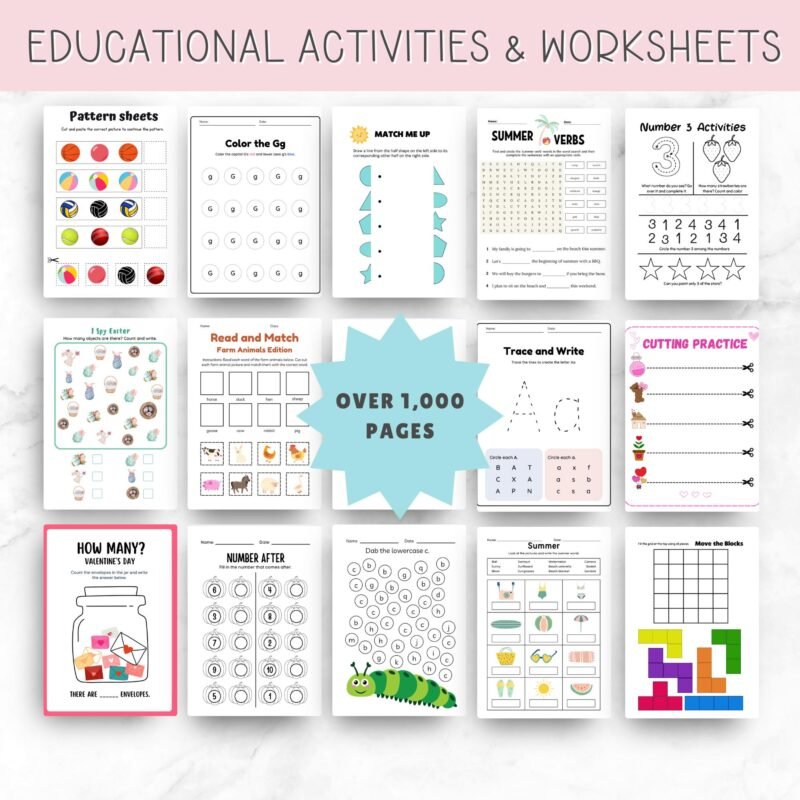
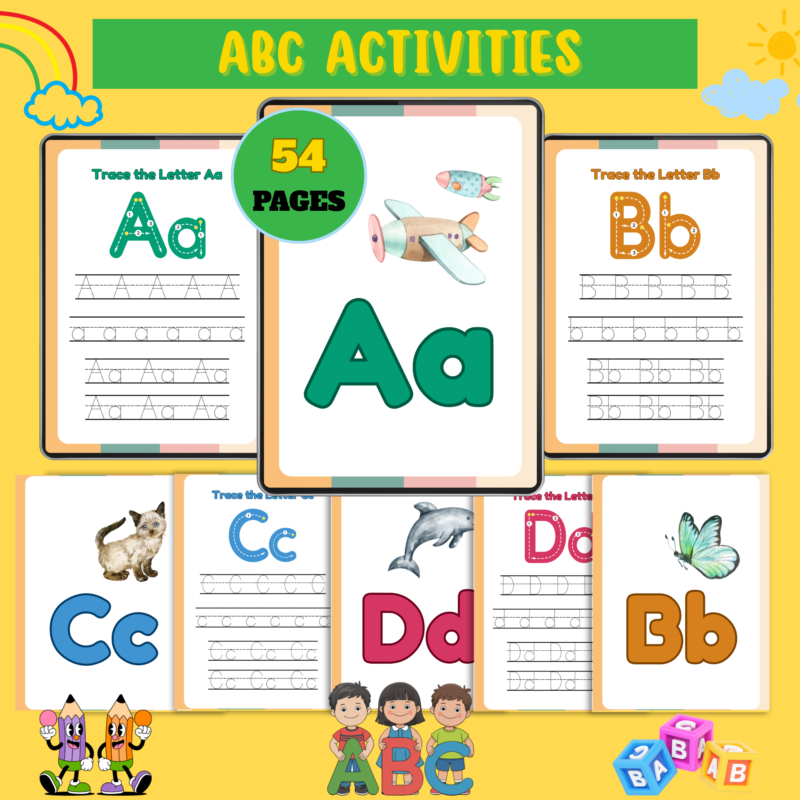
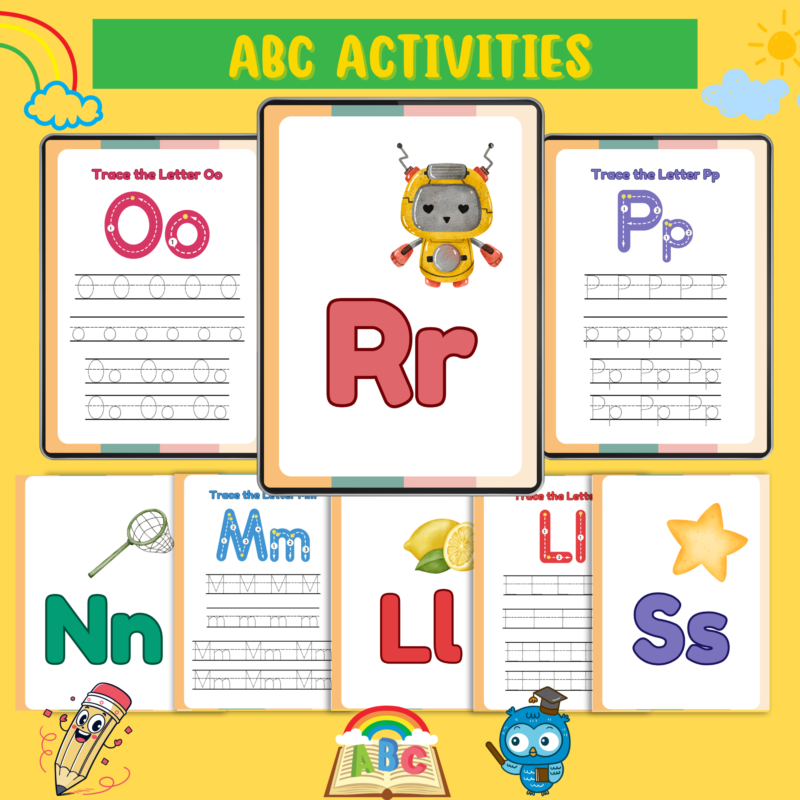
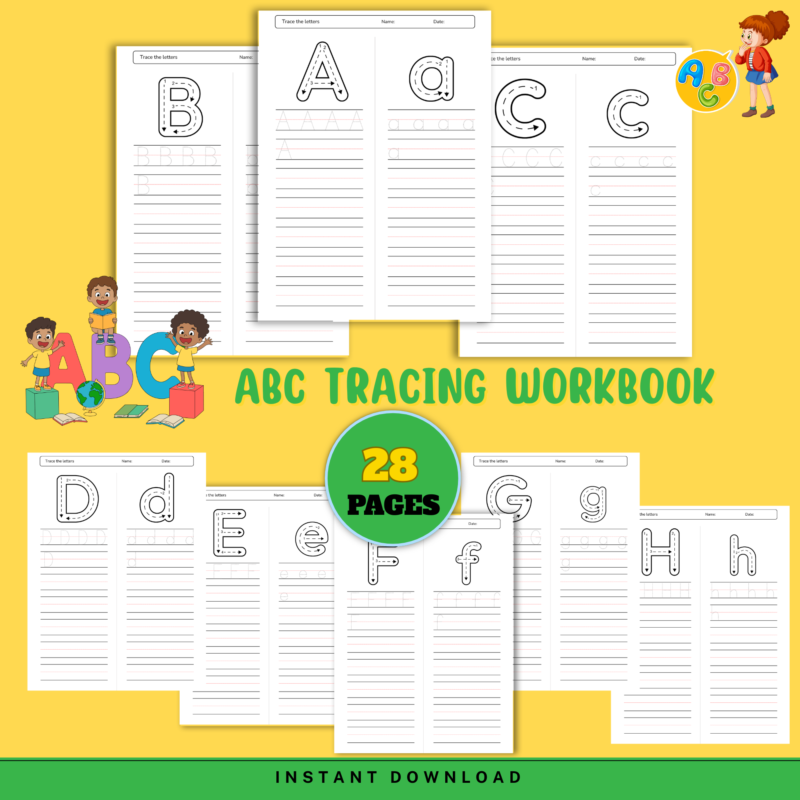
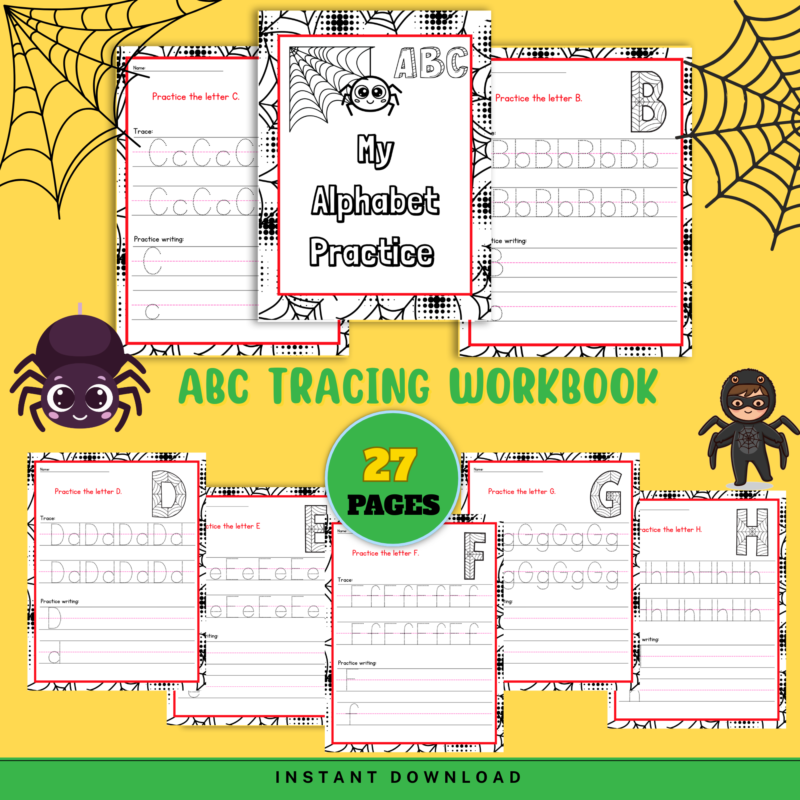
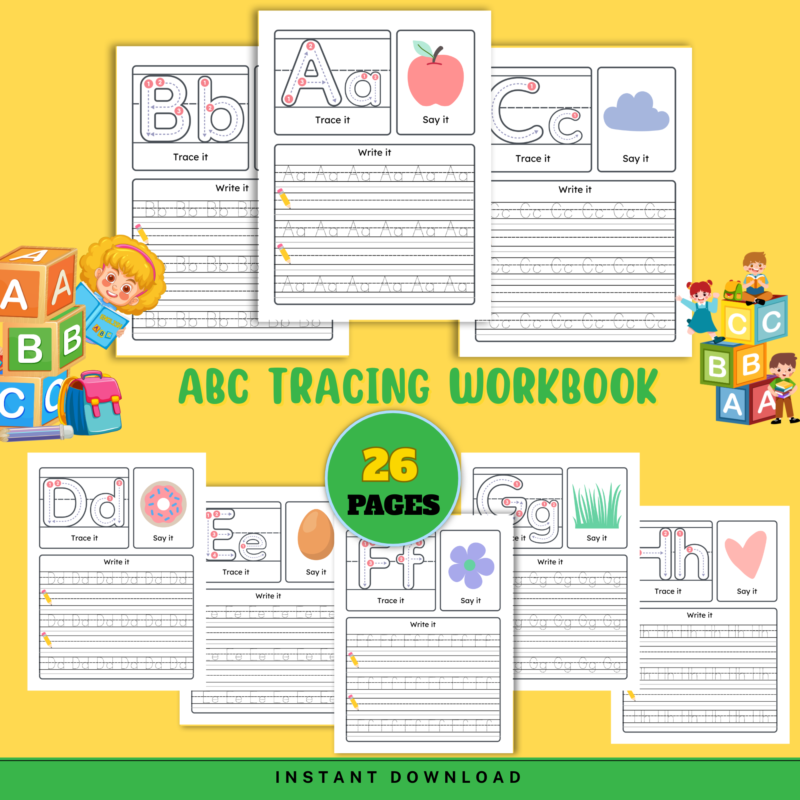
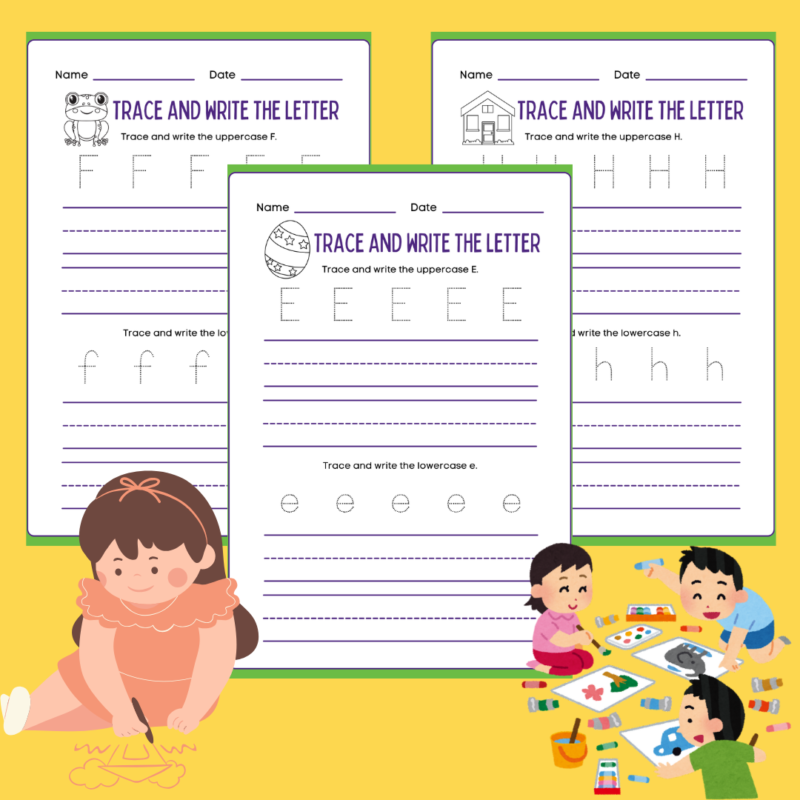
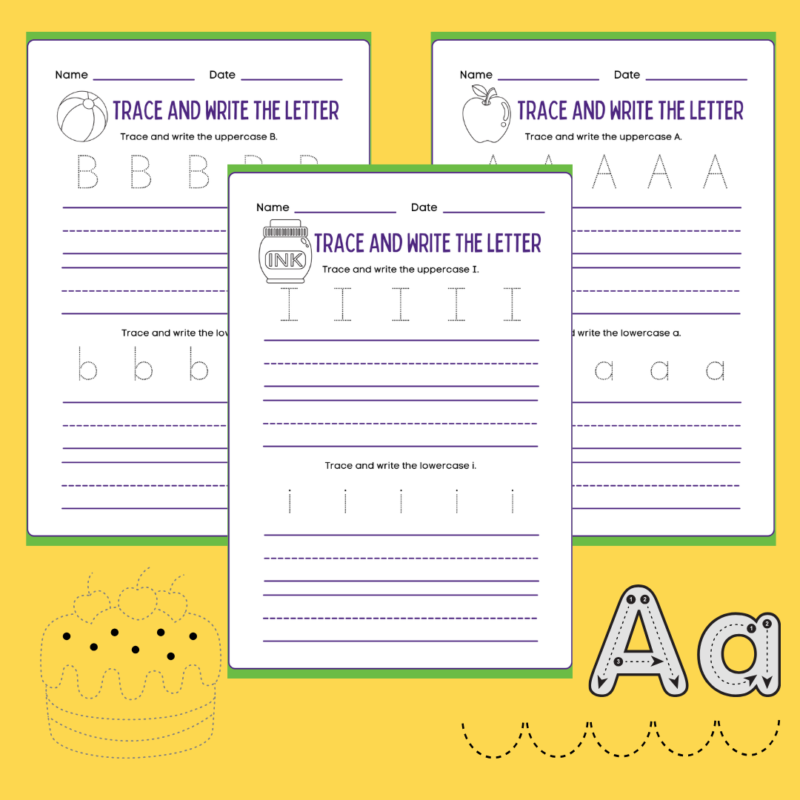
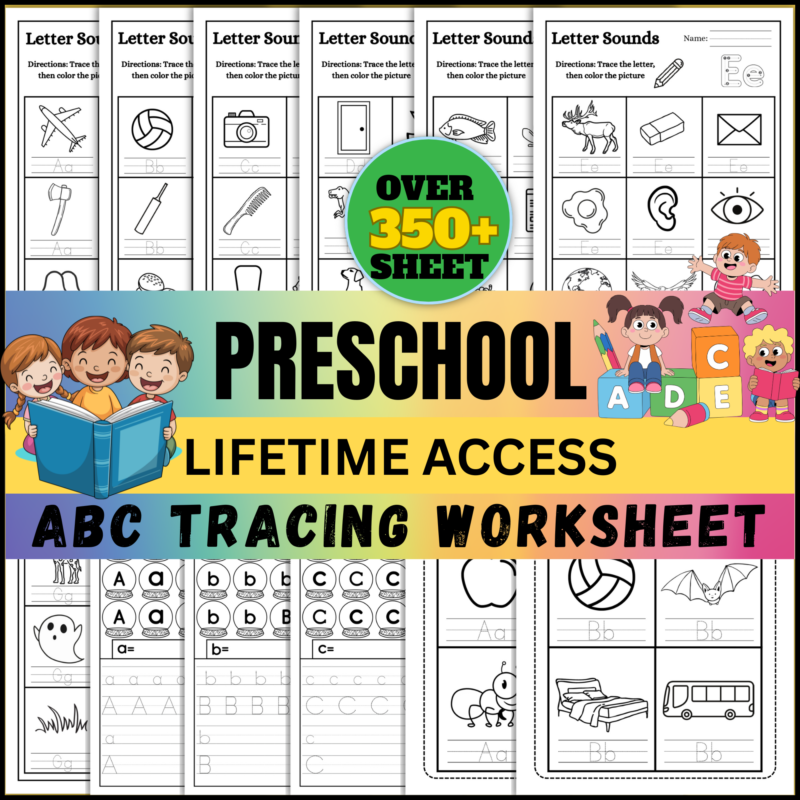
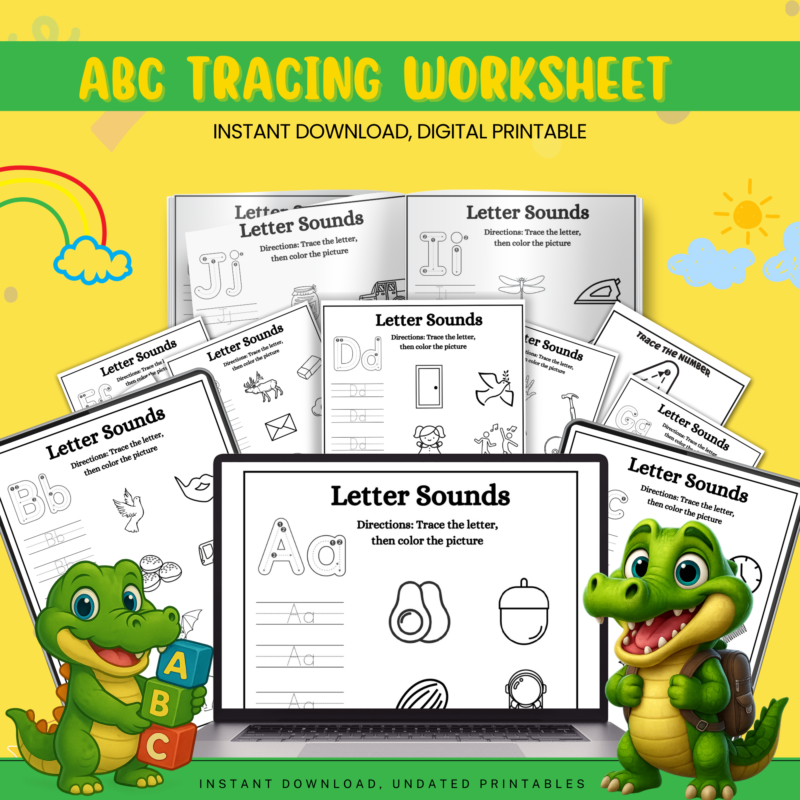
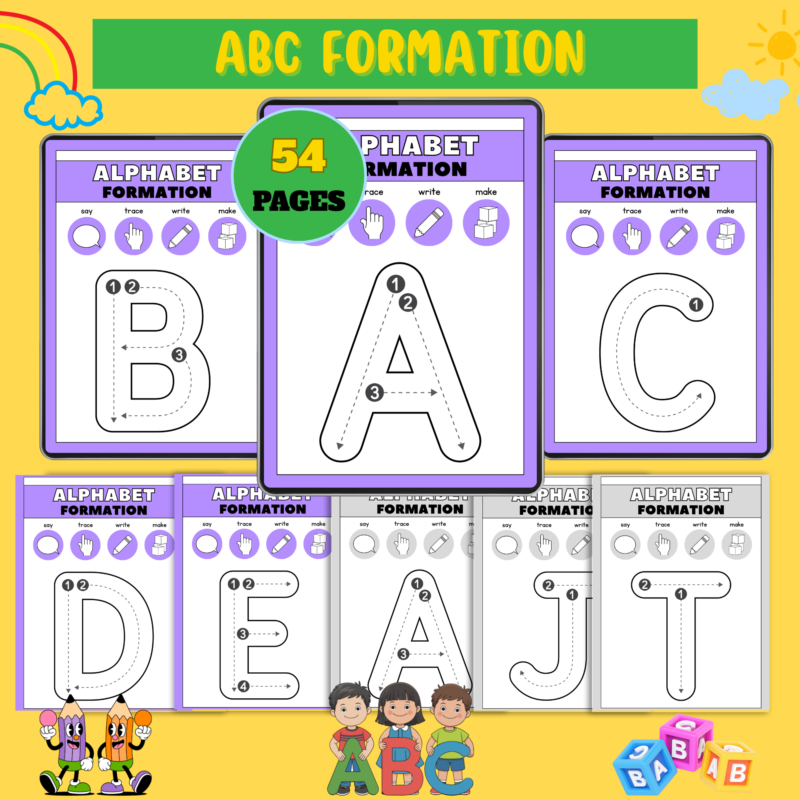
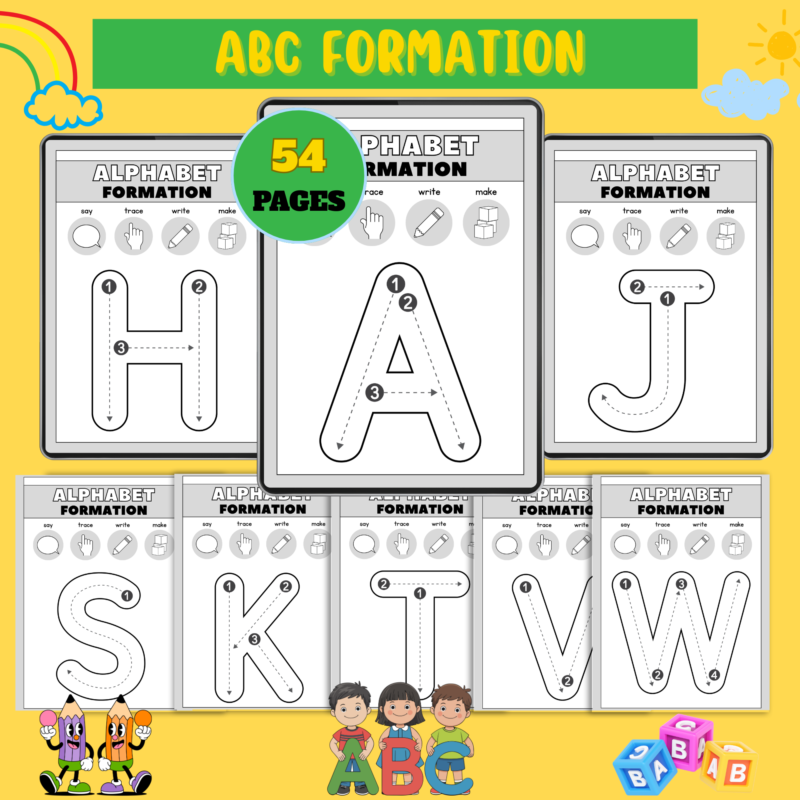
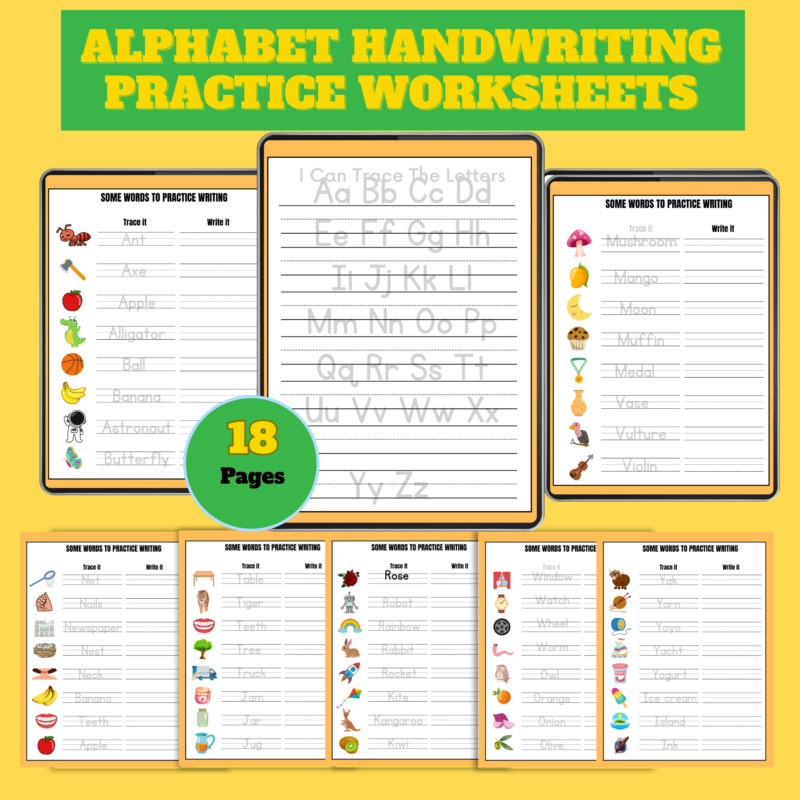
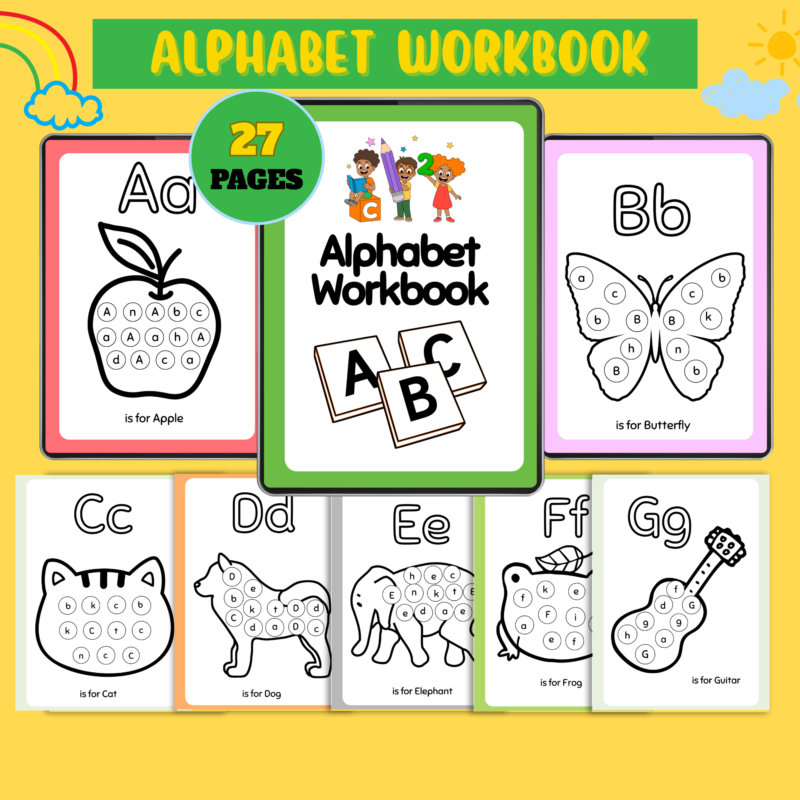
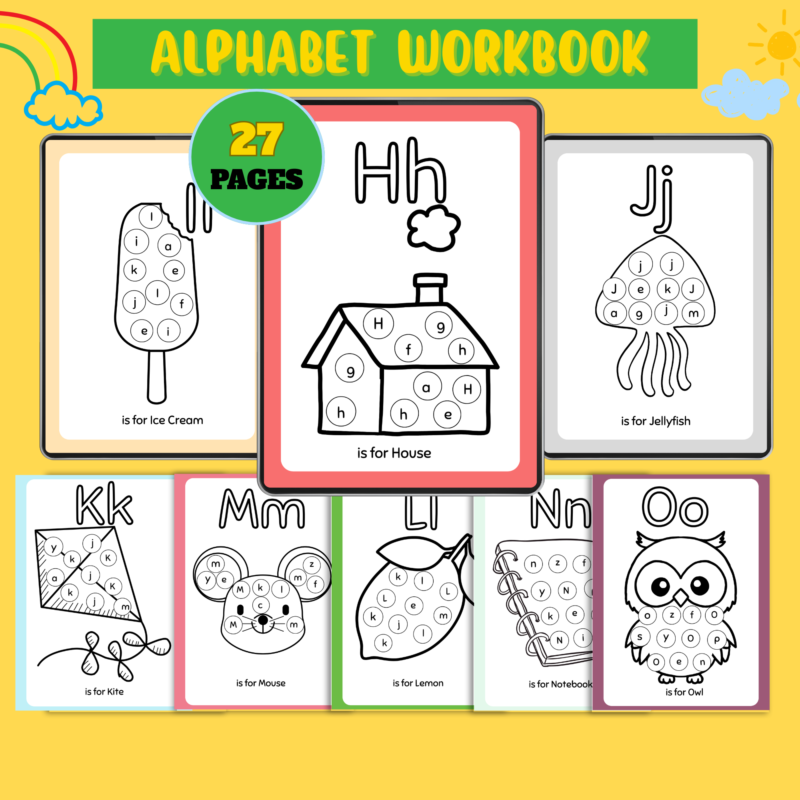
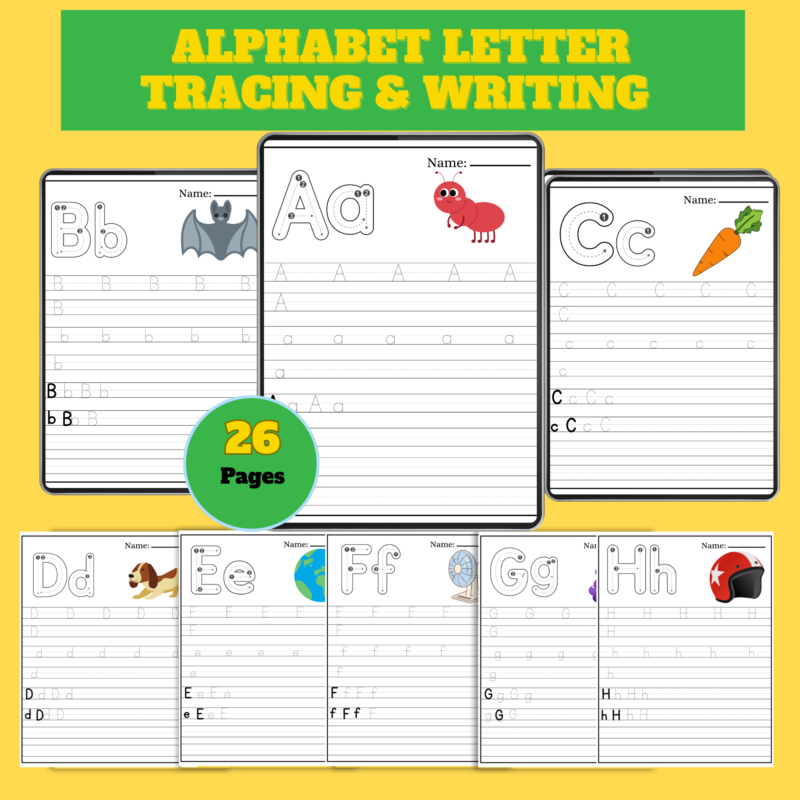
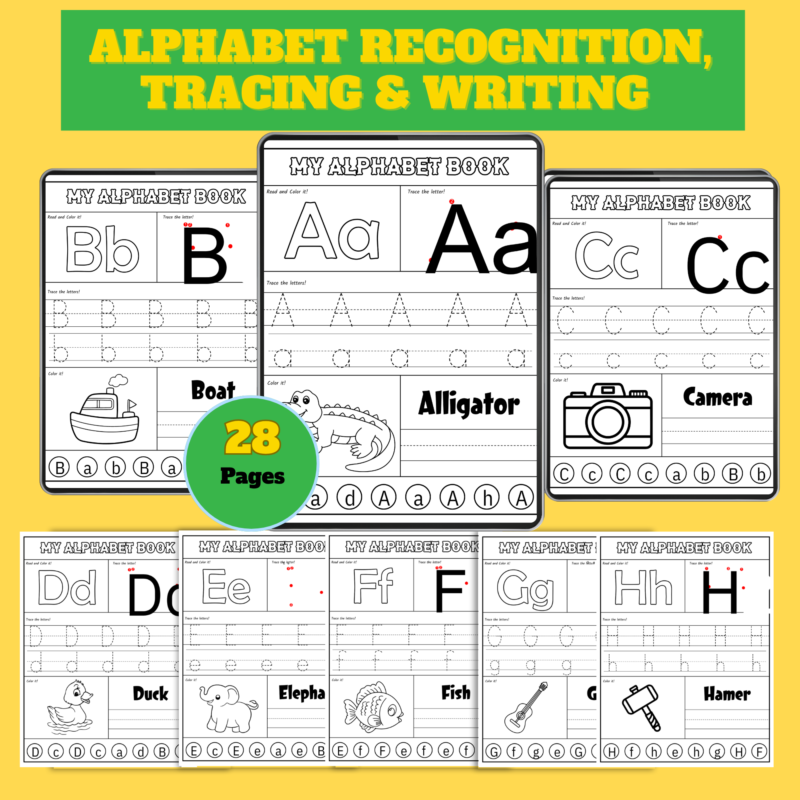
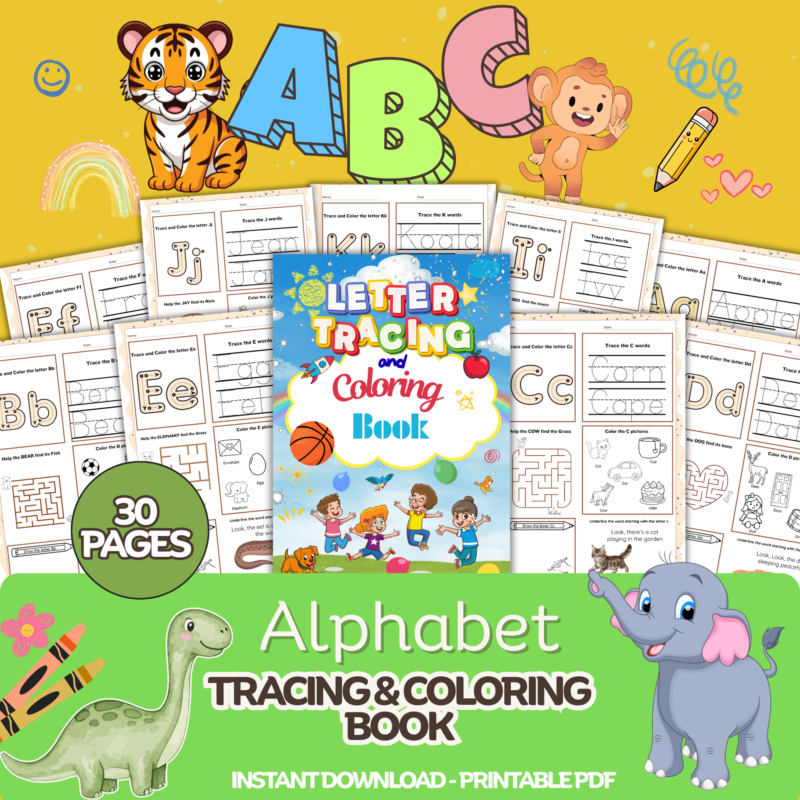
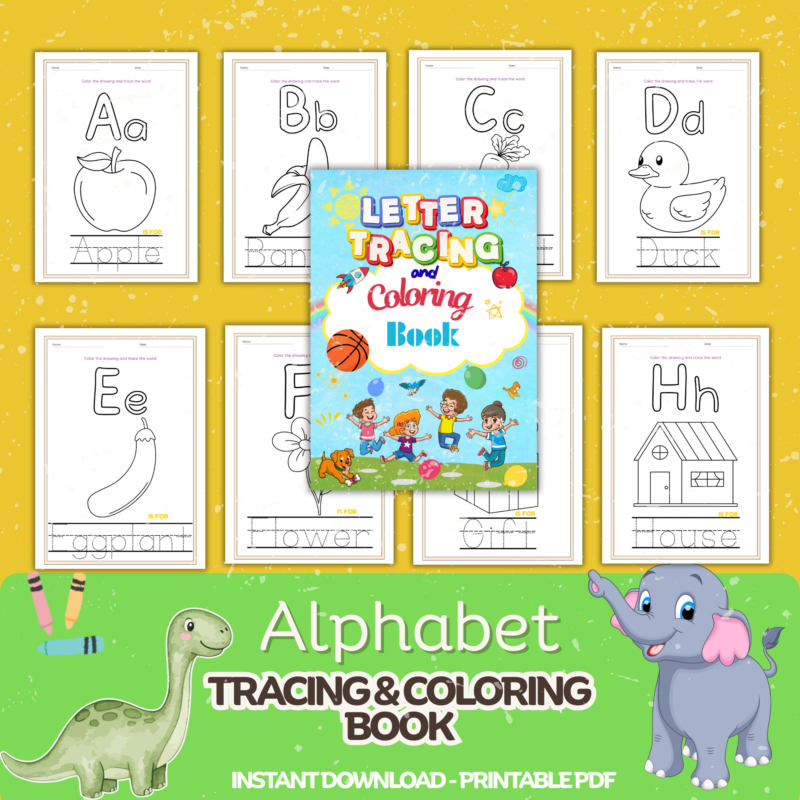
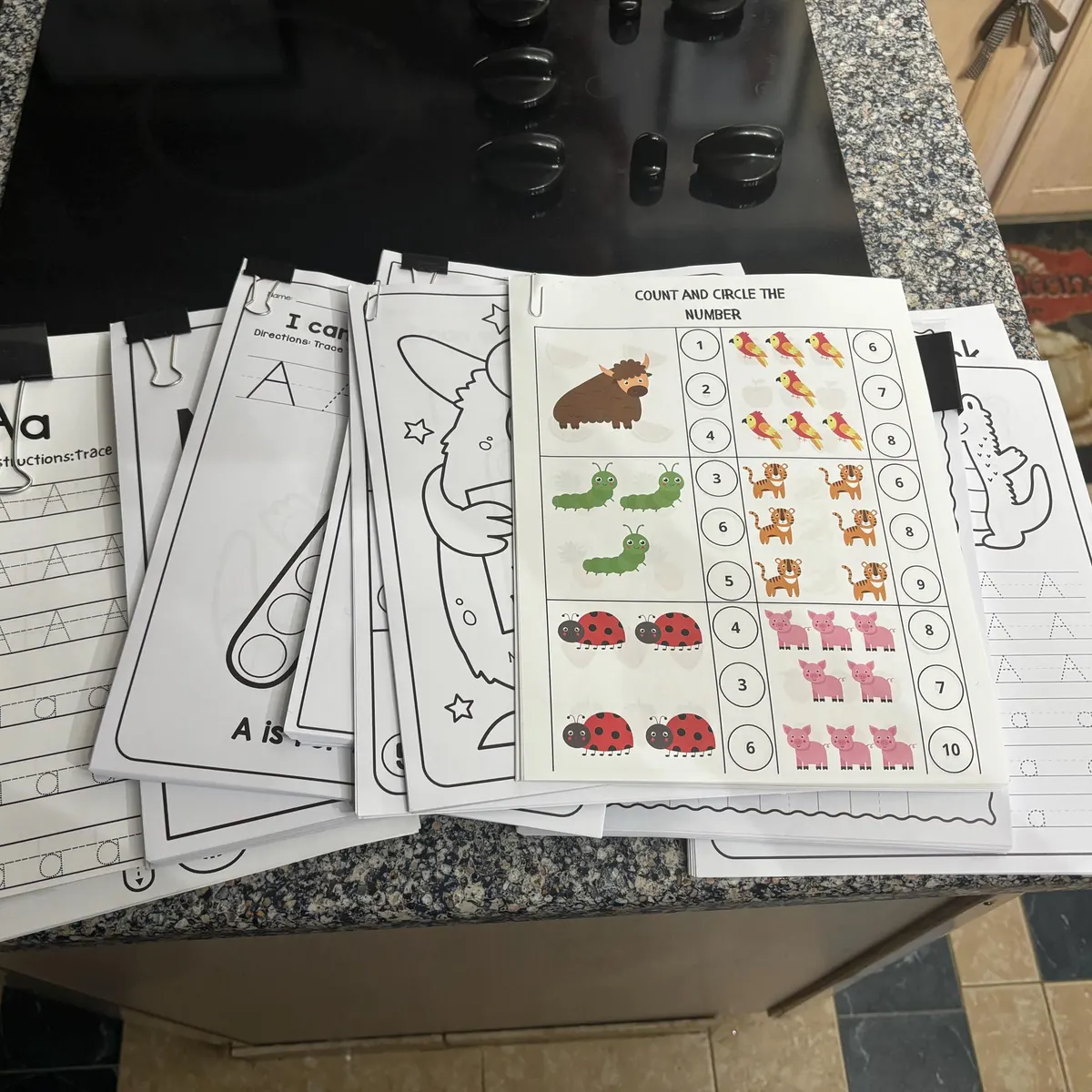
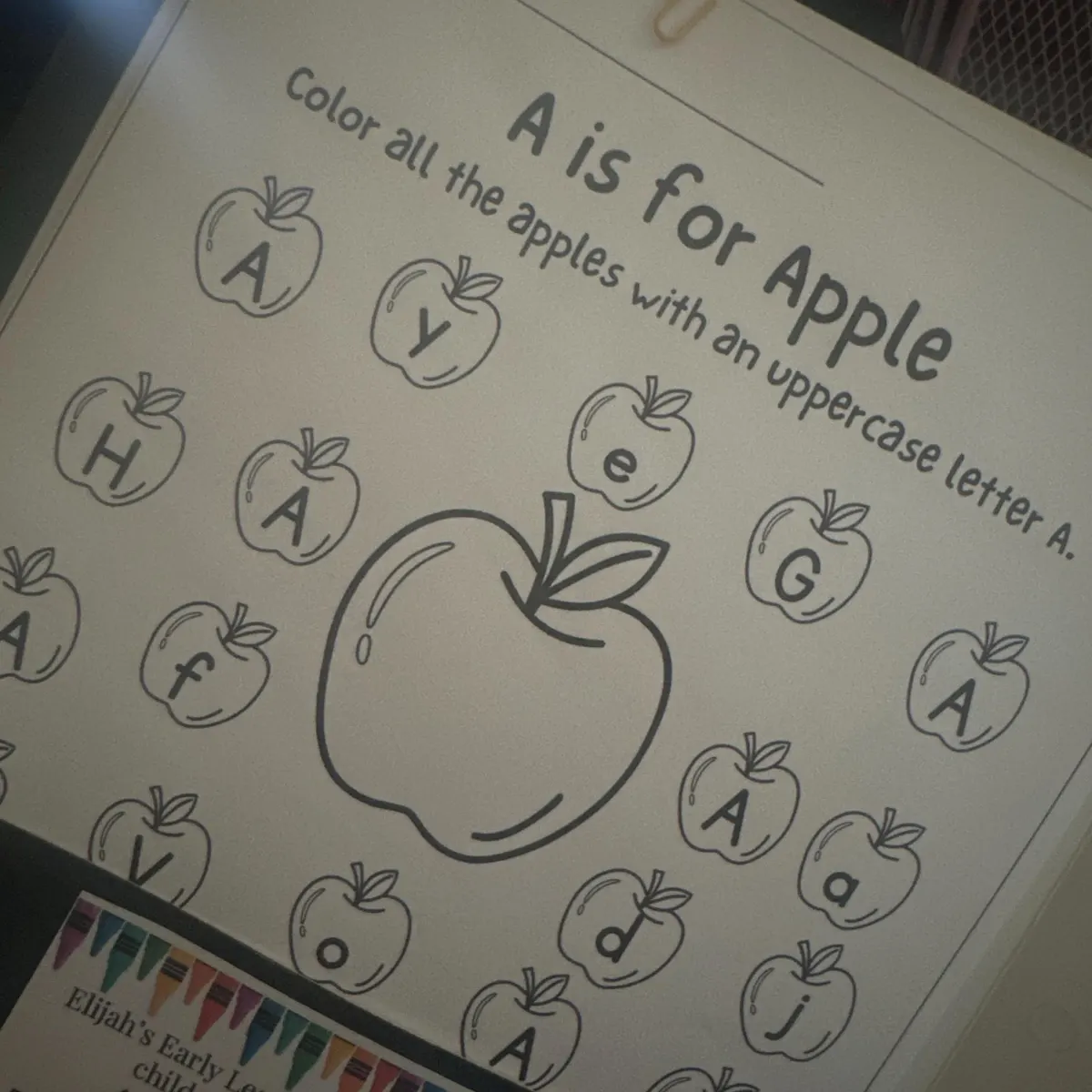
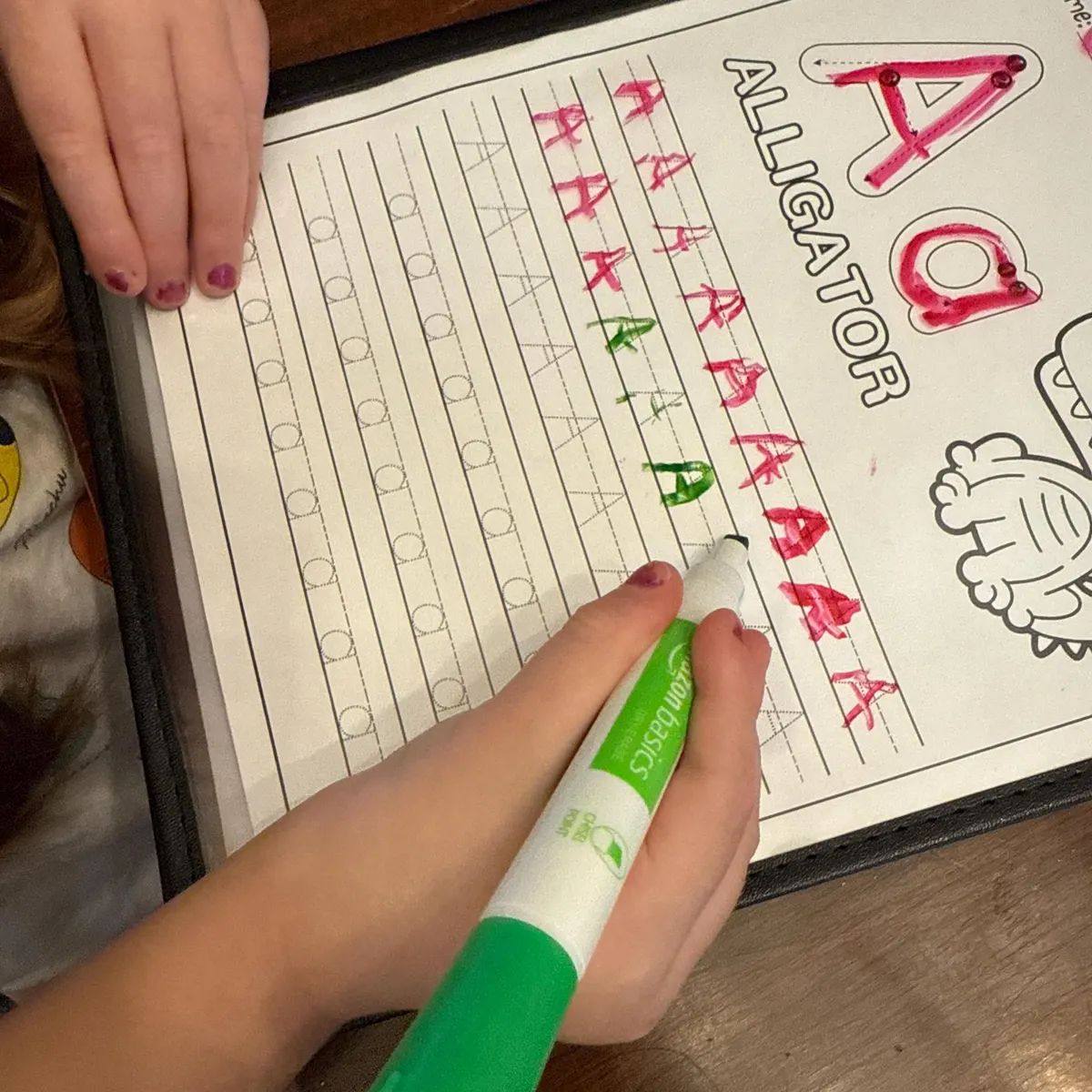
For early learners, the materials often focus on the skills children practice most: alphabet recognition, letter tracing, handwriting, phonics, beginning reading, number recognition, counting, simple addition and subtraction, coloring, cutting, and fine motor activities. Many plans also include seasonal pages, games, and simple review work that can fit into a home routine or classroom center.
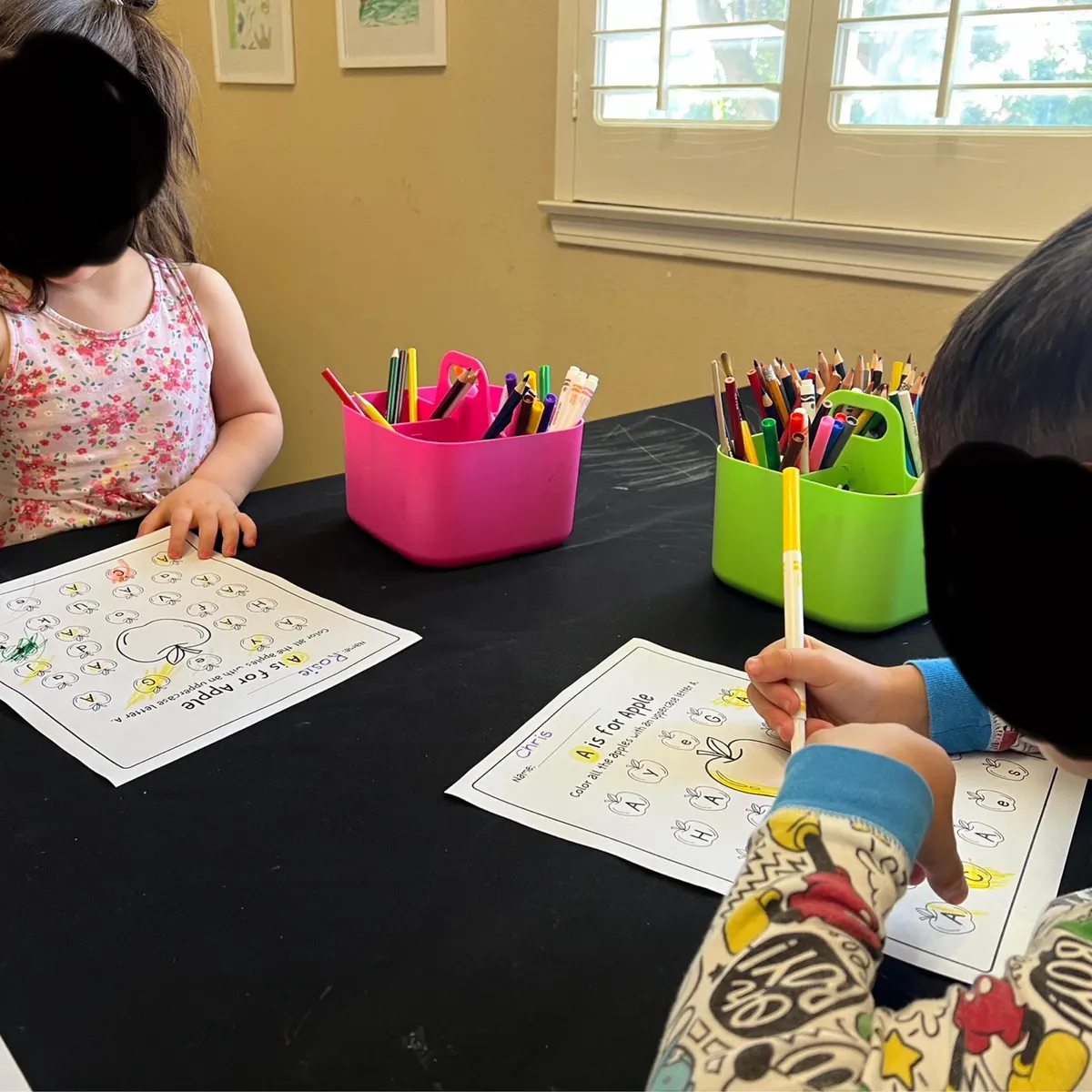
The biggest benefit is not simply having more pages to print. It is having age-appropriate choices ready when you need them. A parent can pull out a five-minute counting activity before dinner. A kindergarten teacher can prepare a letter-sound center without starting from a blank document. A homeschool family can add extra practice when a child needs more time with a new skill.
When Worksheet Subscriptions Make Sense
A subscription is often a good fit when you use printables regularly and want less prep work. If you are always looking for tracing sheets, morning work, quiet-time activities, or skill review, having an organized collection can save real time.
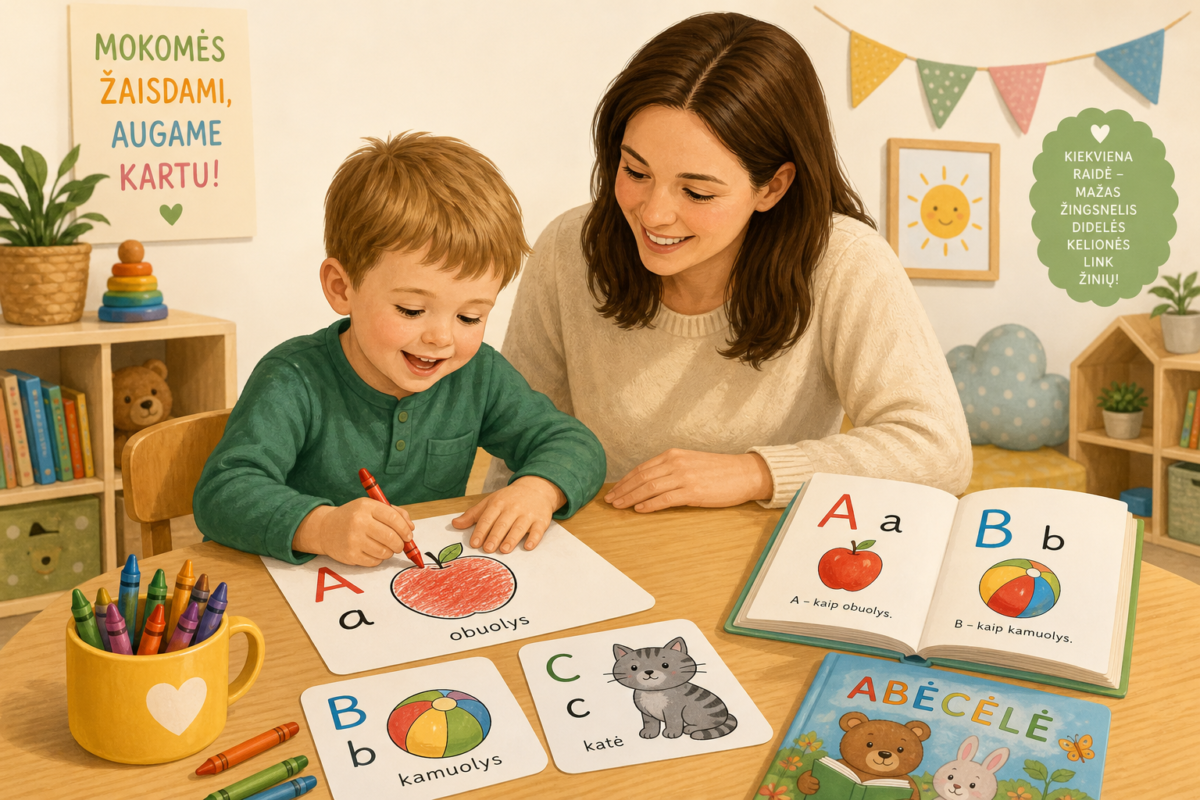
They can be especially useful for children ages 2 to 8 because early learning is built through repeated, hands-on practice. A child may recognize the letter M one day but still need many friendly reminders before connecting it to its sound, tracing it with control, and finding it in a simple word. Printable activities give adults an easy way to revisit that skill without making practice feel like a big lesson.
Subscriptions can also help classrooms and daycare settings where several children need activities at different levels. One child may be ready to write their name, while another is still strengthening pencil grip and tracing simple lines. Access to a range of printable worksheets makes it easier to offer appropriate choices without asking every child to complete the exact same page.
Still, a subscription is not automatically the best value for every family. If you only print a few worksheets each month, buying individual activity packs may make more sense. The same is true if your child strongly prefers books, manipulatives, outdoor learning, or open-ended art. Worksheets work best as one useful part of a balanced early learning routine, not as the whole routine.
What to Look for in Worksheet Subscriptions
Not all printable memberships are equally helpful. Before signing up, consider how easily the materials will fit into your actual week. A large library sounds exciting, but it can feel overwhelming if pages are hard to find or not clearly organized by skill.
Look for resources that are grouped in practical ways, such as alphabet practice, phonics, early math, handwriting, fine motor skills, and seasonal learning. Clear labels help you quickly choose a page that matches what your child or students are working on now.
Age-appropriateness matters just as much. Preschoolers often need large print, simple instructions, room to color, trace, and point, plus activities that support hand strength and visual attention. Kindergarten learners may be ready for more letter formation, beginning sounds, sight word practice, counting sets, and simple equations. A quality worksheet should give children a reachable challenge, not a page crowded with directions they cannot yet understand.
It is also smart to check the practical details before you commit. Consider these questions:
- Are the worksheets printable as easy-to-use PDF files?
- Is access immediate, or do you need to wait for materials to arrive?
- Can you print pages more than once for extra practice?
- Are there fresh activities added regularly?
- Does the plan work for home use, classroom use, or both?
- Is the price reasonable for how often you will use it?
A subscription should reduce friction. If downloading, printing, or finding the right activity feels complicated, it may not deliver the time-saving benefit you expected.
How to Use a Worksheet Subscription Without Overdoing It
Children do not need a stack of worksheets every day to make progress. In fact, shorter practice sessions are often more successful. One tracing page, a quick counting activity, or a simple phonics game can be plenty for a young learner.
Try connecting worksheets to the rhythm of your day. A letter page can become a calm breakfast-table activity. A coloring-and-counting sheet can work during quiet time. A board game printable can turn Friday afternoon into review that feels more like play. When learning pages appear in predictable, low-pressure moments, children are more likely to participate willingly.
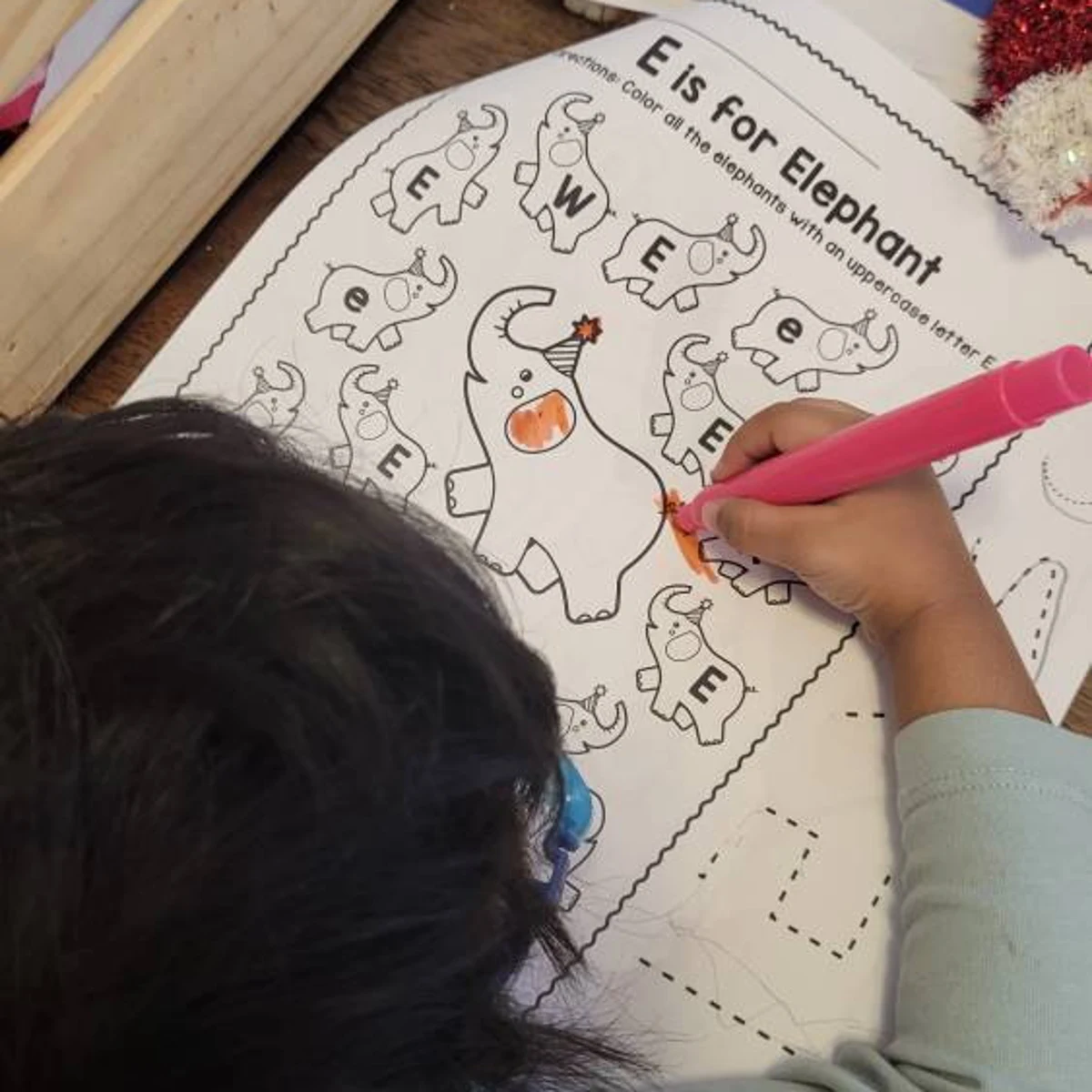
For preschoolers, focus on the process rather than a perfect finished page. Celebrate effort: holding the crayon with more control, tracing from left to right, noticing a familiar letter, or counting objects one at a time. These small wins build confidence and encourage children to try again.
For kindergarteners, use worksheets to reinforce skills they are already meeting through stories, songs, classroom lessons, and daily conversation. If your child is learning the sound of B, pair a beginning-sound page with a quick hunt for objects around the house that start with that sound. If they are practicing addition, use small toys or snack pieces to act out the math problem before writing the answer.
The printable page becomes more meaningful when it connects to something a child can see, touch, say, or do.
Making Fresh Printables Feel Fun
Variety is one reason families enjoy a subscription, but presentation matters too. A child may be more excited to practice the same skill when the page includes animals, seasonal pictures, a maze, coloring, cut-and-paste pieces, or a simple game.
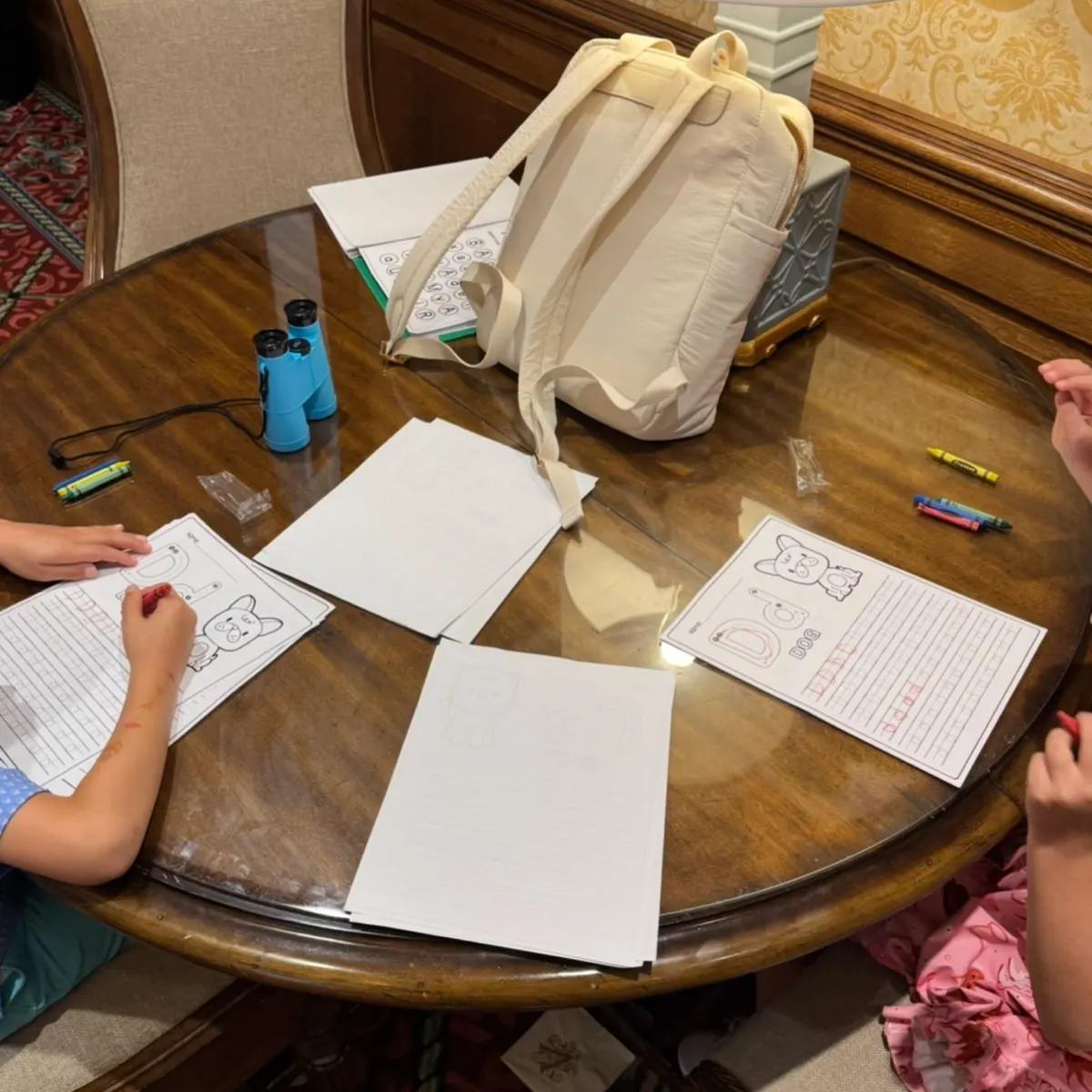
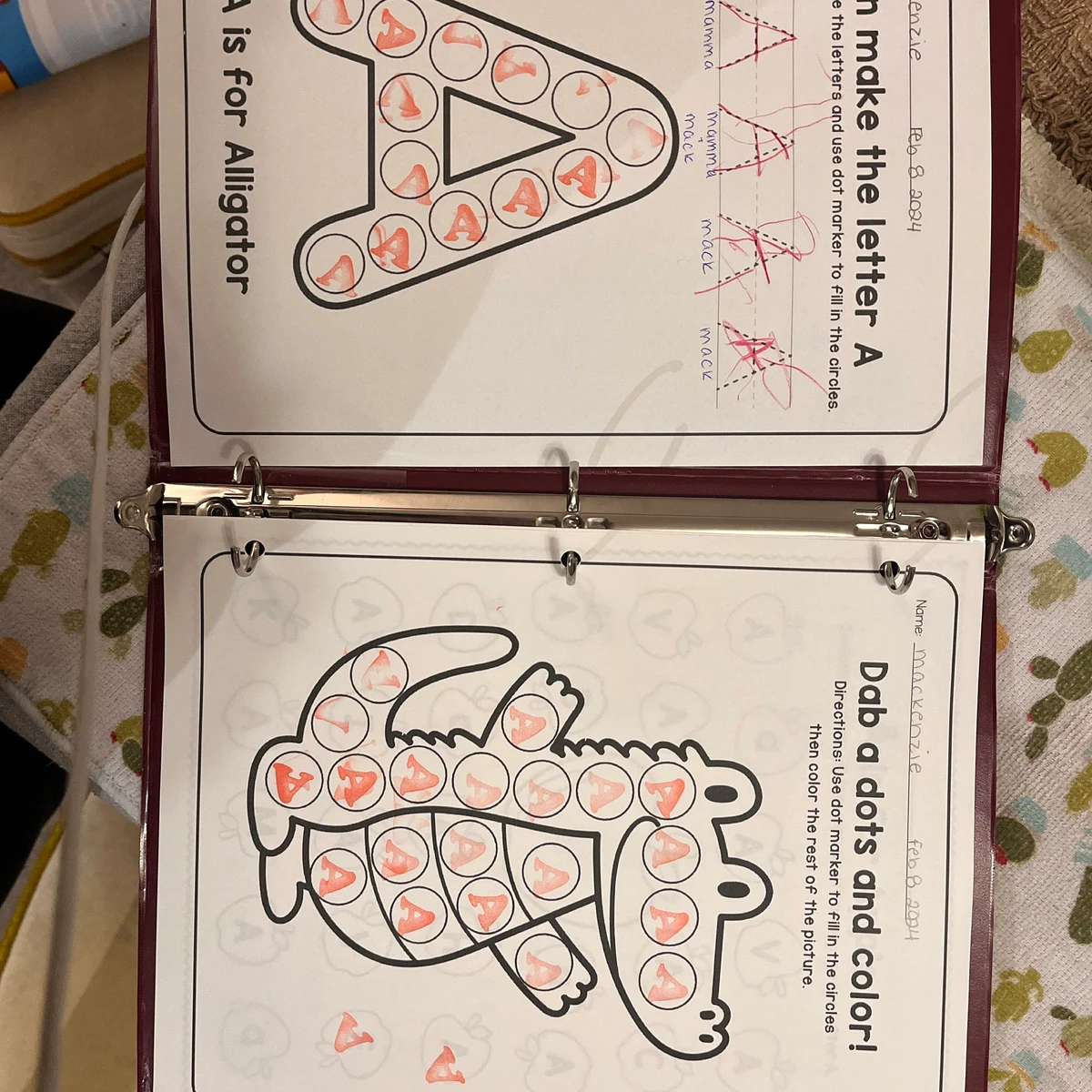
You can add extra fun without adding much work. Let your child choose between two appropriate pages. Use crayons, dot markers, stickers, or a favorite pencil. Place completed worksheets in a special learning folder so children can look back at how much they have learned. For reluctant learners, start with an easier page and end while the experience is still positive.
Teachers can rotate printable activities through independent work bins, early-finisher folders, small groups, and learning centers. Reusing a familiar format with new content is often helpful. Children know what to do, so they can spend more energy on the skill instead of figuring out the directions.
A Better Way to Judge the Value
The value of worksheet subscriptions is not measured by how many pages you download. It is measured by how often those pages help you create calm, useful learning moments.
A good membership gives you choices when your child wants to practice, when a student needs extra support, or when you need a screen-free activity that has a clear purpose. It should help children build early literacy, math, and fine motor confidence one manageable step at a time.
Choose materials that feel welcoming, simple to use, and right for your learner’s stage. Then print only what you can enjoy together – because a cheerful ten minutes of practice can do far more than a perfect stack of unfinished pages.


















2 thoughts on “Are Worksheet Subscriptions Worth It for Kids?”