A child who can count to 10 may still pause when asked to match the numeral 7 to a group of seven objects. That small gap is where number puzzle printables can make a real difference. They turn an abstract early math skill into a hands-on activity children can see, touch, and solve one piece at a time.
For parents, teachers, and homeschool families, printable number puzzles offer a simple way to add meaningful math practice without setting up a complicated lesson. Print a page, cut apart the pieces when needed, and let children match, count, trace, or build. The activity feels playful, but each completed puzzle strengthens a foundation young learners will use for years.
Why Number Puzzle Printables Work for Young Learners
Early math is about much more than reciting numbers in order. Preschoolers and kindergarteners need repeated chances to recognize numerals, understand that each number represents an amount, compare quantities, and notice patterns. A puzzle gives them a clear purpose for practicing these skills: find the piece that belongs.
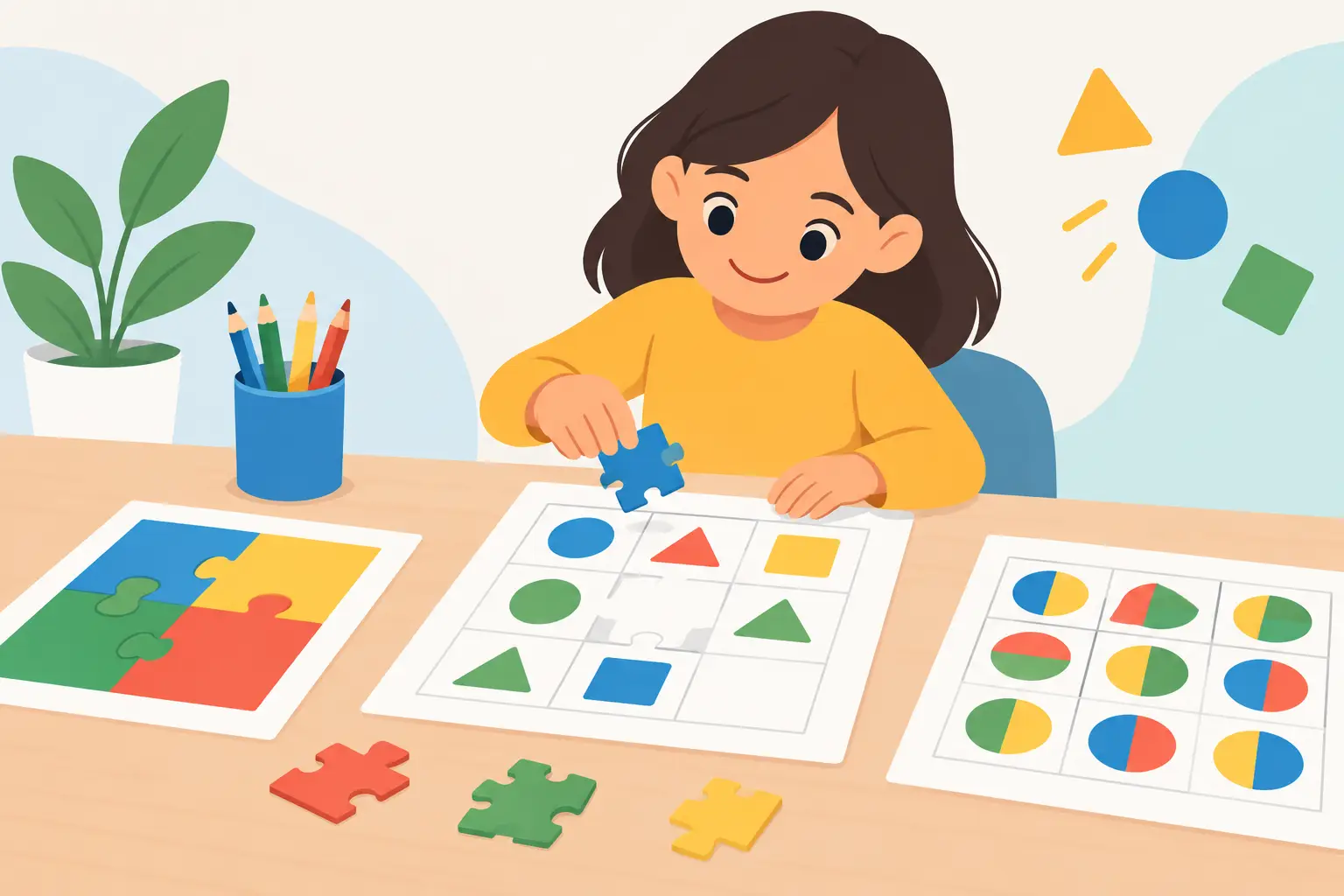
That purpose matters. Instead of asking a child to complete another row of number problems, a puzzle invites them to solve a challenge. They may match a numeral to a ten-frame, connect a number word to the correct digit, or put numbered pieces in order to reveal a picture. The learning is still structured, but the child experiences it as play.
Puzzles also support independent practice. Once children understand the activity, many can work through it with only a quick reminder from an adult. This is especially helpful during morning work, learning centers, quiet time, travel, or the part of the afternoon when you need an engaging screen-free activity ready to go.
Skills Children Practice With Number Puzzles
The best printable number activities do not try to teach every math concept at once. They focus on one clear skill while giving children enough repetition to feel successful. As children grow, you can choose puzzles that add a little more challenge.
Number Recognition
Matching a printed numeral to a picture, dot set, or number word helps children recognize what each numeral looks like. This is a key first step for children who can say numbers aloud but are not yet confident identifying them on a page.
Start with numbers 1 through 5 for younger preschoolers. When those feel comfortable, move to 1 through 10, then 1 through 20. A child who mixes up 6 and 9, or 12 and 21, benefits from short, frequent practice rather than a long worksheet session.
Counting and One-to-One Correspondence
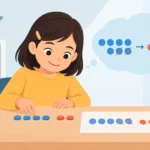
When a child counts objects on a puzzle piece and matches them to the correct numeral, they are practicing one-to-one correspondence. In simple terms, they learn that each object gets one number word and that the final number said tells how many objects there are.
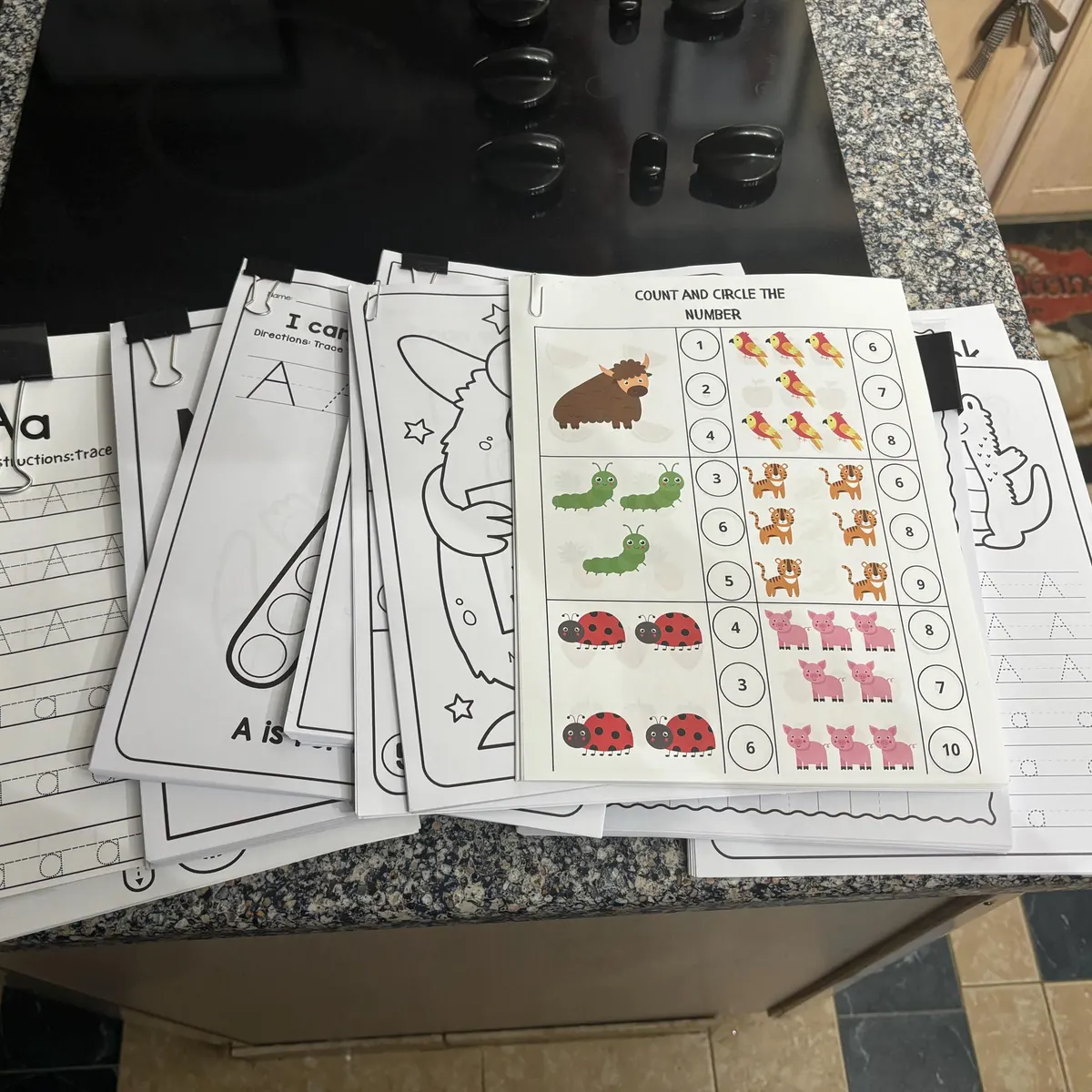
Pictures of familiar items work particularly well here. Children are more likely to stay interested when they are counting apples, animals, stars, or colorful school supplies instead of identical dots every time. The math goal stays the same, while the playful design keeps the activity inviting.
Number Order and Sequencing
Number sequencing puzzles ask children to place numbers in the correct order. A simple strip puzzle can help a child see that 4 comes after 3 and before 5. This supports counting fluency and prepares children for number lines, calendar work, and early addition.
For a child who is still learning the sequence, offer only a few pieces at first. A 1-to-5 puzzle is less overwhelming than a full 1-to-20 set. As confidence grows, mix the pieces up more or remove a piece and ask, “Which number is missing?”
Early Addition and Subtraction Thinking
Number puzzles can also introduce the idea that quantities can be joined or taken apart. For example, a child might match a picture showing two red balloons and one blue balloon to the equation 2 + 1 = 3. Another puzzle may ask them to match a number to two smaller groups that make it.
For preschool and kindergarten learners, the goal is not speed. It is understanding. Using pictures, counters, fingers, or puzzle pieces helps children see what an equation means before they are expected to solve it with numerals alone.
Choosing the Right Number Puzzle for Your Child
The best activity depends on what your child already knows and what needs more practice. A child who can count objects to 10 but does not recognize written numerals needs a different puzzle than a child who knows numerals but struggles to put them in order.
Look for a puzzle with a clear visual match and limited distractions. Cute artwork can make an activity more appealing, but the number skill should remain easy to see. For beginning learners, large numerals, simple images, and a small number range are usually the best fit.
It also helps to consider how the puzzle will be used. A single printable page may be perfect for a quick after-school activity. Cut-apart matching cards work well for a math center or small group. A longer sequence puzzle can keep a child busy during a quiet homeschool block. There is no one right format. The useful choice is the one that matches your child’s attention span and current skill level.
How to Use Number Puzzle Printables at Home or School
A printable puzzle does not need extra supplies to be valuable. In many cases, paper, scissors, and a flat surface are enough. Still, a little preparation can make the activity last longer and feel more special.
For reusable practice, print on heavier paper or laminate the pieces. Store each puzzle in a small envelope, resealable bag, or labeled folder so children can choose it again later. If you do not have a laminator, clear contact paper or cardstock can add some durability.
Begin by showing the child one example. Say what you notice: “This card says 4. Let’s count the ladybugs and find the card that shows four.” Then let the child take over. If they make an incorrect match, avoid rushing in with the answer. Try asking them to count again slowly or compare the pieces side by side.
Short sessions usually work best for young learners. Five to ten focused minutes can be more productive than asking a preschooler to sit with an activity until every piece is complete. You can always leave the puzzle available for them to return to later.
In a classroom, use the same printable in more than one way. Place it in a math center for independent matching, use the pieces during small-group instruction, or hand each child one piece and have the group work together to build the full sequence. Reusing one resource across different routines saves preparation time while giving children valuable repeated exposure.
Keep the Challenge Just Right
When a puzzle is too easy, children may rush through it without thinking. When it is too hard, they may lose confidence before the learning can happen. The sweet spot is an activity that feels achievable with a small amount of effort.
You can adjust the challenge without buying or printing something new. Keep the matching pieces face up for beginners, then turn them face down for a memory-style game. Give children a number line as a support, then remove it later. Ask a confident child to explain how they found the answer, which builds math language along with number sense.
For children who need extra help, use real objects alongside the printable. If they are matching the numeral 5, place five buttons, blocks, or pom-poms next to the card. Physical objects make quantities easier to understand and can reduce frustration.
A Simple Addition to Your Math Routine
Number puzzle printables are especially useful because they make repeated practice feel fresh. A child can revisit the same core skills through matching, sorting, sequencing, and picture-based problem solving without feeling like they are doing the same task again and again.
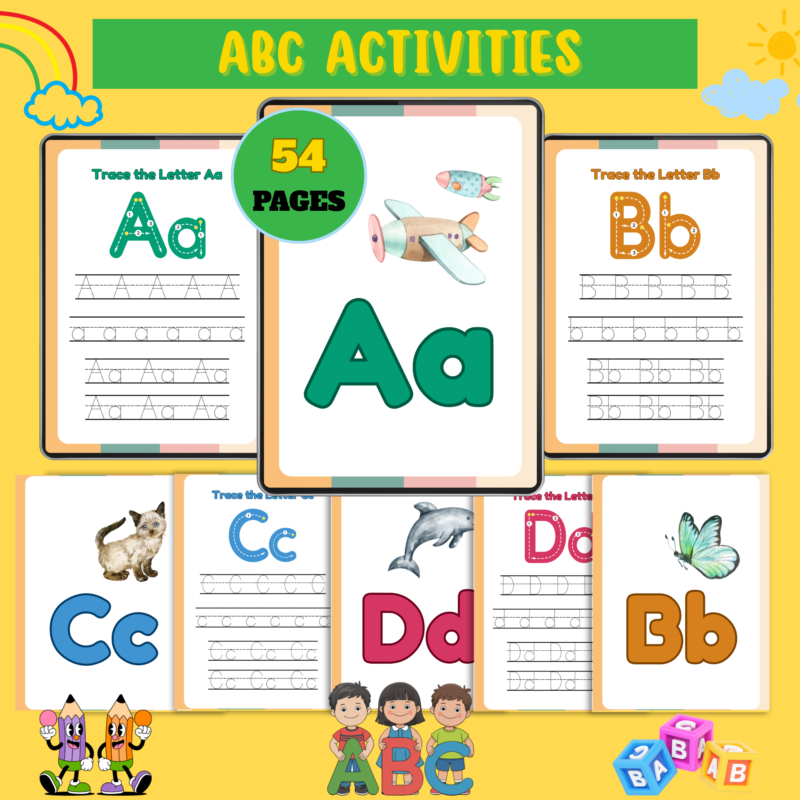
Fun Clever Fox printable activities are designed to give young learners that kind of clear, cheerful practice while making preparation easier for the adults guiding them. With instant PDF pages ready when you need them, it is easier to build a math routine that fits real family and classroom schedules.
Keep a small collection of number puzzles within reach, and bring one out when your child has a few minutes to learn, play, and feel proud of what they can do. Those small moments of success are often where lasting math confidence begins.











2 thoughts on “Number Puzzle Printables That Make Math Fun”