A child who can giggle at cat and hat is doing more than enjoying a silly sound. They are listening closely to the parts of words, a skill that supports phonics, early reading, and clear speech. When you teach rhyming with printables, you can turn that listening practice into a short, hands-on routine that feels like a game instead of a lesson.
Rhyming is especially helpful for preschoolers and kindergarteners because it does not require them to read every word yet. They can look at pictures, say words aloud, make choices, color, cut, and match while building an ear for language. A printable gives the activity enough structure to be easy for adults to set up and easy for children to understand.
Why Rhyming Practice Matters Before Reading
Rhyming helps children notice that words can have the same ending sound even when their beginning sounds are different. In dog and log, for example, the first sounds change, but the ending sound stays the same. This kind of sound awareness helps young learners hear patterns in words, which later supports blending, segmenting, and decoding.
It also gives children a confidence-building way to play with language. A child may not be ready to read the word sun, but they can still point to a picture of a bun when asked for a word that rhymes with sun. Success comes quickly, and that matters. Short wins help children feel capable when they begin more challenging phonics and reading work.
For the youngest learners, keep rhyming completely oral at first. Say the words slowly, emphasize the ending sounds, and let picture activities do the teaching. Kindergarten children who are beginning to recognize letters can benefit from seeing simple word pairs too, but the sound should always come before the spelling.
How to Teach Rhyming With Printables Successfully
The most effective printable rhyming activities are not meant to keep a child busy for 30 minutes. They work best as a focused five-to-ten-minute learning moment with lots of talking. Your job is to say the picture names, repeat the sounds, and celebrate careful listening.
Begin with obvious rhymes. Pairs such as bee and tree, fox and box, cake and snake, and star and car are easier to hear than words with less familiar vocabulary. Use pictures your child can name confidently. If they do not know the word in the picture, the activity shifts from rhyming practice to a vocabulary quiz.
Say both words aloud in a natural sentence: “The cat sits on the mat.” Then repeat the pair with a playful stretch at the end: “Caaat, maaat.” Ask, “Do cat and mat sound the same at the end?” Children do not need a technical explanation. They need repeated chances to hear it.
1. Start With a Simple Picture Match
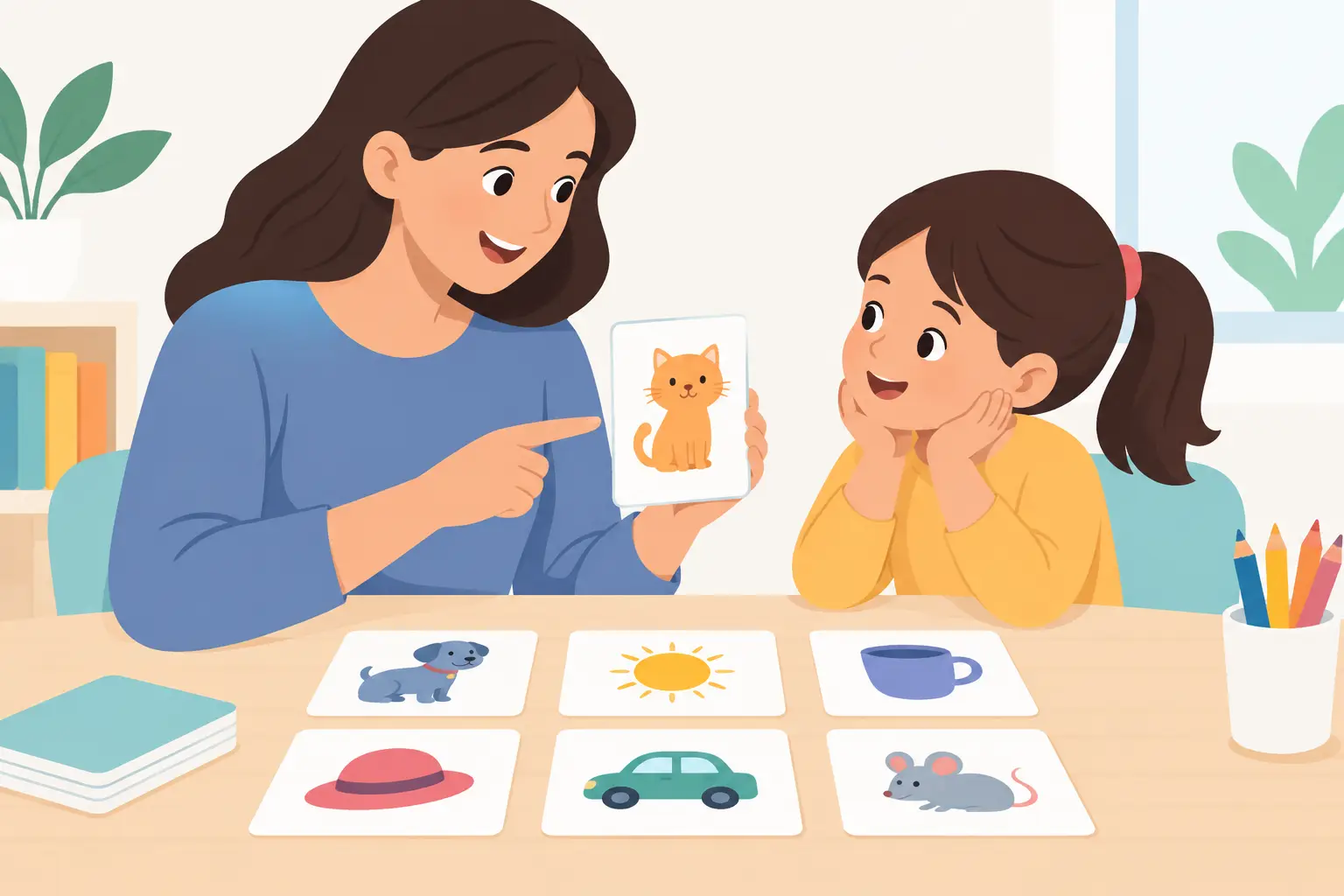
A picture matching worksheet is a friendly first step. Place two or three picture choices beside a target picture, say each one aloud, and invite your child to draw a line to the rhyming match. For example, show a picture of a pig with pictures of a wig, sun, and bed.
At first, offer only two choices. This reduces frustration and lets children focus on hearing the ending sound. As their confidence grows, add a third choice or include two rhyming pairs on the same page.
If a child chooses incorrectly, avoid saying “No, that is wrong.” Instead, repeat both words and compare them: “Pig, sun. Do they sound alike at the end? Let’s try pig, wig.” This keeps the moment encouraging while modeling how to listen again.
2. Use Cut-and-Paste Rhyming Puzzles
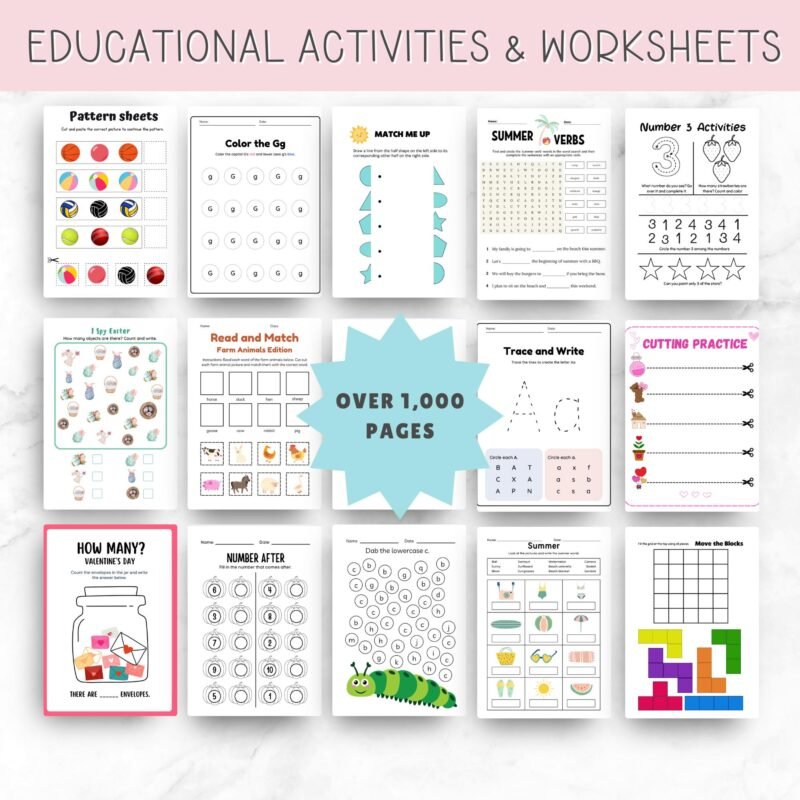
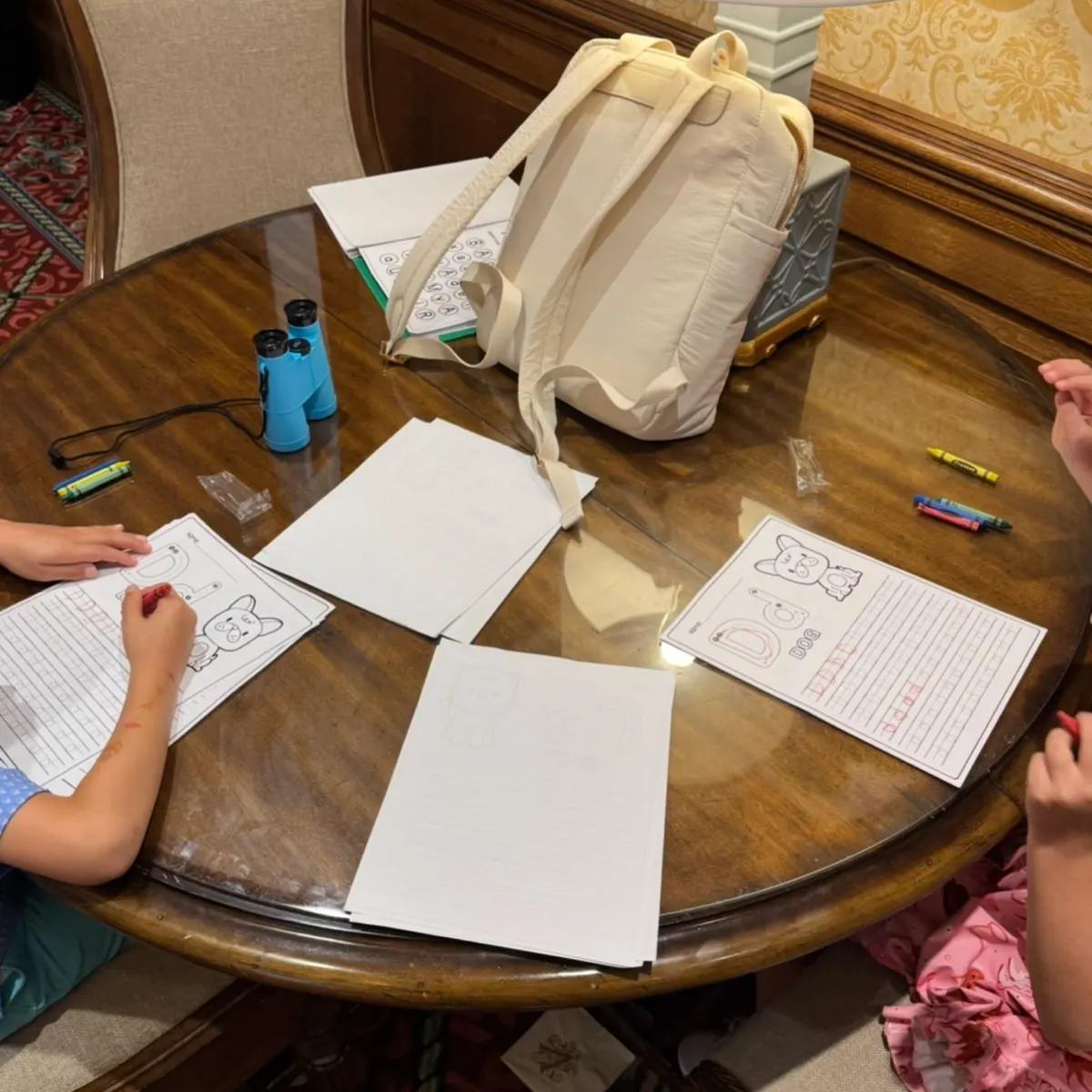
Cut-and-paste printables add fine motor practice to phonics time. Children cut out picture cards and glue each card beside its rhyming partner. The cutting, sorting, and gluing make the activity feel more active, which is useful for children who are not ready to sit and complete a standard worksheet.
To keep setup simple, pre-cut the cards for preschoolers who are still learning scissor control. Older children can do the cutting themselves, then use the worksheet as a sorting mat. You can also skip glue completely and place the cards on the table for a reusable matching game.
There is a trade-off here: more pieces can create more excitement, but they can also create more distraction. For a busy classroom group or a child who gets overwhelmed easily, use four to six pairs rather than a large pile of cards.
3. Let Children Color the Rhyming Pairs
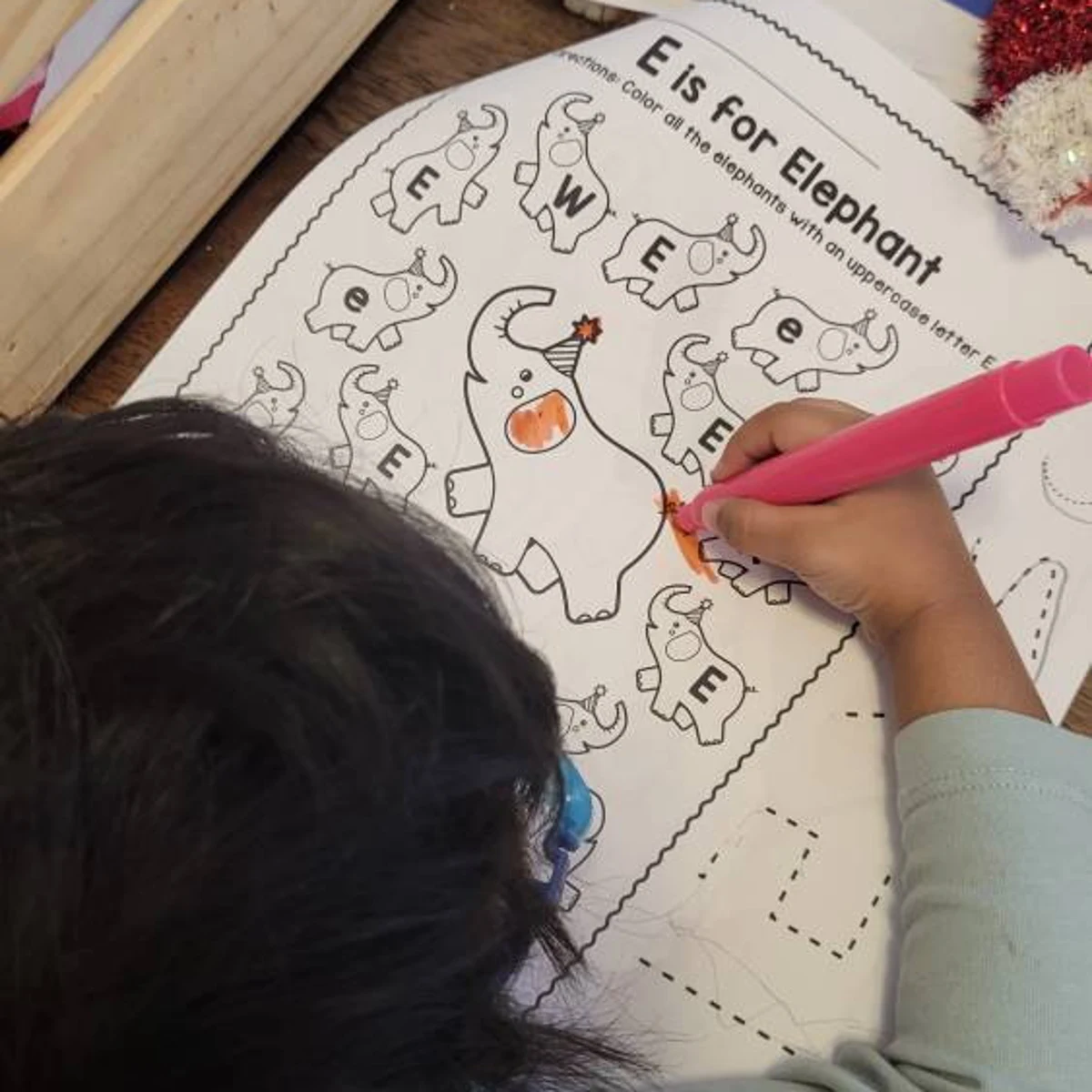
Coloring activities are ideal when you need a calm, low-prep learning task. A worksheet might ask children to color the pictures that rhyme with moon, or use the same color for each matching pair. The page remains simple, but the child is listening, deciding, and practicing pencil control at the same time.
Make the language part active before the coloring begins. Point to each image, name it together, and ask your child to repeat the target word. Then have them say the pair once more before selecting a crayon. This prevents coloring from becoming the whole activity.
For children who already know many letter sounds, add a gentle extension. Ask them to circle the first letter in each rhyming picture word. Explain that the first sounds can be different even when the words rhyme. “Bun and sun start differently, but they both end with the /un/ sound.”
4. Turn a Worksheet Into a Listening Game
Printables do not need to stay flat on a desk. A rhyming page can become a quick game at circle time, after breakfast, or during a homeschool lesson break. Hold up a picture and say three words aloud. Children can point, clap, or place a small counter on the picture that rhymes.
Try using movement for children who learn best when their bodies are involved. Tell them to hop once when they hear a rhyming pair and stand still when the words do not rhyme. Say “boat, goat” or “fish, tree” and let them respond. After a few rounds, return to the printable and have them complete the matching activity.
This approach is particularly useful for children who can hear rhymes in conversation but struggle to show their answers with a pencil. The movement game gives them a successful entry point before adding the paper task.
5. Build a Small Rhyming Routine
Repeated practice is more useful than one long lesson. Choose one printable page or a few picture cards and use them across several days. On day one, simply name the pictures. On day two, match the pairs. On day three, ask your child to think of a new word that rhymes with one of the pictures.
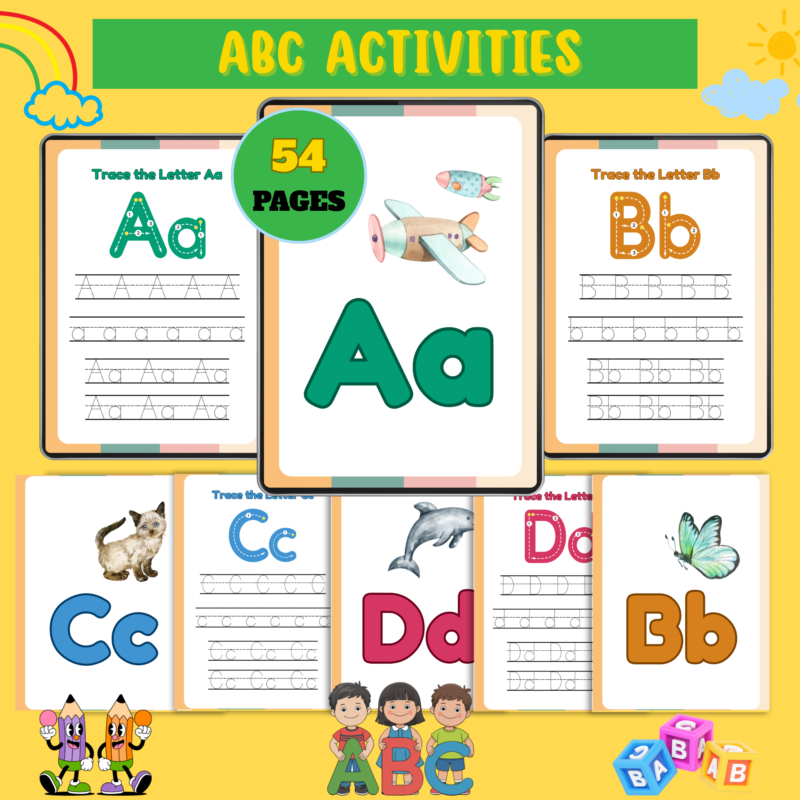
A predictable routine makes preparation easier for adults too. Keep a small folder of rhyming printables, crayons, child-safe scissors, and glue sticks near your learning space. Instant-download PDF activities from Fun Clever Fox can help you create that ready-to-go collection without designing materials from scratch.
Try to end while your child is still interested. A cheerful “You heard those matching sounds so well!” does more for future participation than pushing through an extra page. Children learn at different speeds, and a child who needs more oral practice is not behind. They are building the listening foundation they need.
When a Child Is Not Hearing Rhymes Yet
If rhyming feels difficult, make the activity easier rather than making it longer. Use familiar picture pairs, offer two choices, and exaggerate the ending sounds. You can also begin with rhyme recognition instead of rhyme production. It is easier to identify that mouse and house rhyme than to invent a word that rhymes with mouse.
Avoid relying on spelling to explain rhymes. Some written words look similar but do not rhyme, while others rhyme without looking alike. Young children learn rhyming best through their ears. Pictures, repeated oral language, songs, and playful printable practice keep the focus where it belongs.
Most of all, let the sounds be silly. Invite your child to make up nonsense rhymes like “cat, zat” or “tree, mee.” Real-word rhymes are the eventual goal, but playful sound experiments show that your child is noticing the pattern. A few minutes of warm, repeated practice can make wordplay one of the happiest parts of your learning day.















2 thoughts on “6 Simple Ways to Teach Rhyming With Printables”