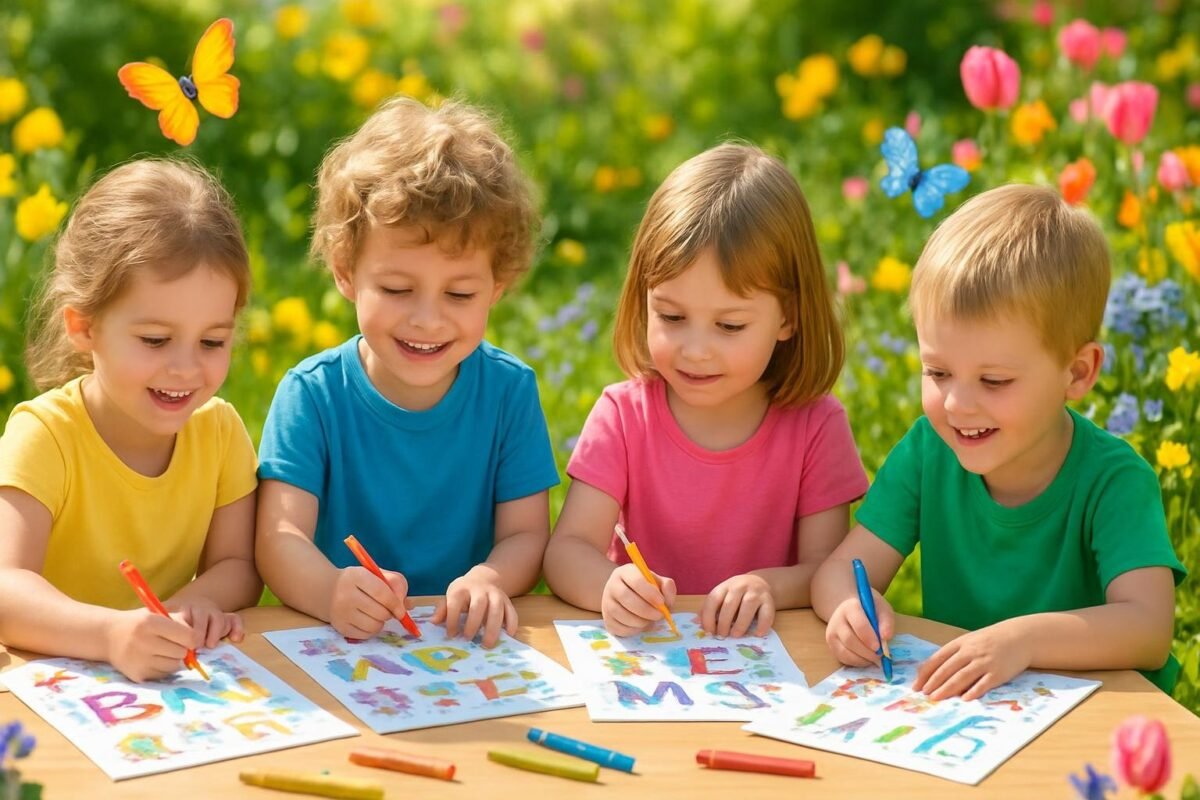
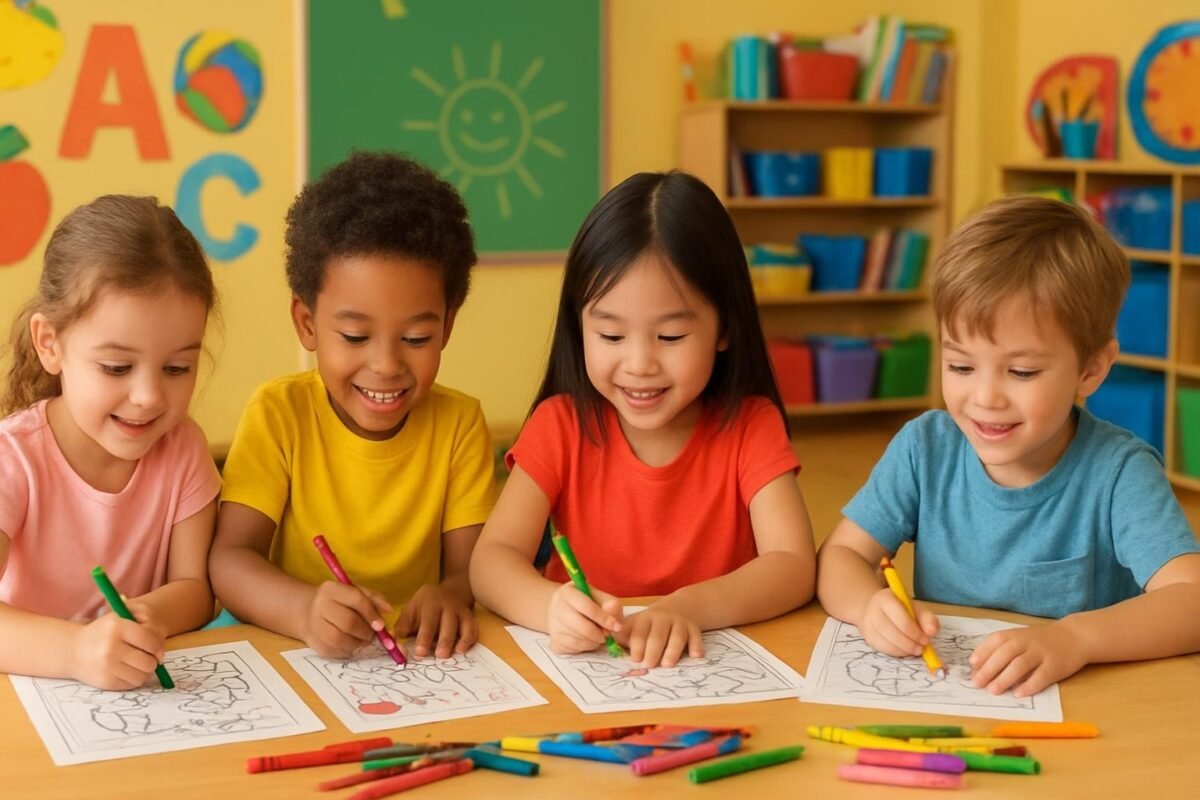
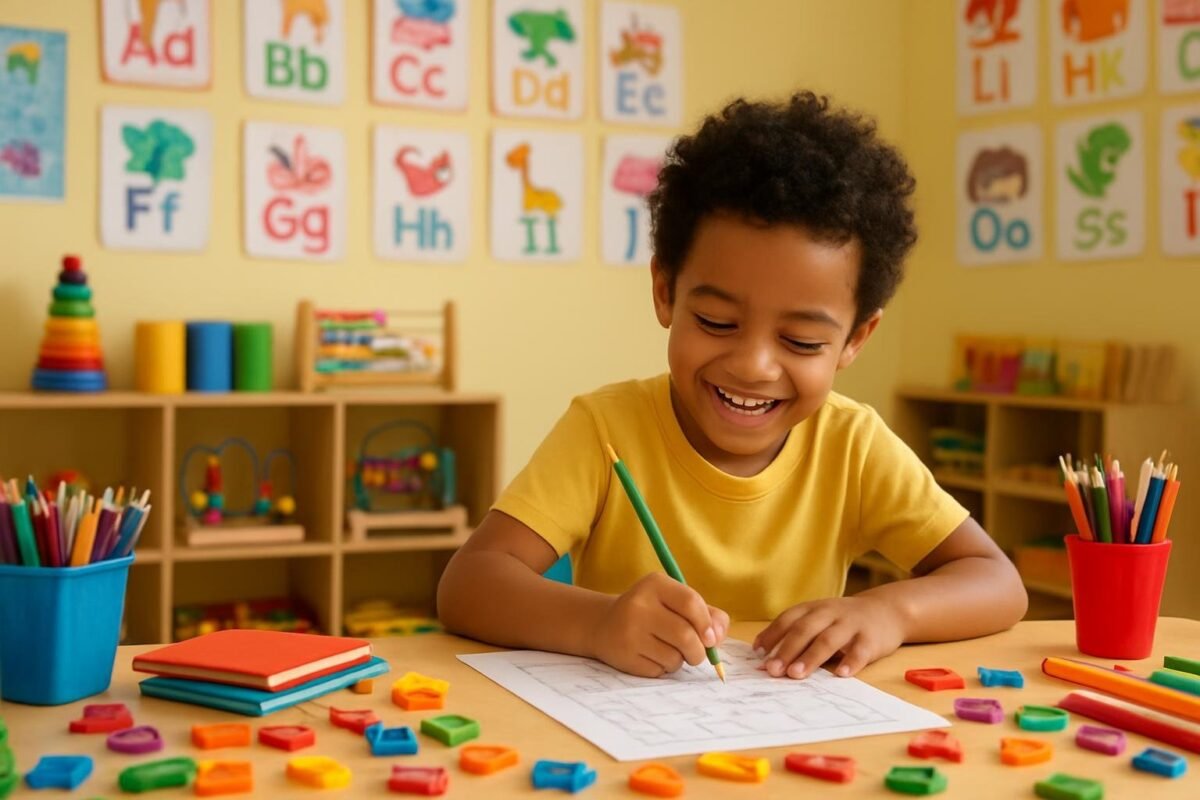
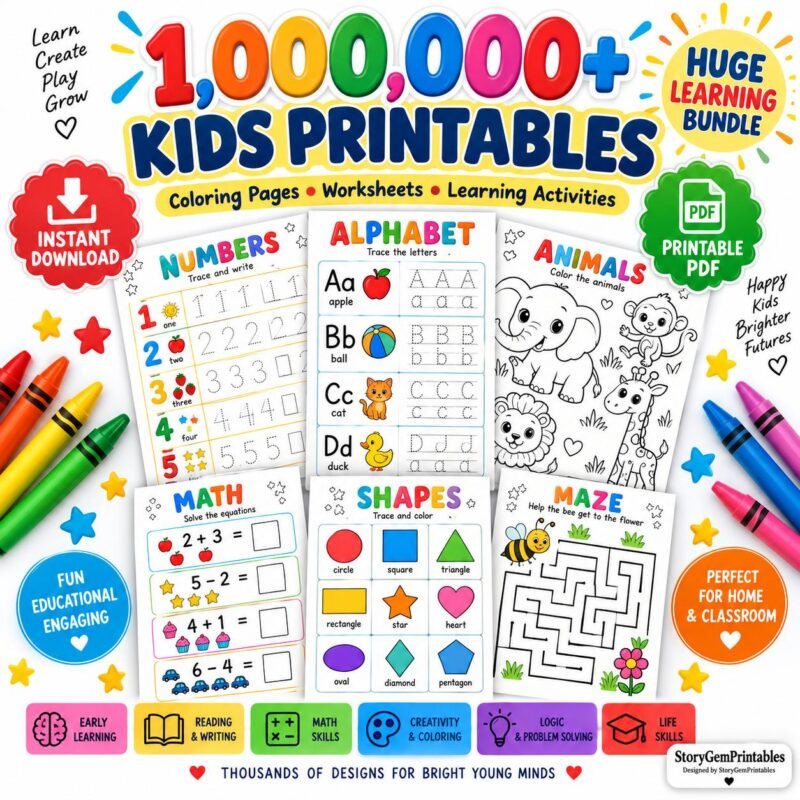
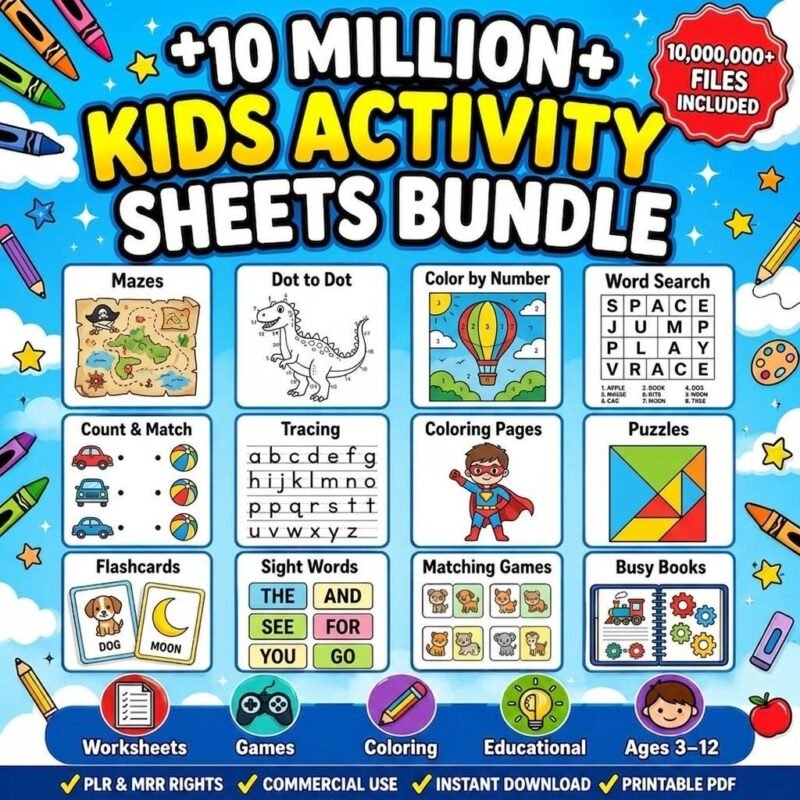
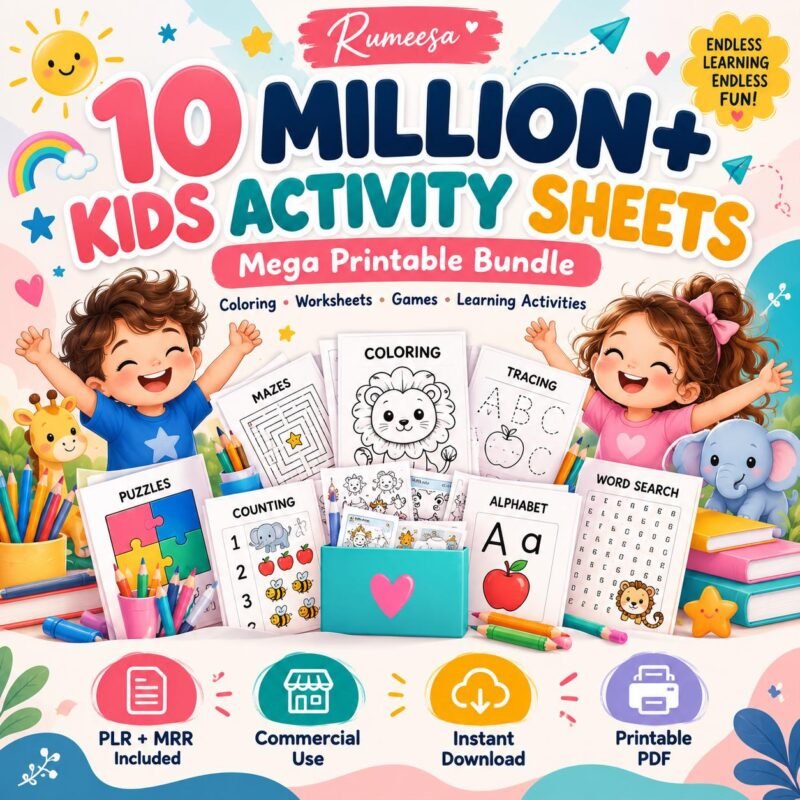
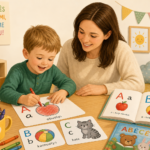
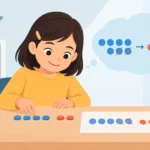
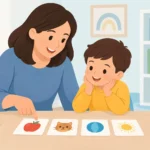
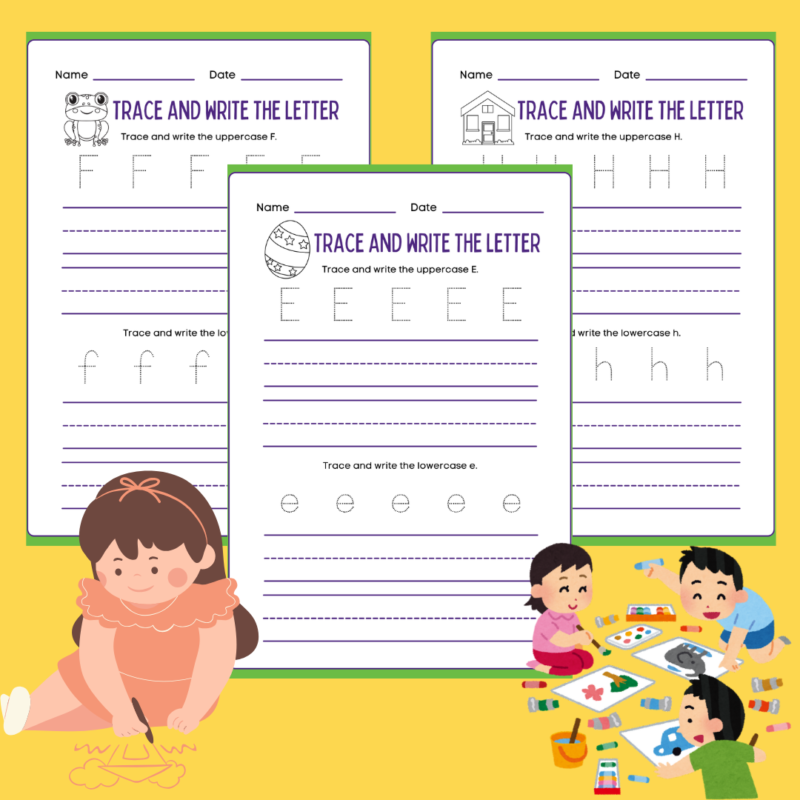
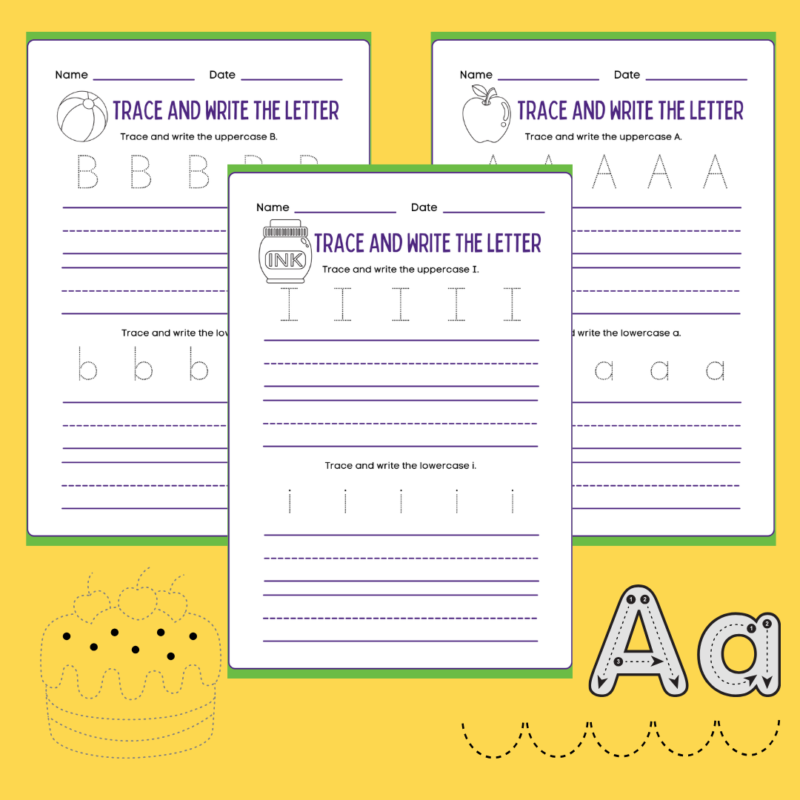
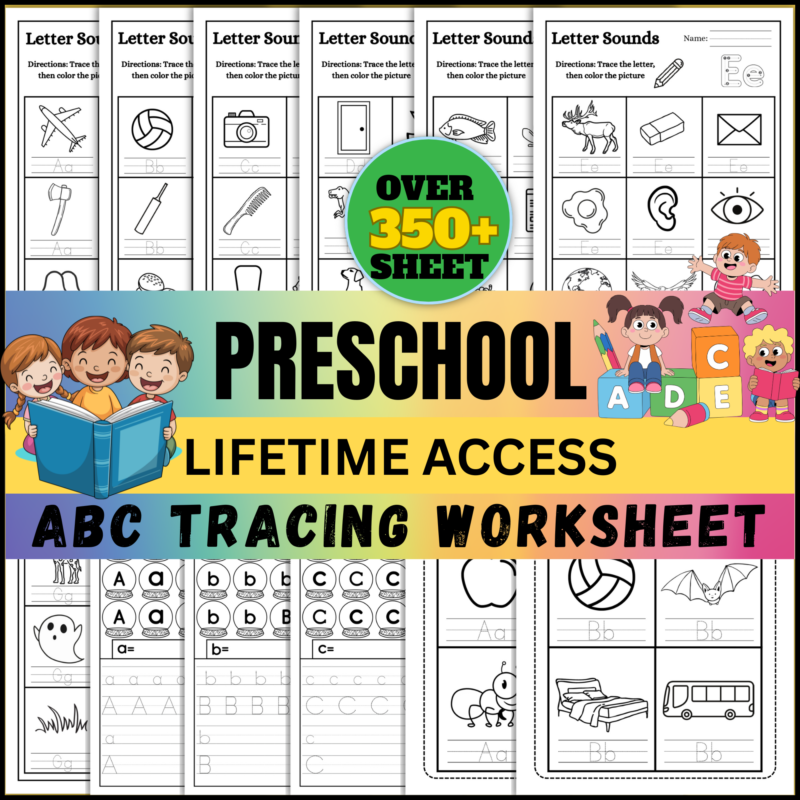
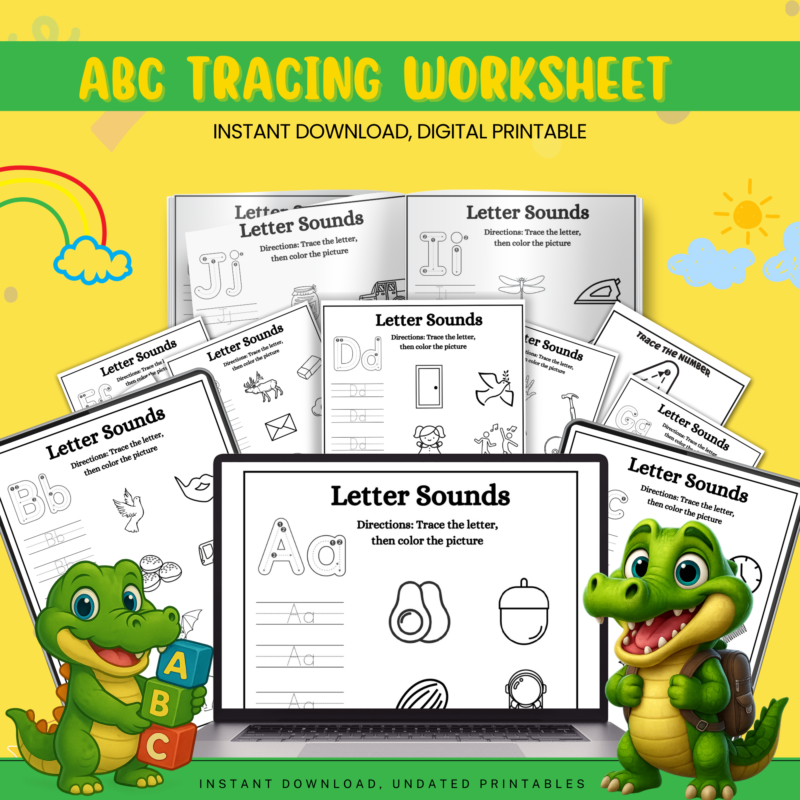
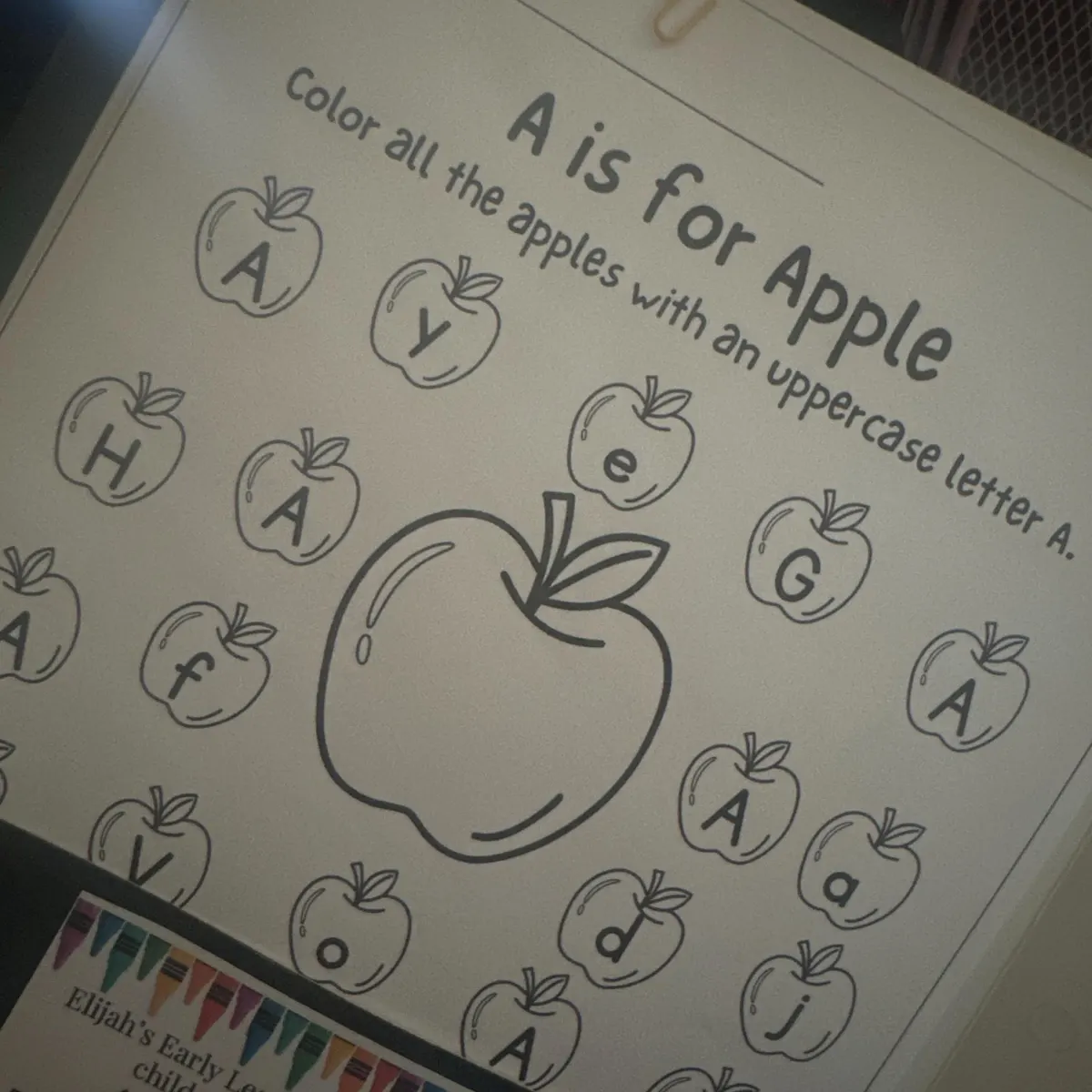
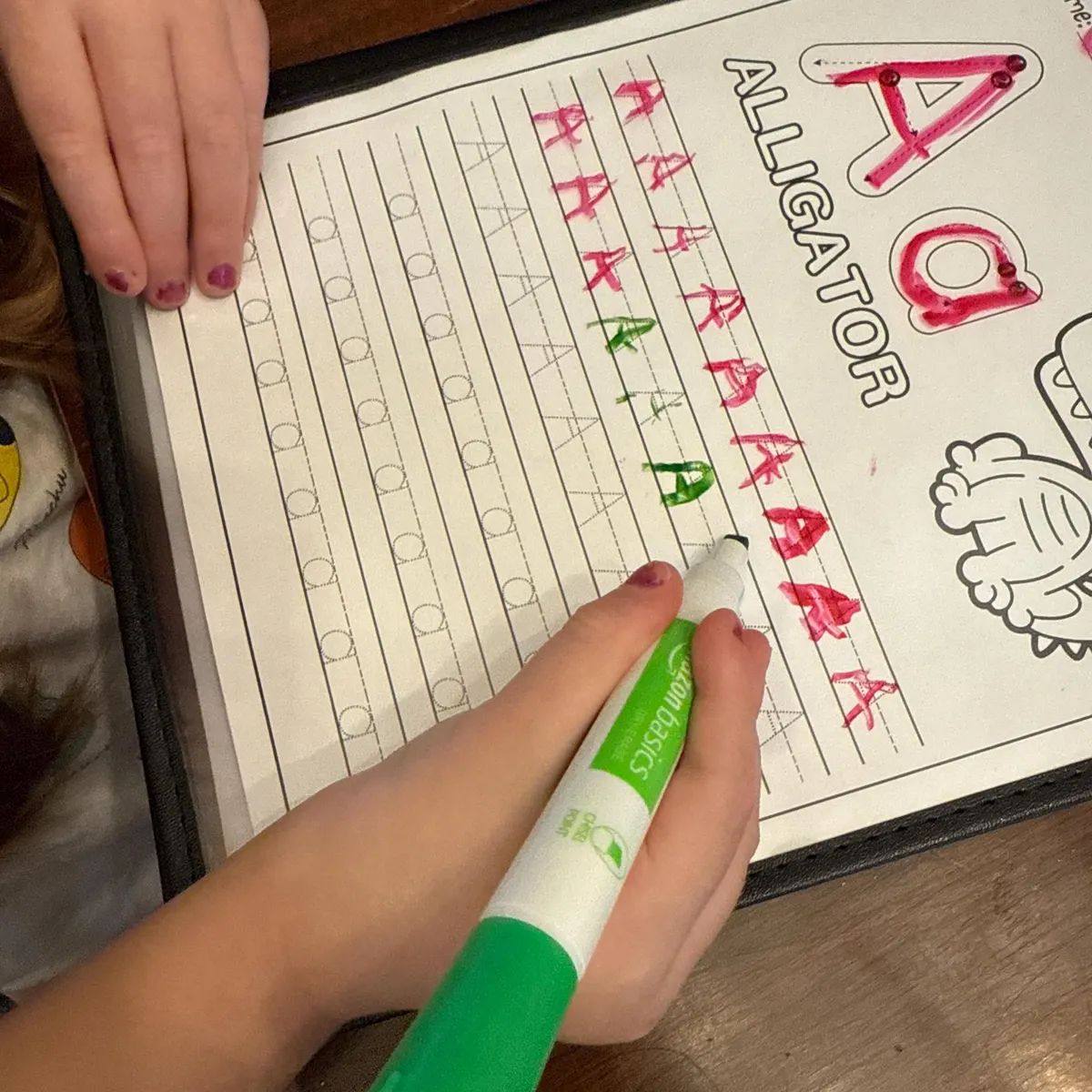
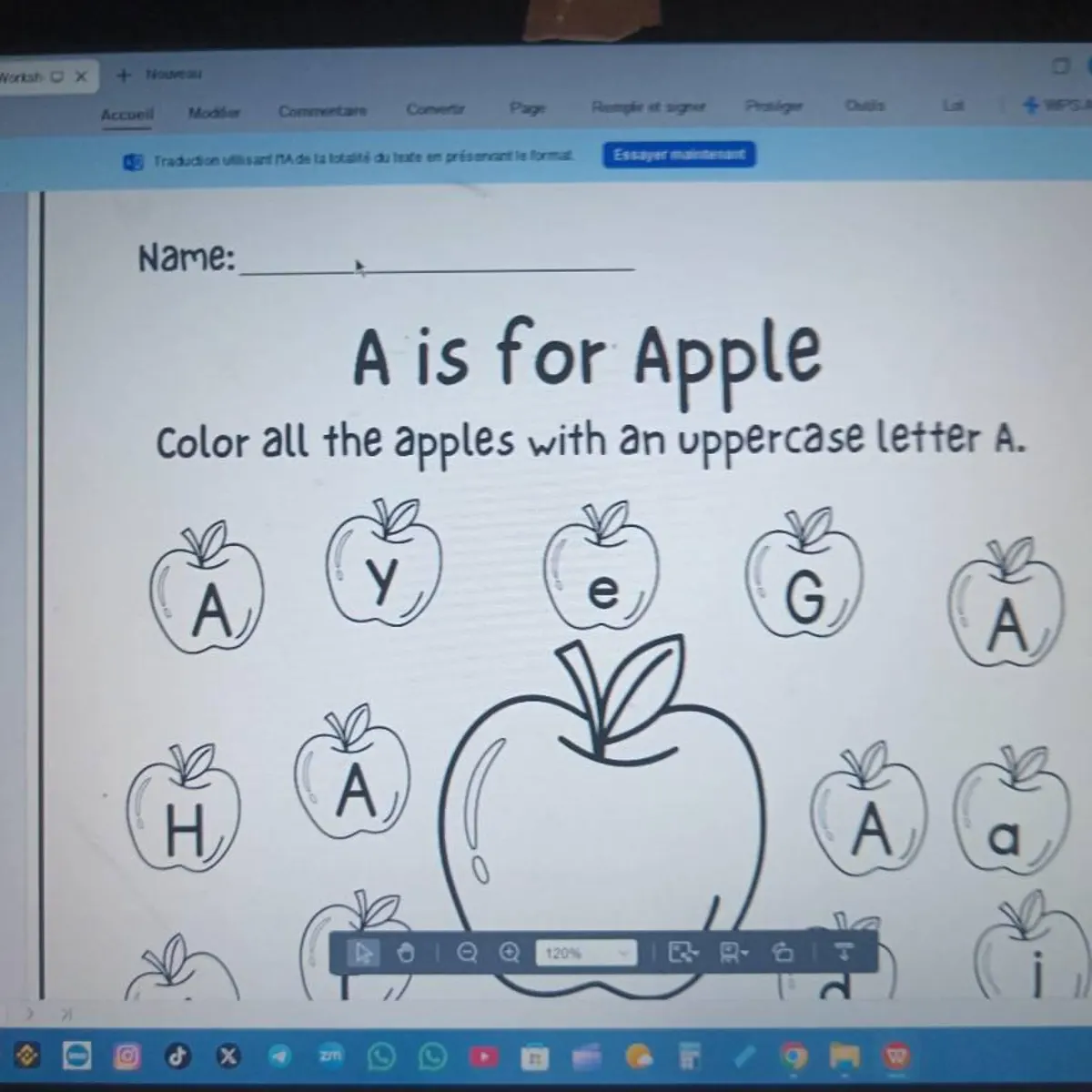
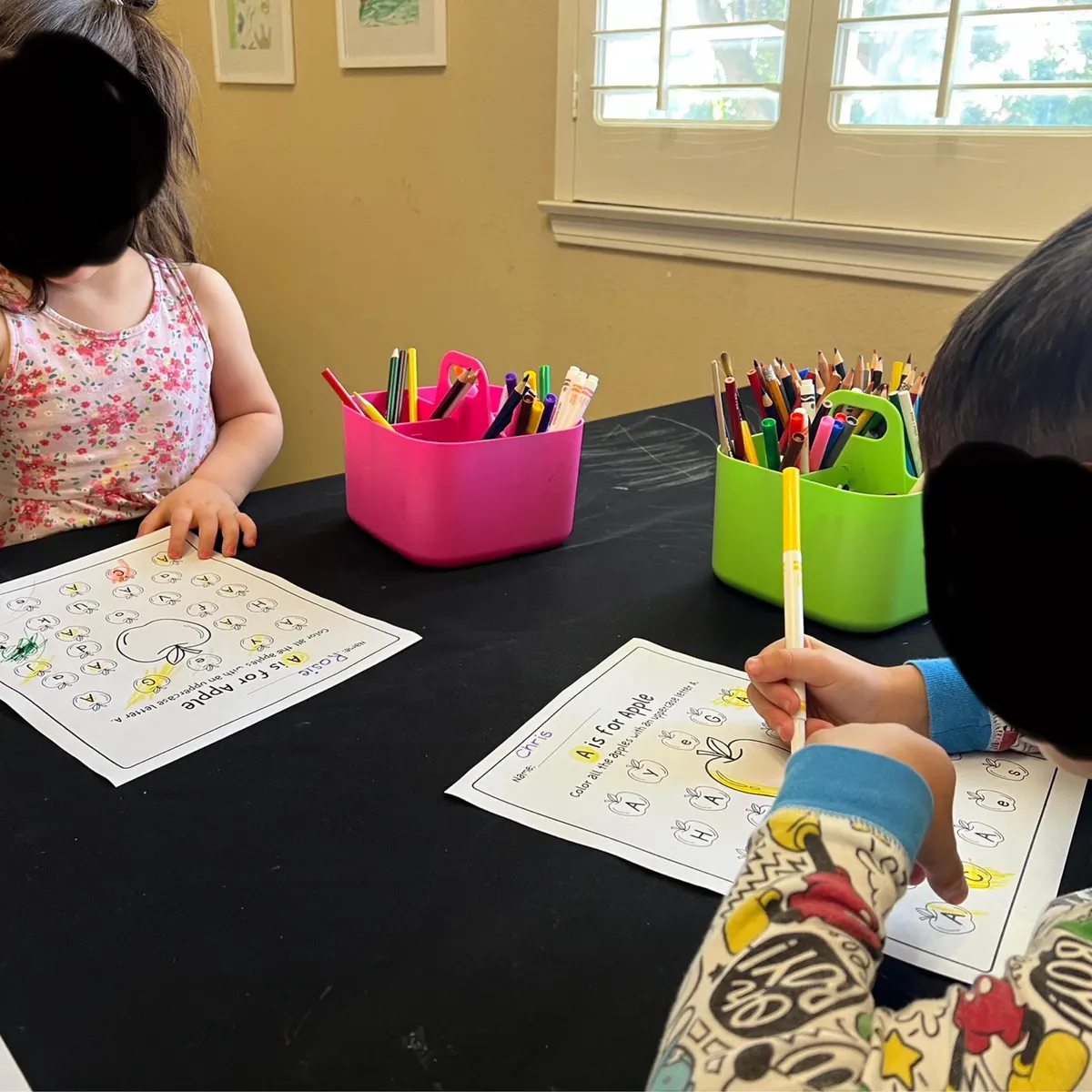
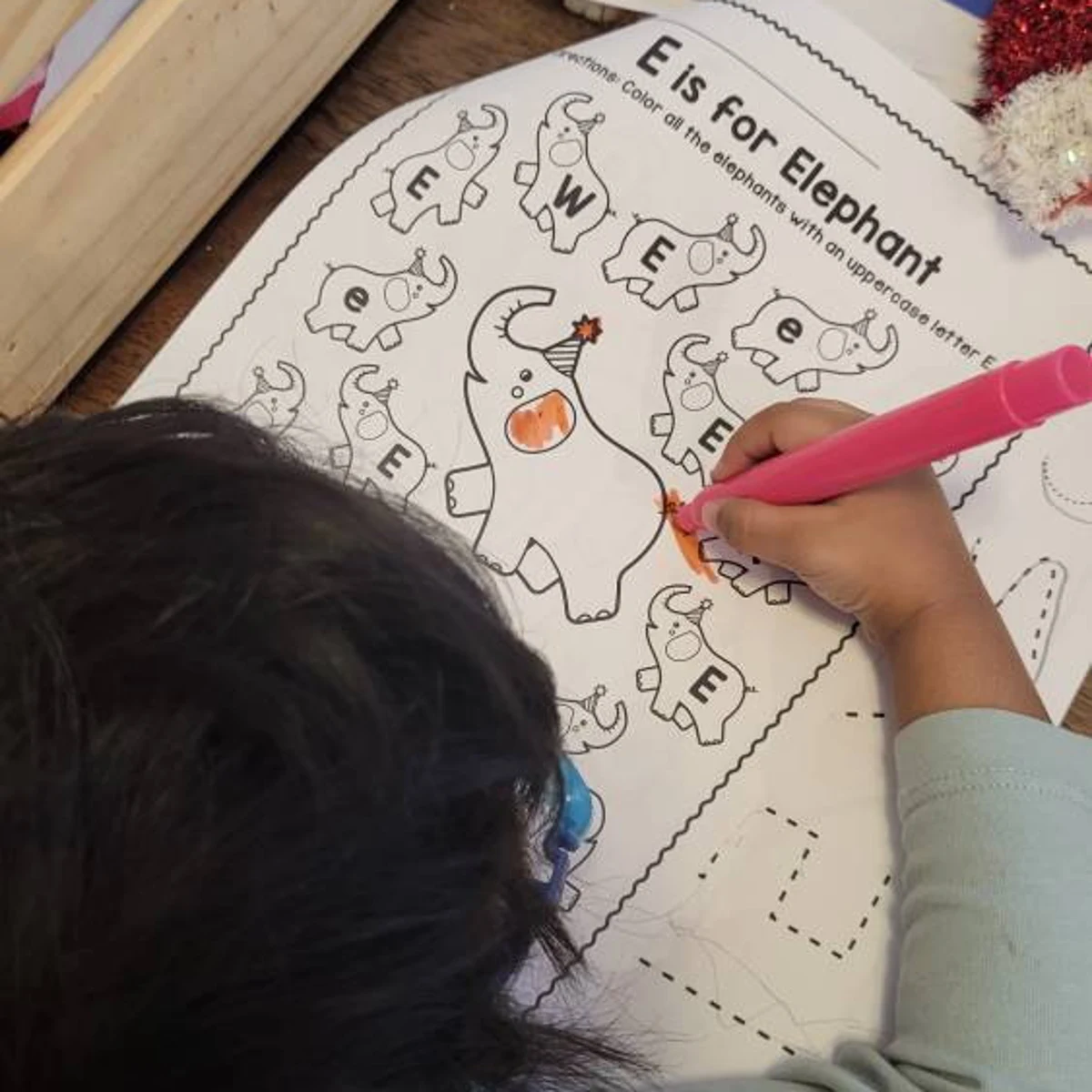
Are Worksheets Good for Preschoolers? A preschooler proudly tracing the first letter of their name, counting five bright apples, or finding the picture that starts with /b/ is doing more than finishing a page. They are practicing the small building blocks that support later reading, writing, and math. So, are worksheets good for preschoolers? They can be – when they are age-appropriate, playful, and used as one small part of a child’s day.
Worksheets are not meant to replace blocks, messy art, outdoor play, story time, conversation, or hands-on discovery. Preschoolers need all of those experiences. But a well-designed printable can offer focused, screen-free practice that helps a young learner feel capable, prepared, and proud.
Why Worksheets Can Help Preschoolers Learn: Are Worksheets Good for Preschoolers?
Young children learn through repetition, movement, play, and encouragement. A simple worksheet gives one skill a clear place to practice. That structure can be especially helpful for children who are beginning to recognize letters, hold a pencil, count objects, or follow simple directions.
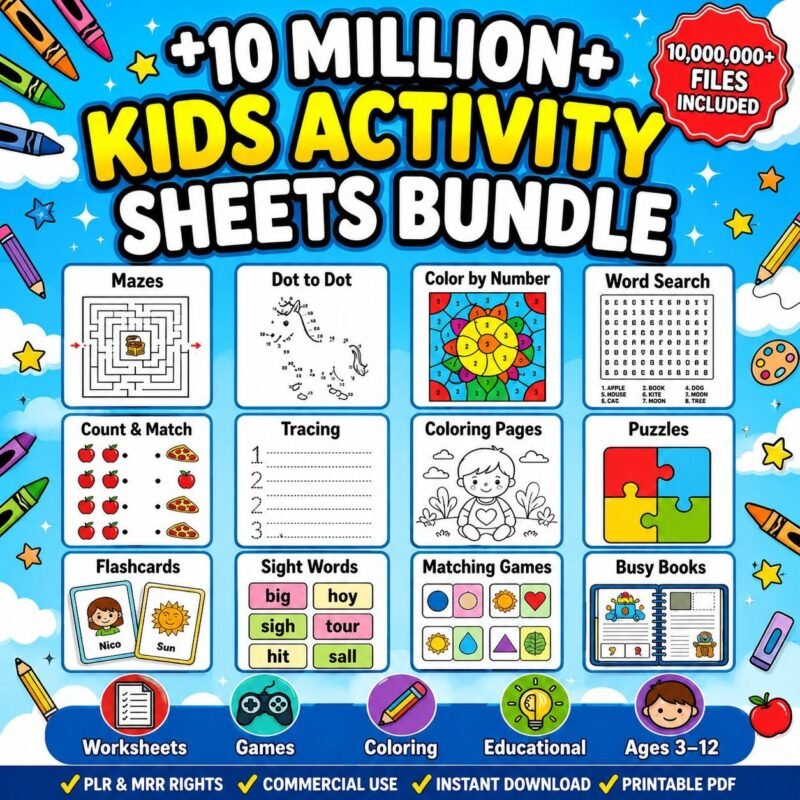
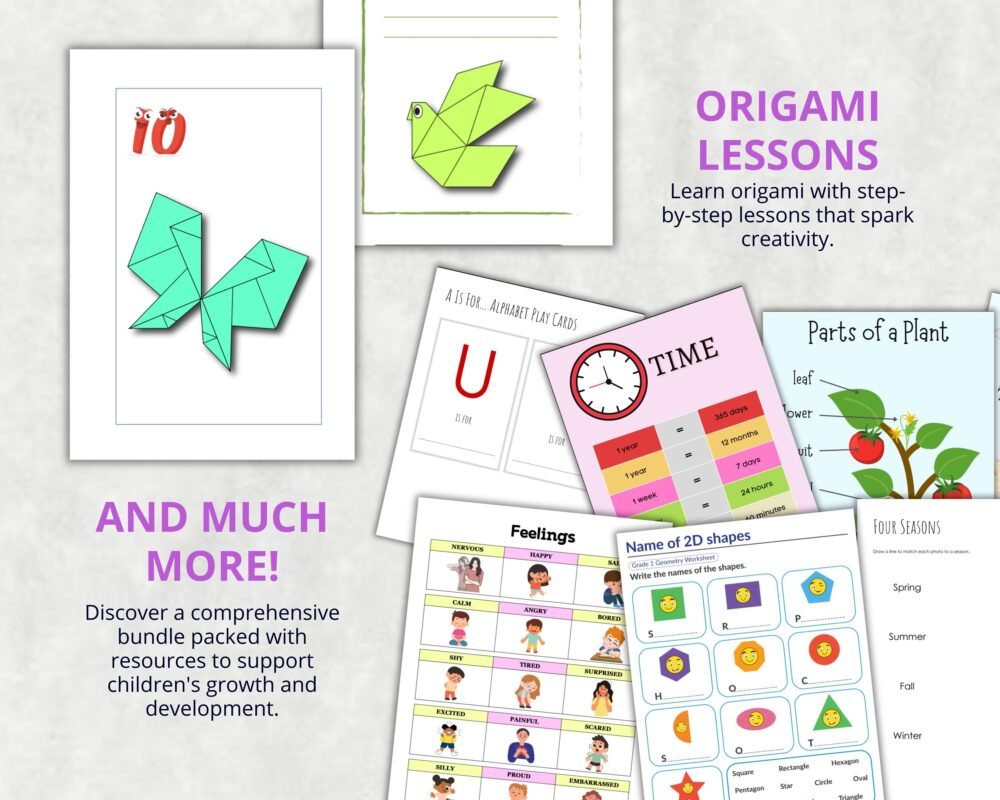
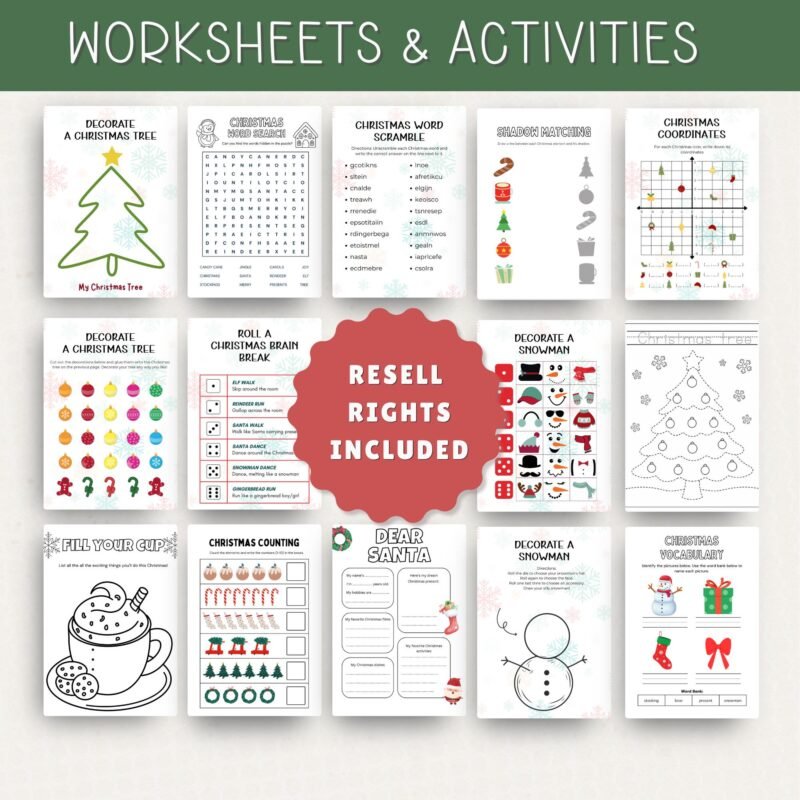
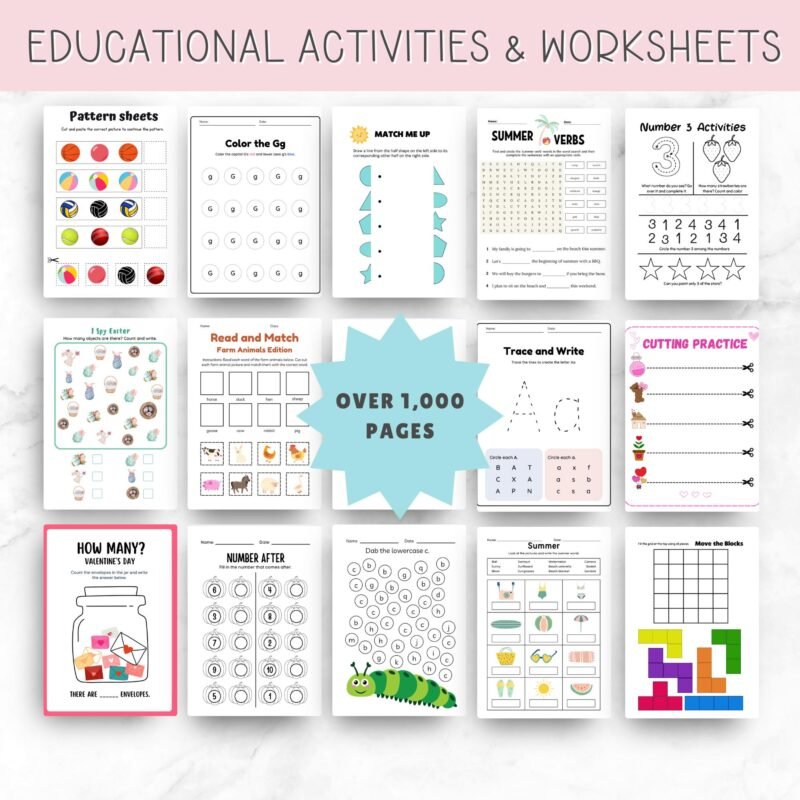
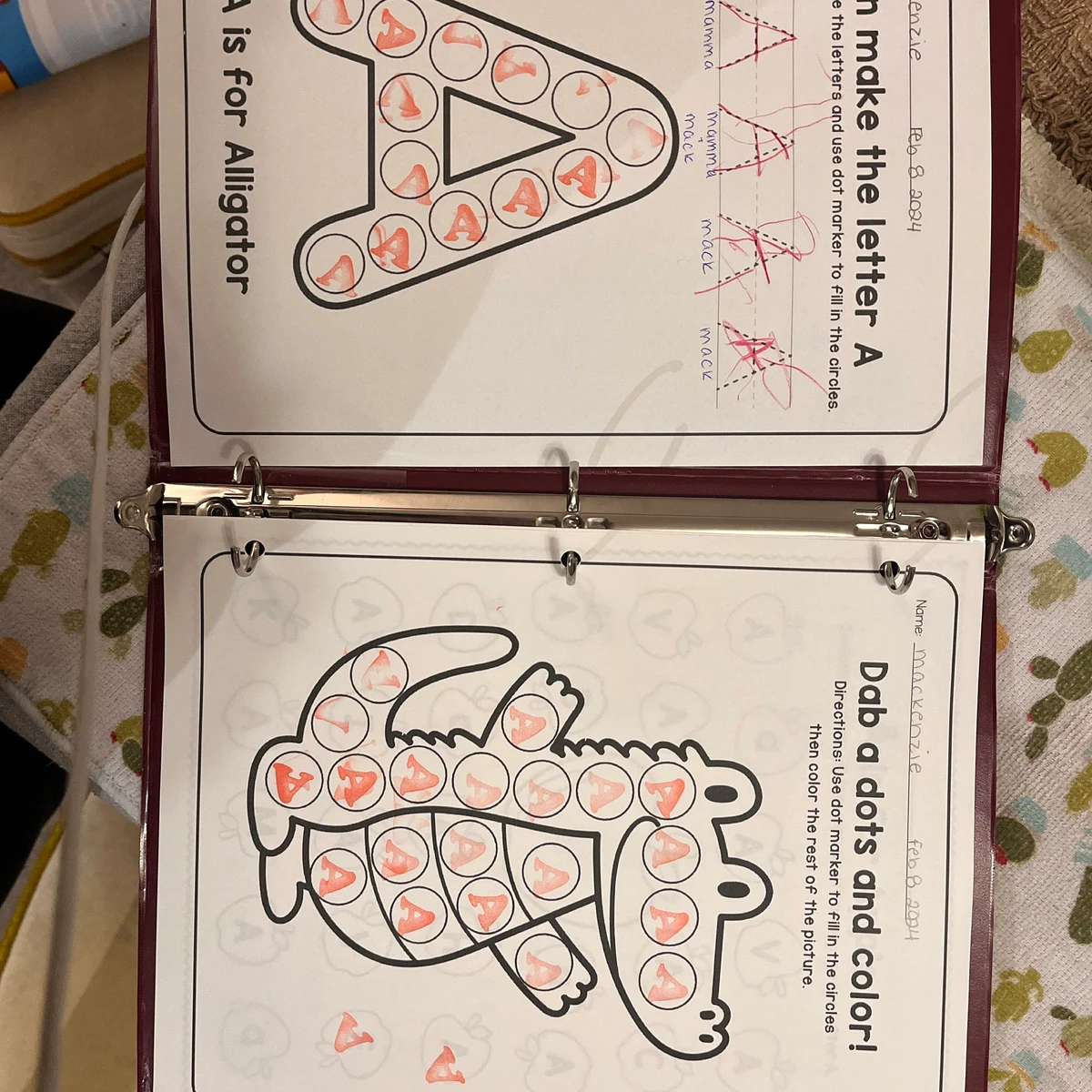
For example, tracing lines and shapes helps children build fine motor control before they are expected to write letters. Matching activities strengthen visual discrimination. Coloring by number can support number recognition while also practicing hand strength and control. A page that asks a child to circle the pictures that begin with the letter M turns an early phonics concept into a quick, manageable game.
The biggest benefit is not completing a stack of pages are worksheets good for preschoolers. It is giving children repeated chances to say, “I can do this.” Small successes build confidence, and confidence encourages children to keep trying when a new skill feels challenging.
Worksheets can also make life easier for the adults guiding learning. Parents, teachers, daycare providers, and homeschool families often need an activity that is ready when there are 10 quiet minutes before dinner, a learning center to prepare, or a simple way to reinforce a lesson. Printable PDFs offer a low-prep option without adding more screen time.
Are Worksheets Good for Preschoolers at Every Age?
Are Worksheets Good for Preschoolers? It depends on the child, the worksheet, and the expectation. Preschool covers a wide range of development. A young 3-year-old may enjoy large-picture matching, coloring, simple cutting practice, and tracing broad lines. An older preschooler who shows interest in letters and numbers may be ready for name writing, beginning sounds, counting sets, and simple addition stories.
The key is to meet children where they are worksheets good for preschoolers. A worksheet should feel like an achievable invitation, not a test. If a child is still learning to hold a crayon, pages filled with tiny letter tracing lines will likely cause frustration. If a child already recognizes most uppercase letters, repeatedly drilling the same skill may feel boring.
Watch for signs that the level is right. Your child should be able to understand the goal with a brief explanation, complete at least part of the activity with success, and stay engaged for a few minutes. They do not need perfect pencil control or perfect answers. Preschool learning is about exposure, practice, and progress.
Are Worksheets Good for Preschoolers: What Makes a Preschool Worksheet Worth Using?
Not every printable is equally helpful. The best preschool worksheets are worksheets good for preschoolers cause clear, cheerful, and focused on one or two skills at a time. Crowded pages with too many directions can overwhelm young learners, while simple layouts make it easier for them to understand what to do.
Look for activities with large images, bold tracing paths, easy-to-see numbers and letters, and directions that an adult can explain in a sentence or two. Friendly themes – animals, food, vehicles, seasons, or familiar routines – can make practice feel more inviting. A child who loves dinosaurs may happily count dinosaur eggs when they would resist a plain number page.
A useful worksheet should also have a purpose. Preschoolers benefit most from practice connected to foundational skills such as:
- pencil grip, hand strength, and scissor control
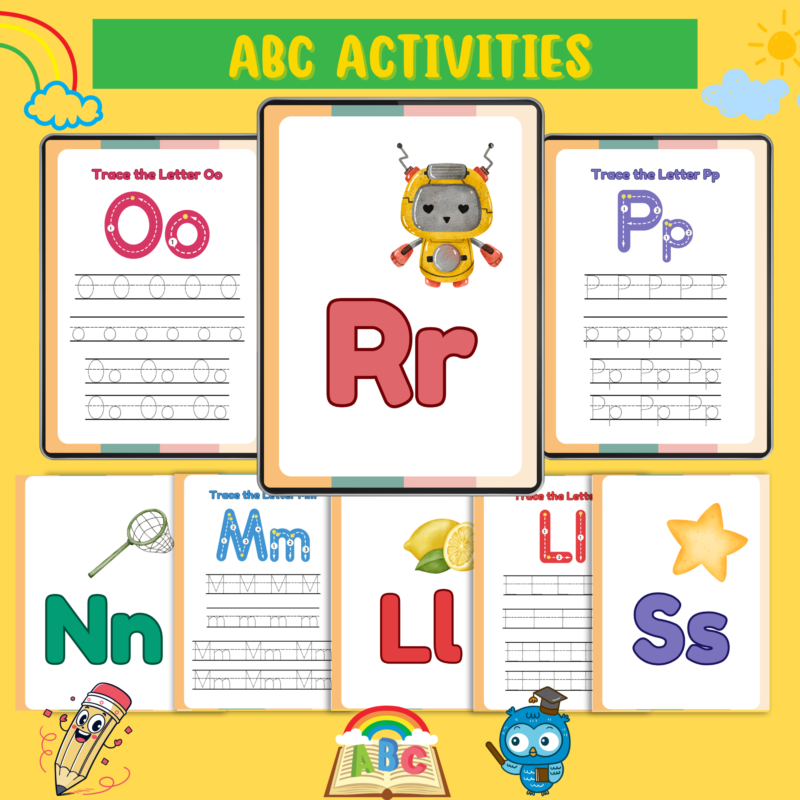
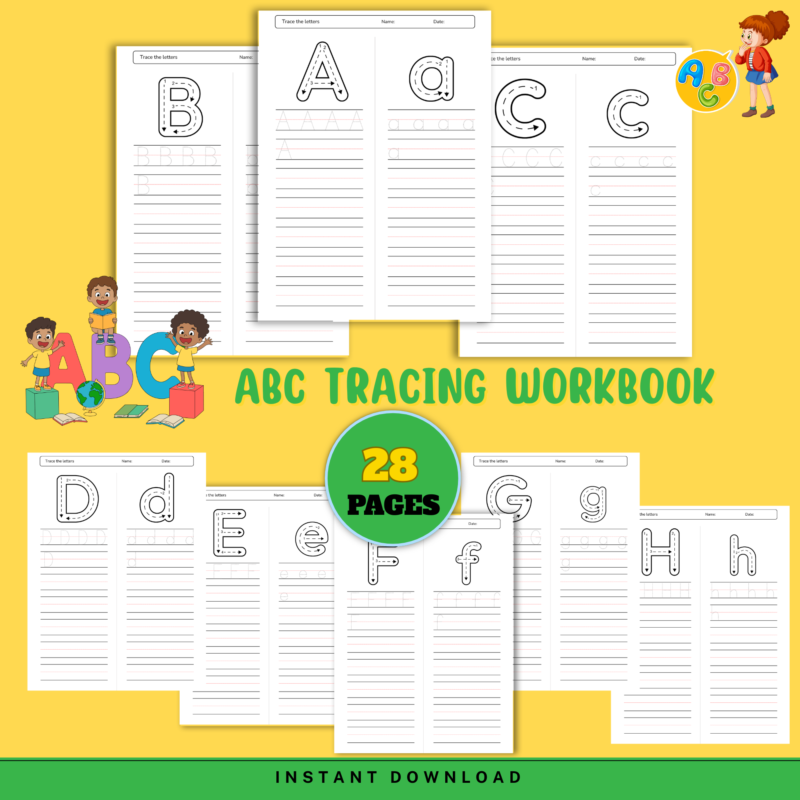
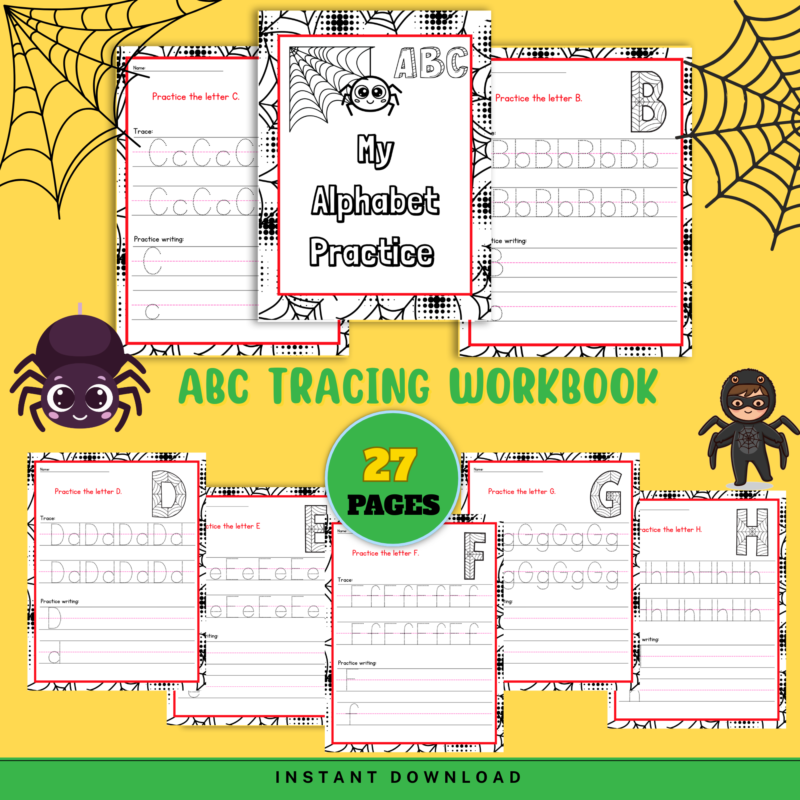
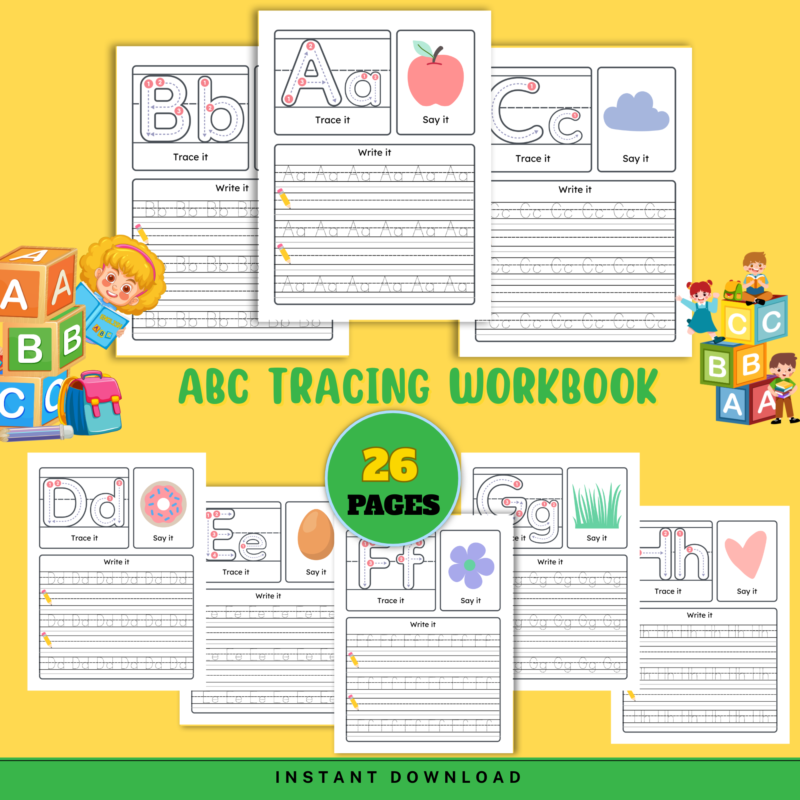
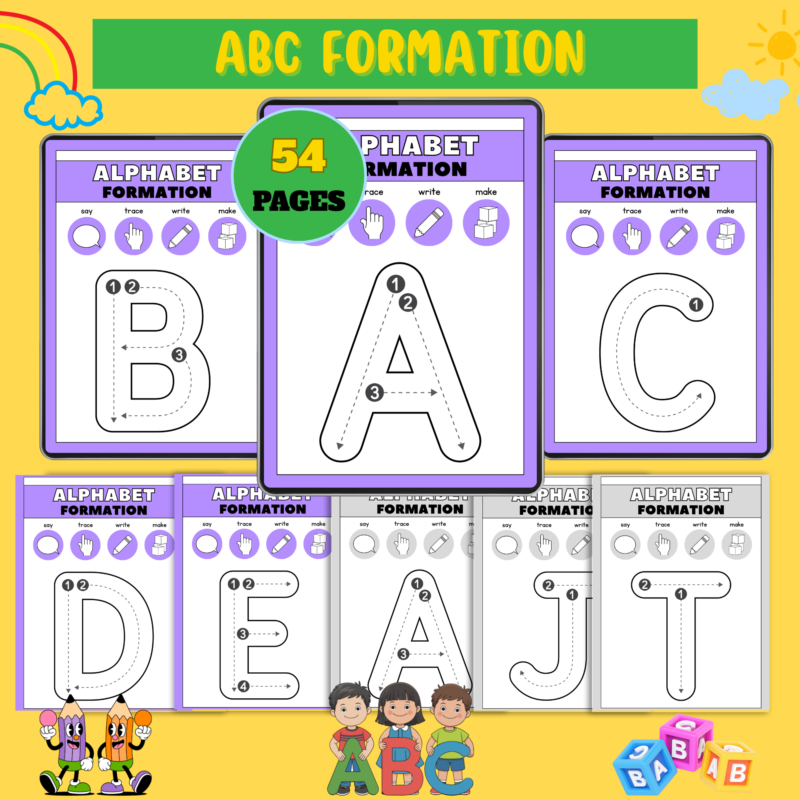
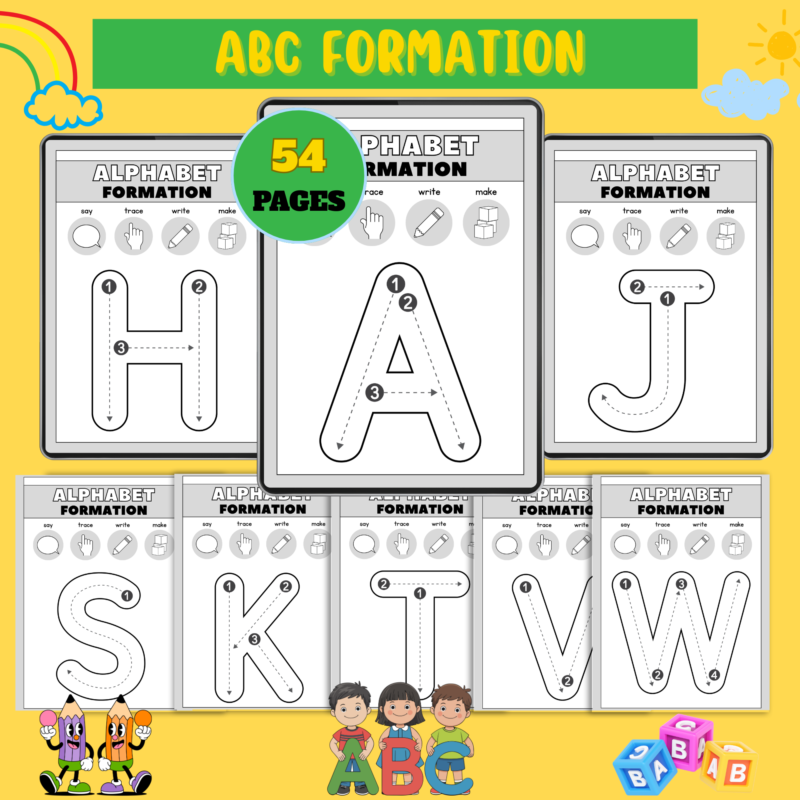
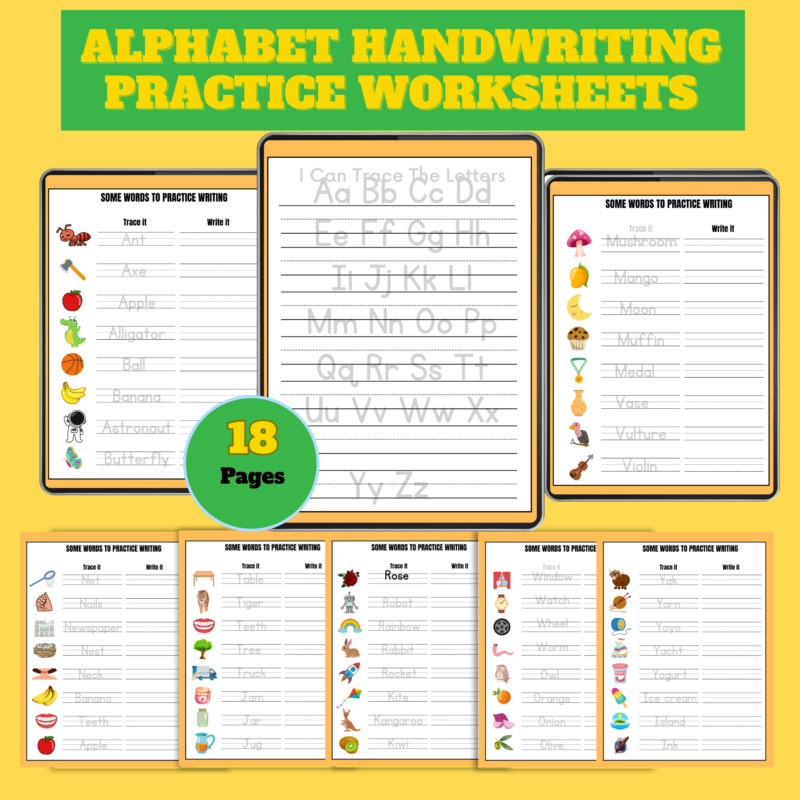
- letter recognition, alphabet tracing, and name writing
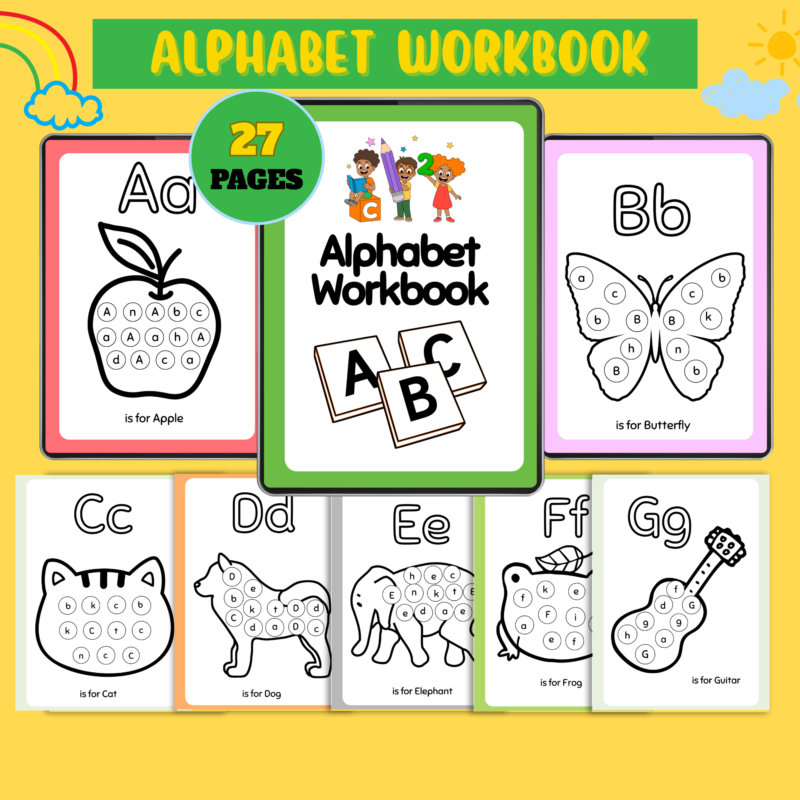
- beginning sounds, rhyming, and picture matching
- number recognition, counting, and comparing amounts
- patterns, shapes, colors, and visual matching
These skills are connected. When children trace a curve, they are preparing their hands for letter formation. When they count objects one by one, they are learning that numbers represent quantities. When they identify a beginning sound, they are taking an early step toward reading.
How to Use Worksheets Without Taking the Fun Out of Learning: Are Worksheets Good for Preschoolers?
The easiest way to make worksheets effective is to keep them short and flexible. For most preschoolers, one page at a time is plenty. A five-minute activity completed happily is more valuable than a 30-minute struggle over a packet.
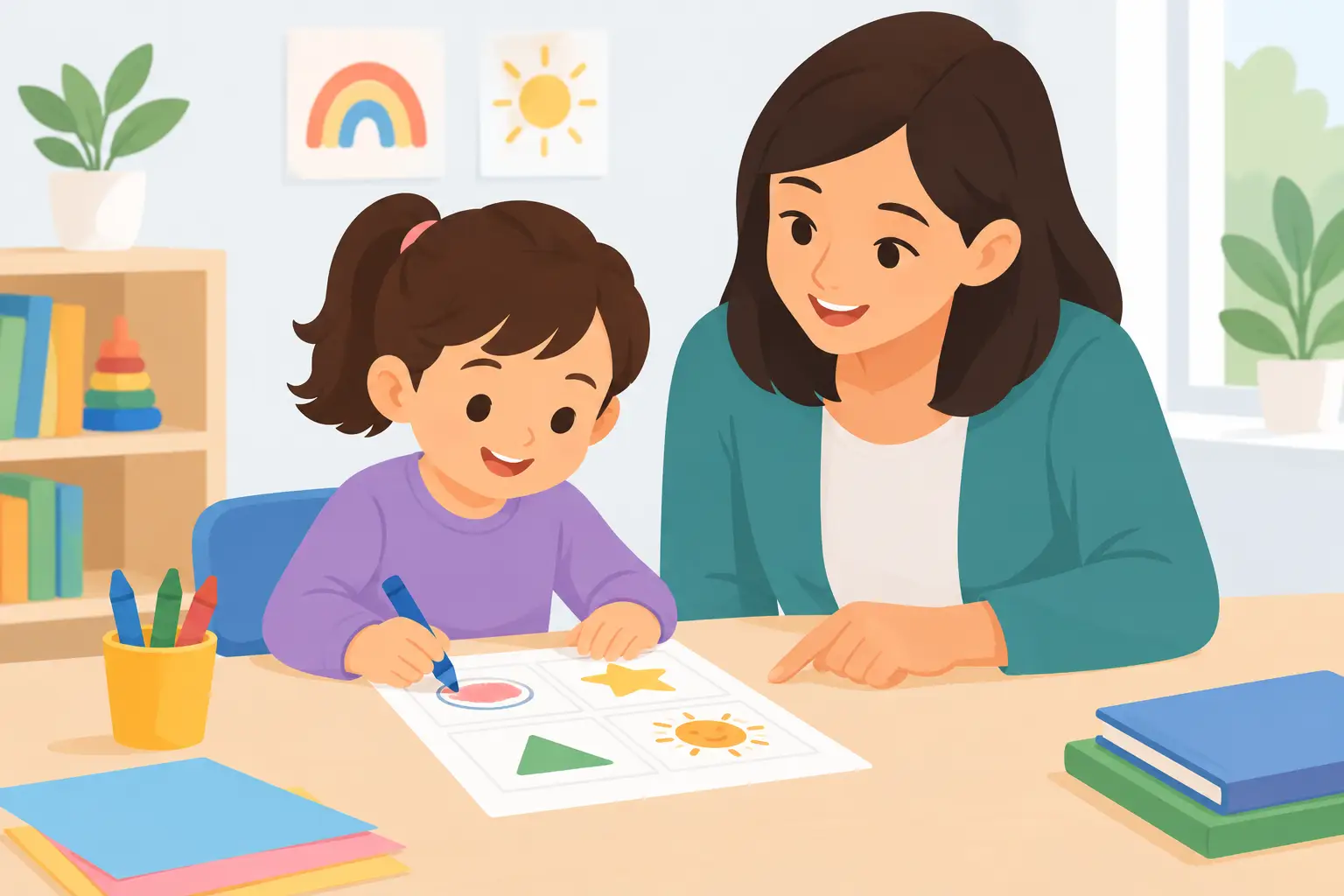
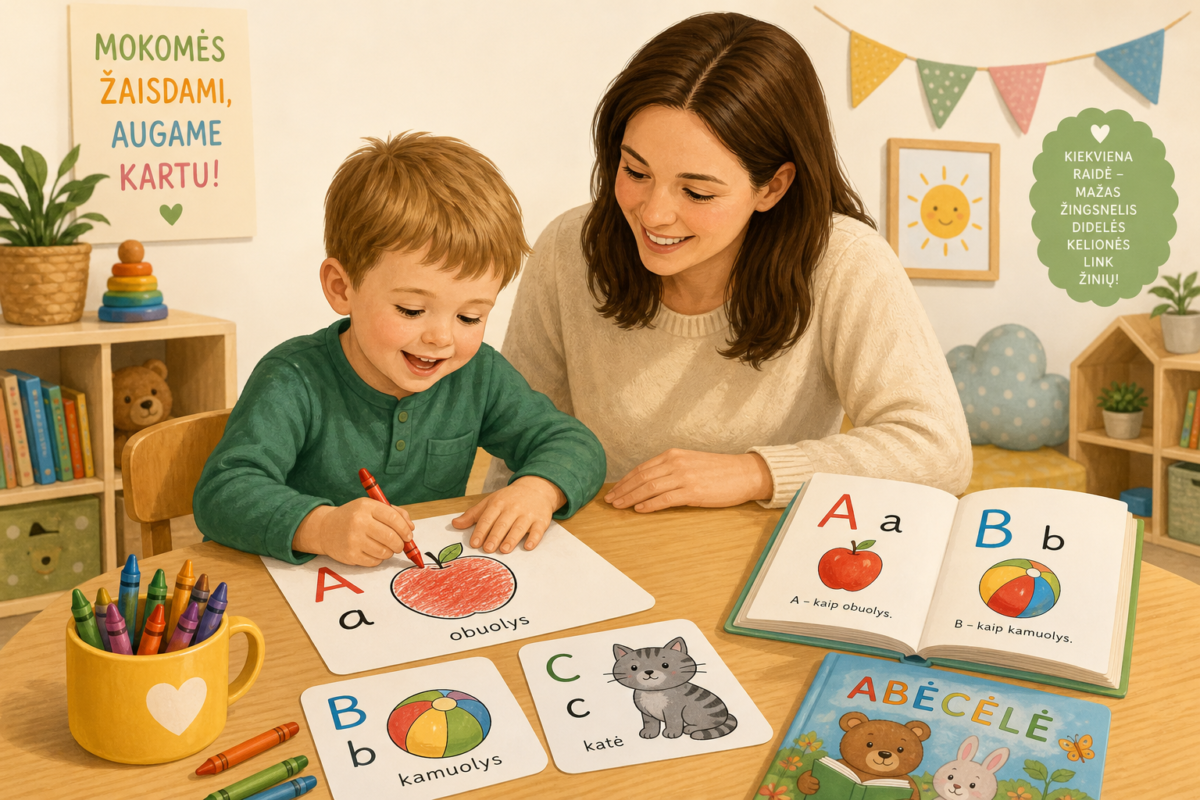
Start by sitting with your child. Read the directions aloud, point to the first example, and let them know that trying matters more than getting every answer right. You might say, “Let’s find the three circles together,” or “Can you show me where this line starts?” This support helps children feel safe enough to attempt something new.
Then connect the page to real life. If your child practices the letter S, look for S items around the room: socks, spoon, stuffed animal. After a counting worksheet, count crackers at snack time or steps on the porch. If the page includes a shape, see if your child can spot that shape on a sign, window, or toy. These simple follow-ups turn paper practice into meaningful learning.
It also helps to give children choices. Offer two activities and let them pick: “Would you like to do the animal counting page or the rainbow tracing page?” Choice gives preschoolers a little ownership, which can make a big difference in cooperation.
Keep the pressure low: Are Worksheets Good for Preschoolers?
Avoid using worksheets as a measure of intelligence, readiness, or behavior. A preschooler who scribbles, skips an item, or wants to use every crayon color is still learning. Correct gently when needed, but do not turn each page into a lesson in being right.
Praise effort in specific ways. Instead of simply saying “Good job,” try, “You kept your pencil on the path,” “You counted each bear carefully,” or “You tried that tricky letter again.” Specific praise helps children recognize what they did well and what to try next time.
Stop while it is still going well: Are Worksheets Good for Preschoolers?
If a child starts to wiggle, rush, complain, or lose focus, it may be time to pause. Preschool attention spans are still growing. Save the next page for another day, switch to a hands-on activity, or return to the skill through play.
A child may learn the concept better by forming letters in sand, counting toy cars, or making shapes with craft sticks. Worksheets work best alongside these experiences, not instead of them.
Are Worksheets Good for Preschoolers: Simple Ways to Build a Balanced Learning Routine
A balanced preschool routine does not need to look like a long school day. One short printable activity can fit naturally between play, reading, meals, and movement. For instance, a child might begin with a 5-minute tracing page, spend time building with blocks, listen to a story, and later complete a picture-sorting activity.
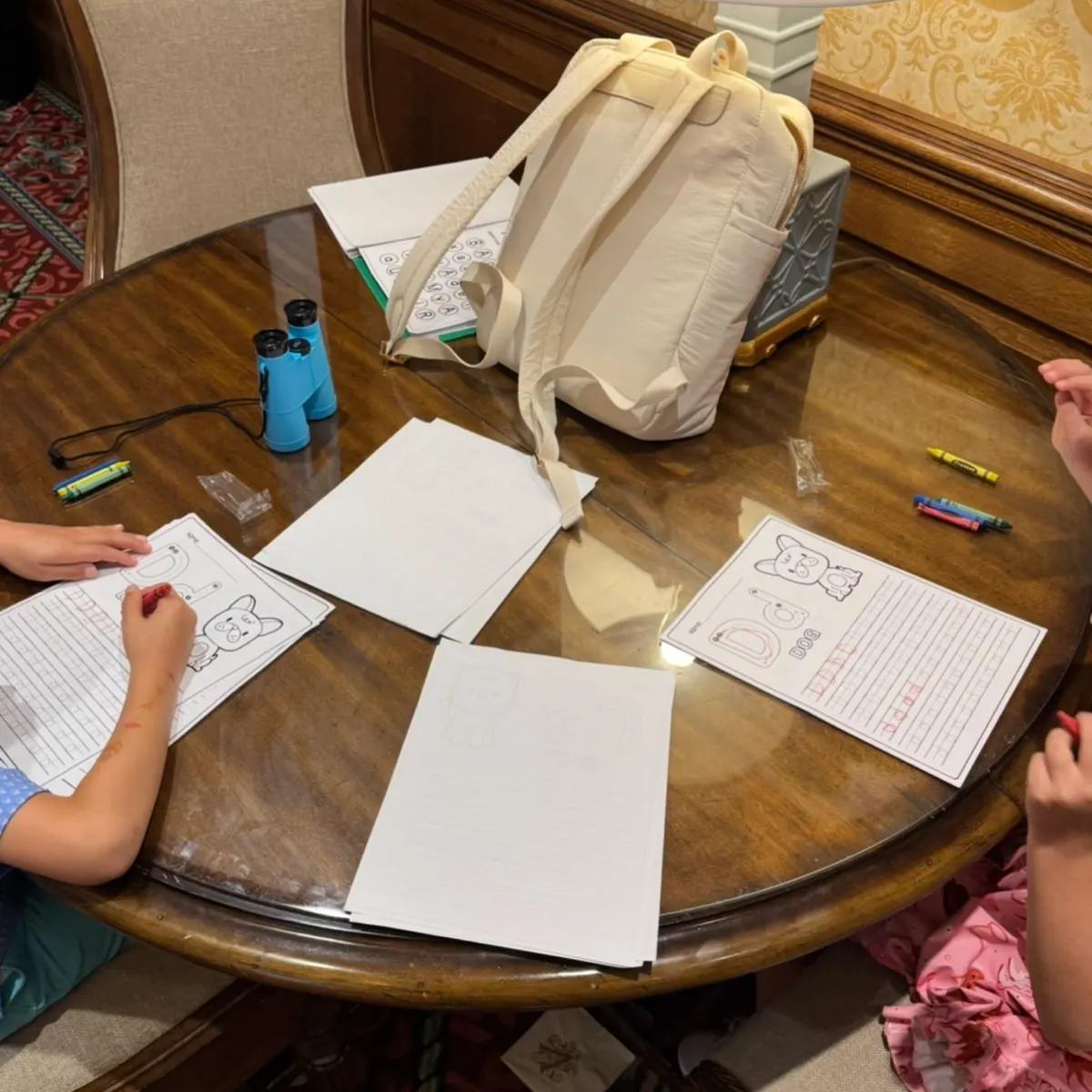
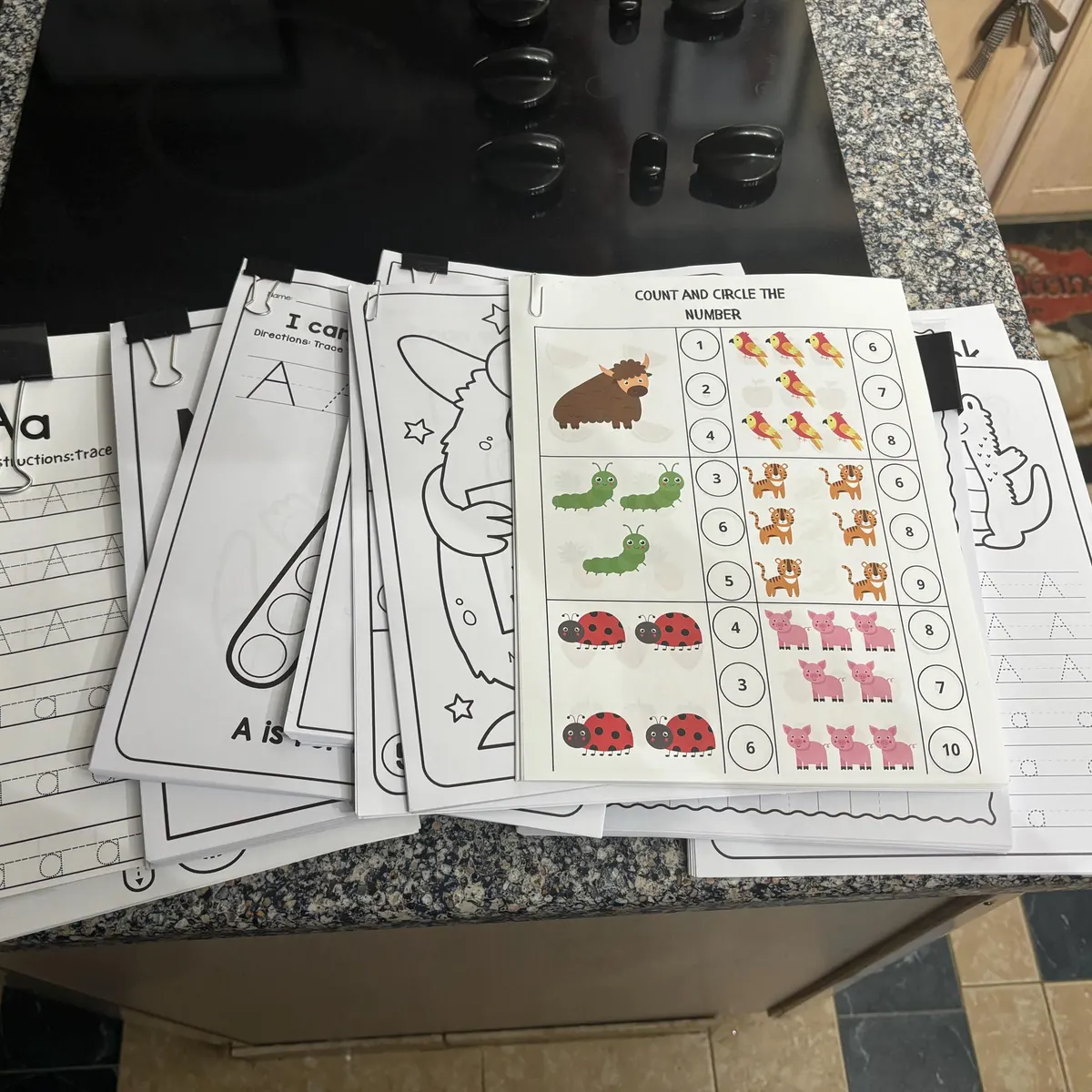
Teachers can use worksheets as a calm arrival activity, a small-group follow-up, a center option, or a take-home practice page. At home, parents can keep a small folder of favorite printables for quiet time, travel, rainy afternoons, or moments when a child asks to “do school.” Homeschool families are worksheets good for preschoolers can use them to reinforce a lesson without spending extra time designing materials from scratch.
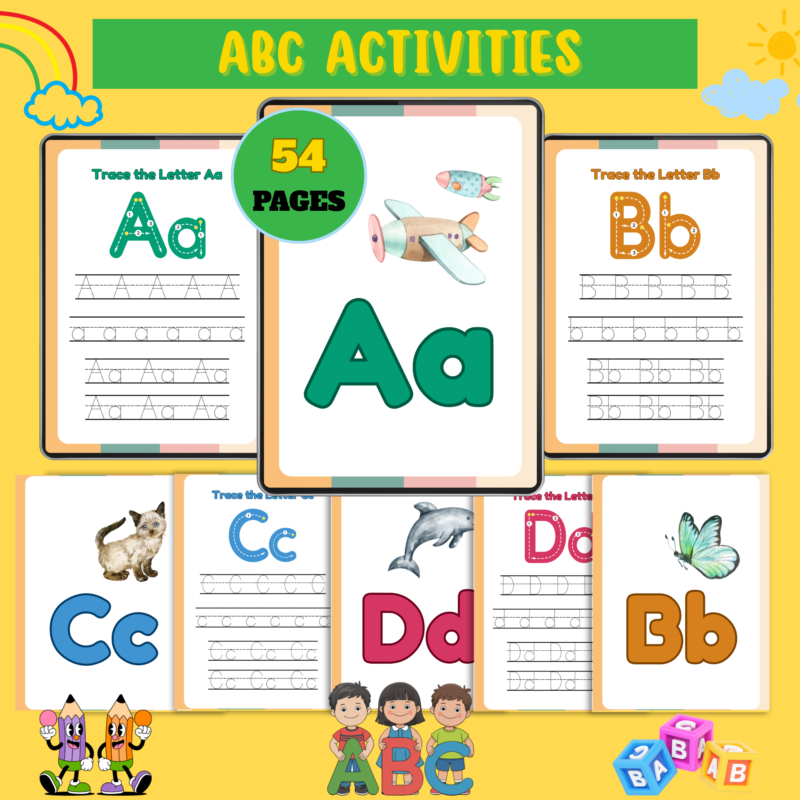
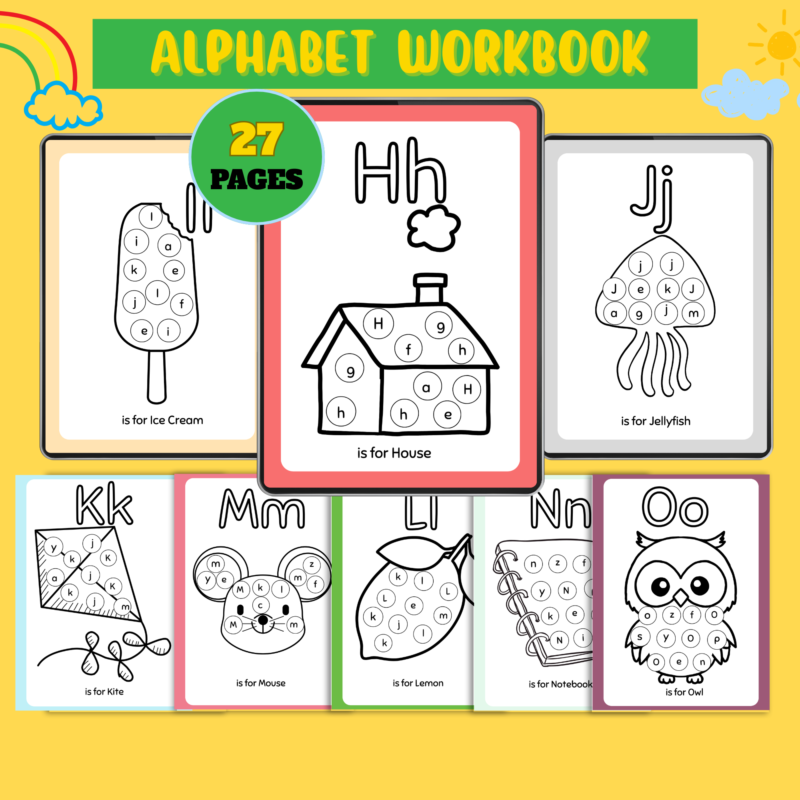
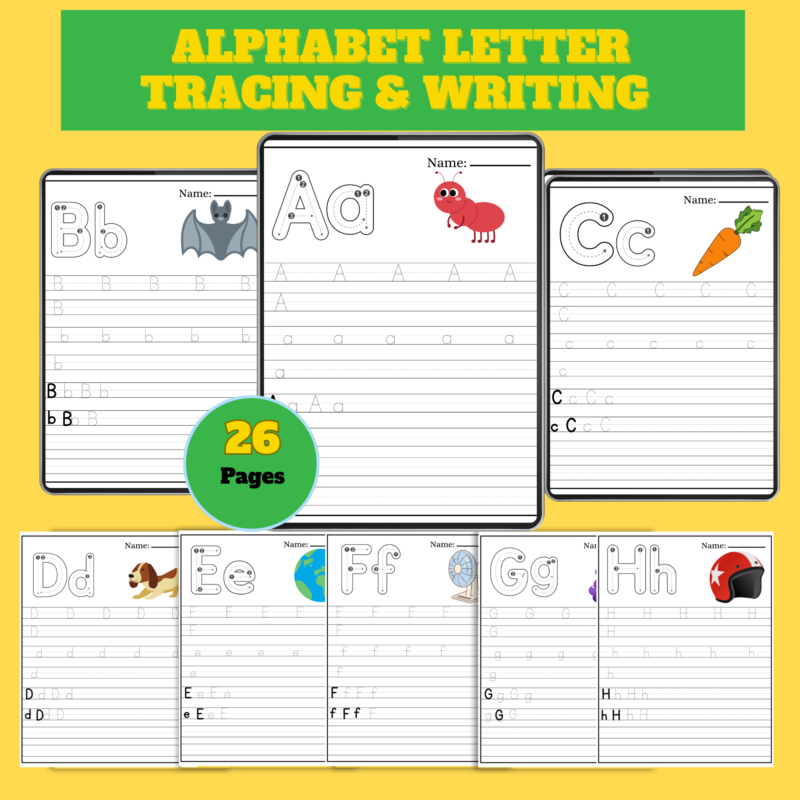
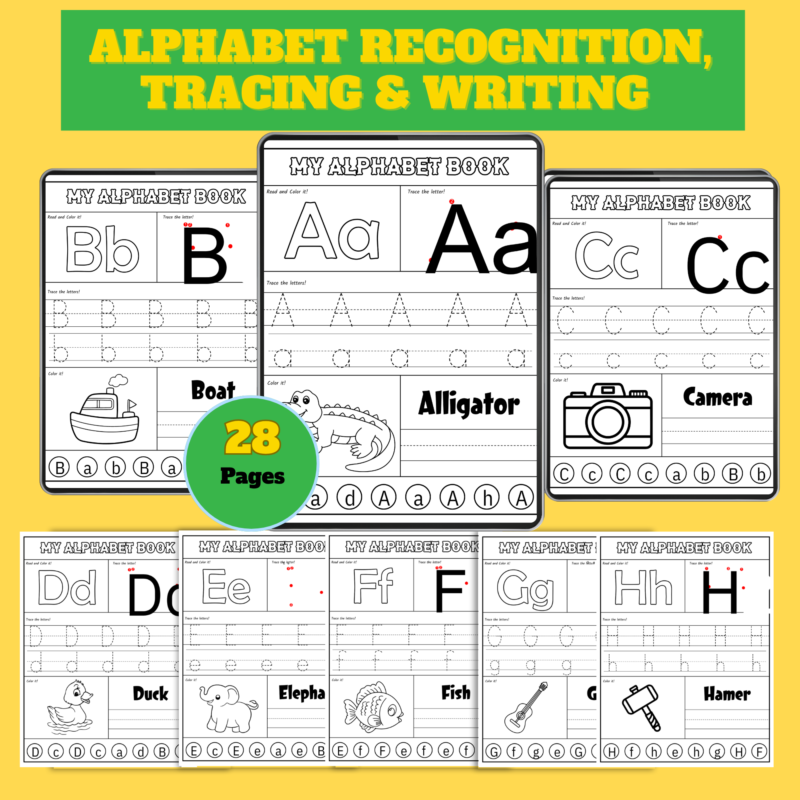
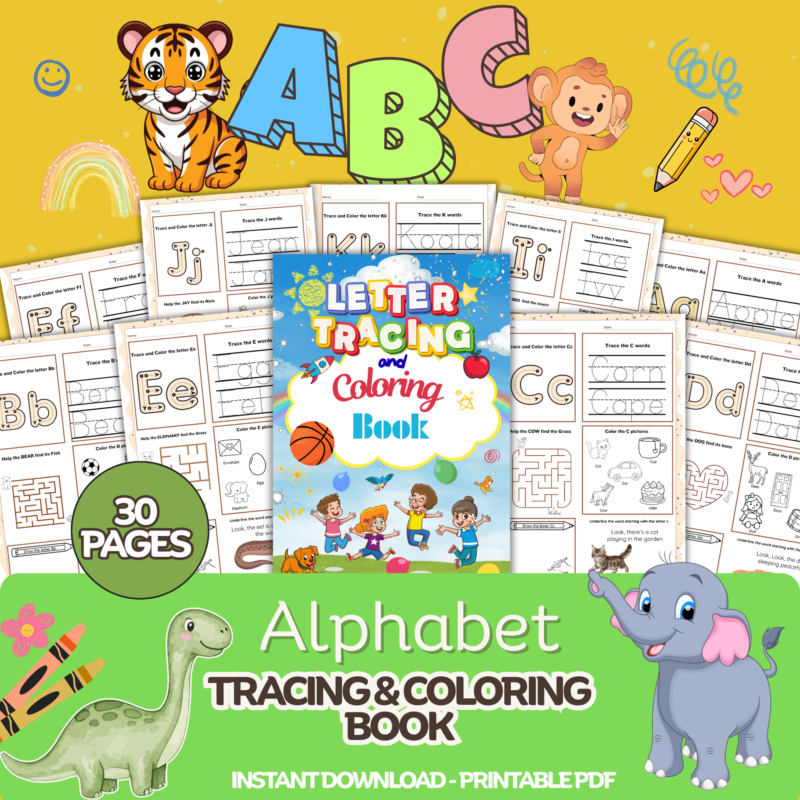
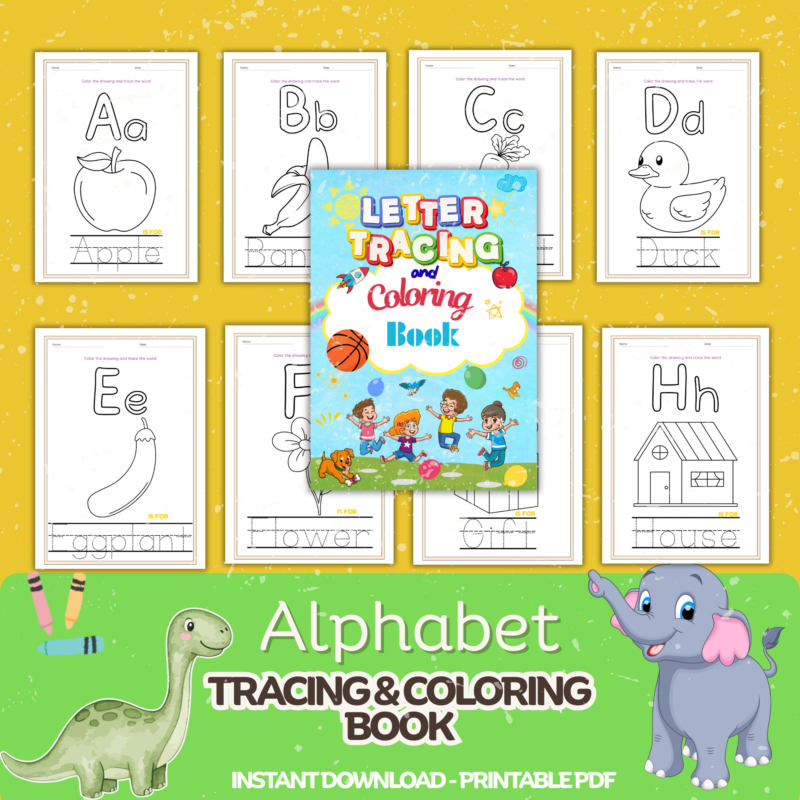
Fun Clever Fox are worksheets good for preschoolers printable activities are designed with this practical balance in mind: clear skill practice, child-friendly artwork, and ready-to-use pages that make it easier to support early learners at home or in the classroom.
Are Worksheets Good for Preschoolers: When to Skip the Worksheet
There are times when putting the pencil down is the best choice. Skip the worksheet when a child is hungry, tired, upset, or strongly resisting. It is also wise to choose a different activity if the skill is too advanced or if your child has already had plenty of structured tasks that day.
Some children are especially active learners and may need to move before they can sit. Try a letter hunt around the room, a number hopscotch game, or a quick dance break first. Others may prefer to talk through answers rather than write them. Their learning still counts.
The goal is never to make preschool feel like pressure. It is to build familiarity, curiosity, and confidence one small step at a time.
A great worksheet ends with a child feeling successful enough to reach for another crayon tomorrow.
You May Also Read
Early Math Skills: Simple Ways to Build Them
6 Simple Ways to Teach Rhyming With Printables
Number Puzzle Printables That Make Math Fun
Are Worksheet Subscriptions Worth It for Kids?
Kindergarten Math Workbook Review for Families
Contact with Fun Clever Fox
info@funcleverfox.com
Fun Clever Fox