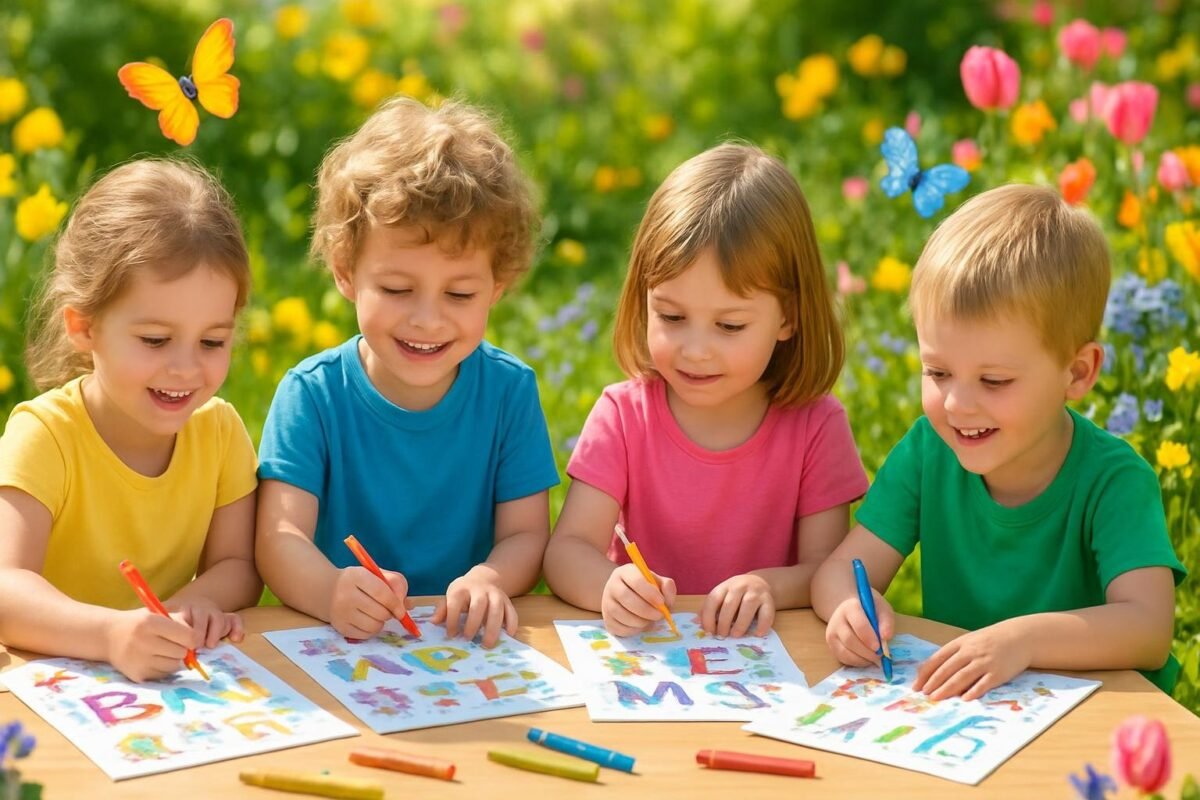
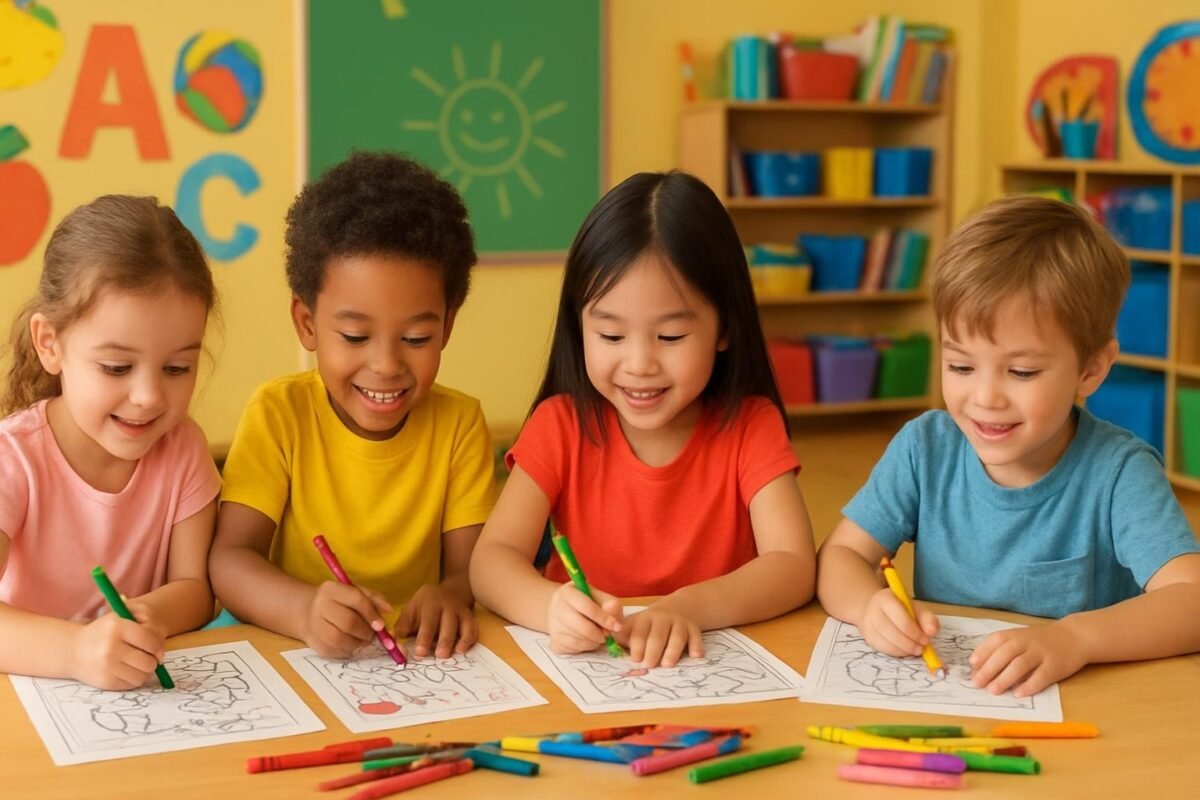
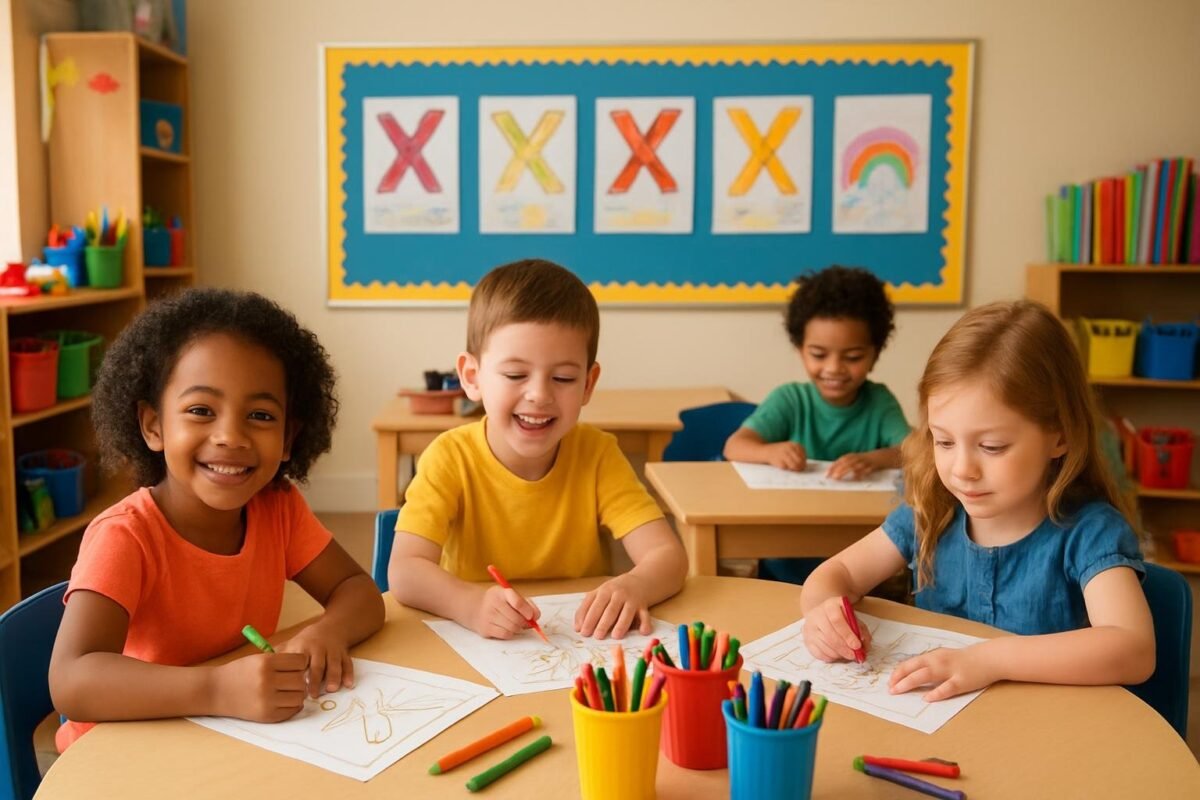
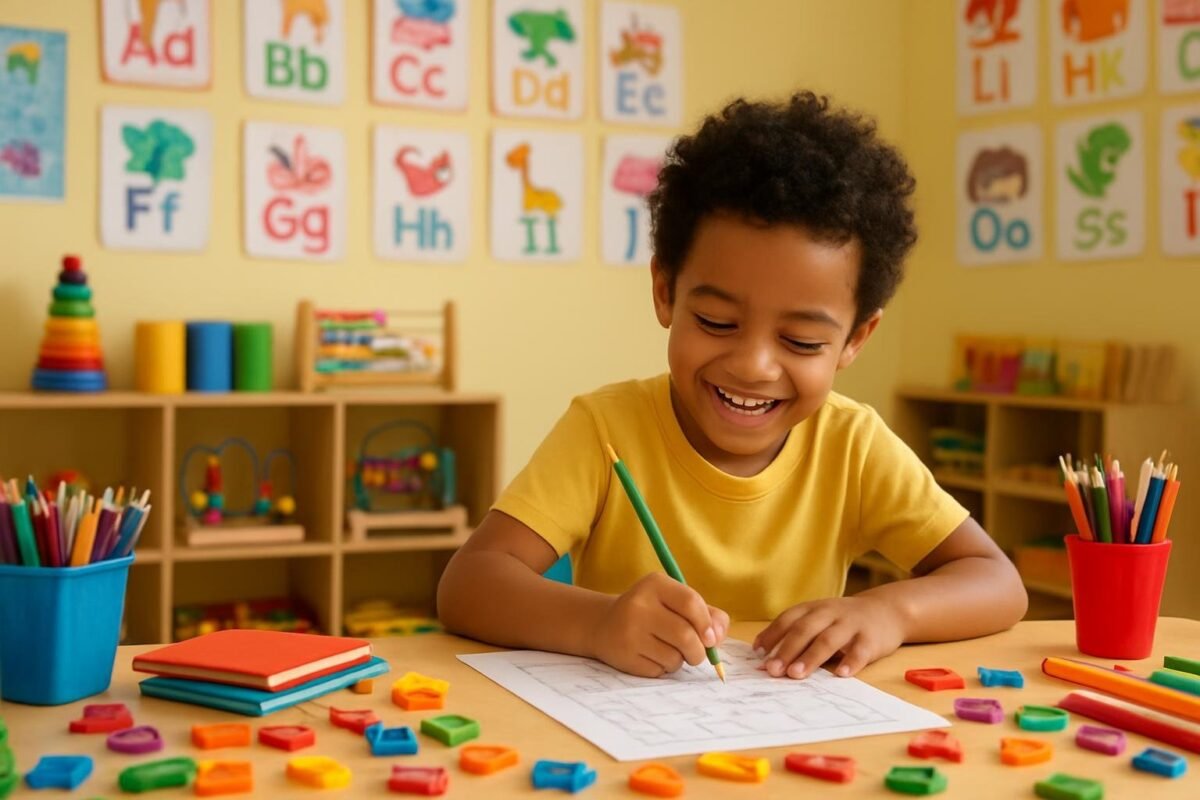
A strong preschool day does not need to be packed with activities. It needs a simple rhythm, clear learning goals, and plenty of room for children to move, talk, create, and practice. When you build preschool lesson plans around a few age-appropriate skills, teaching feels less rushed and children have more chances to feel successful.
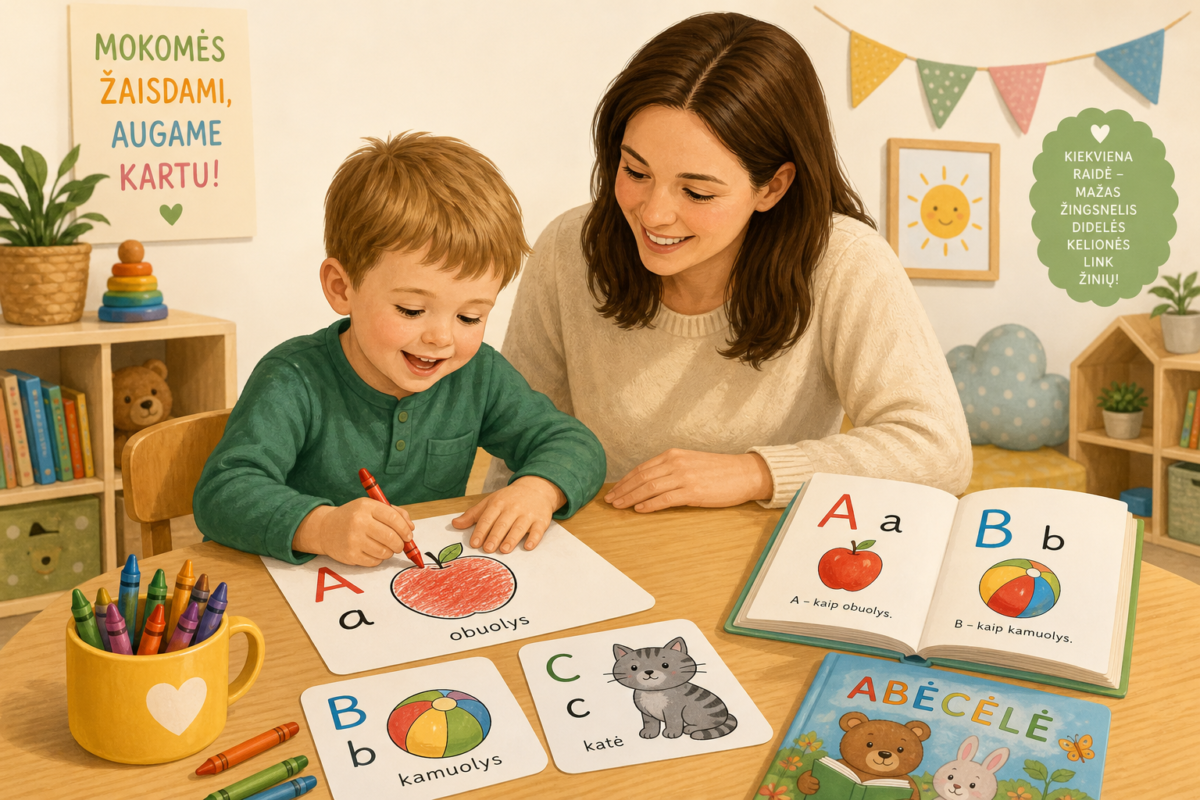
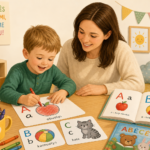
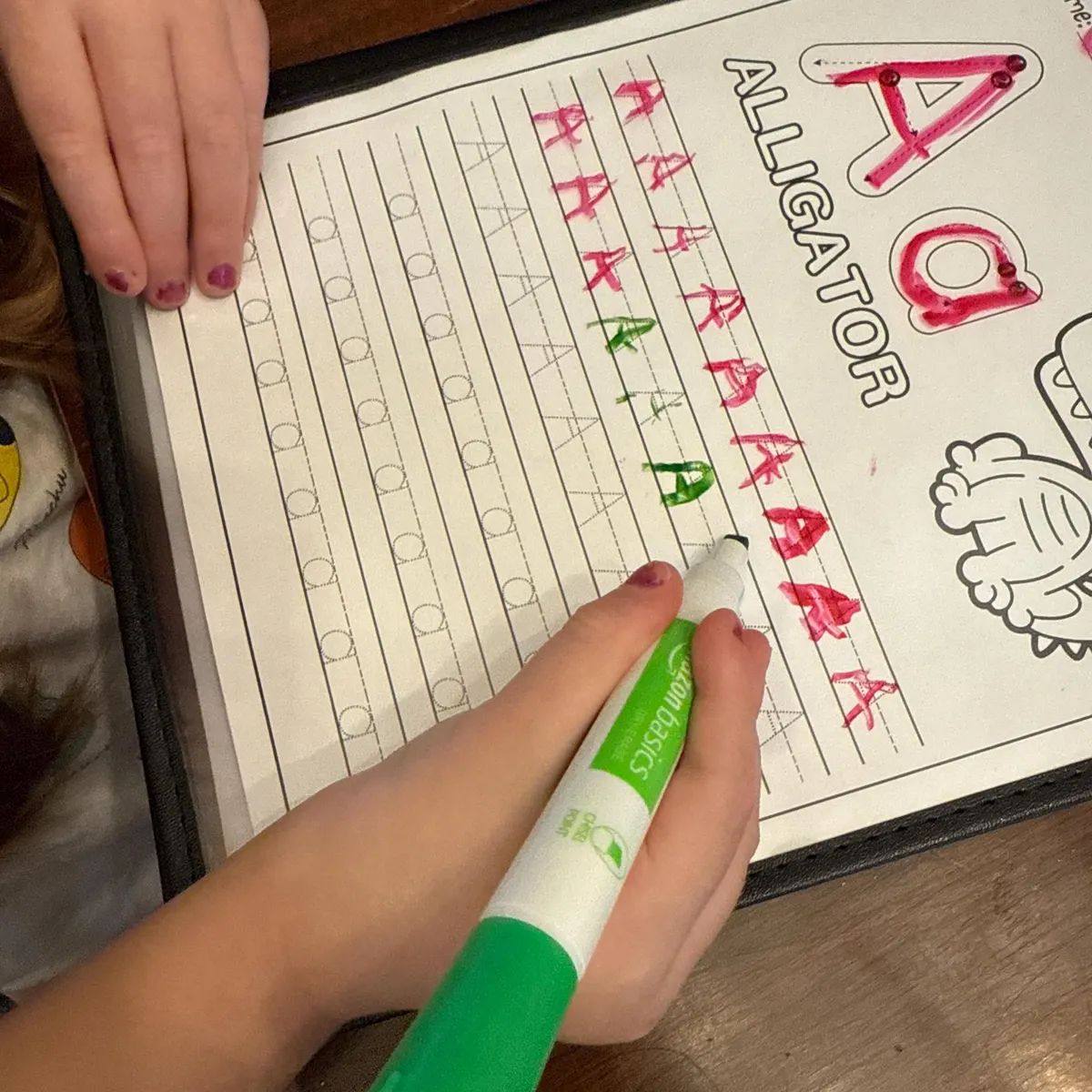
For preschoolers, repetition is not boring when it is presented in fresh, playful ways. A child may trace the letter A, hunt for A objects around the room, color an apple, and listen for the beginning sound in alligator. Those small experiences work together to build real readiness for reading and writing.
Start With One Main Learning Focus
The easiest way to plan is to choose one central focus for the week. This could be a letter, number, color, shape, seasonal theme, or early skill such as rhyming or counting to 10. A focused plan helps you avoid trying to teach everything at once.
For example, a fall-themed week might include leaves, apples, and pumpkins, but the learning goal could still be number recognition from 1 to 5. The theme makes activities more inviting, while the skill goal keeps your teaching purposeful.
Young children learn best through short, repeated practice. Rather than scheduling a long lesson on one topic, revisit the same skill in several ways across the week. Use a read-aloud, a hands-on activity, a simple game, and a printable page for independent practice. This gives children different entry points while reinforcing the same idea.
Choose goals children can show
A useful preschool goal is easy to observe. Instead of writing, “Learn the letter M,” try, “Identify the letter M, say its sound, and trace it with support.” Instead of, “Understand counting,” use, “Count up to five objects while touching each object once.”
Clear goals make it easier to notice progress and adjust when a child needs more practice. They also help you choose materials that truly support the lesson instead of adding busywork.
Build Preschool Lesson Plans Around a Daily Rhythm
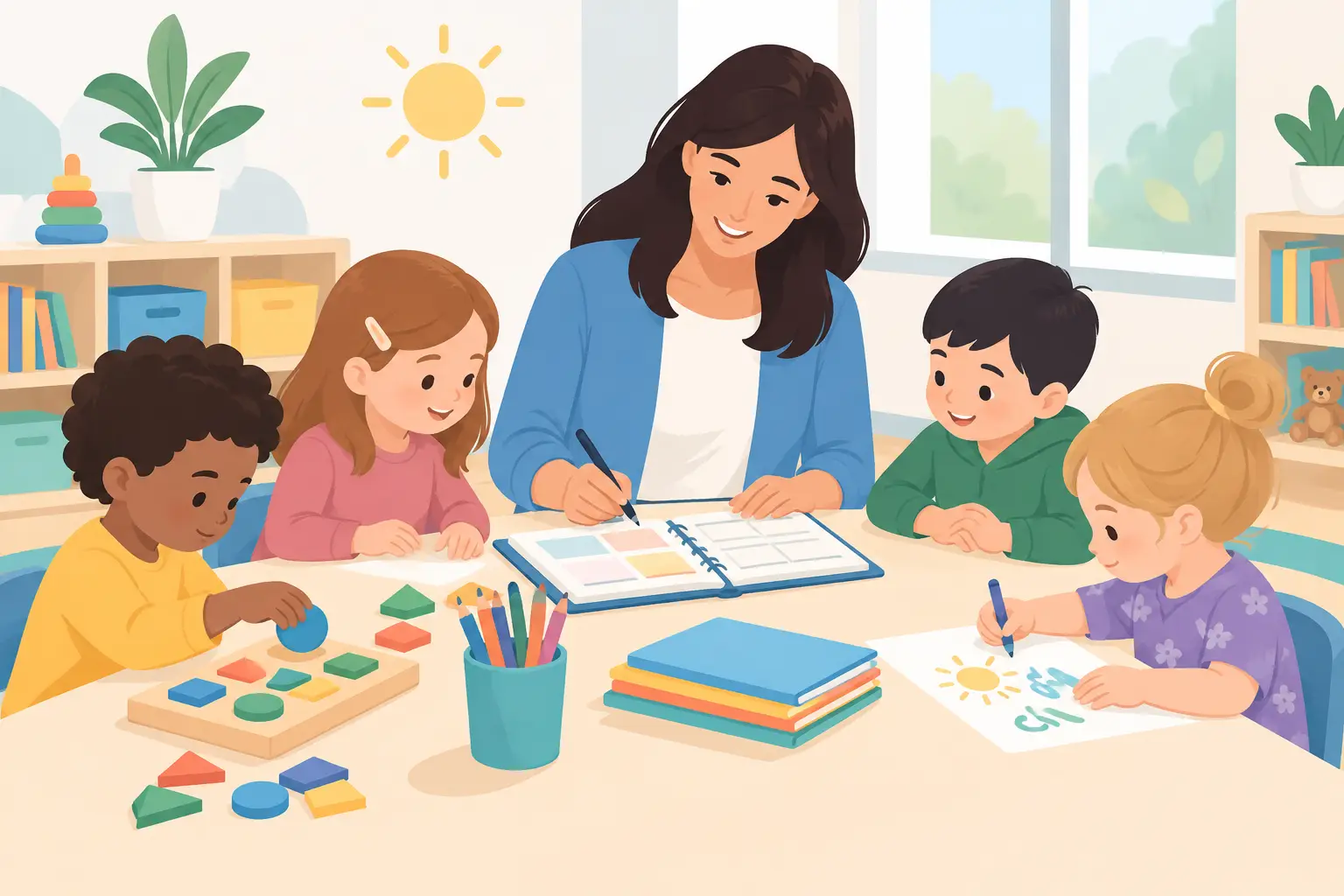
Preschoolers thrive when they know what comes next. Your exact schedule will depend on whether you teach at home, in a classroom, or in a daycare setting, but a predictable sequence makes transitions easier.
A balanced lesson plan often includes a welcome activity, circle time or a short group lesson, active play, a focused learning activity, snack or lunch, story time, and a calm closing routine. You do not need a different structure every day. Keeping the rhythm steady lets children spend their energy learning instead of figuring out what is happening next.
Plan focused instruction in small pieces. For many preschoolers, five to 10 minutes of direct teaching is plenty before they need to move. A letter lesson might begin with a song, continue with a quick picture sort, and end with children forming the letter using play dough or tracing it on a worksheet.
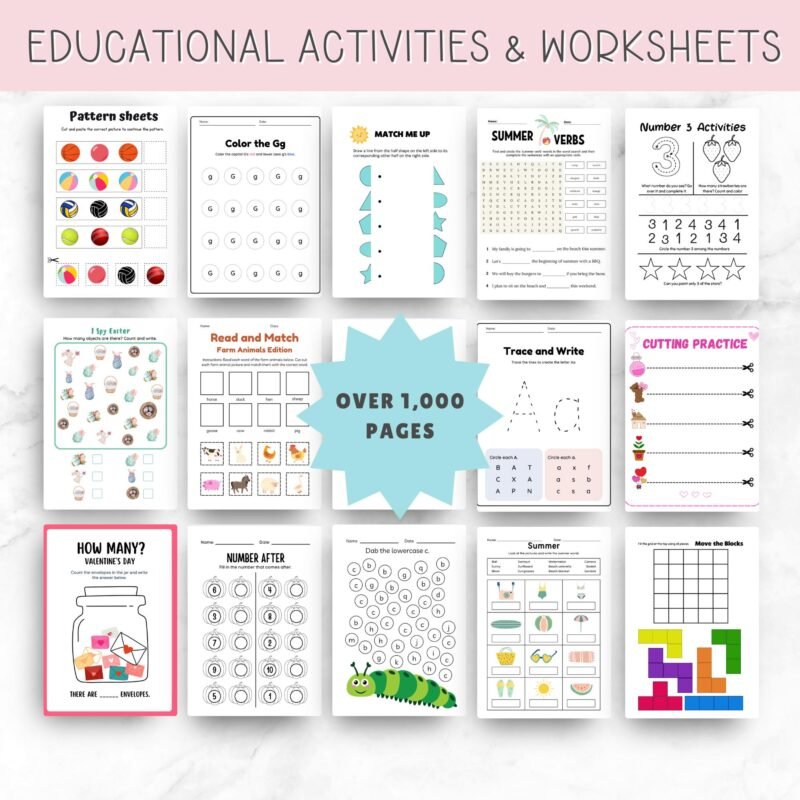
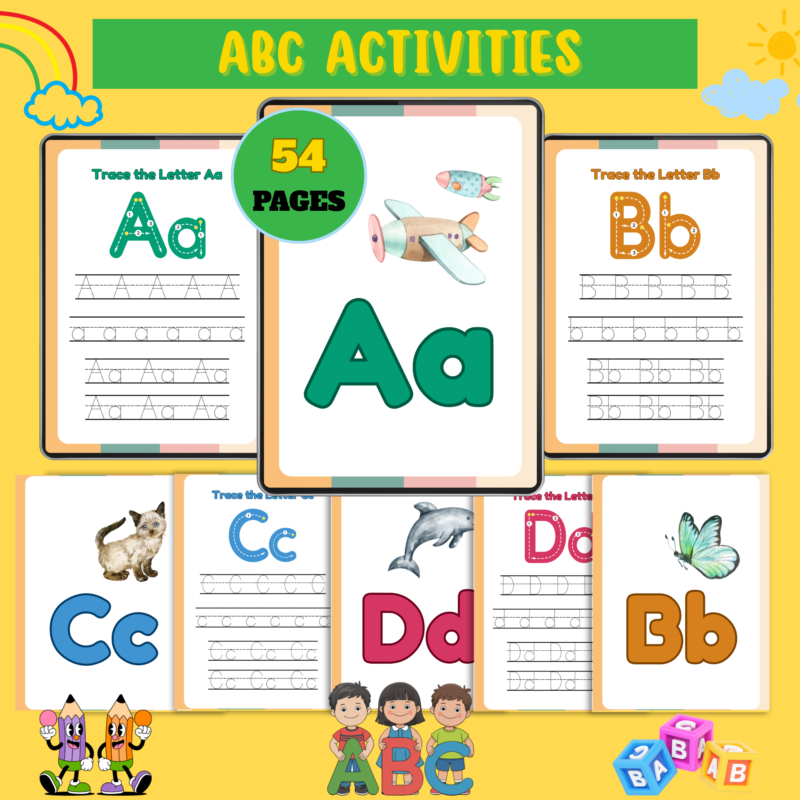
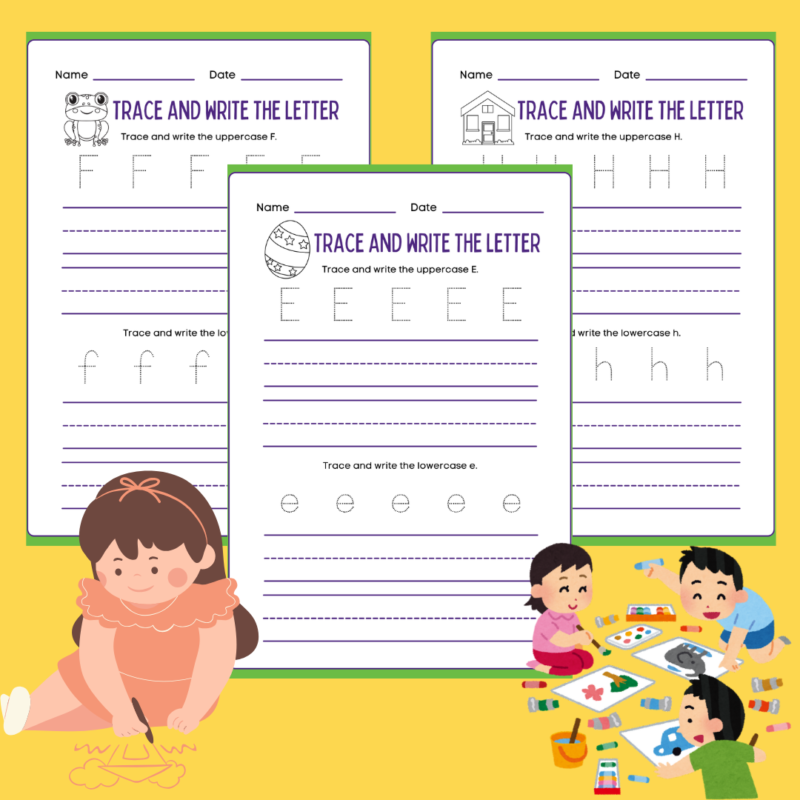
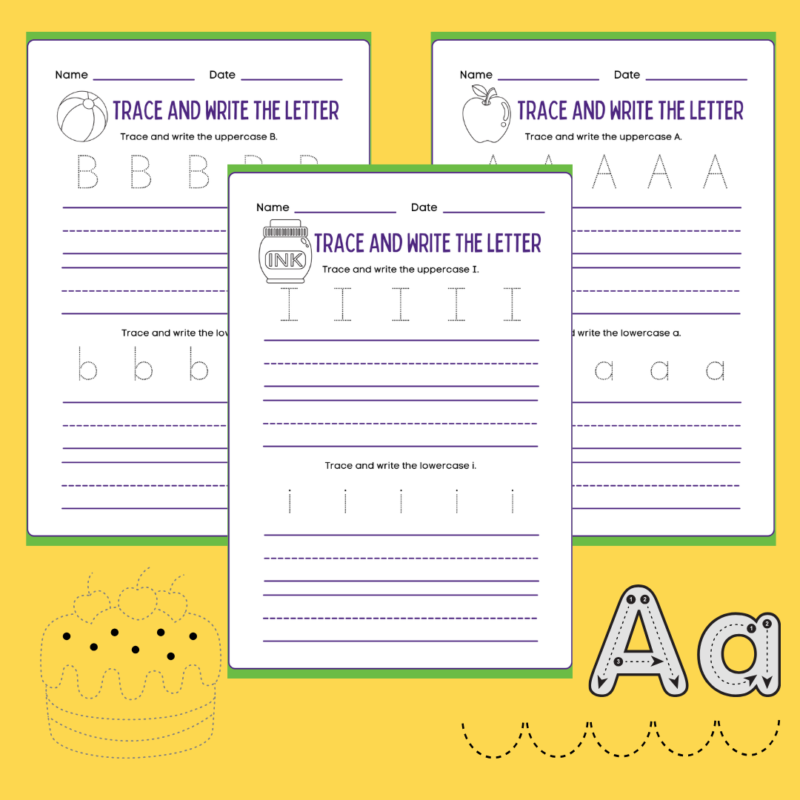
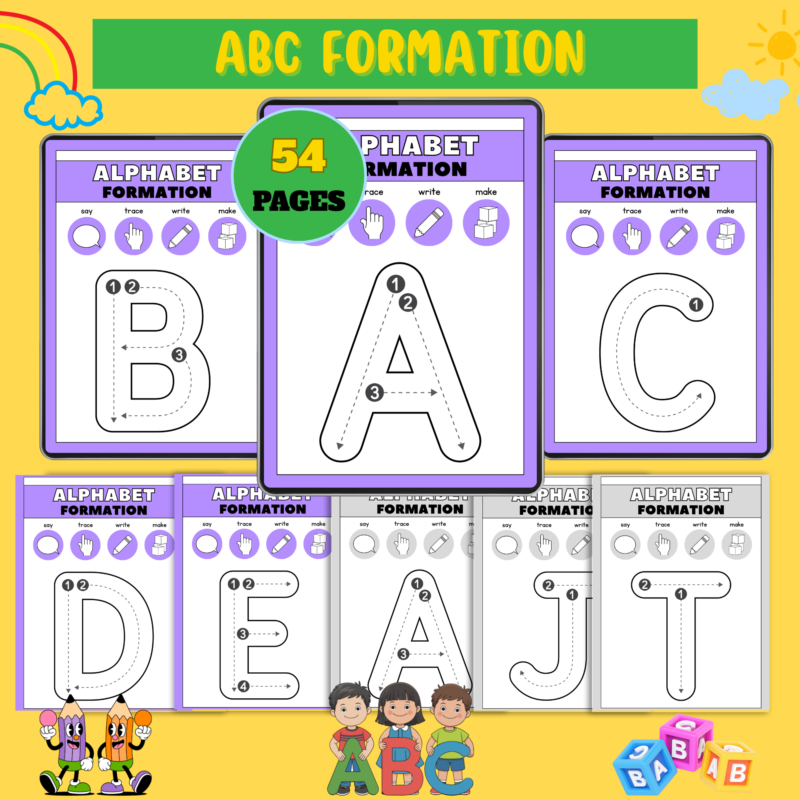
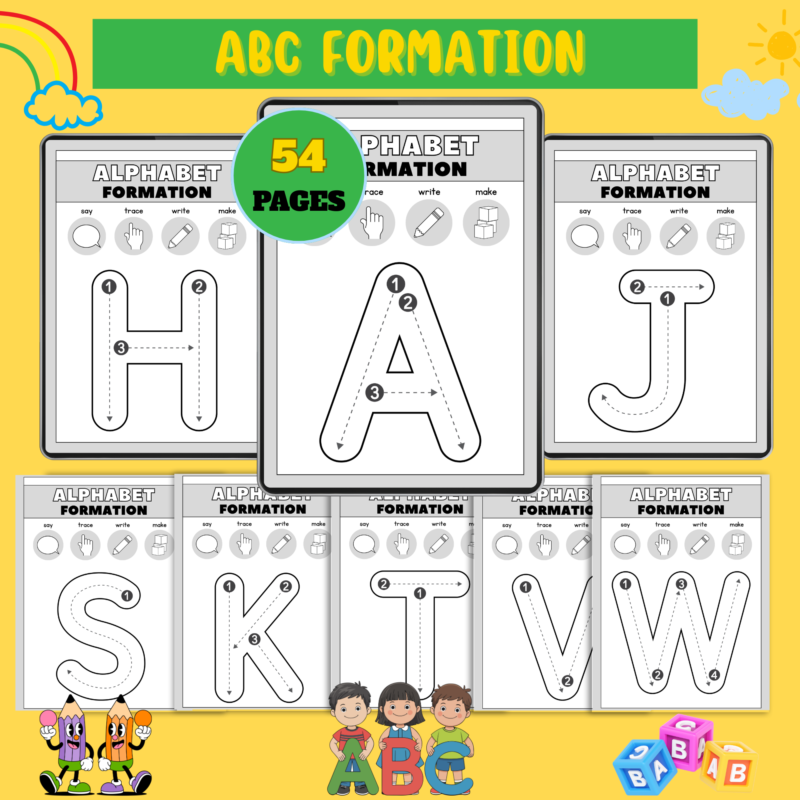
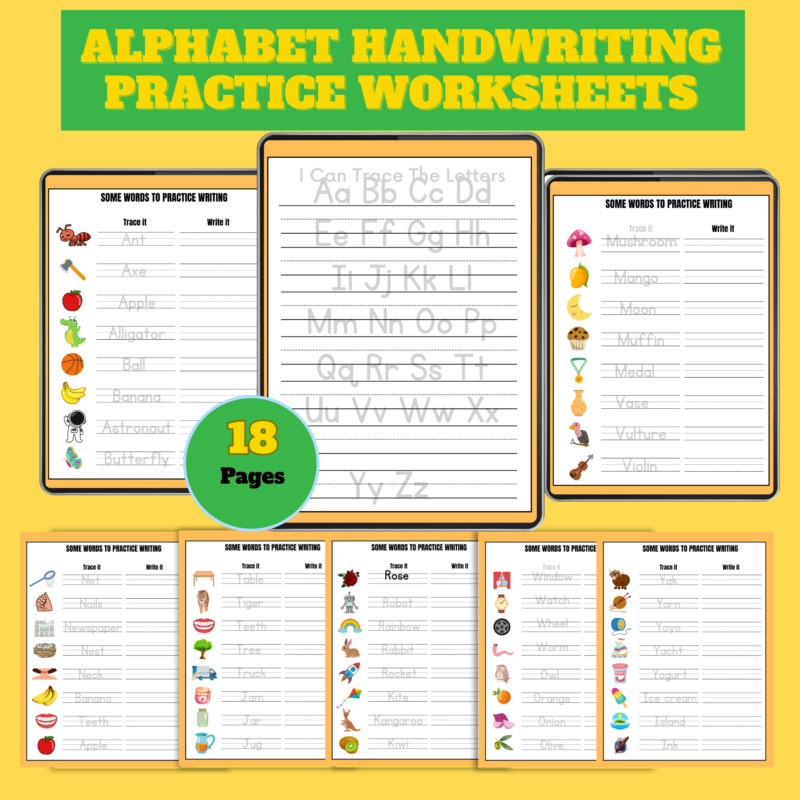
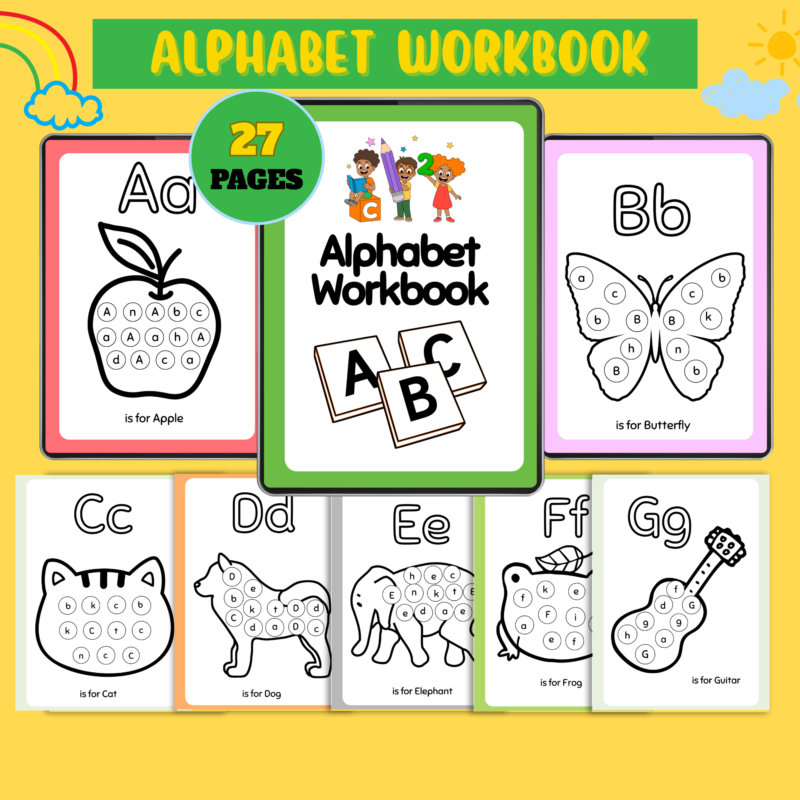
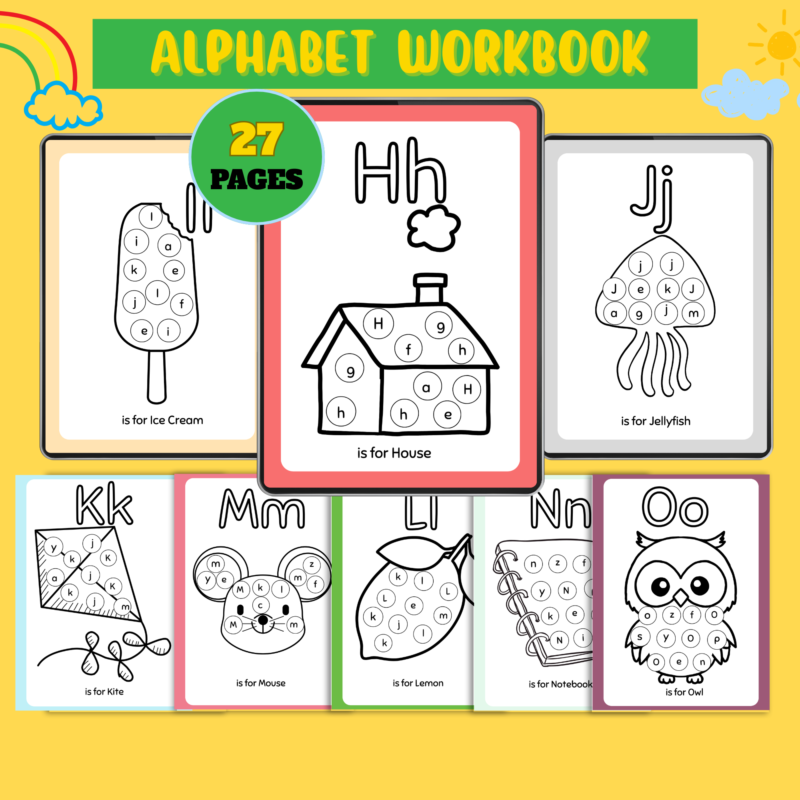
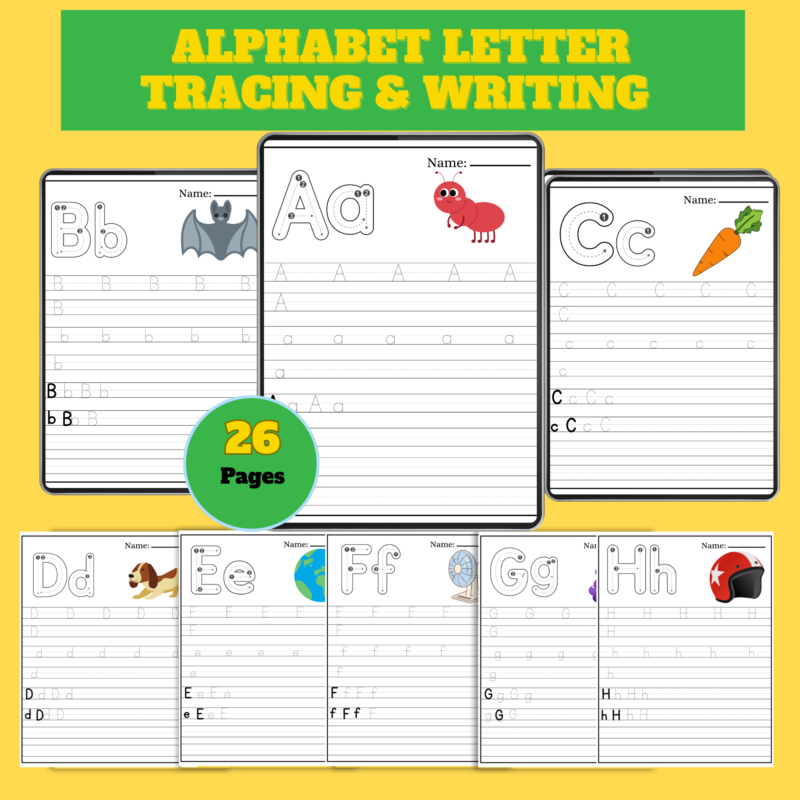
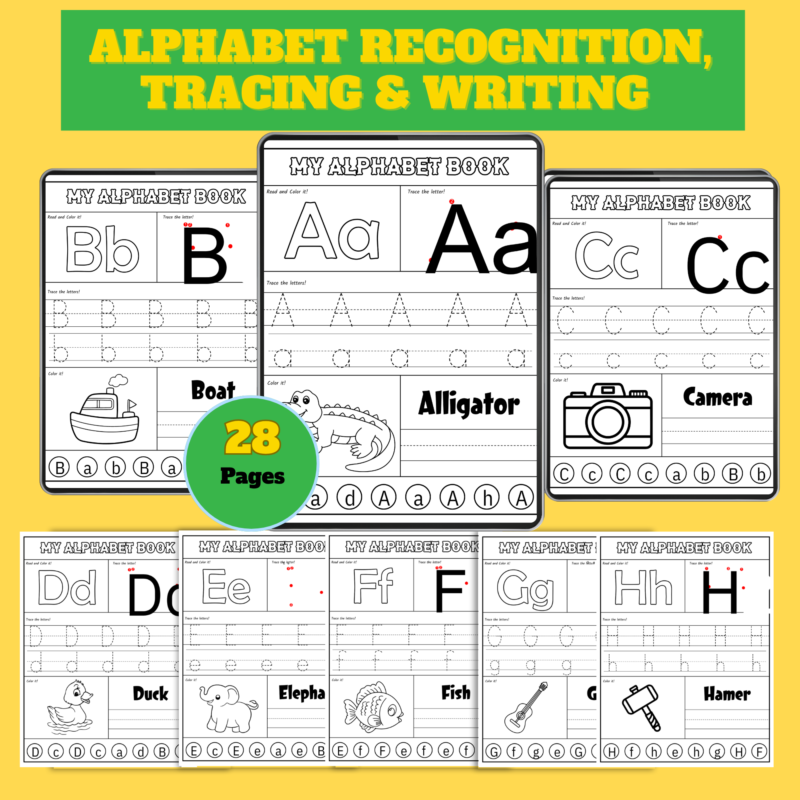
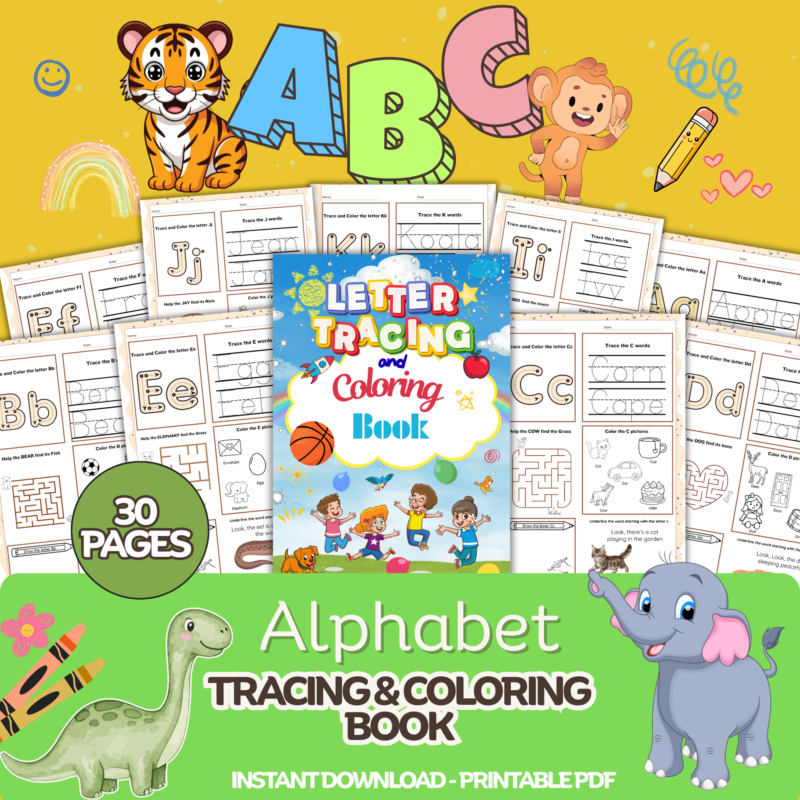
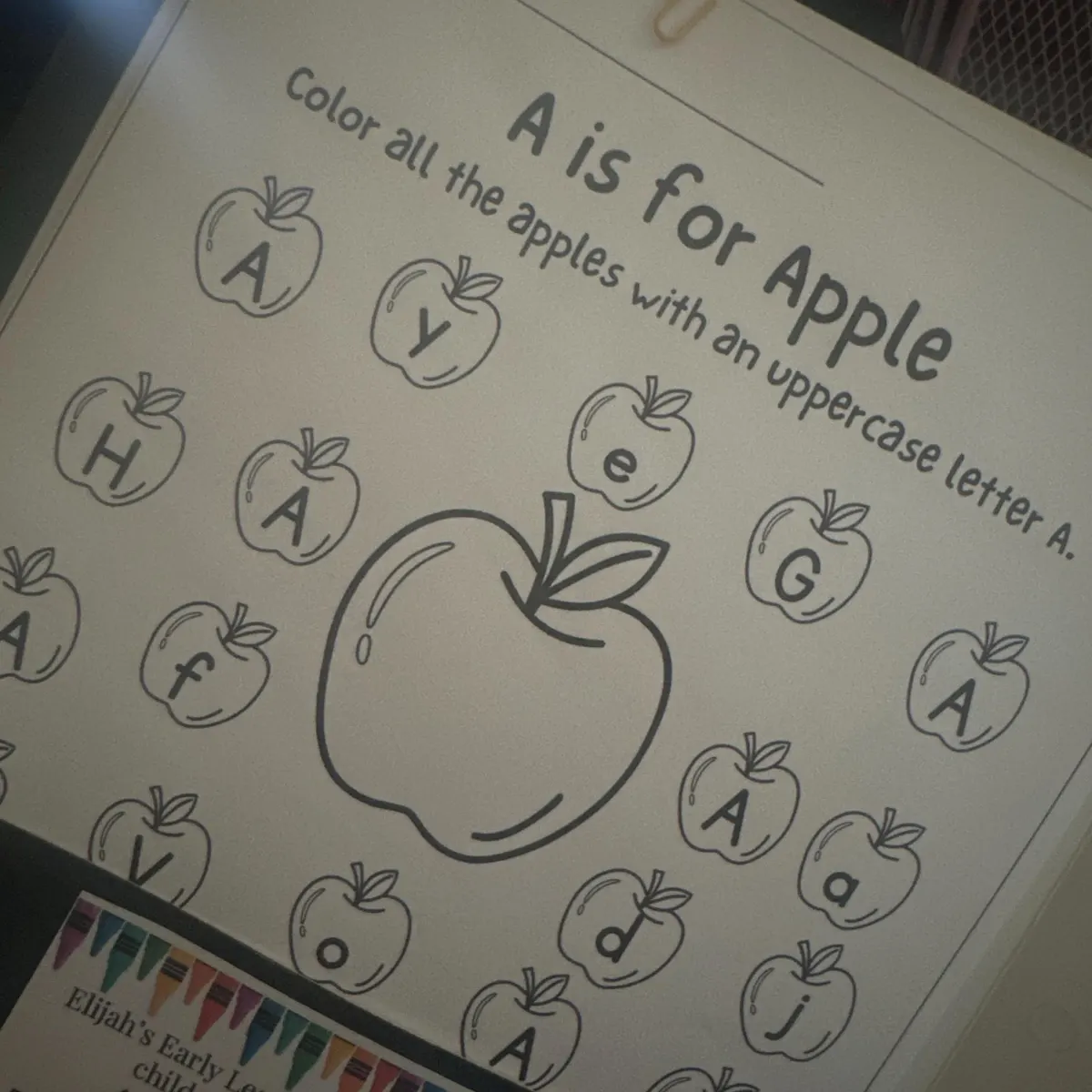
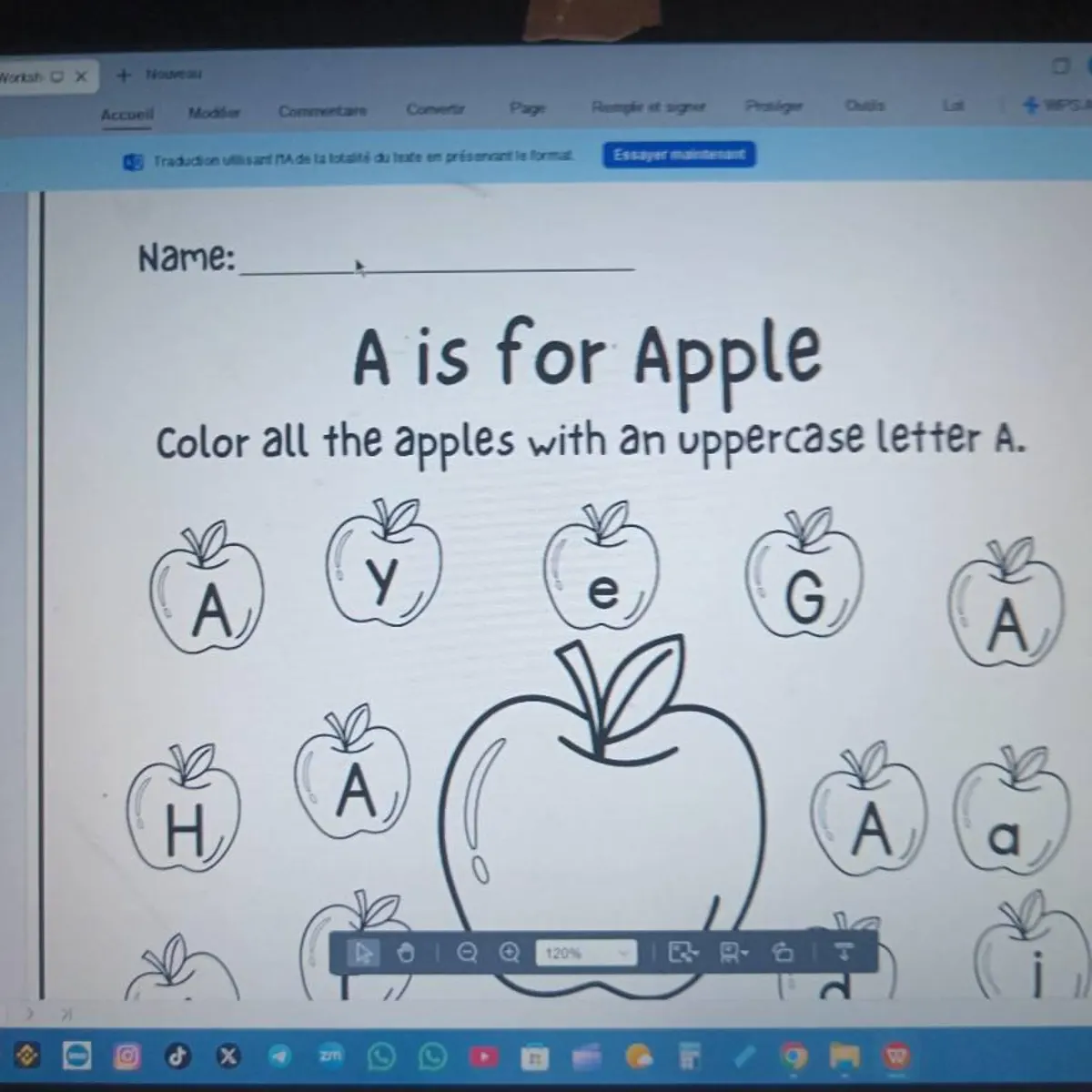
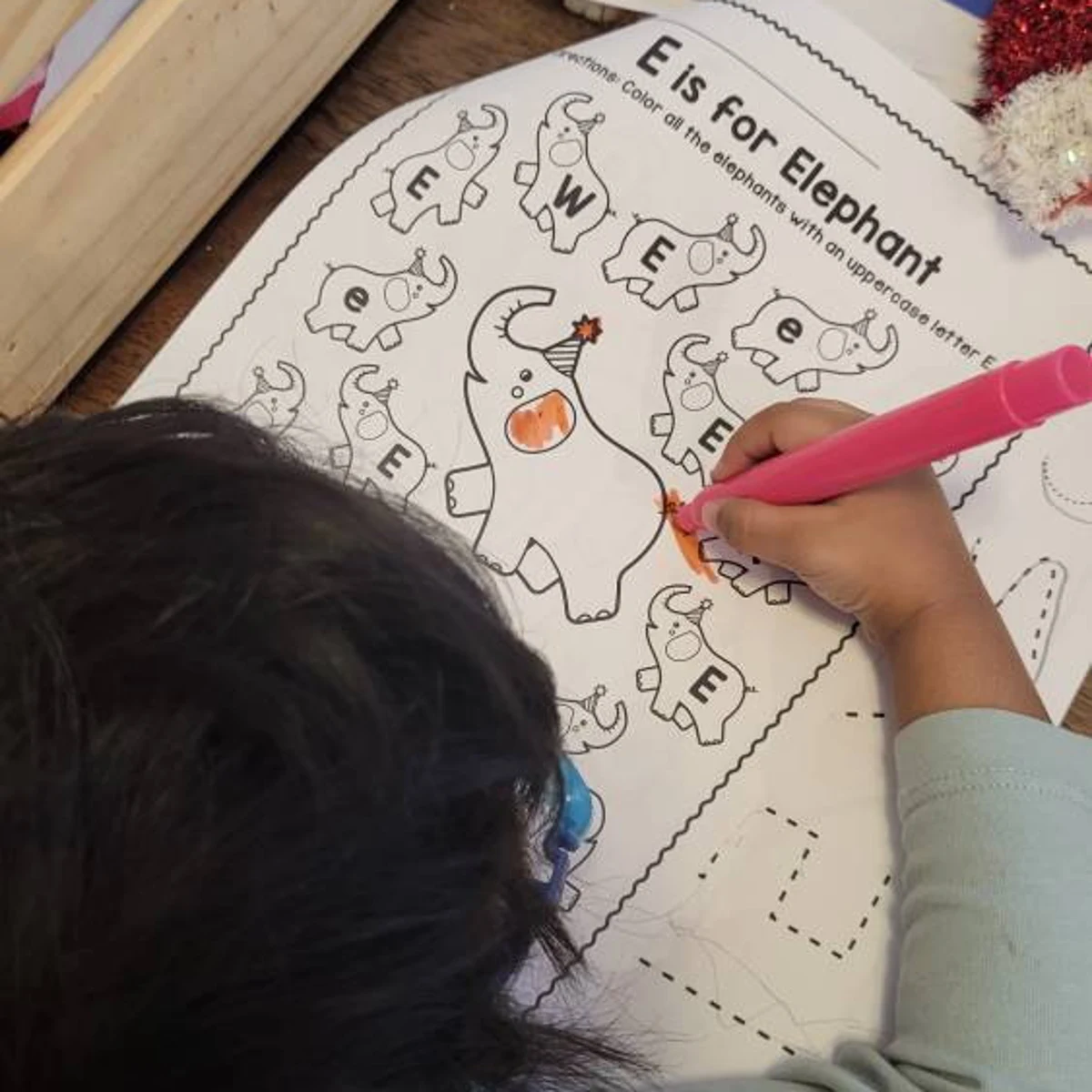
Printable activities fit especially well after a child has already experienced the skill through play. A tracing page, counting mat, or beginning-sound worksheet gives children a quiet chance to practice what they just explored. It also gives parents and teachers a simple way to see which skills are clicking.
Include the Skills Preschoolers Need Most
A well-rounded plan includes early literacy, early math, fine motor practice, language, social development, and movement. You do not need to teach every area in a formal lesson each day. Many skills naturally overlap.
Reading a picture book builds vocabulary, listening skills, story awareness, and turn-taking. A snack activity can include counting crackers, naming colors, and practicing polite conversation. Painting or coloring supports hand strength while giving children a creative outlet.
Over the course of a week, make room for these core learning areas:
- Early literacy: Letter recognition, alphabet tracing, rhyming, name writing, phonics, and book handling.
- Early math: Number recognition, counting, sorting, patterns, shapes, comparing quantities, and simple addition stories.
- Fine motor skills: Cutting, coloring, tracing, drawing, sticker activities, threading, and play dough work.
- Language and social skills: Conversation, following directions, sharing, describing feelings, and retelling familiar stories.
- Gross motor play: Dancing, outdoor games, obstacle courses, balancing, stretching, and action songs.
The best mix depends on your group. A class that loves stories may be ready for more sound-play activities. A group still developing pencil control may benefit from extra tracing, coloring, and hands-on fine motor stations before longer writing tasks.
Make Printable Practice Feel Like Play
Worksheets should support learning, not replace exploration. For preschoolers, one well-chosen printable can be more effective than a stack of pages completed too quickly.
Choose pages with one clear task. A child who is learning number 3 may trace the numeral, count three pictures, and color them. That is enough meaningful practice for one sitting. Too many directions on the same page can lead to frustration, especially for younger preschoolers.
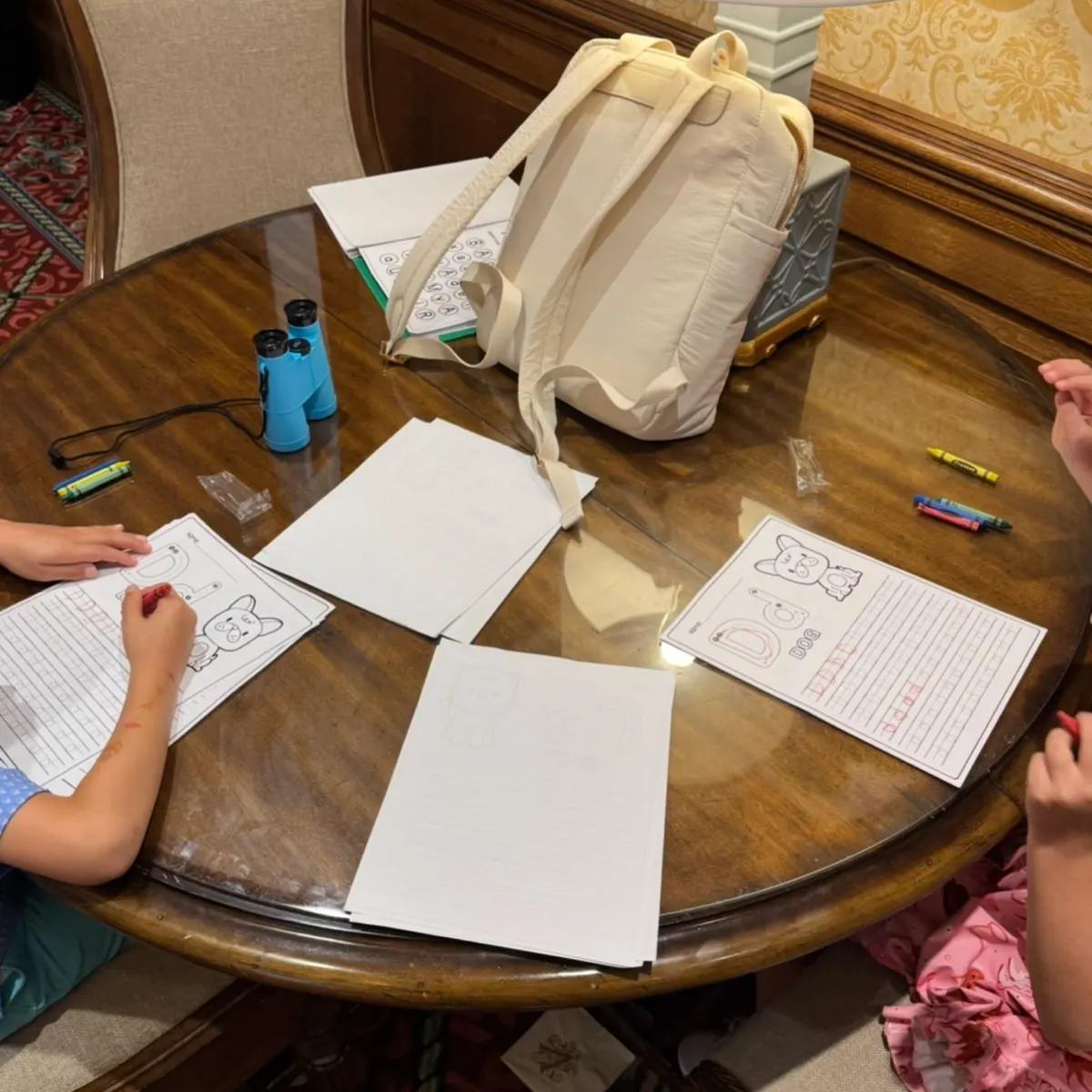
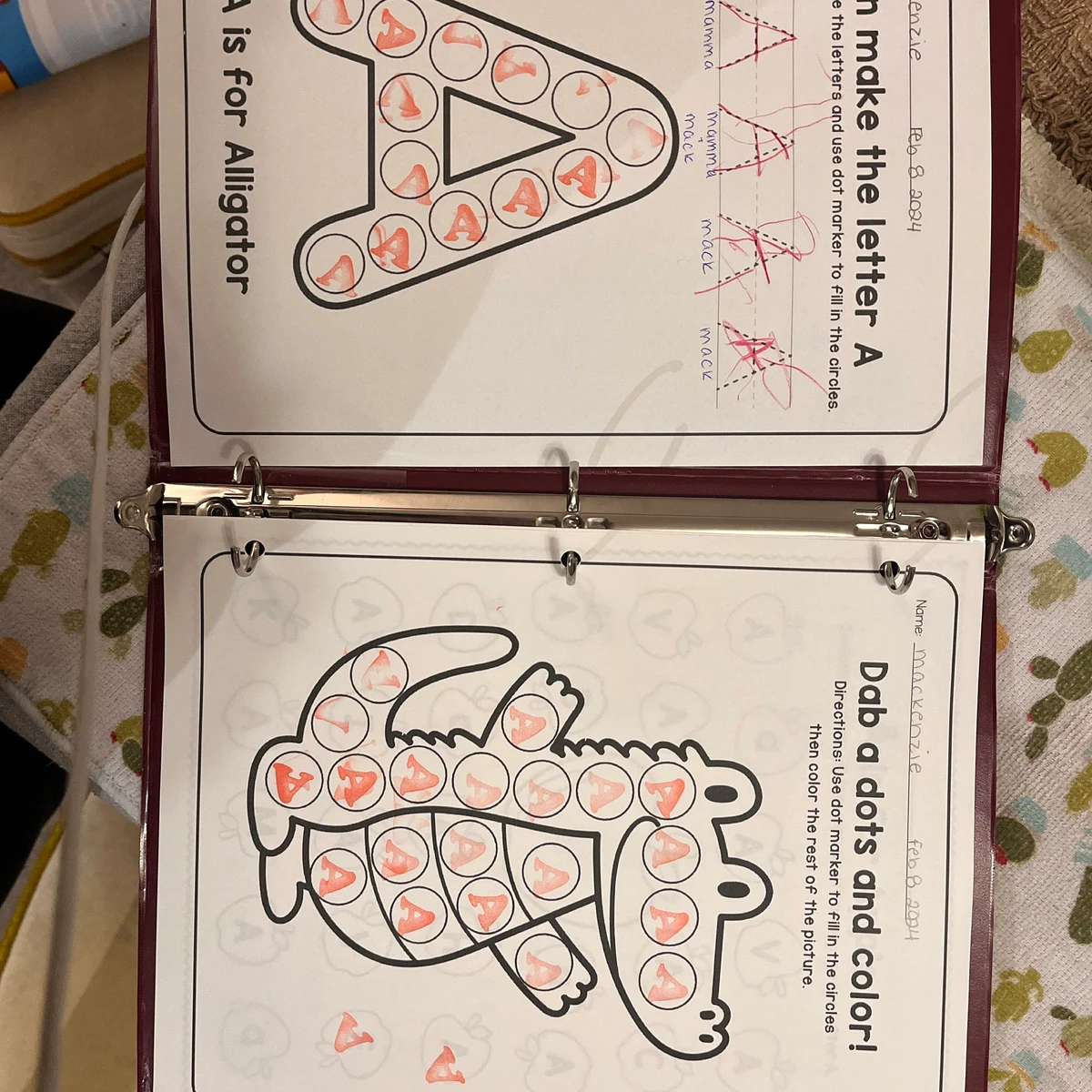
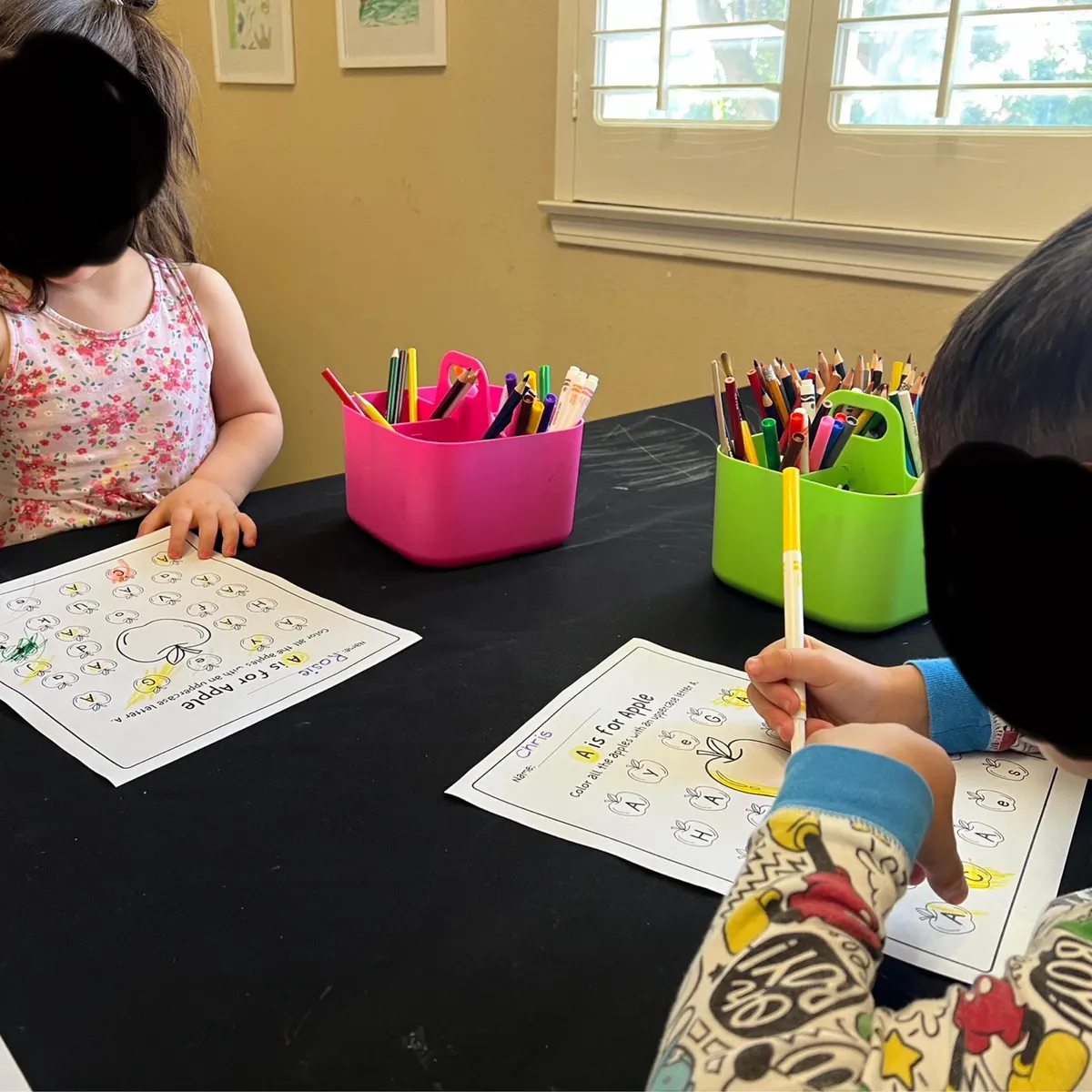
Keep practice short and encouraging. Offer crayons, colored pencils, dot markers, or stickers when they fit the activity. Sit nearby and use positive, specific feedback such as, “You started at the top of the letter,” or, “You counted each bear one time.” This helps children understand what they did well.
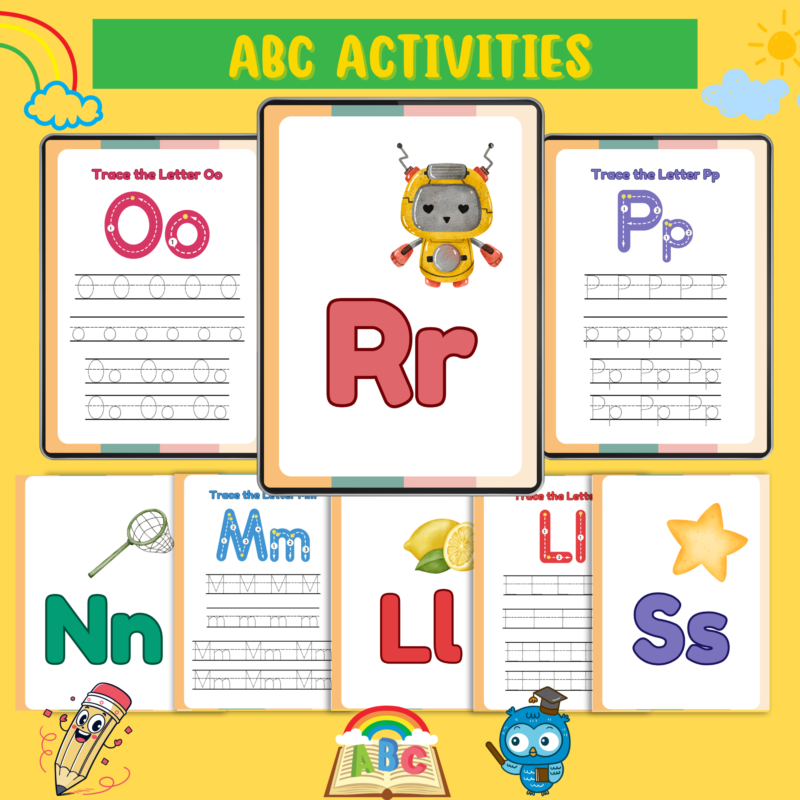
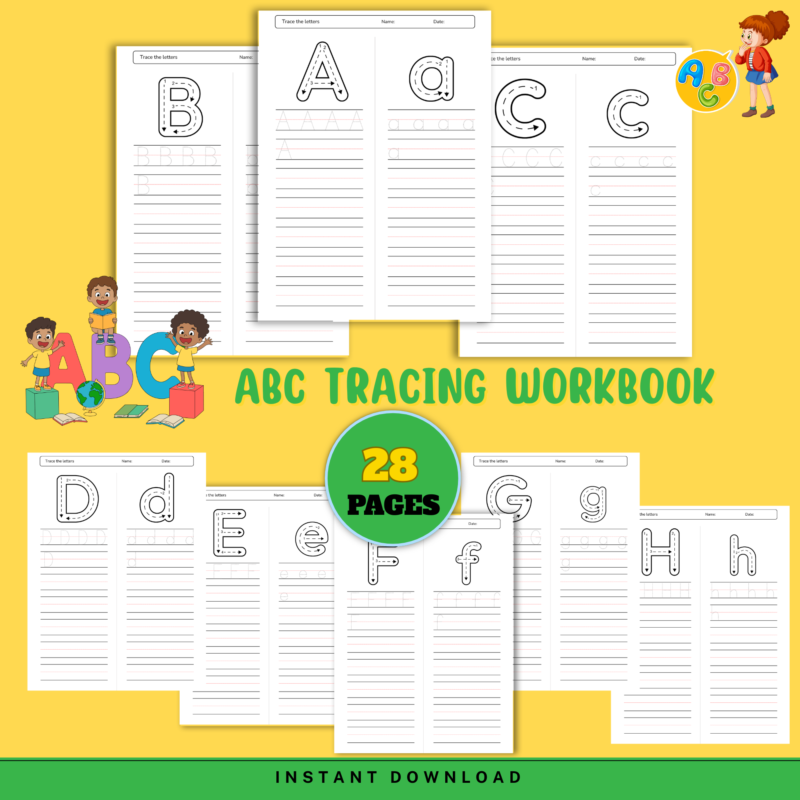
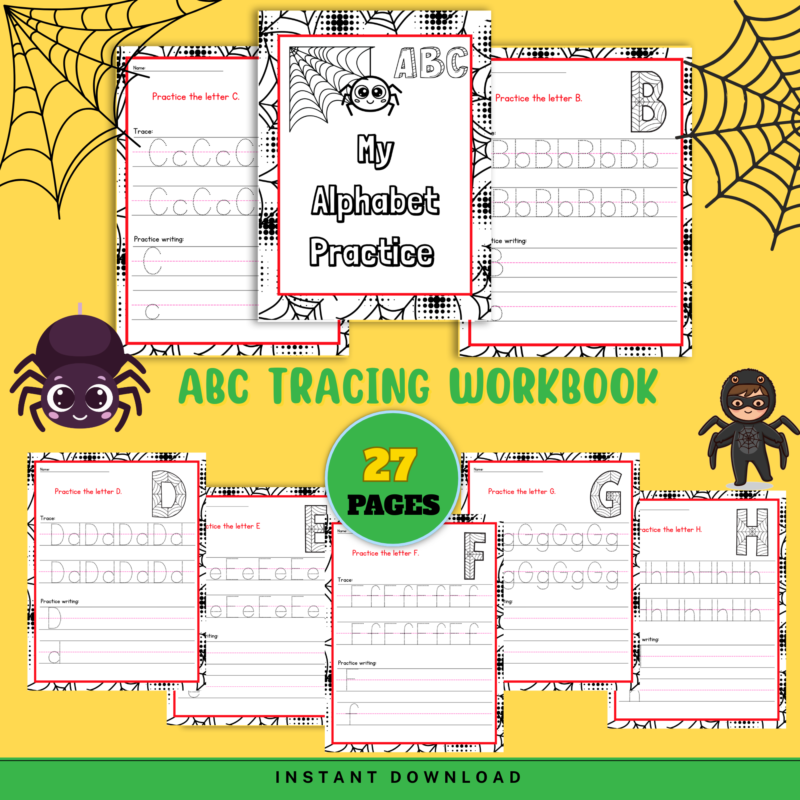
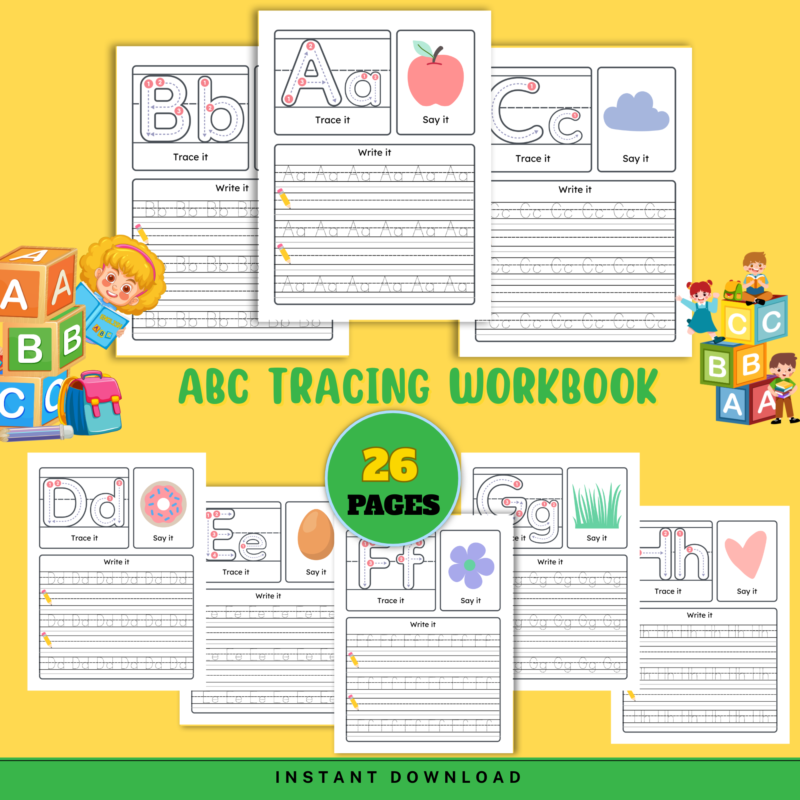
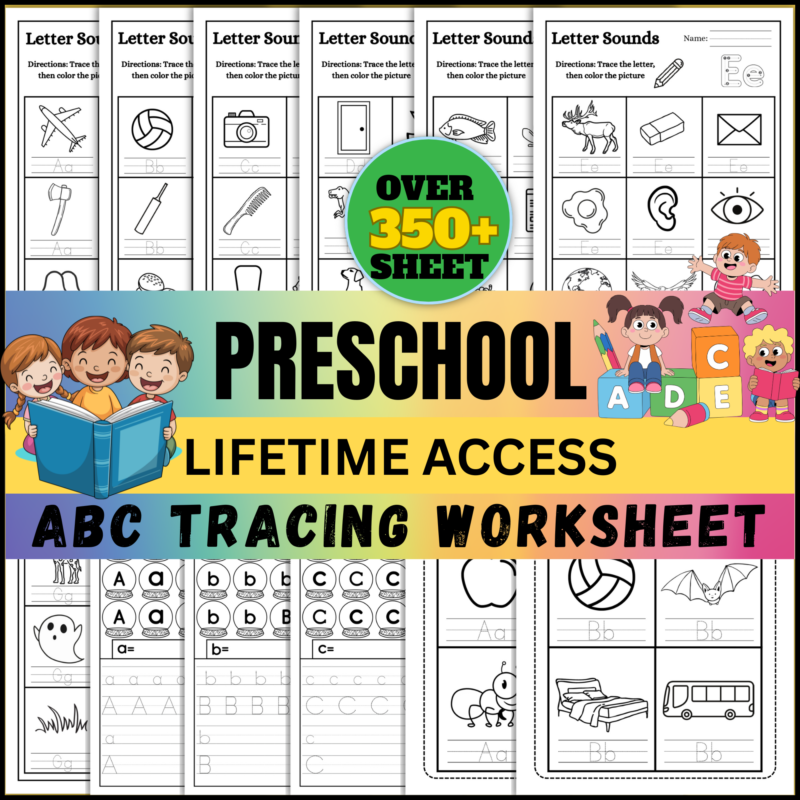
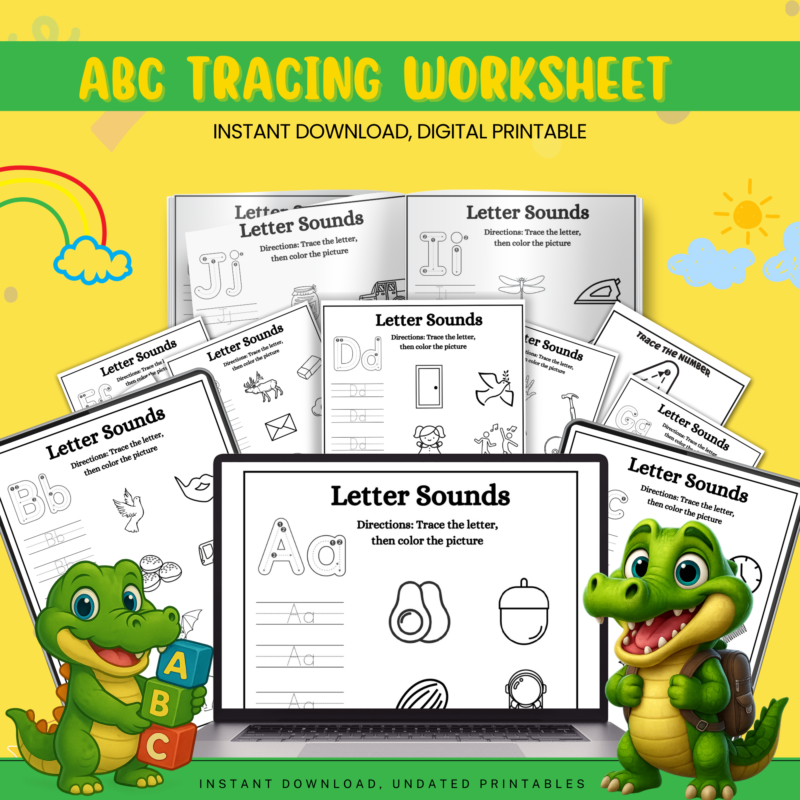
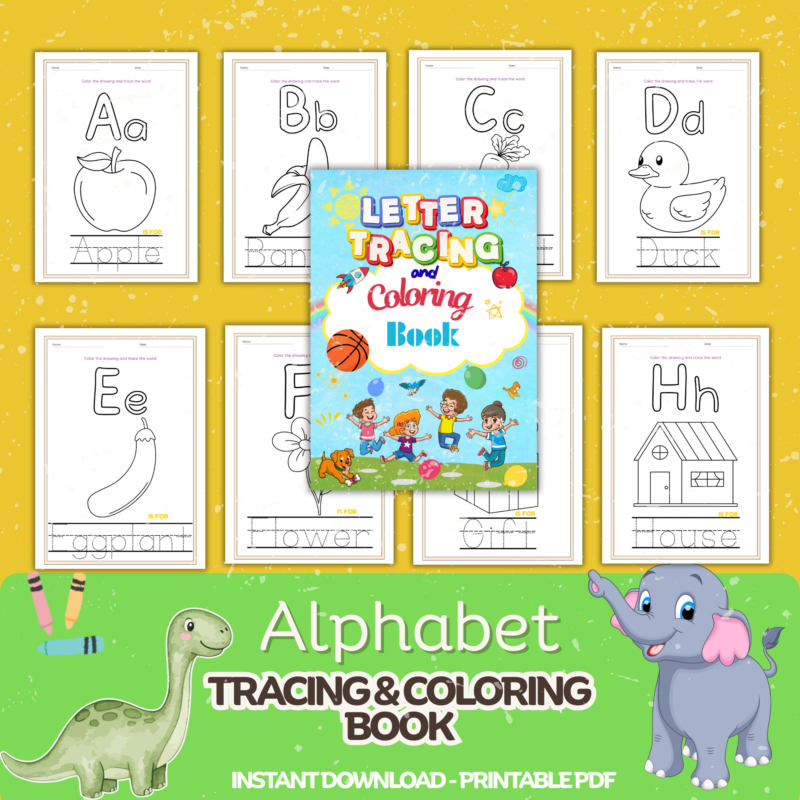
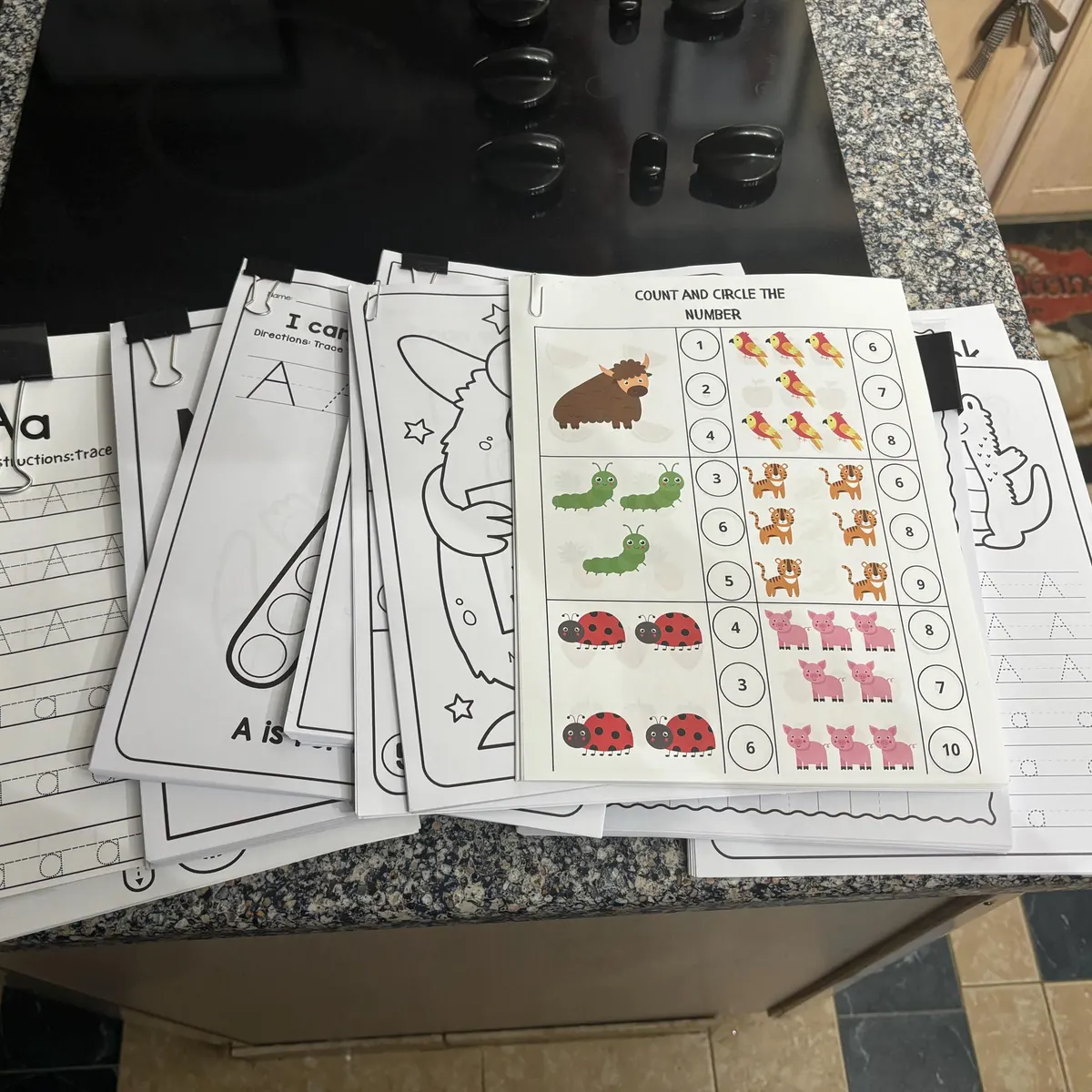
For easy planning, create a small folder for each child or a weekly collection of pages for the class. Instant-download printable PDFs from Fun Clever Fox can make it easier to prepare tracing, phonics, counting, and fine motor practice without creating materials from scratch.
Plan for Different Ability Levels
Preschool classrooms and home learning spaces often include children with very different skill levels. One child may recognize every letter, while another is still learning to hold a crayon comfortably. This is normal, and your lesson plan can support both without becoming complicated.
Start with one shared activity, then offer different levels of support. During a counting lesson, one child may count three objects with help, while another counts 10 objects independently and matches them to numerals. Both children are working on counting, just at the right level for them.
You can also change the task without changing the goal. If tracing letters with a pencil feels difficult, try finger tracing, tracing in sand, building letters with craft sticks, or using a larger marker. If a child finishes a worksheet quickly, invite them to name the pictures, create a pattern, or draw more objects to count.
Avoid pushing children ahead simply because they can complete a page. Preschool learning is about building confidence and understanding, not racing through skills. A child who enjoys repeated practice is strengthening important foundations.
Keep Materials Simple and Flexible
The most useful preschool lesson plans use materials you can prepare without stress. A few picture books, basic art supplies, manipulatives, printable pages, and everyday objects can cover a surprising number of activities.
When planning each week, prepare a small set of materials that can be used more than once. Buttons can become counting objects, sorting tools, game pieces, or art supplies. Alphabet cards can support letter matching, movement games, sound practice, and center activities.
It also helps to have a backup activity ready for days when attention spans are short or plans change. A quick movement break, a familiar song, a simple coloring page, or a read-aloud can reset the room without losing the learning goal. Flexibility is part of good planning, not a sign that the plan failed.
Review and Adjust Each Week
At the end of the week, take a few minutes to notice what worked. Which activity held children’s attention? Which skill needed more modeling? Did the printable practice match the children’s readiness level?
You do not need formal assessments for every lesson. A few notes, completed pages, and your observations during play can tell you a lot. If most children can identify the number 4 but struggle to count four objects accurately, plan another hands-on counting experience next week before moving on.
The goal is not to create perfect preschool lesson plans on paper. It is to create warm, useful learning moments that help children say, “I can do it.” Keep the structure simple, celebrate small progress, and let playful practice lead the way.