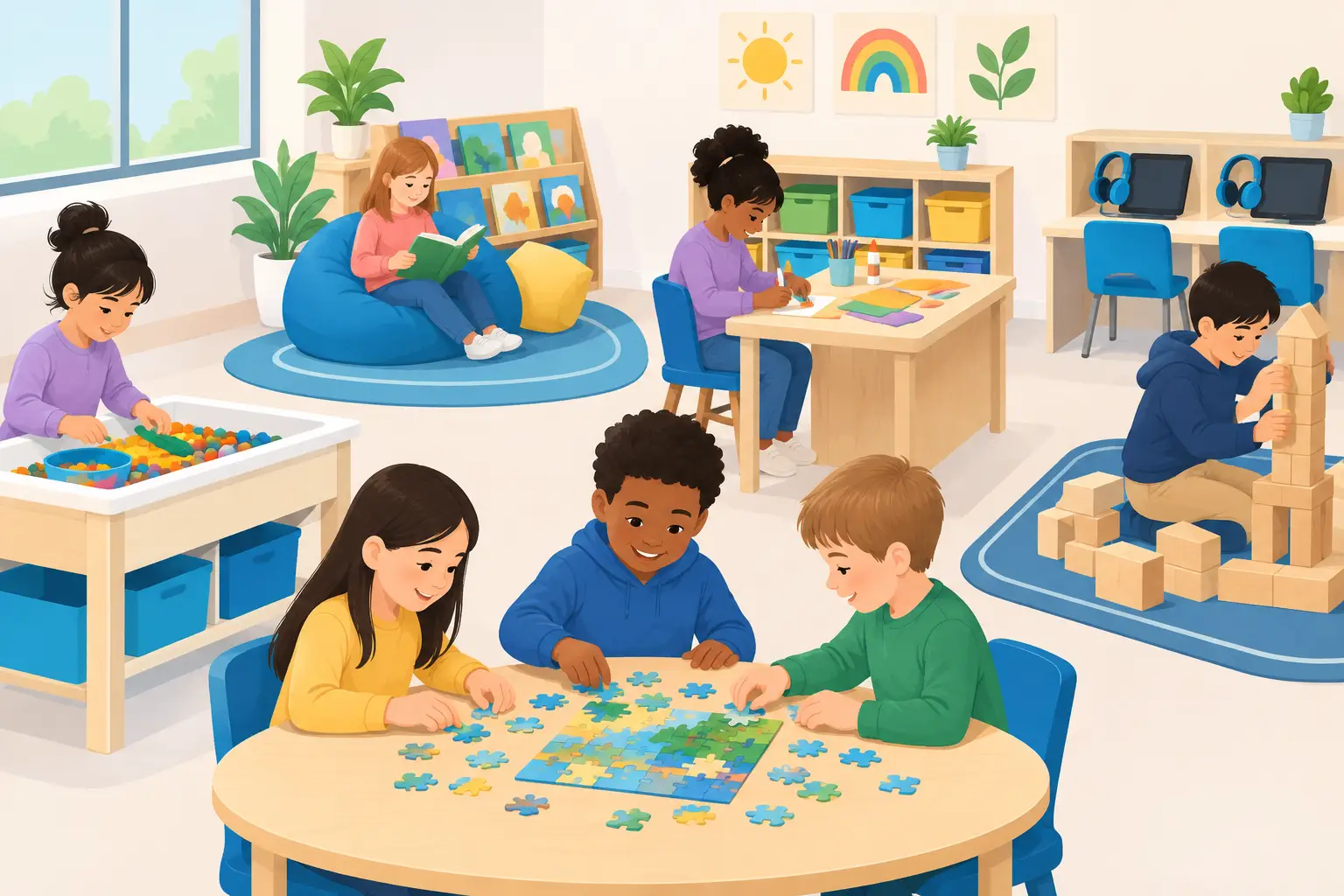
The best classroom center examples give young children a clear job, a manageable amount of choice, and a chance to practice without waiting for an adult. When a center is easy to understand, children can settle into meaningful learning while you work with a small group, observe progress, or support a child who needs extra help.
For preschool and kindergarten, centers do not need elaborate decorations or expensive supplies. A few well-chosen hands-on materials, simple directions, and repeatable printable activities can create a cheerful routine that builds confidence in literacy, math, fine motor skills, and social learning.
Why Learning Centers Work for Young Children
Young learners learn by doing. Centers turn foundational skills such as letter recognition, counting, pencil control, and rhyming into active practice. They also help children develop independence. Instead of asking, “What do I do now?” a child can choose a prepared activity, follow familiar steps, and complete a task at a level that feels achievable.
The secret is not filling every corner of the room with activities. It is choosing a small number of centers with a clear purpose. A successful center should answer three questions for children: What am I practicing? What do I use? What do I do when I am finished?
Keep directions visual whenever possible. A photo of the completed activity, a one-page direction card, or color-coded bins can make a big difference for early learners who are not reading independently yet.
12 Classroom Center Examples for Preschool and Kindergarten
1. Alphabet Tracing Center
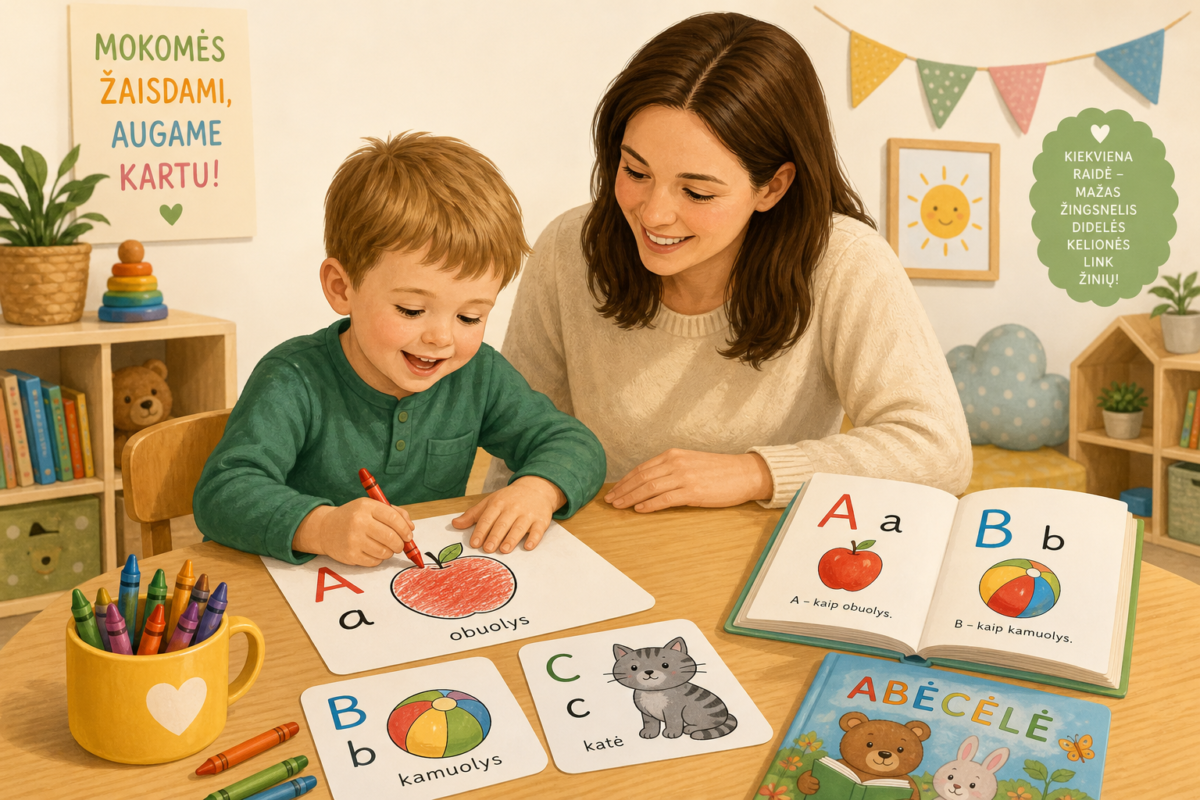
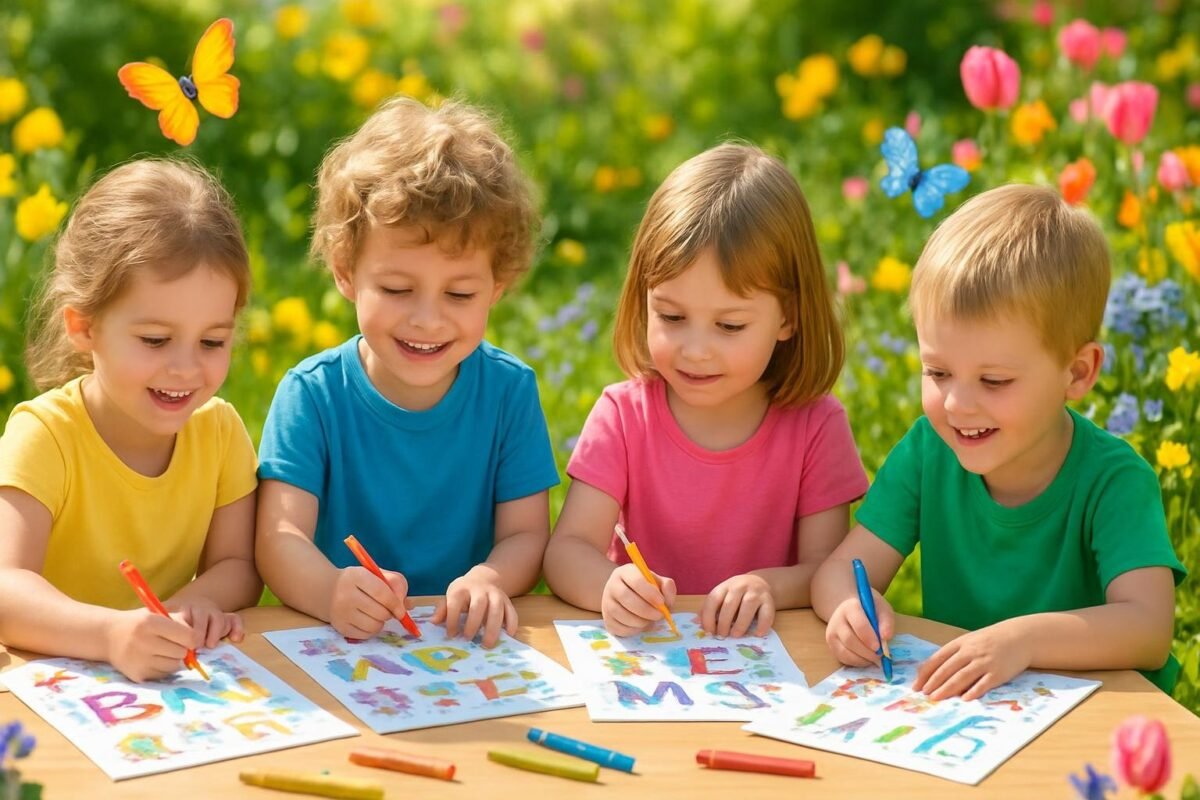
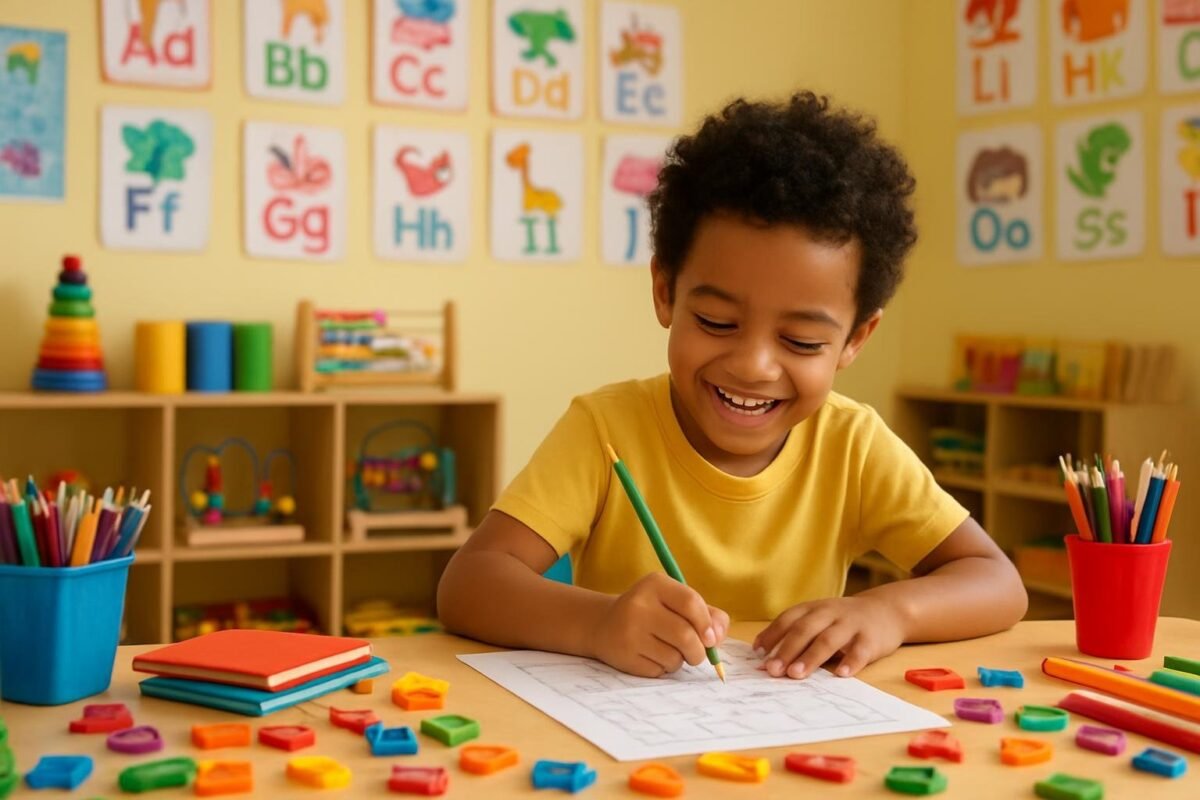
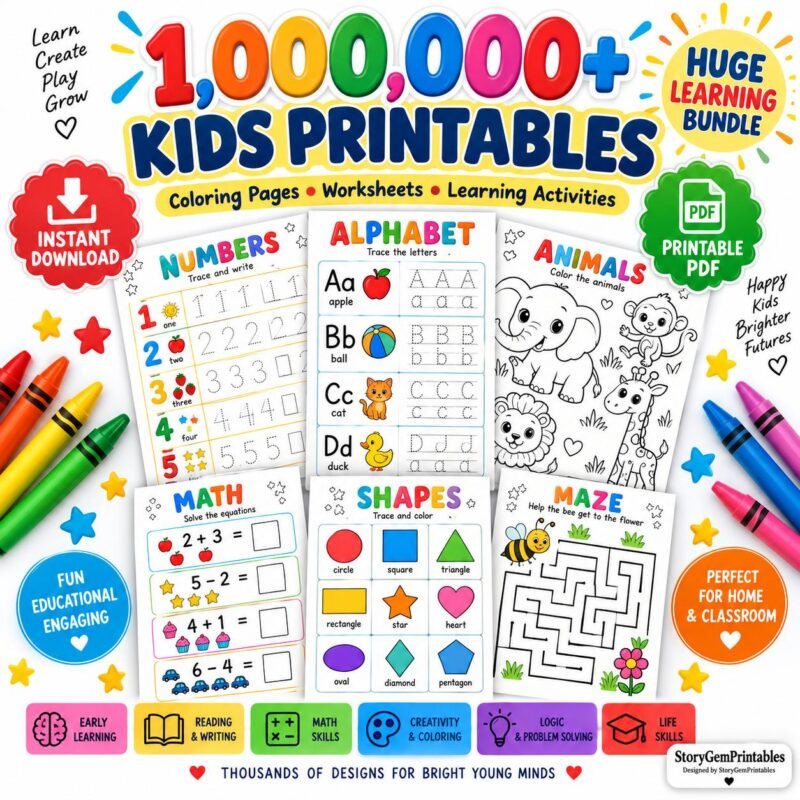
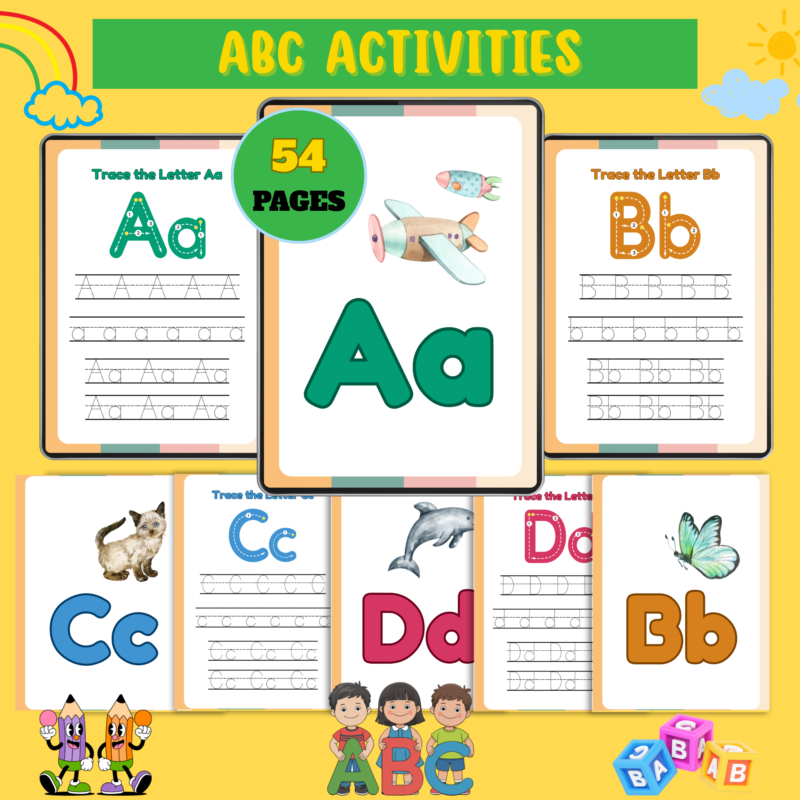
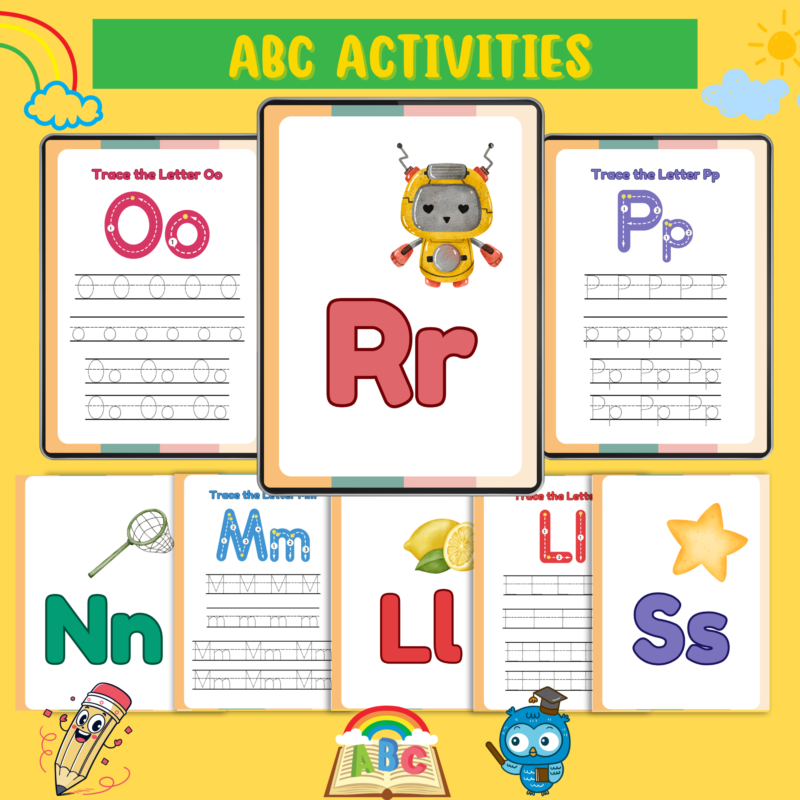
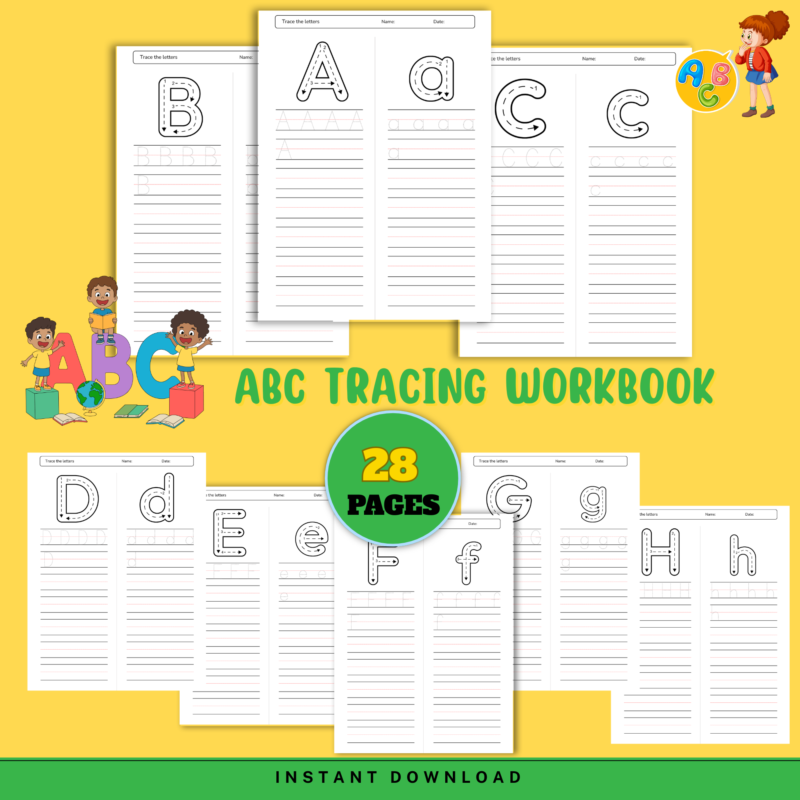
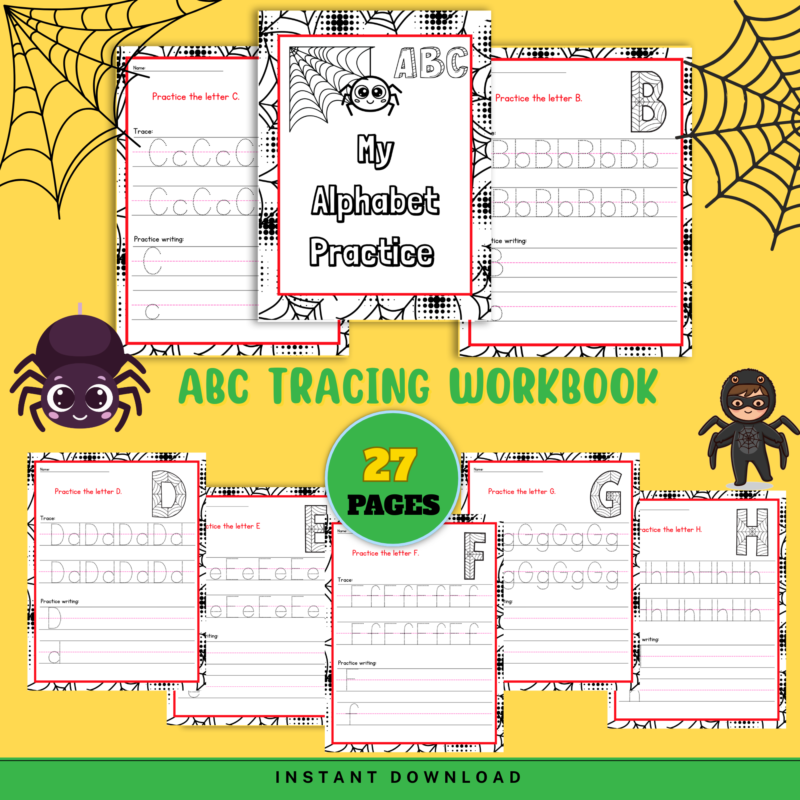
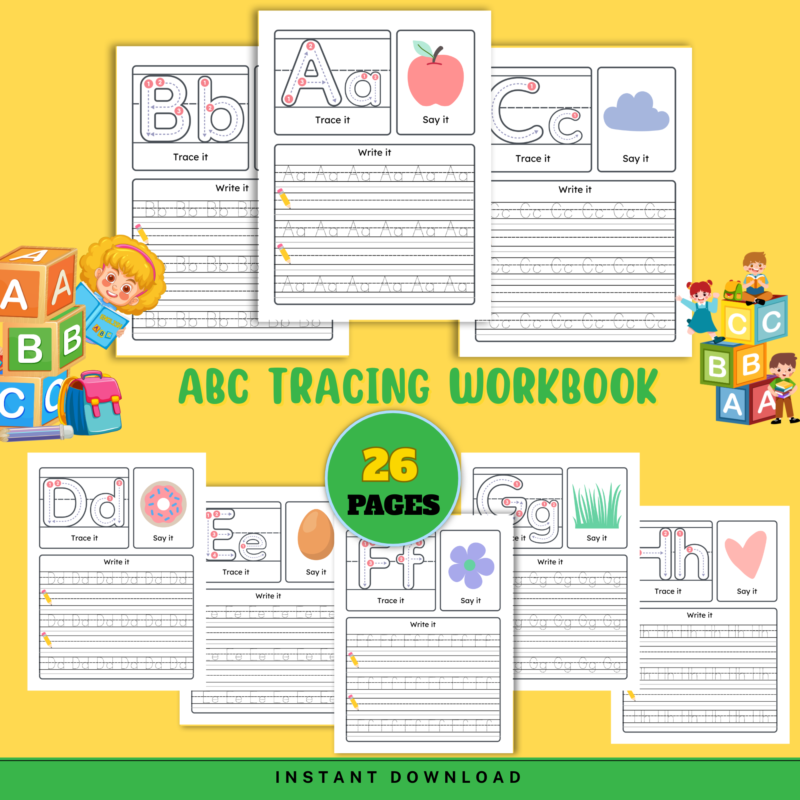
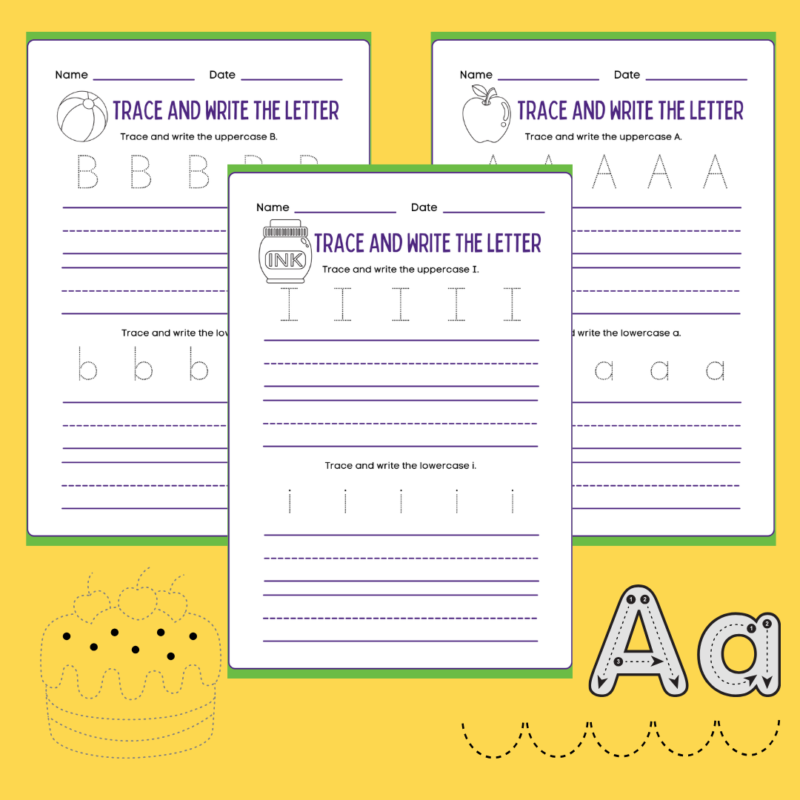
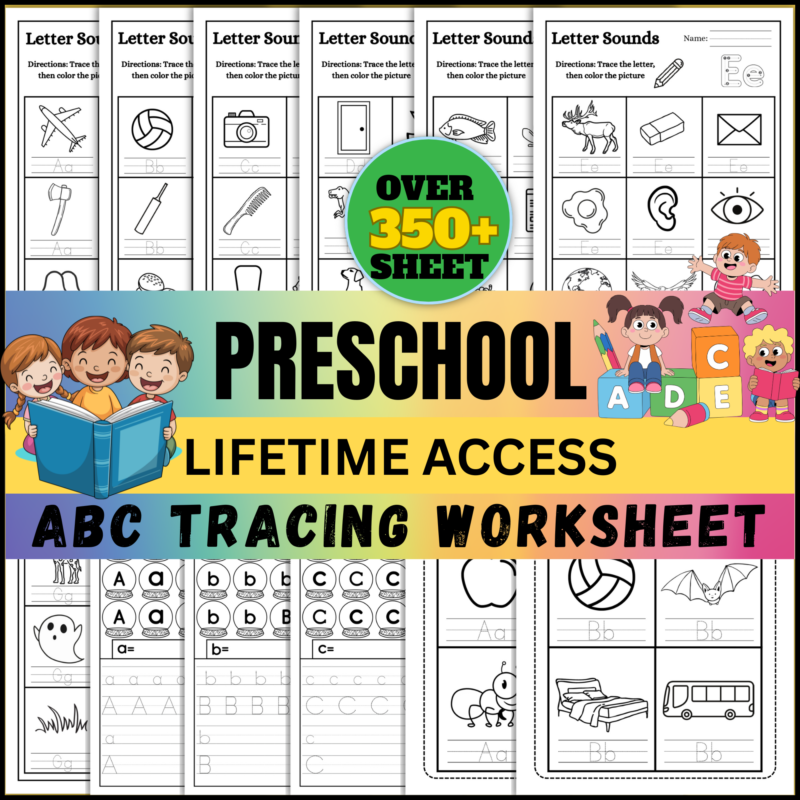
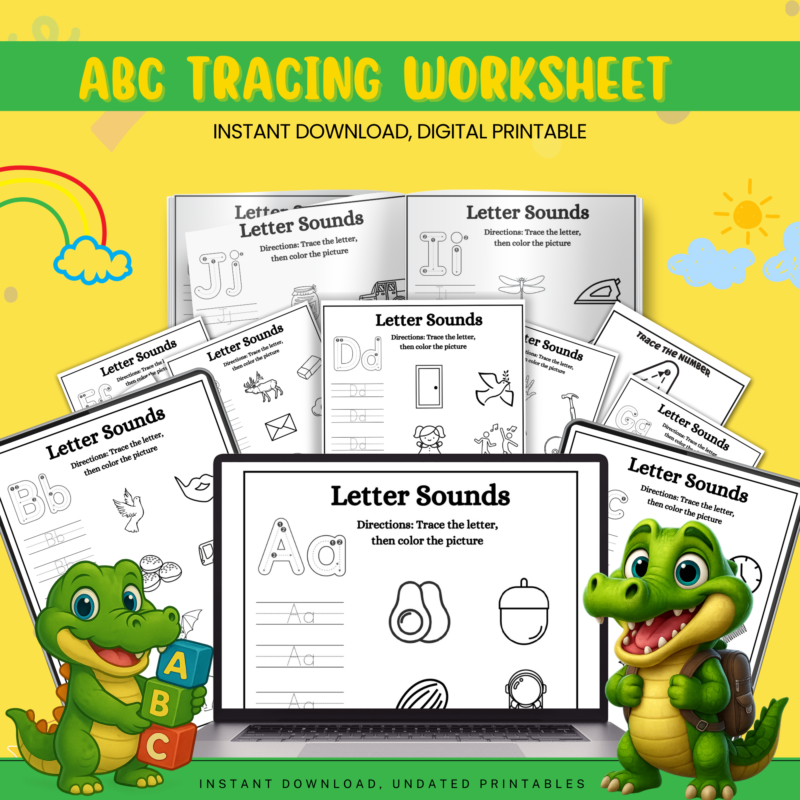
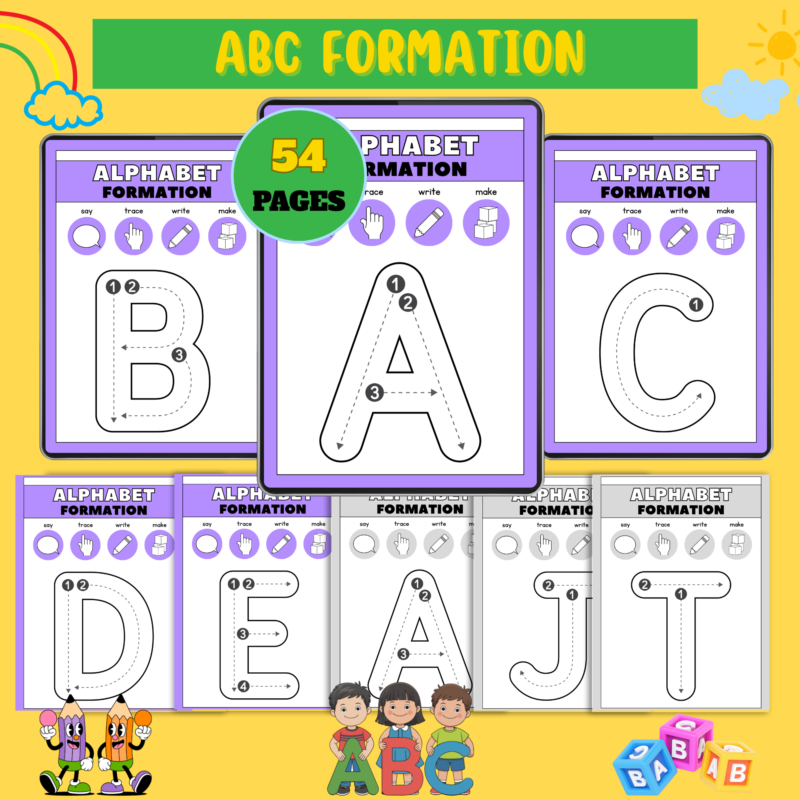
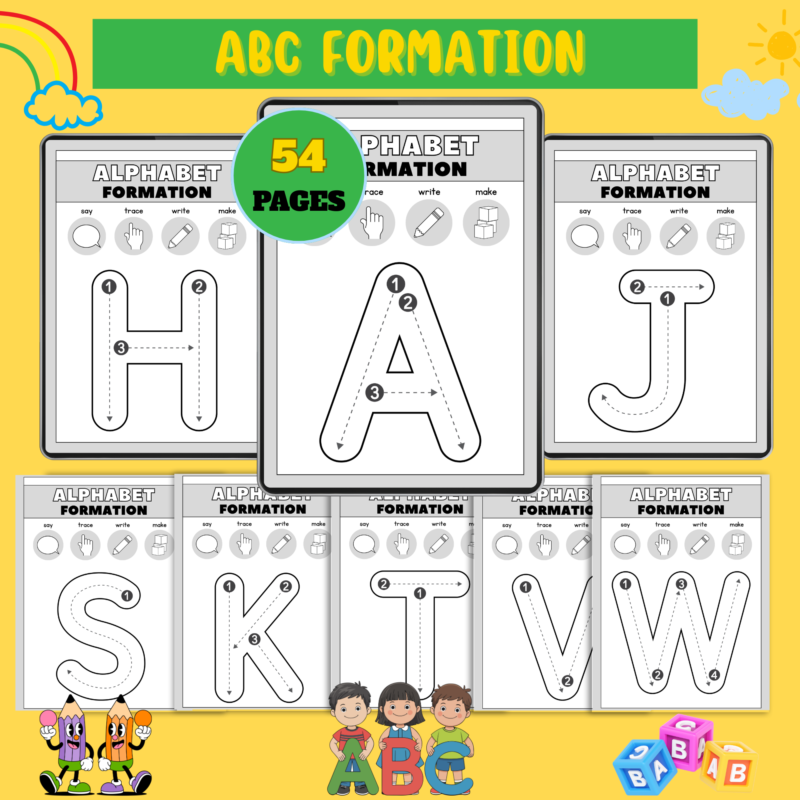
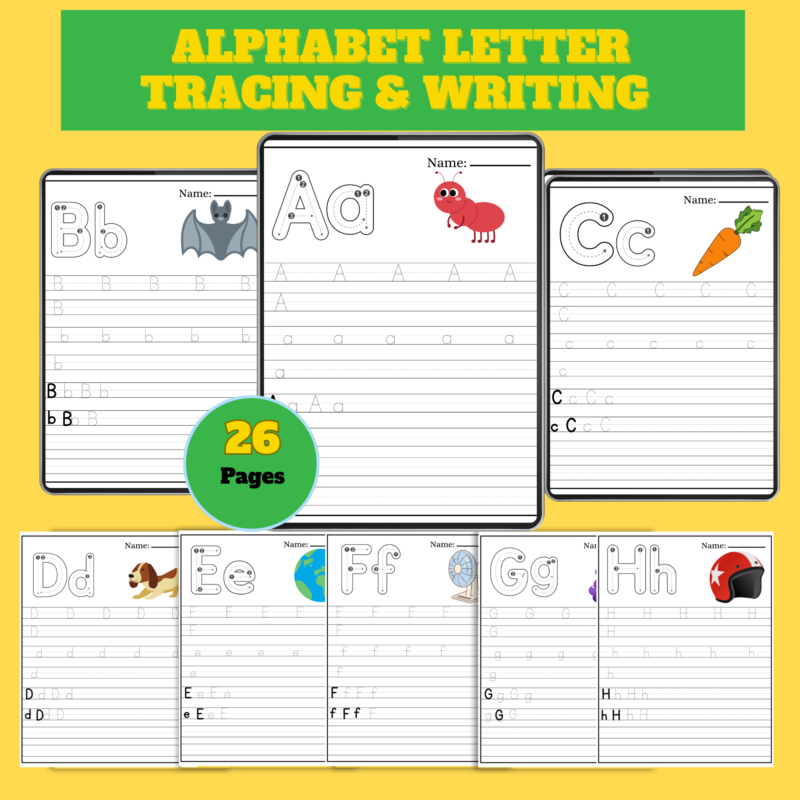
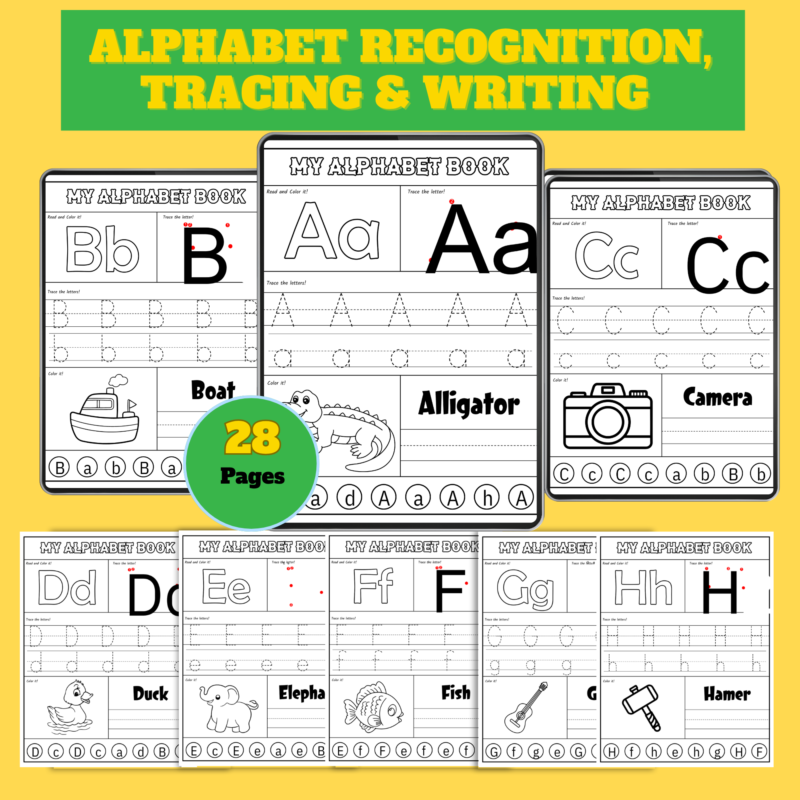
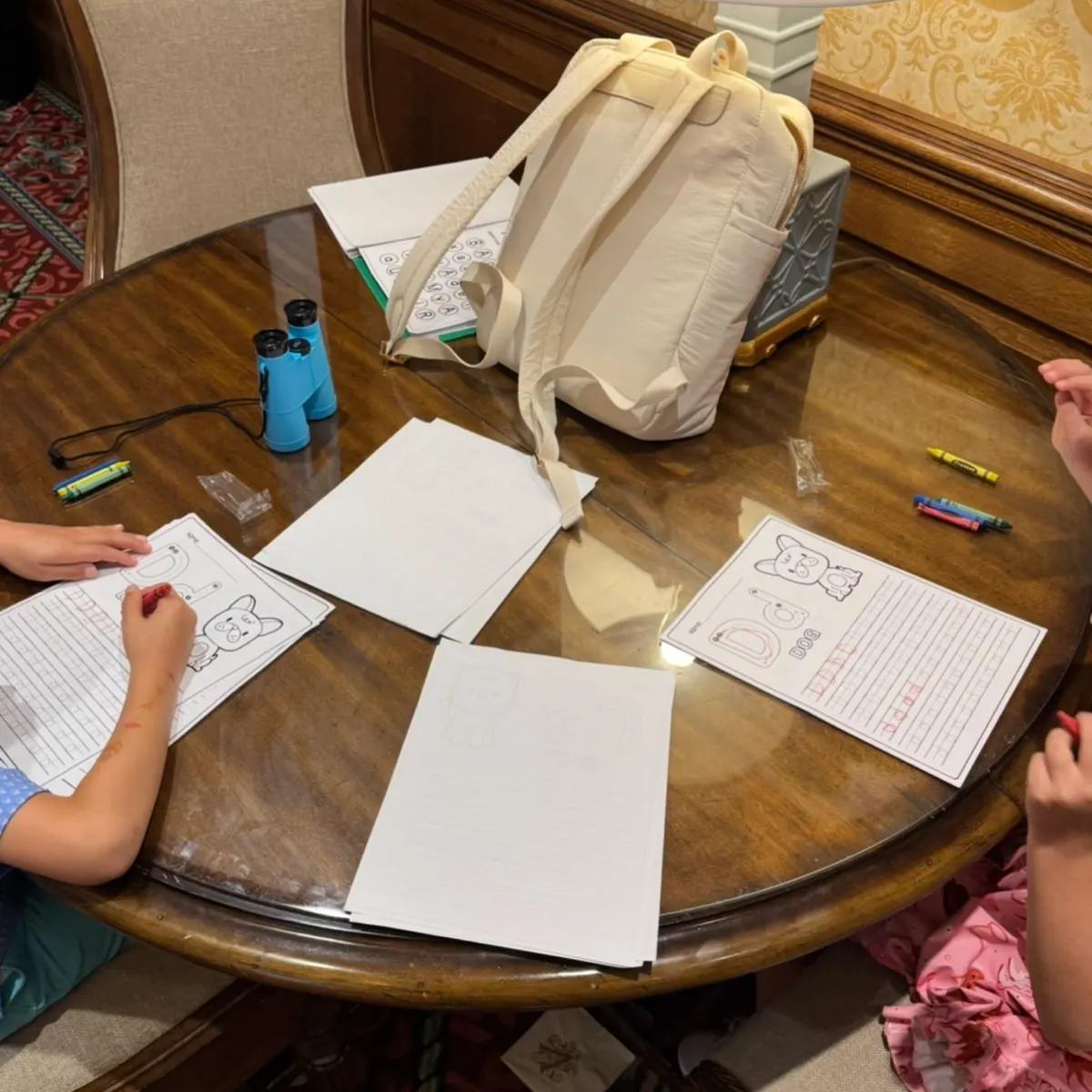
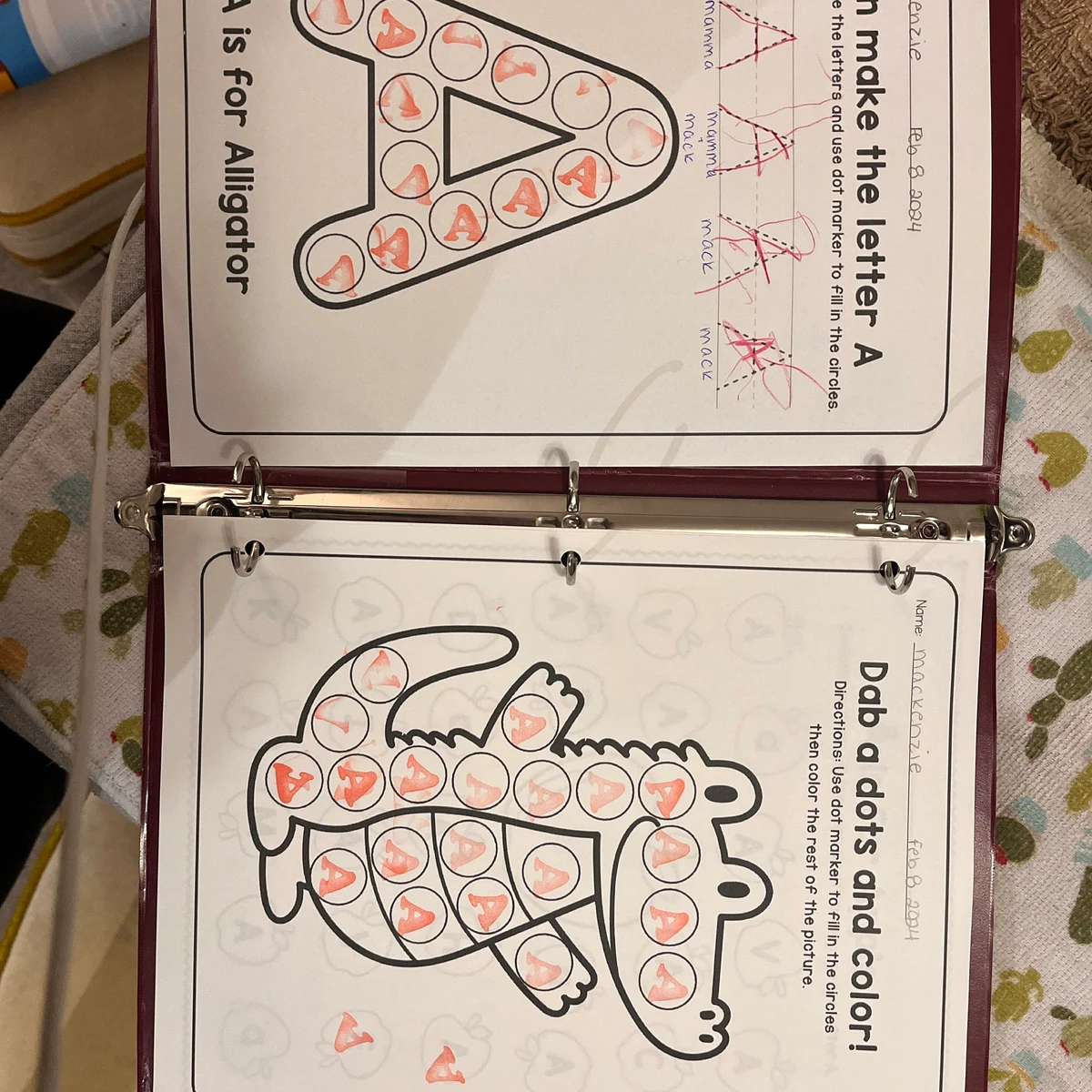
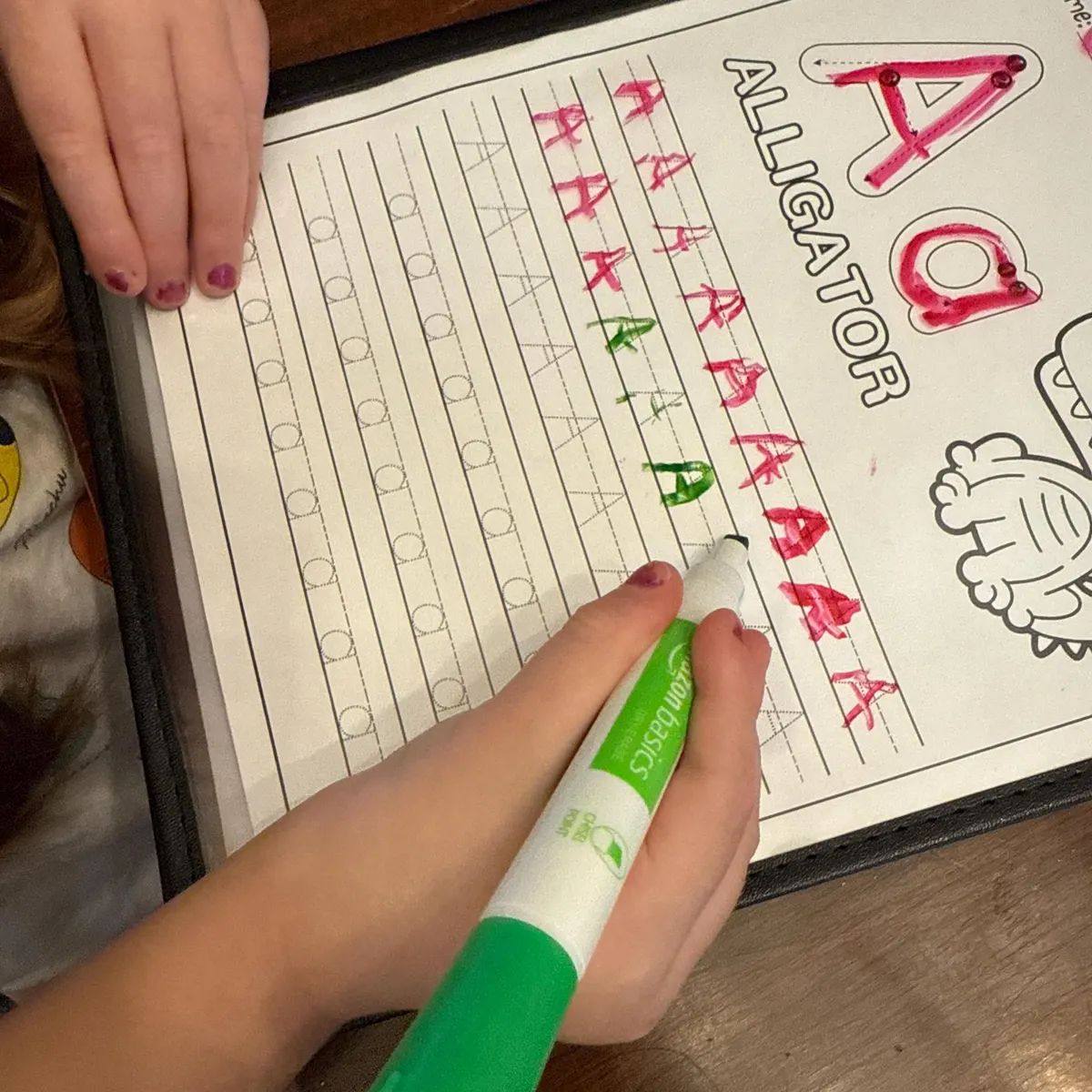
Set out alphabet tracing pages, pencils, crayons, or dry-erase markers with reusable sleeves. Children can trace uppercase and lowercase letters, then circle pictures that begin with the featured sound. This center supports letter formation, visual discrimination, and early phonics all at once.
For preschoolers, focus on a few letters at a time and allow larger writing tools. Kindergarten students can add a challenge by writing the letter independently beside the tracing line. Rotating letters weekly keeps the center fresh without changing the routine.
2. Name Writing Center
A name center is one of the most personal and motivating choices for young children. Provide name cards, tracing strips, letter tiles, and blank paper. Children can build their names first, then trace or write them.
Start with first names only. As children become confident, invite them to write classmates’ names, sort names by first letter, or count the letters in each name. This simple center strengthens handwriting skills while helping children notice that print carries meaning.
3. Beginning Sound Sort
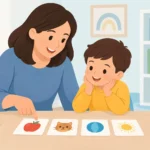
Place picture cards and letter mats in a basket. Children say the picture name, listen for the first sound, and place the card on the matching letter. For example, a picture of a sun goes on the S mat.
Use only two or three target letters for children who are just beginning. More advanced learners can sort pictures by beginning, middle, or ending sounds. The right level matters here: too many choices can turn an enjoyable phonics center into a guessing game.
4. Book and Story Retelling Center
A cozy reading spot needs more than a collection of books. Add simple story props, character sticks, or picture sequencing cards for a few familiar read-alouds. After reading, children can retell what happened first, next, and last.
This center builds vocabulary, comprehension, and oral language without requiring a worksheet every time. It is especially helpful for children who communicate more confidently through play than through formal questions. Refresh the featured story every week or two, but keep the process familiar.
5. Rhyming Match Center
Rhyming is a playful way to help children hear the smaller sounds in words. Create sets of picture cards that rhyme, such as cat and hat or bee and tree. Children find the matching pairs and say each pair aloud.
For an extra challenge, ask children to draw another word that rhymes with the pair. If a child is not ready for independent matching, use a self-checking format with matching colors or symbols on the back of each pair.
6. Counting and Number Match Center
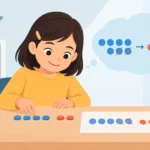
This center can include number cards, counting mats, small counters, and picture cards showing groups of objects. A child picks a number, counts out that many counters, and matches it to the correct quantity card.
Use buttons, linking cubes, mini erasers, or pom-poms, depending on what is safe and practical for your group. Preschool learners may work with numbers 1 through 10, while kindergarteners can practice teen numbers or match numerals to simple addition facts.
7. Roll and Cover Math Center
Roll-and-cover games are quick to explain and easy to repeat. Children roll one or two dice, count the dots, and cover the matching number or quantity on a game board. The first child to cover a row, or the whole board, completes the game.
This is a strong choice for partner work because it naturally includes turn-taking. You can use the same game format for numeral recognition, addition, shapes, or letter identification. A printable game board and a small set of counters are often all you need.
8. Addition and Subtraction Story Mat
Young children understand math more clearly when they can act it out. At this center, provide a simple scene mat, such as a garden, pond, or playground, along with small manipulatives. Read a picture-based math card: “Three frogs are on the log. Two more frogs hop over. How many frogs are there now?”
Children move the objects as they solve. Keep equations within a child-friendly range and use pictures before expecting written number sentences. This center turns early operations into something children can see and touch.
9. Fine Motor Transfer Center
Fine motor work supports the hand strength and coordination children need for writing, cutting, and everyday tasks. Offer tongs, tweezers, clothespins, cups, pom-poms, beads, or small objects for sorting and transferring.
Give the activity a learning purpose by adding color, number, or letter labels. For instance, children can use tongs to place five red pom-poms in the cup labeled 5. Keep small items away from children who may put materials in their mouths, and always choose supplies appropriate for your age group.
10. Cutting and Gluing Center
This center is wonderfully practical, especially when children need repeated scissor practice. Set out child-safe scissors, glue sticks, scrap paper, and simple cut-and-paste pages. Children can cut along straight lines, curves, zigzags, or shapes before gluing pieces into place.
A printable sequencing page or letter-picture match gives children a finished product to feel proud of. Begin with thicker lines and short snips. More detailed cutting tasks can come later, once children can hold and control scissors safely.
11. Play Dough Letter and Number Center
Play dough invites children to form letters, numbers, shapes, and simple sight words with their hands. Add alphabet cards, number cards, cookie cutters, craft sticks, and mini rolling pins. Children can roll dough into “snakes” and shape them over a letter card.
The sensory element can help children stay engaged longer than they might with pencil-and-paper practice alone. Still, this center works best with a specific goal. Rather than simply offering dough, display two or three cards children are invited to make.
12. Independent Printable Practice Center
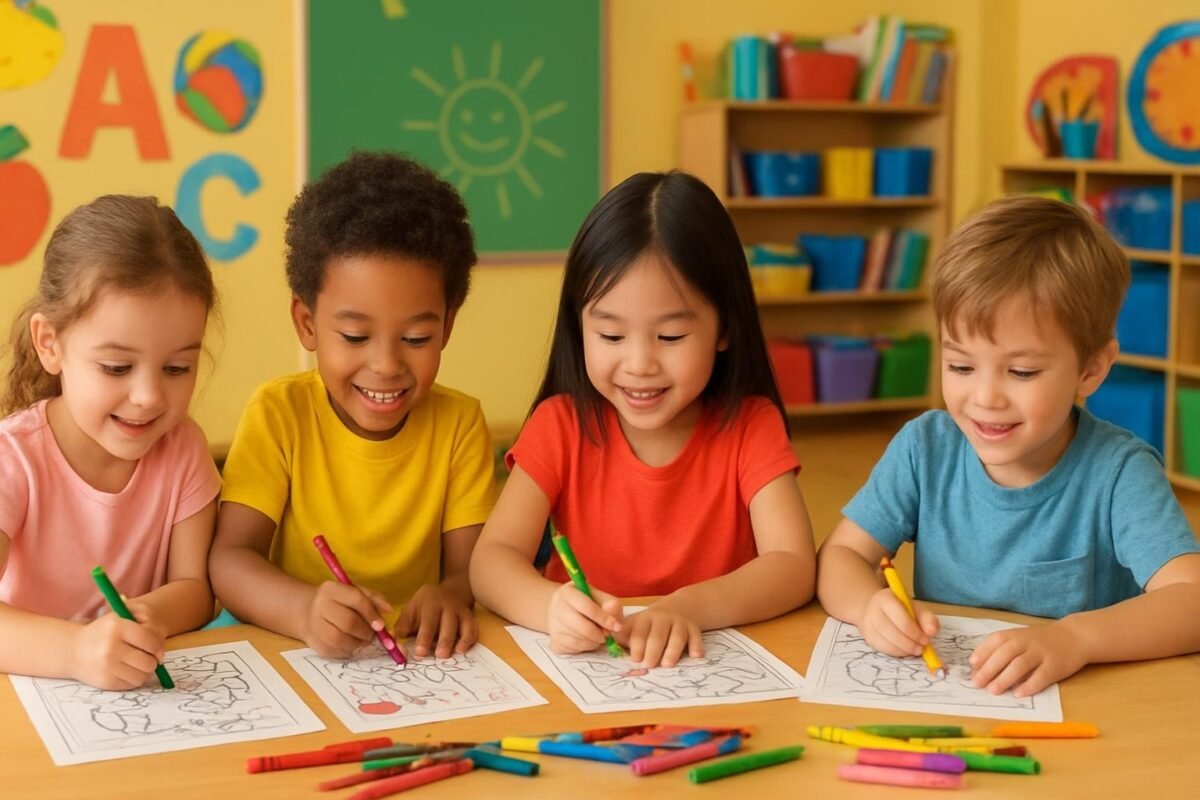
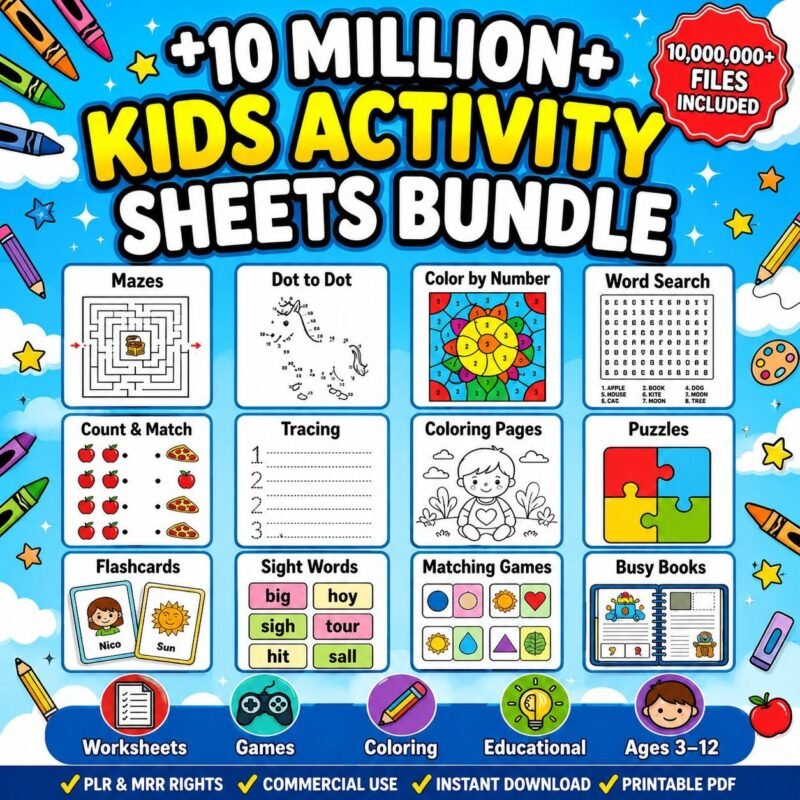
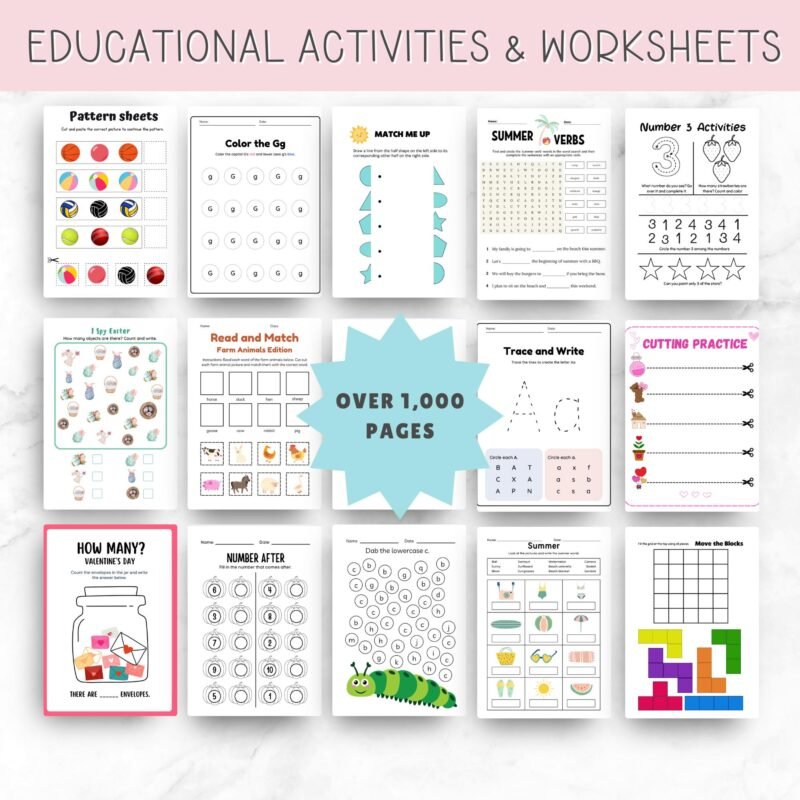
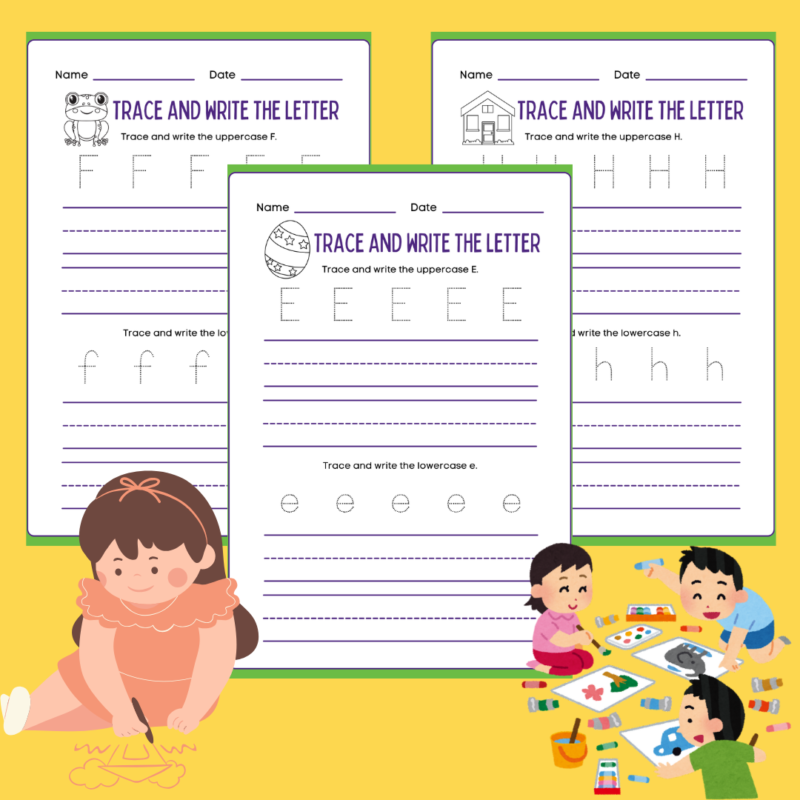
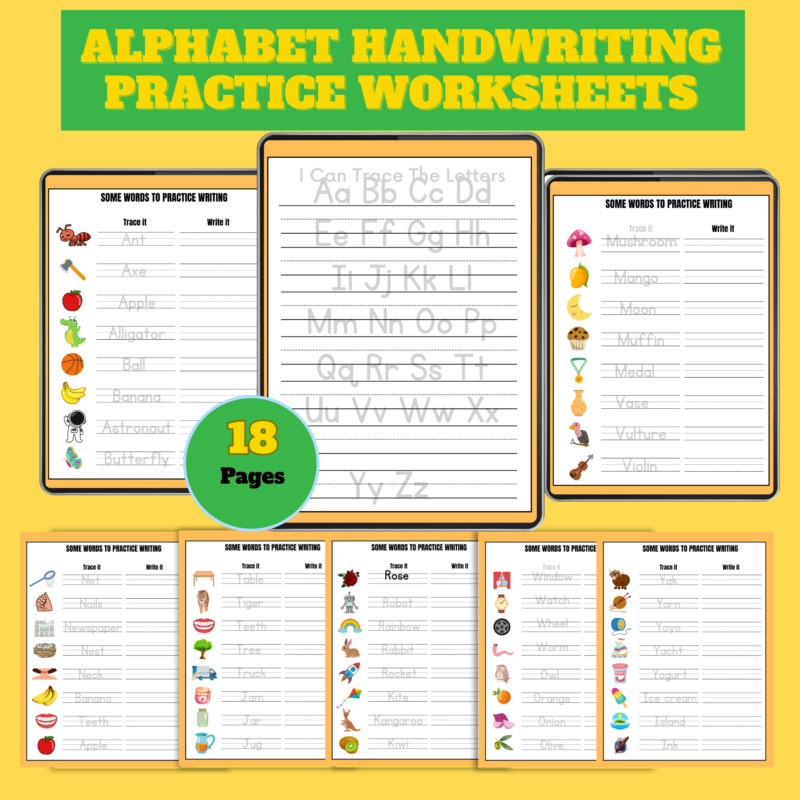
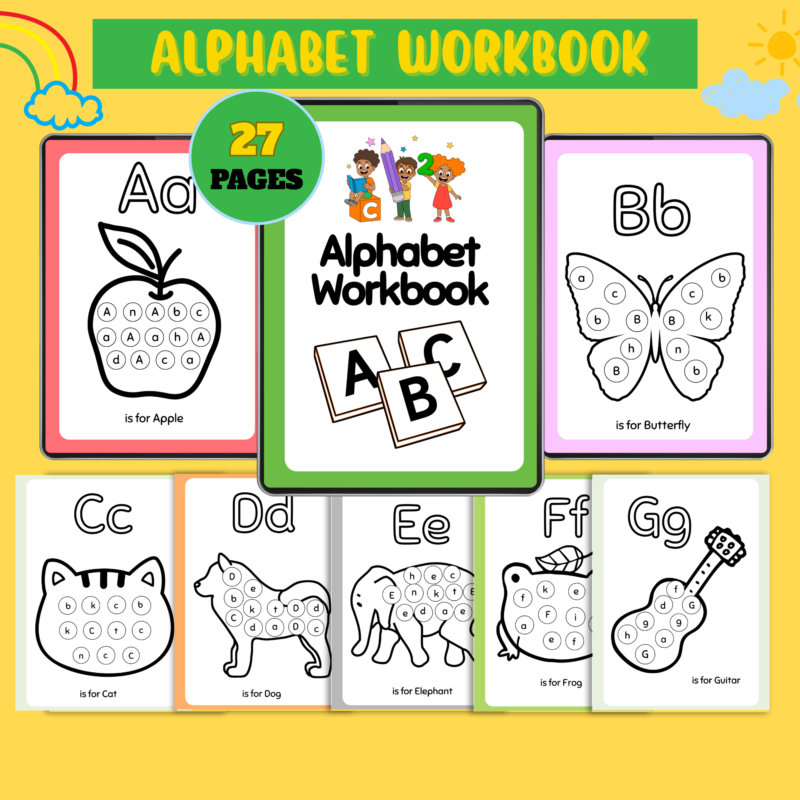
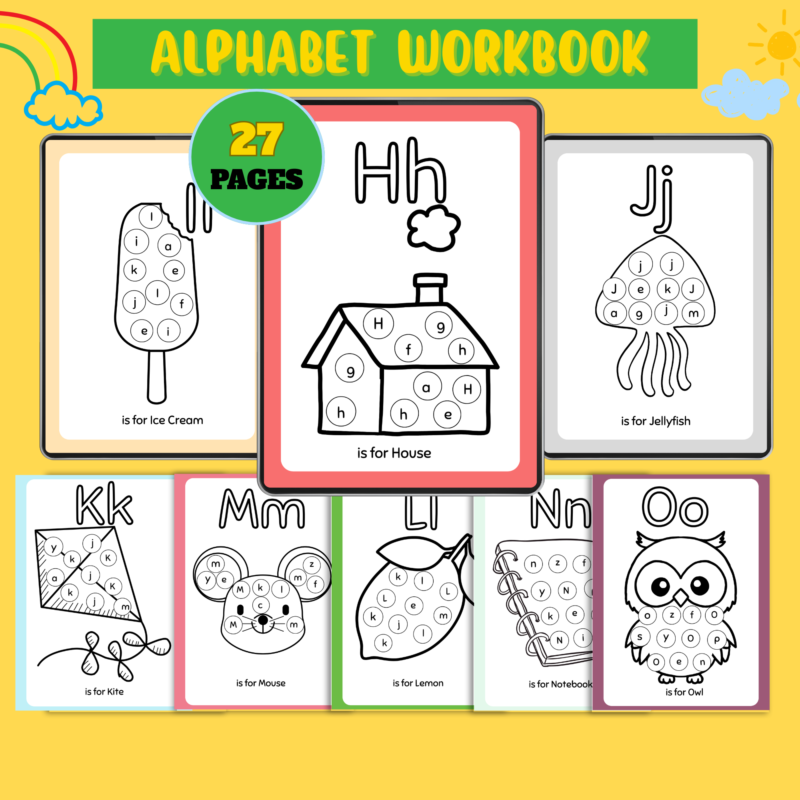
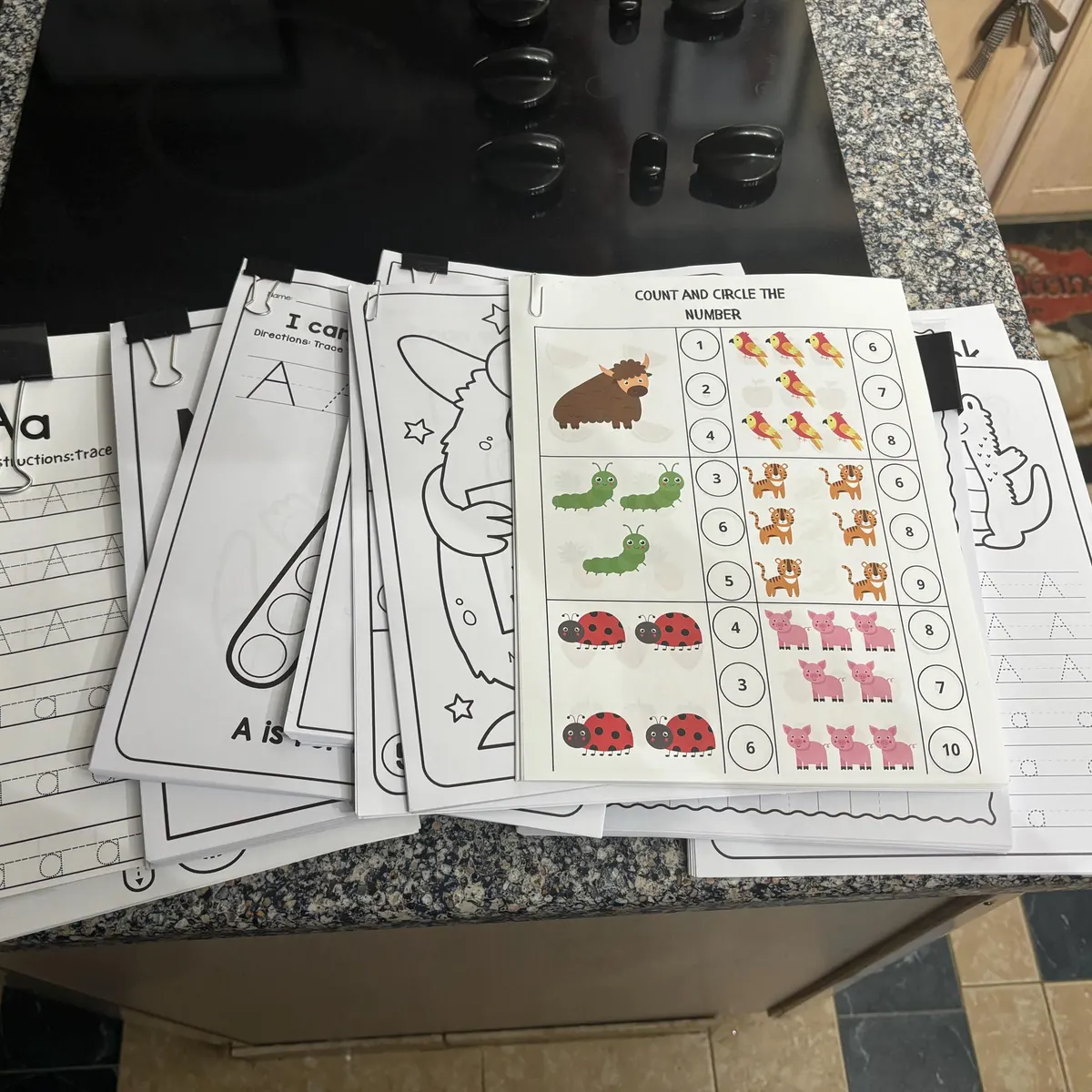
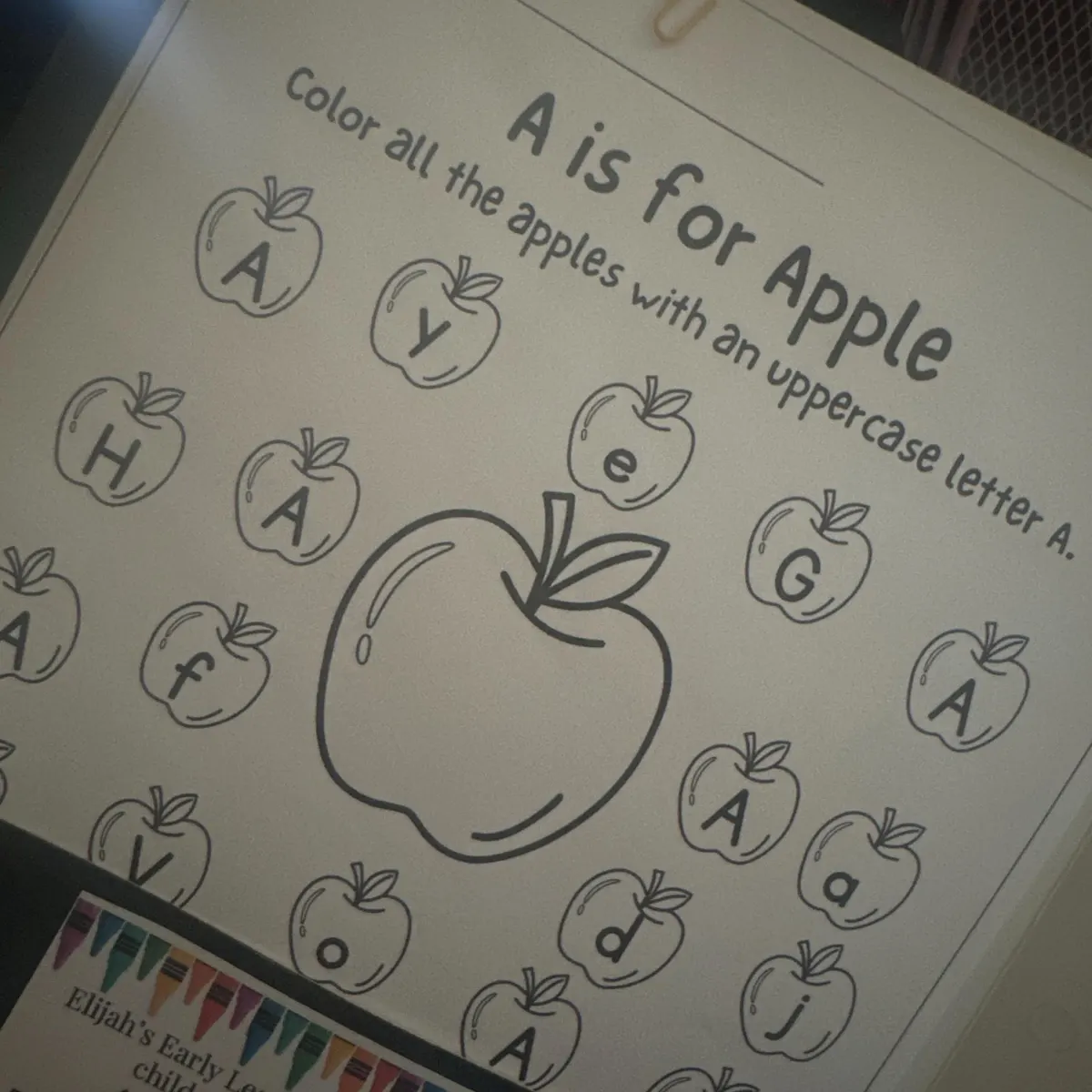
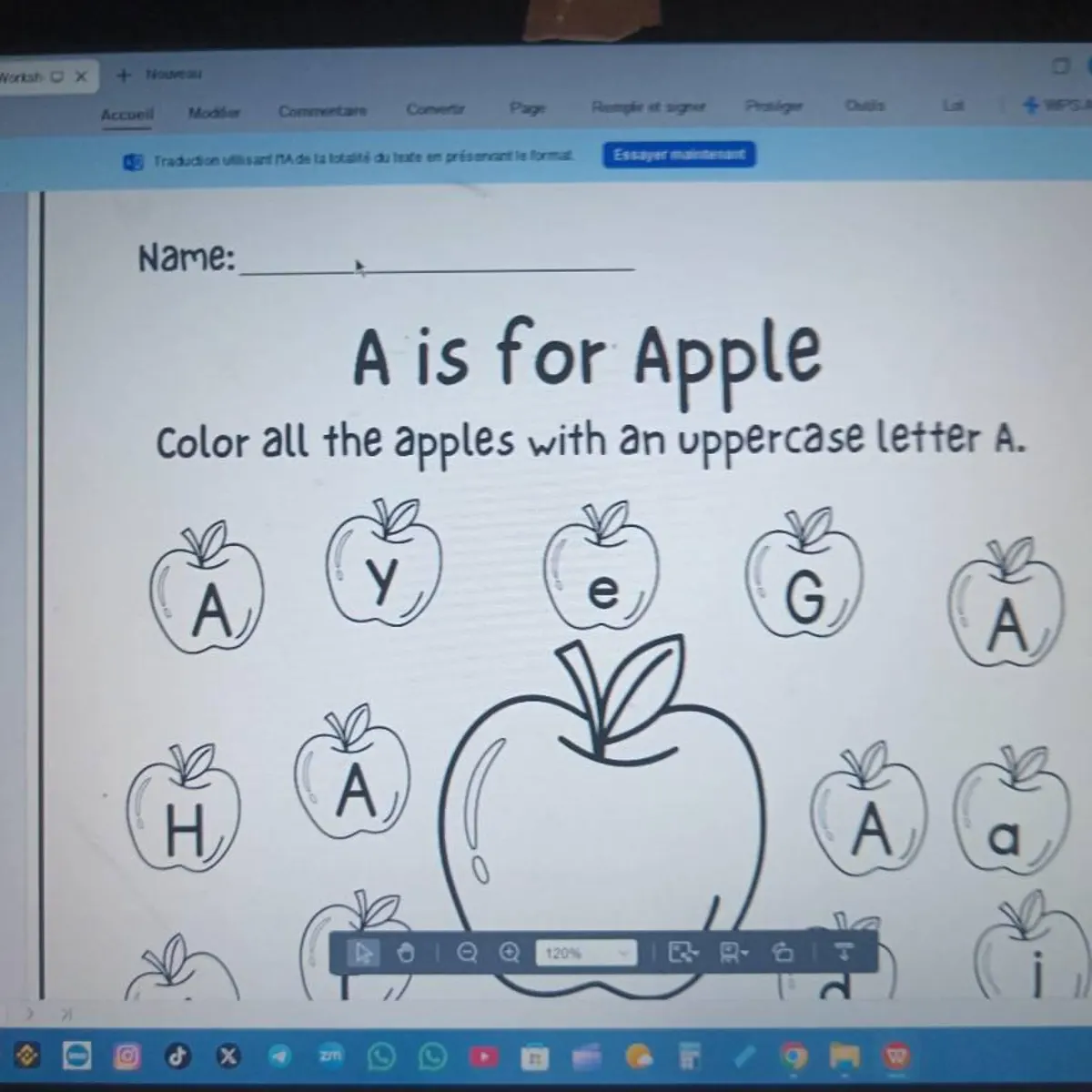
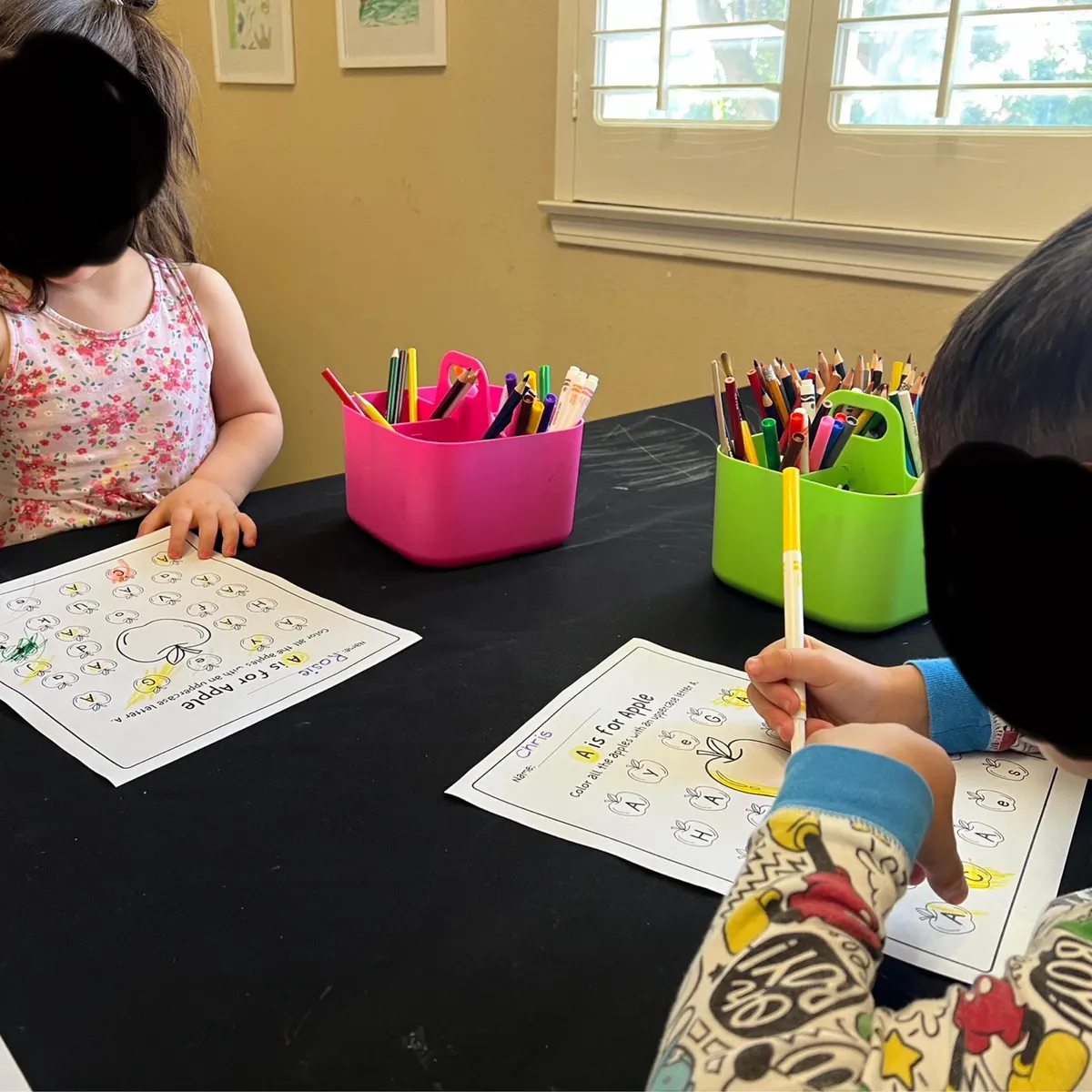
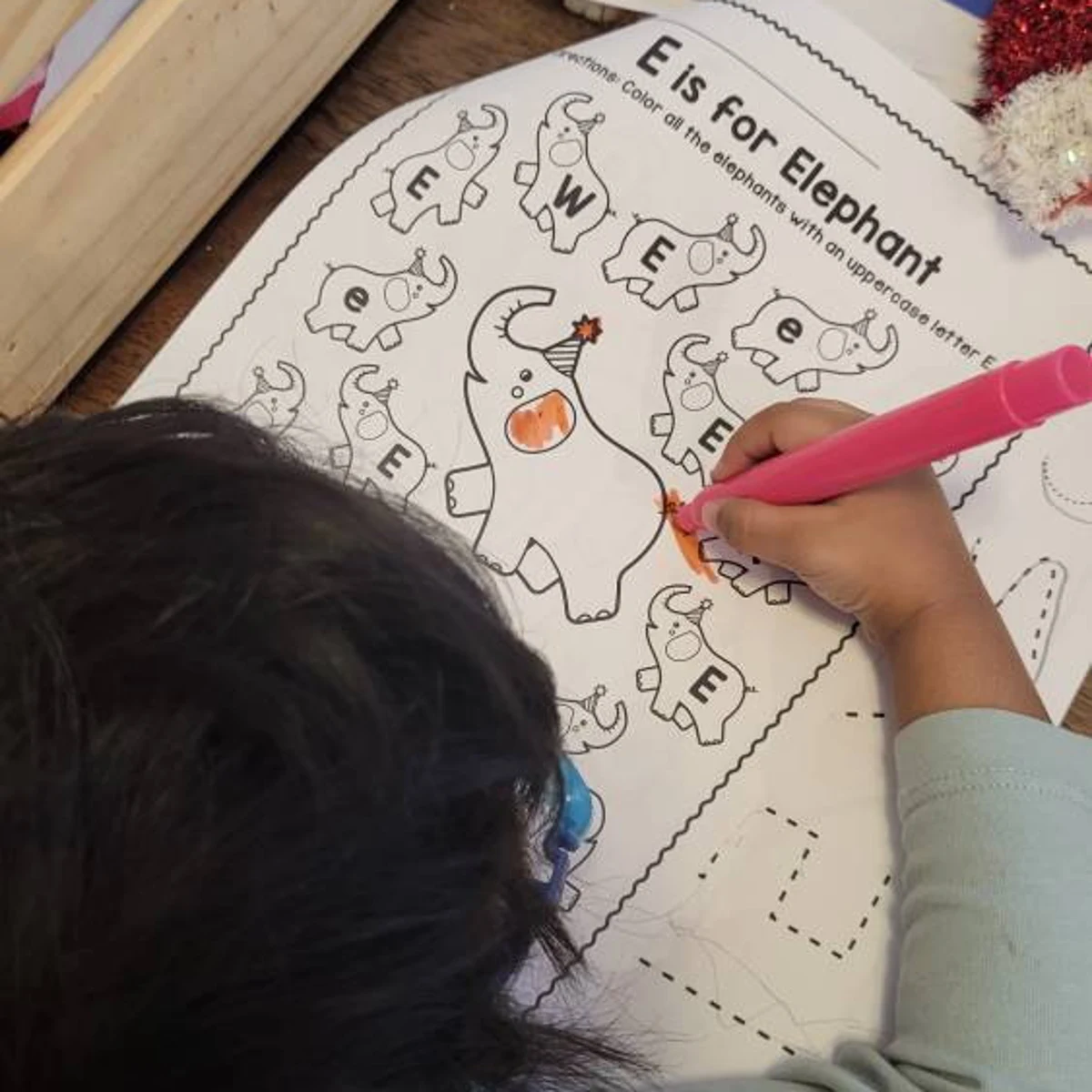
A calm worksheet center gives children a chance to apply a skill on their own. Choose one focused task, such as color-by-letter, beginning sound practice, number recognition, tracing, or a simple phonics page. Store pages in labeled trays with the materials children need to complete them.
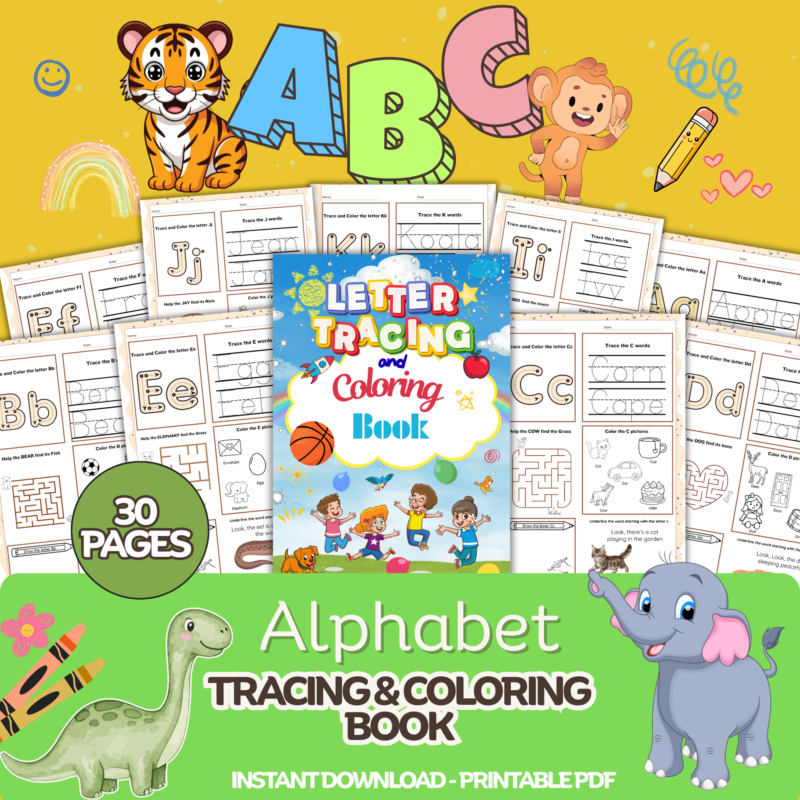
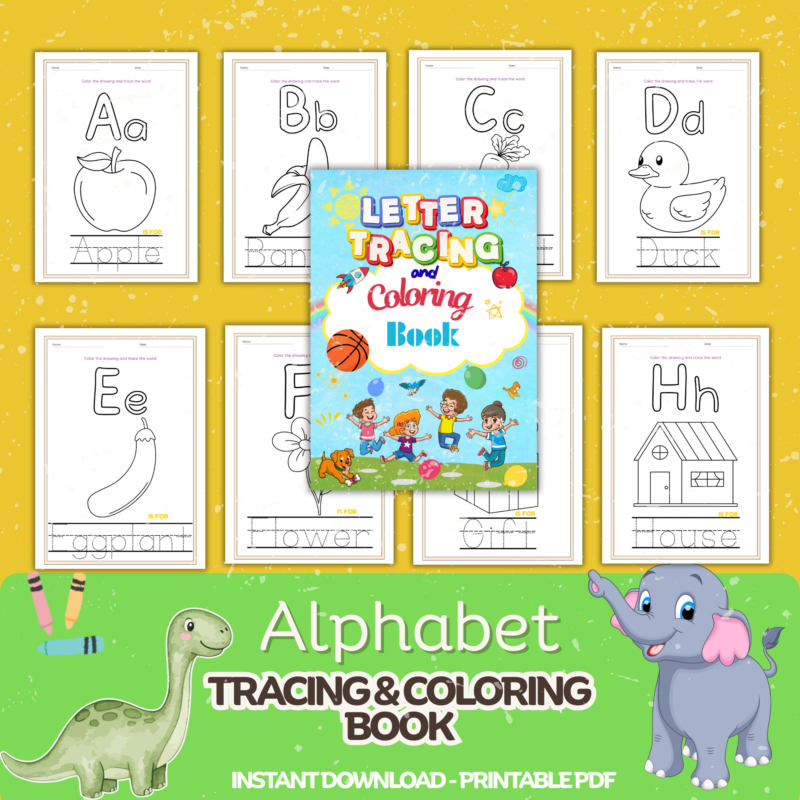
The key is keeping the task short and familiar. A long packet can feel overwhelming, while one clear page offers a satisfying finish. Fun Clever Fox printable worksheets are especially useful for this kind of low-prep rotation because you can print the skill practice your class needs and reuse the same dependable format with new content.
How to Make Centers Easier to Manage
The most effective classroom center examples are not necessarily the busiest ones. Start with four to six centers, teach each routine carefully, and add more only when children can use the current choices successfully. Model how to take materials out, share space, clean up, and move to the next activity.
It also helps to rotate the learning goal instead of rebuilding every center. Your tracing center can stay in the same spot all year while the letters change. Your math center can use the same dice and counters with new number mats. This saves preparation time and gives children the comfort of predictable routines.
Consider how long children can realistically focus. Many preschool groups do best with short rotations, while kindergarteners may manage longer center time once expectations are established. If a center creates frequent conflict or requires constant adult rescue, simplify it. Independent practice should feel successful, not frustrating.
Choosing the Right Centers for Your Class
Your center choices should reflect what children are ready to learn right now. If several children are still building pencil control, prioritize tracing and fine motor activities. If the class is excited about sounds and letters, add more phonics games and book-based play. If counting is the biggest need, let number and quantity activities appear in more than one center.
A thoughtful center routine gives children something valuable: the feeling that they can learn, choose, try again, and succeed. Start with one easy-to-run center, watch what your learners enjoy, and let their growing confidence guide what you prepare next.