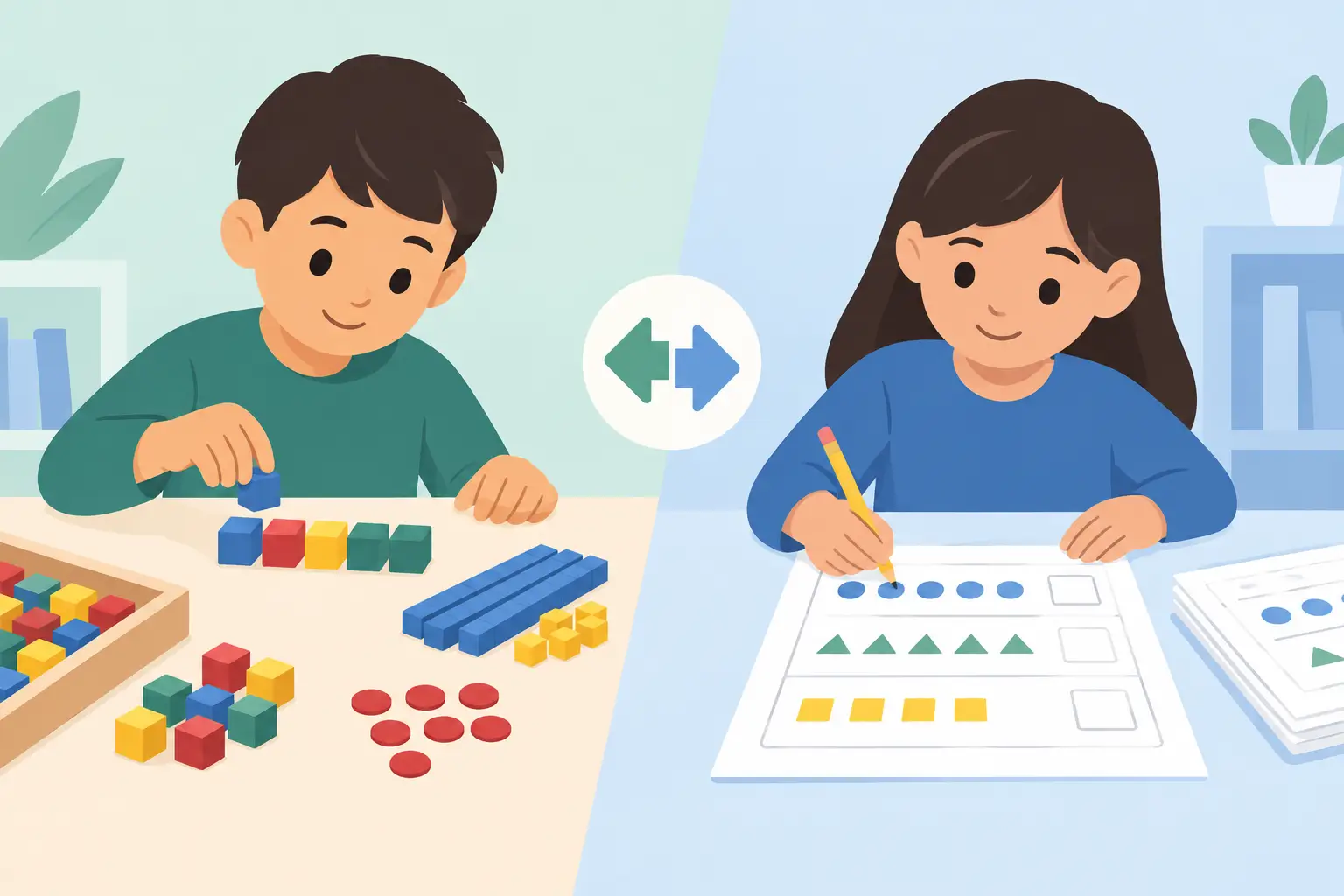
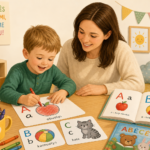
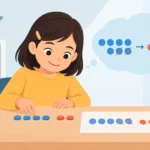
A child who can recite numbers to 20 may still be unsure what “five” really means. Put five buttons, cubes, or toy animals in front of them, and the idea starts to become visible. Ask them to circle five pictures on a page, and you see a different skill at work. That is the heart of counting manipulatives versus worksheets: both support early math, but they help children learn in different ways.
For preschool and kindergarten learners, the strongest counting practice usually moves from hands-on objects to pictures and then to pencil-and-paper work. Parents and teachers do not need to choose one method forever. The goal is to use the right tool for the child’s next small step.
Counting Manipulatives Versus Worksheets: What Changes?
Counting manipulatives are physical objects children can touch, move, line up, sort, and count. They can be as simple as blocks, pom-poms, counters, linking cubes, bottle caps, small toys, or even snack crackers. Worksheets are structured printable activities that ask children to identify numbers, count pictures, match quantities, trace numerals, or record an answer.
The biggest difference is how children experience the number. With manipulatives, a child can physically give one counter to each teddy bear, move each object as they count, and see when there are no objects left. This action supports one-to-one correspondence, a key early math skill. It helps children understand that each number word matches one object and that the last number said tells how many there are altogether.
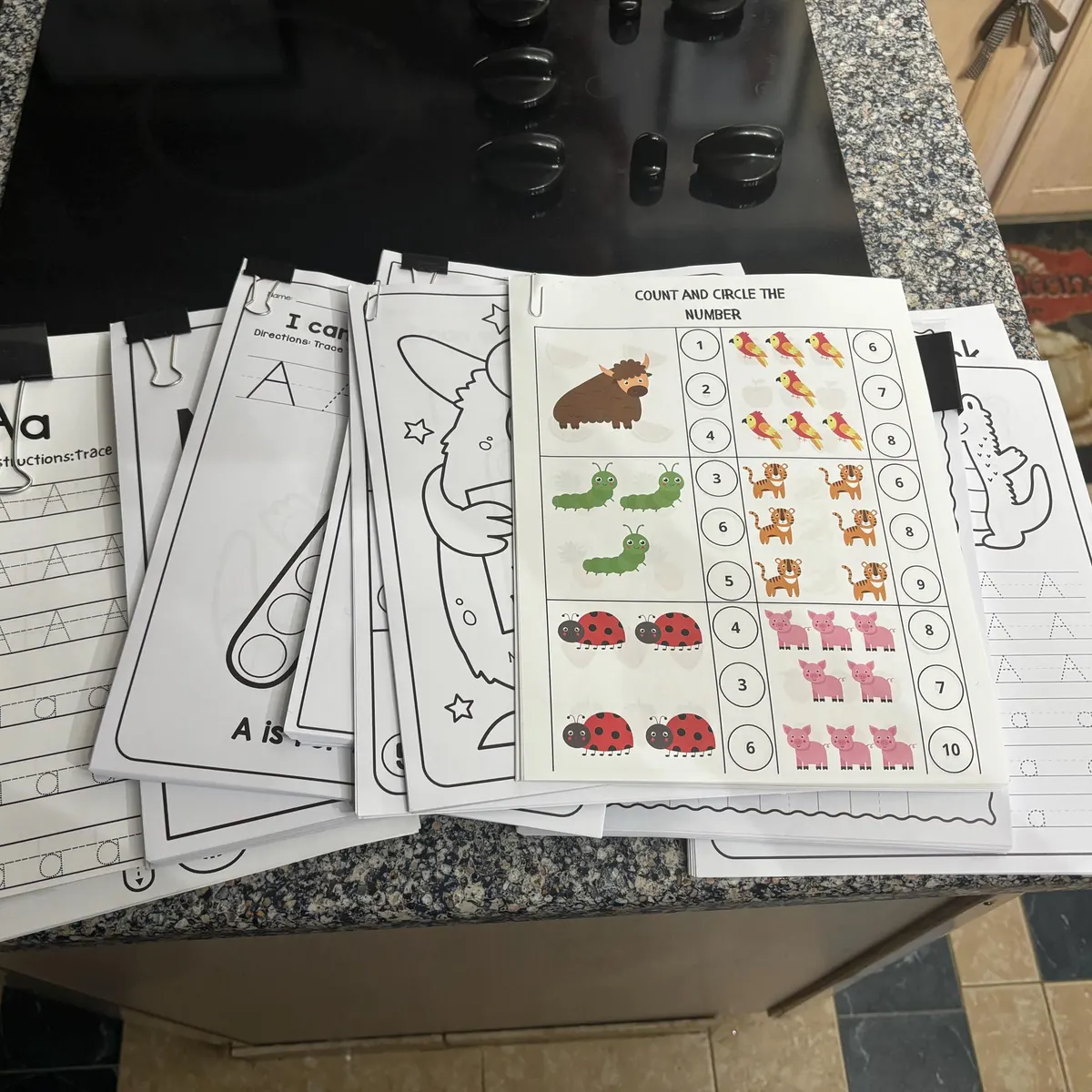
A worksheet asks children to represent that understanding in a more abstract way. They might count seven apples, then circle the numeral 7. Or they may draw a line from a group of four dots to the number 4. This is valuable practice, but it works best when the child has already had meaningful experiences with real groups of objects.
When Hands-On Counting Works Best
Manipulatives are especially helpful when a child is just beginning to count objects accurately. Young learners often rush through number words, point to the same object twice, or skip an object without noticing. Moving each item into a counted pile slows the process down and gives them a clear visual check.
Hands-on materials also make it easier to teach ideas that can feel tricky on a flat page. Children can compare two groups and see which has more, less, or the same amount. They can make a group of six, take away two, and discover that four remain. They can build numbers with cubes and notice that five can be made with three and two.
This kind of play is not “just playing.” It gives children a concrete foundation for number sense. A child who has held, counted, and rearranged objects is more likely to understand why the answer is 8 instead of simply memorizing that 5 + 3 = 8.
Manipulatives are also useful for children who need movement, repetition, or sensory input to stay engaged. A quick game of counting toy cars into a garage may hold attention longer than a page of identical pictures. In a classroom, they work beautifully in small groups, math centers, and teacher-led practice.
Still, hands-on activities have limits. They can take time to set up, pieces can get lost, and a child may focus more on stacking or pretending than on the math goal. That does not mean manipulatives are a poor choice. It simply means adults should keep the activity focused with simple prompts such as, “Touch each bear once as you count,” or, “Can you make a group of eight?”
When Worksheets Are the Better Choice
Worksheets shine when children are ready to practice, review, and show what they know with growing independence. A well-designed counting page gives a child a clear task, a beginning and an end, and a chance to repeat an important skill without needing a full table of supplies.
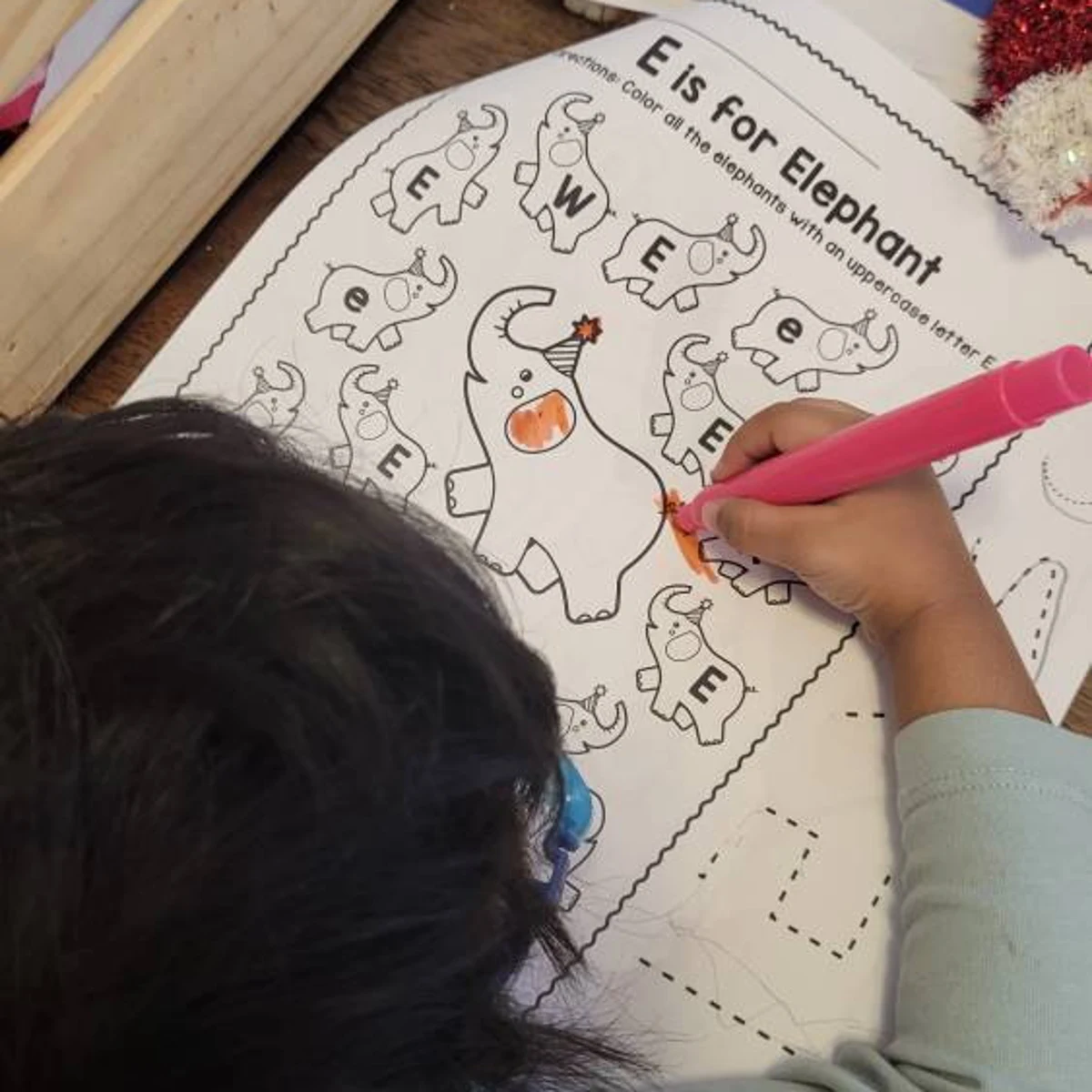
For busy families, printable worksheets are a practical way to fit learning into everyday routines. A counting page can fill ten calm minutes before dinner, reinforce a lesson after preschool, or travel easily in a folder for appointments and car rides. Teachers can use them for morning work, centers, quiet-time activities, or a quick check of individual progress.
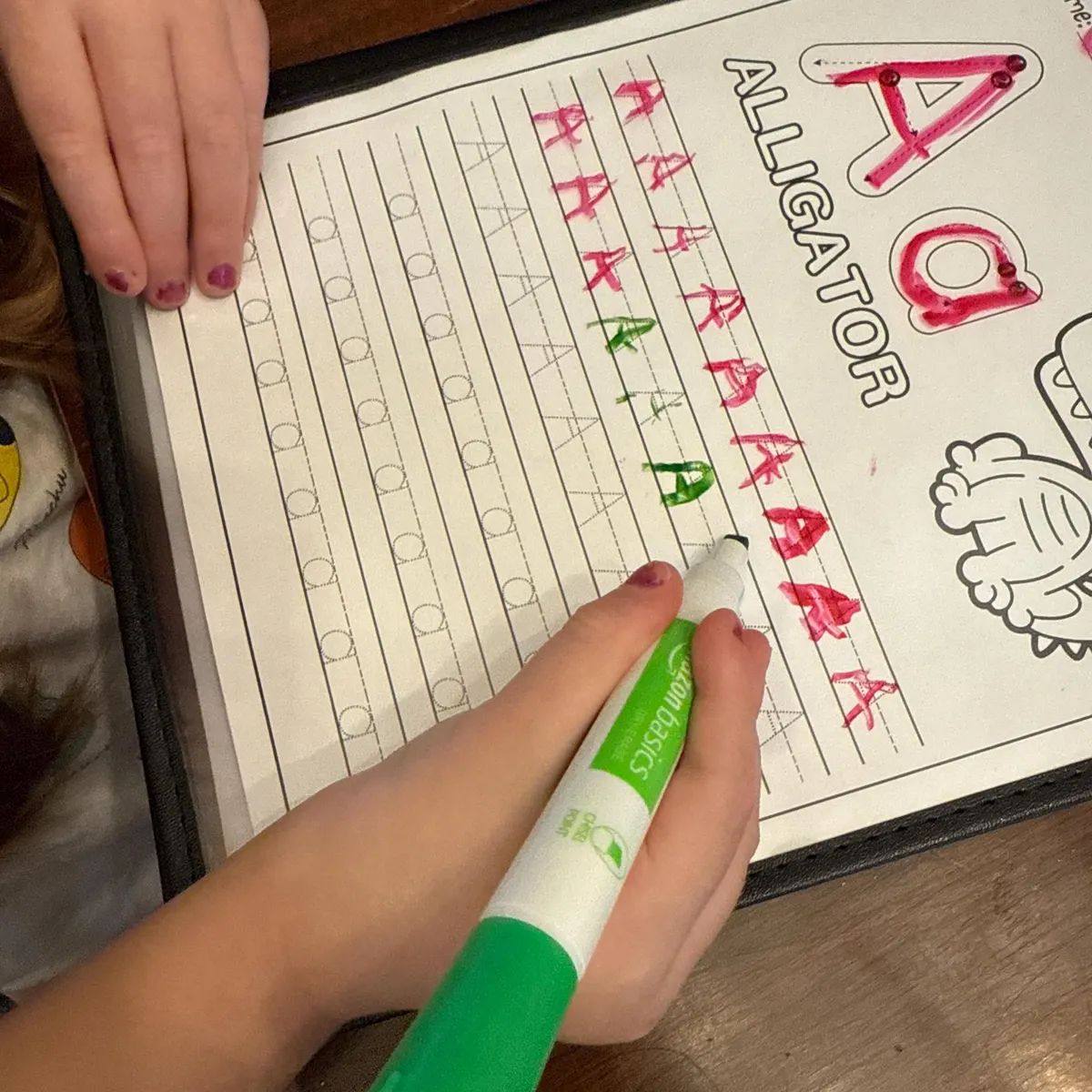
Worksheets also build skills beyond counting. When children trace numerals, color the correct number of pictures, or draw a line to match a quantity, they practice pencil control, visual attention, following directions, and early handwriting. Those are meaningful kindergarten-readiness skills.
The key is matching the worksheet to the child’s current level. A preschooler who is still learning to count three objects should not be handed a crowded page of groups up to 20. Start with uncluttered images, small quantities, and simple directions. For many beginners, counting groups from 1 to 5 is plenty. Once that feels comfortable, move to 10 and beyond.
A worksheet should not become a test of endurance. If a child starts guessing, scribbling, or becoming frustrated, pause. Bring out a few counters and recreate one problem together. After the child counts the real objects, return to the page and let them try again. That gentle bridge can turn a confusing task into a confidence-building one.
The Best Approach: Use Both in Sequence
Rather than treating counting manipulatives and worksheets as competing choices, think of them as partners. Manipulatives introduce the idea. Worksheets help children practice and record it. Together, they create a natural learning path from “I can touch four objects” to “I can recognize, write, and use the number 4.”
A simple three-part routine works well at home or in the classroom. First, choose a number and build that quantity with objects. Next, ask the child to count it again, touching or moving one object at a time. Then use a related printable activity where the child finds, colors, traces, or matches that same number.
For example, if you are practicing the number 6, place six counters in a row and count them together. Mix up the counters and ask the child to make a new group of six. Then offer a worksheet with six fish, stars, or apples to count and a large numeral 6 to trace. The worksheet now feels familiar because the child already knows what six represents.
This sequence is especially helpful for addition and subtraction. Before asking a child to solve a picture equation, let them act it out. “You have four cubes. I give you two more. How many do you have now?” Once they can build and count the answer, a simple 4 + 2 worksheet becomes much more meaningful.
How to Tell What Your Child Needs Next
Watch what happens during counting, not just whether your child says the correct final number. If they can recite numbers but cannot count a group accurately, use manipulatives. If they count objects correctly but do not recognize the matching numeral, pair objects with number cards and simple number-recognition pages. If they recognize numerals and count pictures with ease, they may be ready for more worksheet practice, including matching, writing numbers, and basic addition.
Children who struggle with worksheets are not necessarily behind. They may need fewer images on a page, larger pictures, a shorter activity, or a quick hands-on warm-up. Likewise, a child who loves worksheets may still benefit from touching and moving objects. Early learners build deeper understanding when they meet the same math idea in more than one way.
It also helps to keep sessions short. Five to ten focused minutes can be more productive than a long lesson that ends in tears or distraction. Celebrate effort with specific praise: “You moved each counter as you counted. That helped you find the right answer.” This tells children exactly what they did well and encourages them to use the strategy again.
Make Printable Practice Feel More Playful
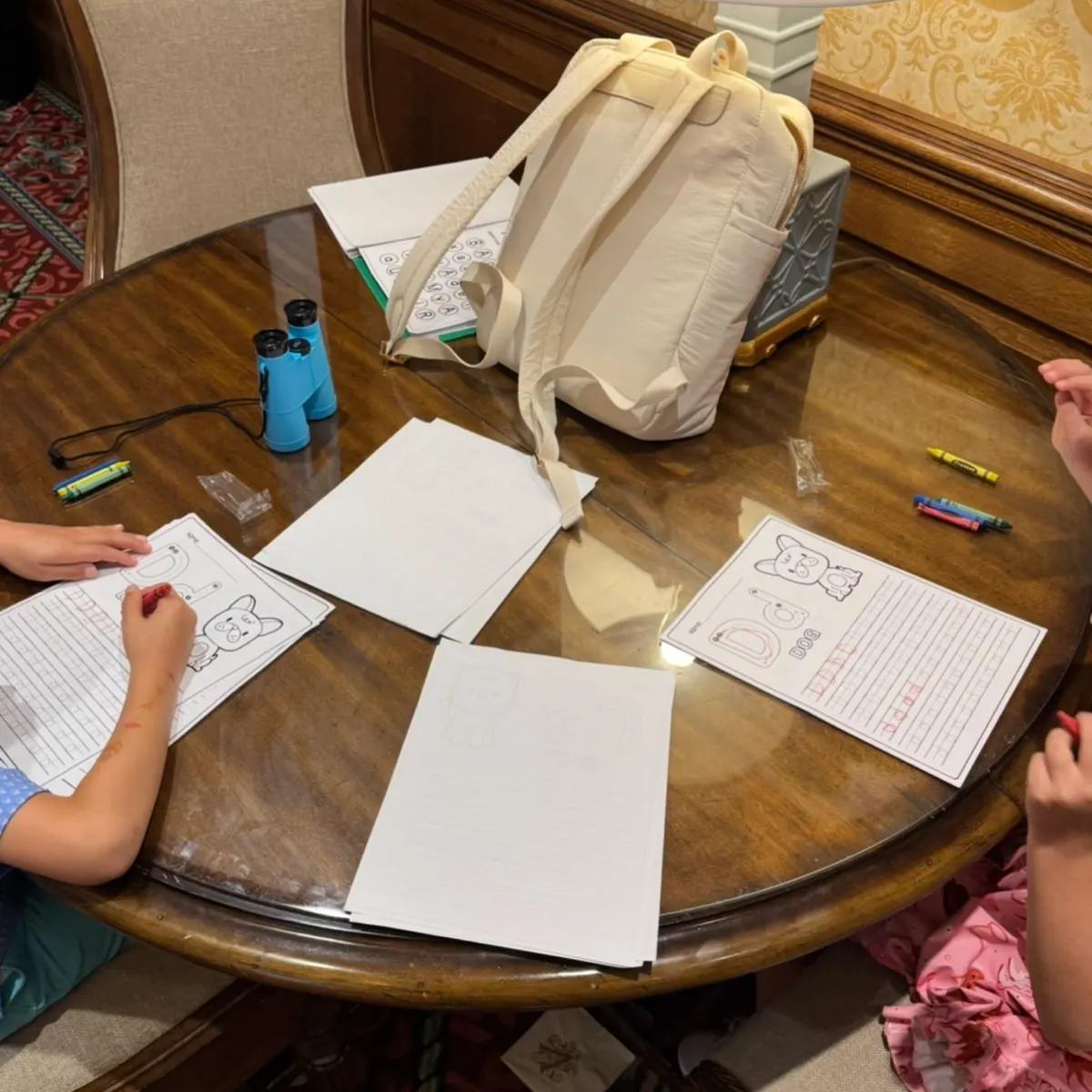
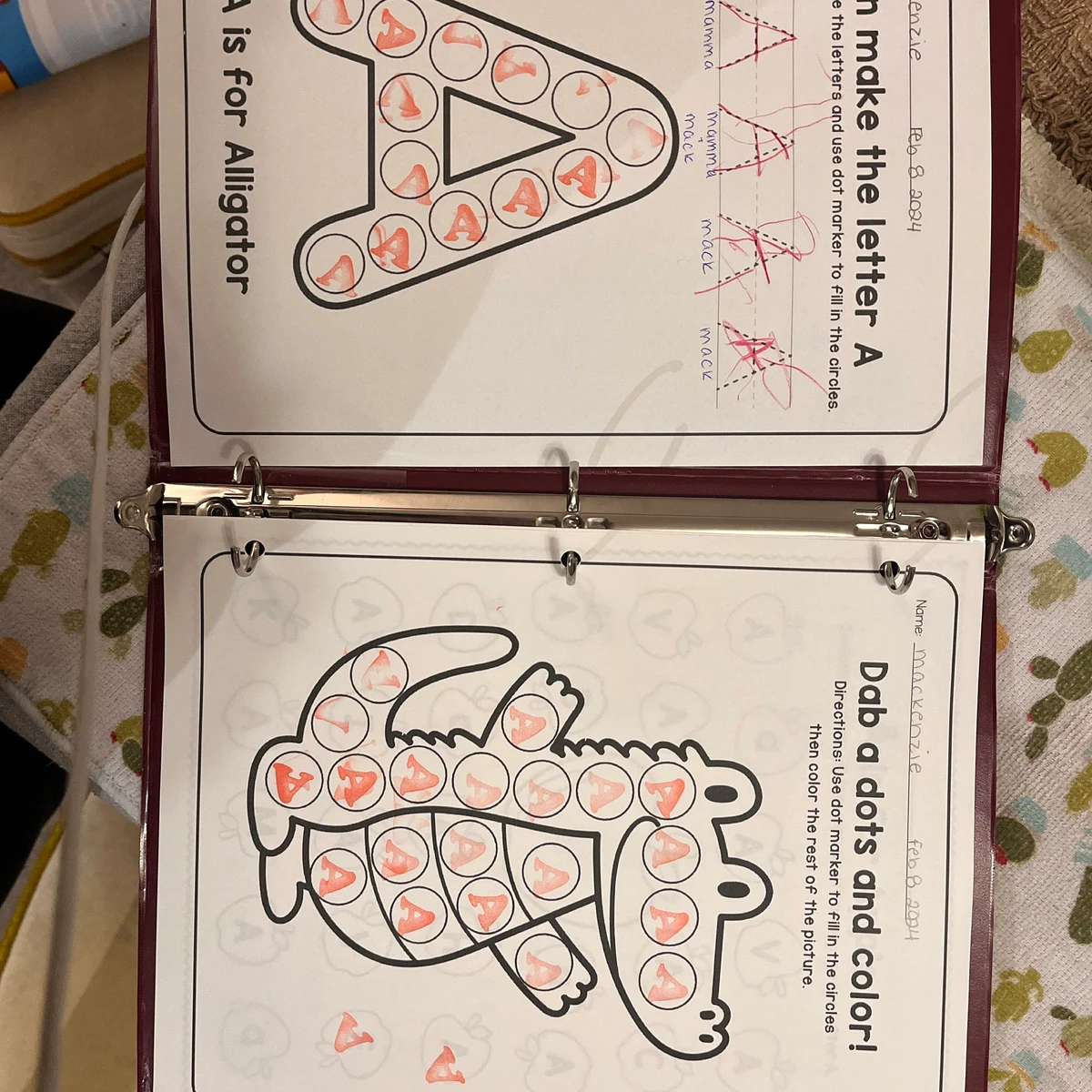
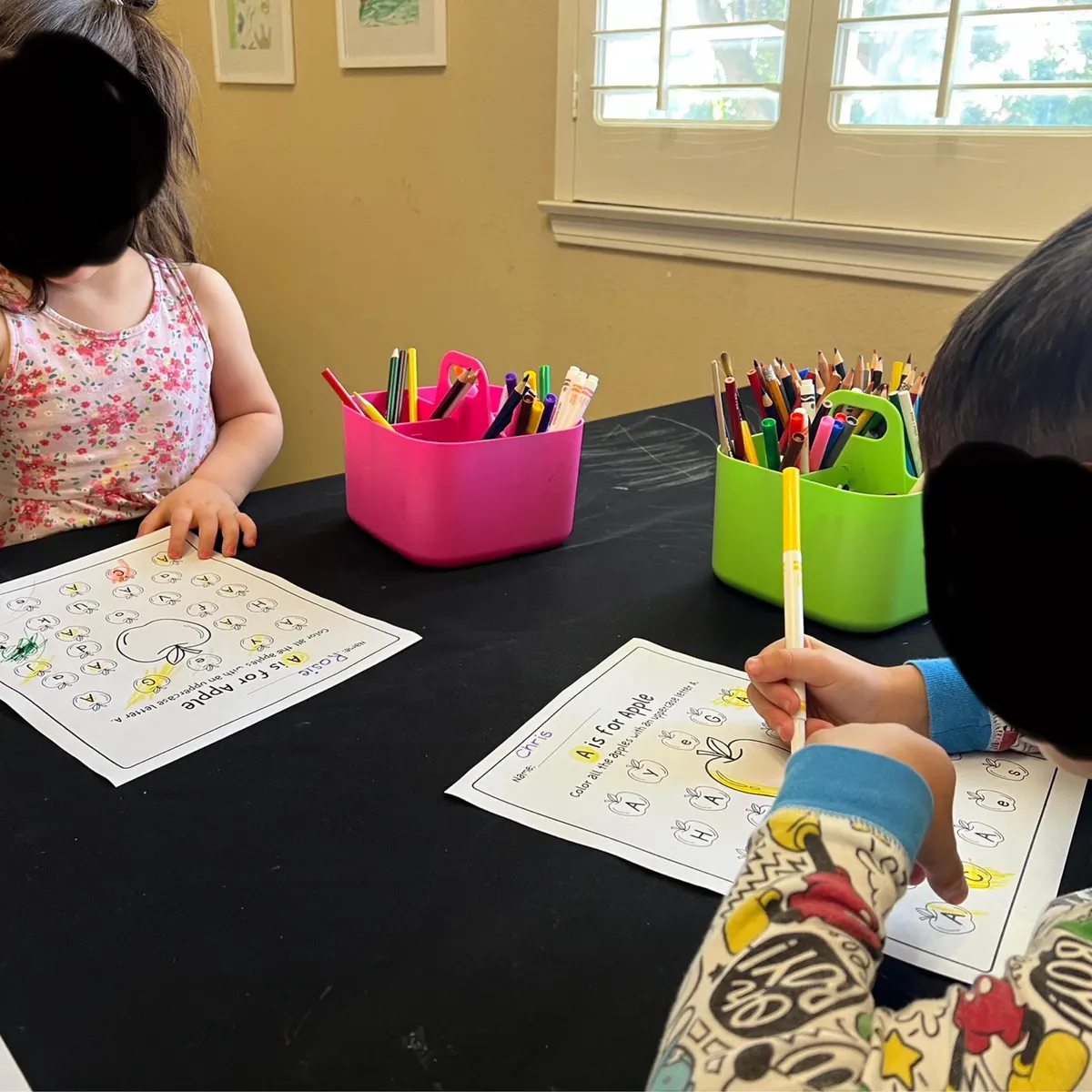
A worksheet does not have to feel like a chore. Add a small tray of counters beside the page so children can check their work. Let them use crayons, dot markers, or stickers when the activity allows. Turn a counting page into a mini challenge by saying, “Can you find every group of five?” rather than, “Finish this worksheet.”
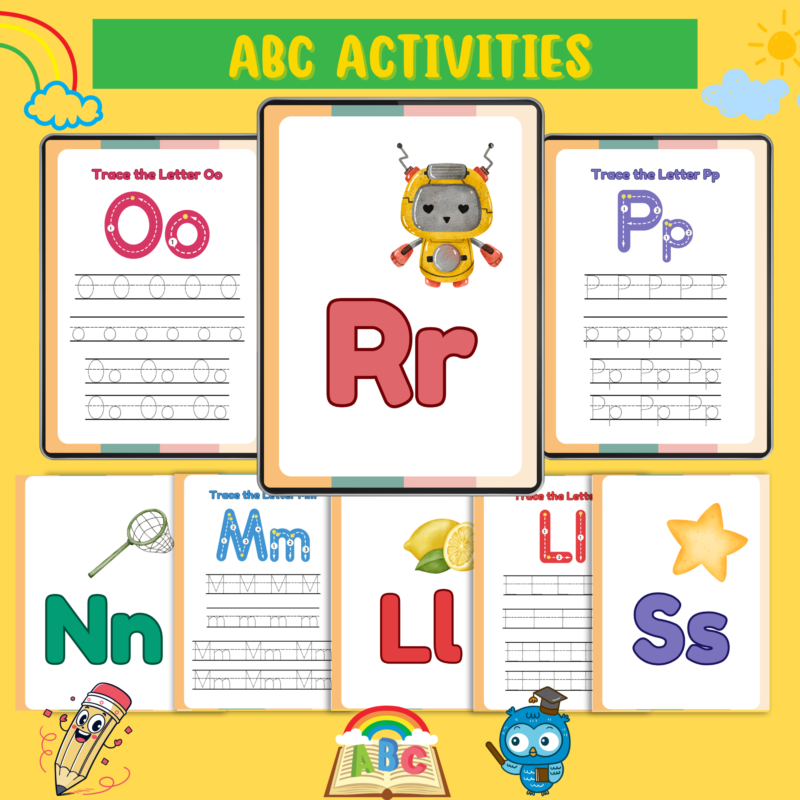
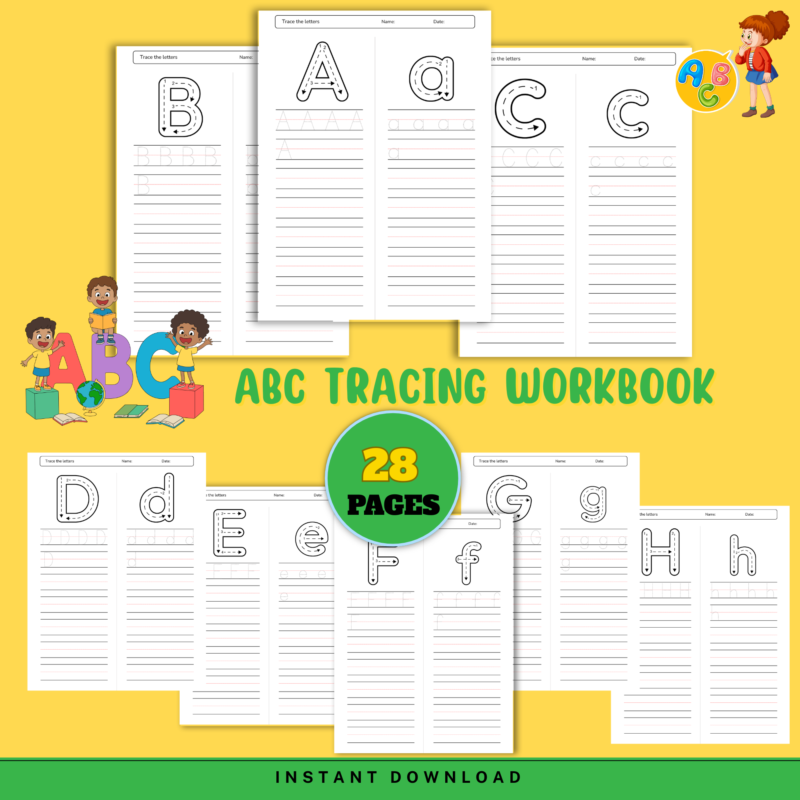
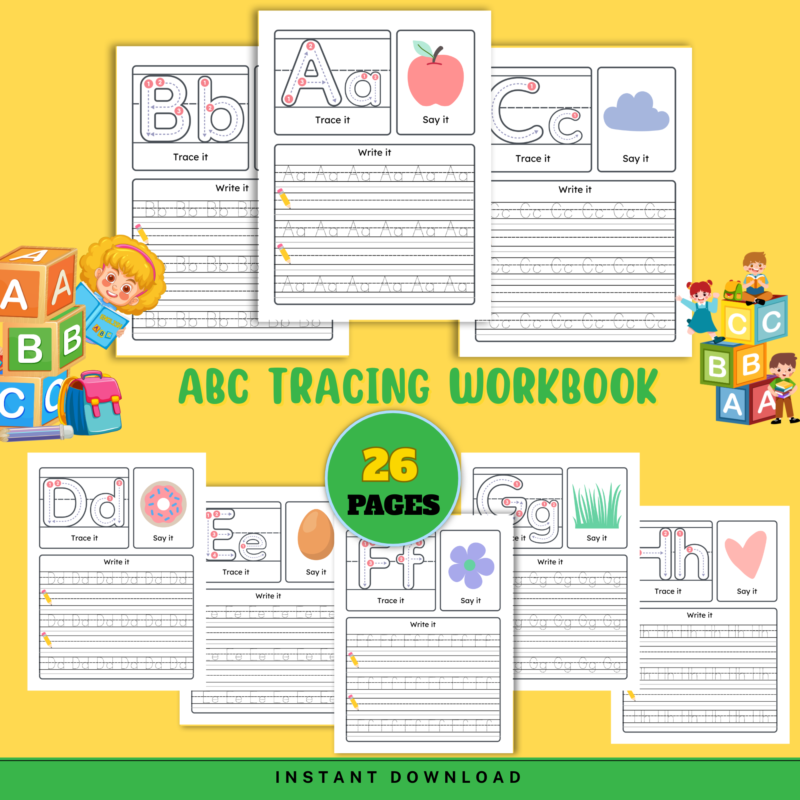
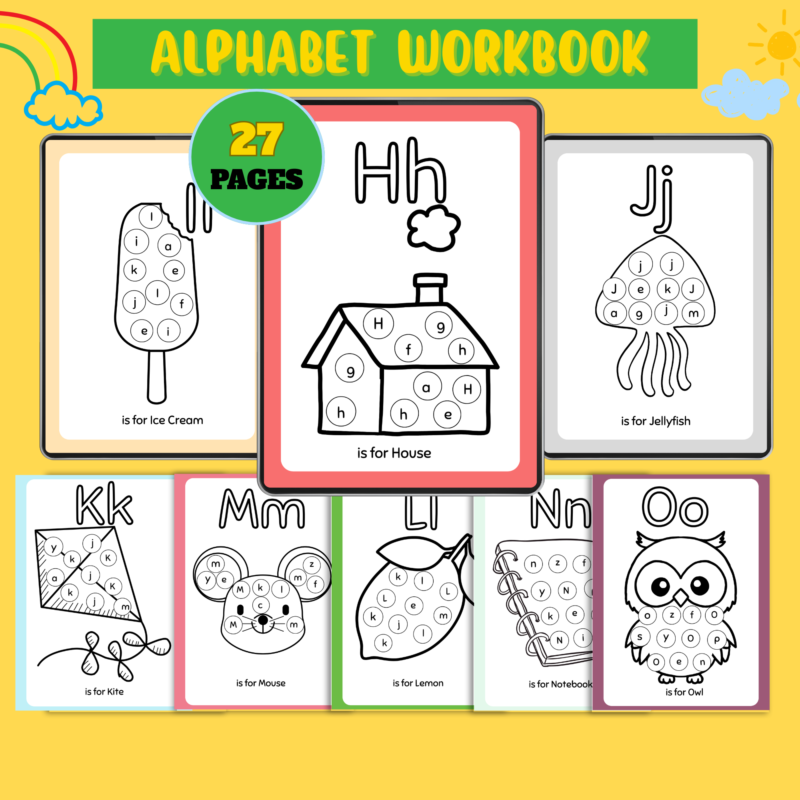
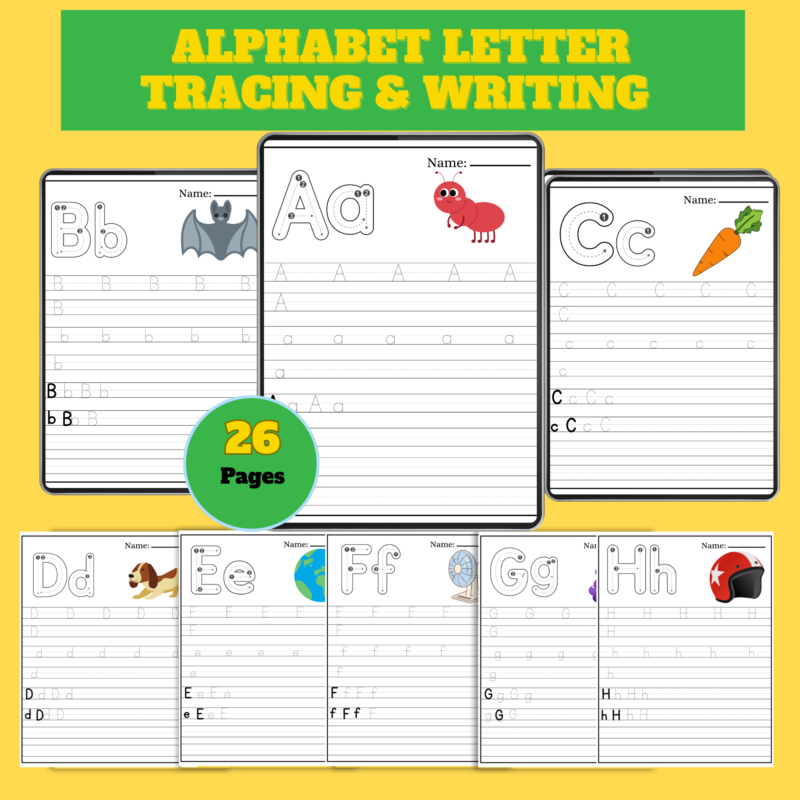
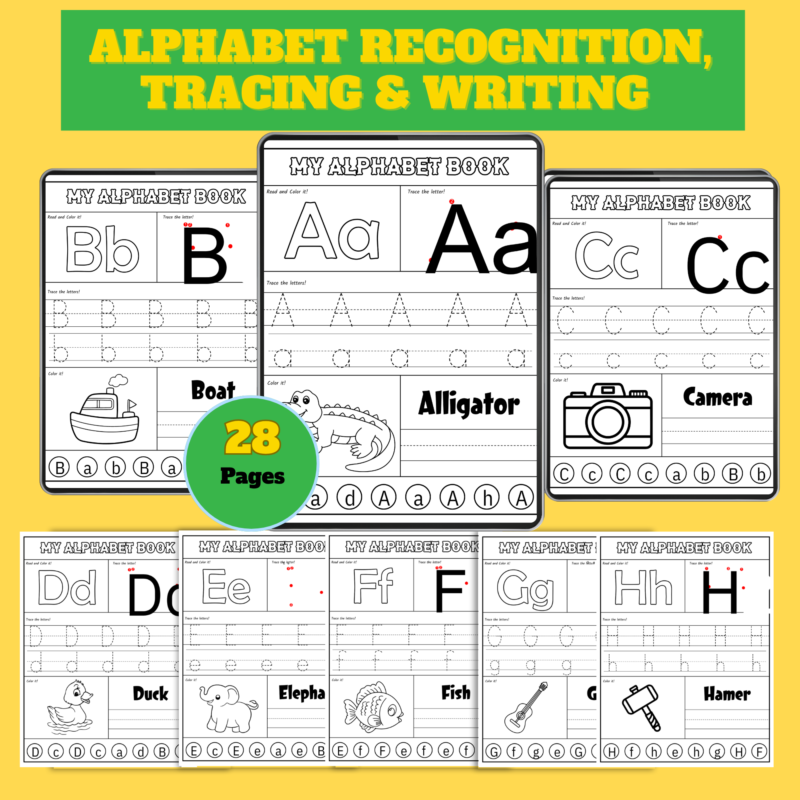
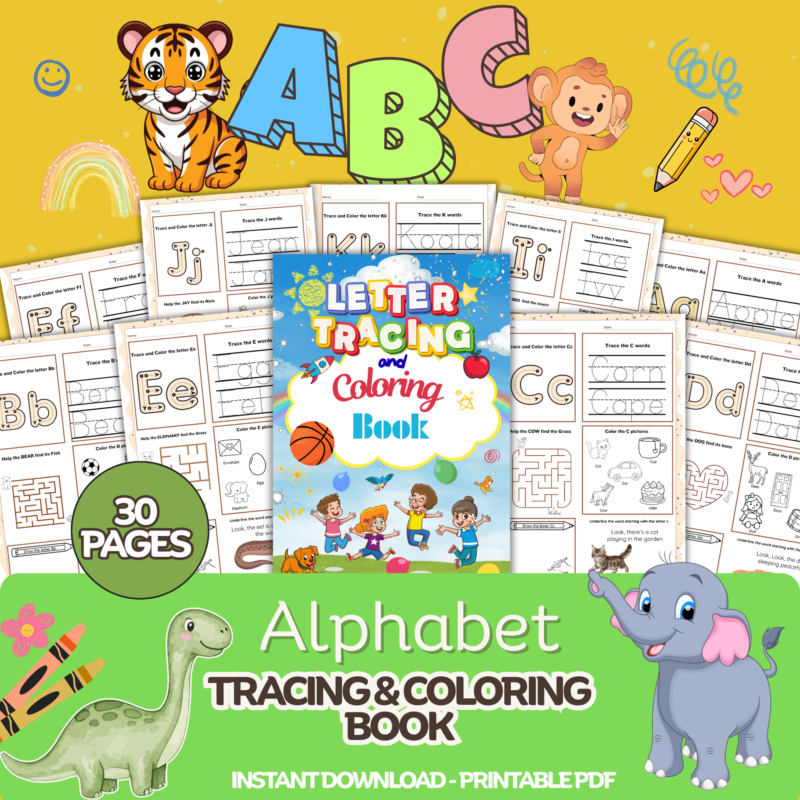
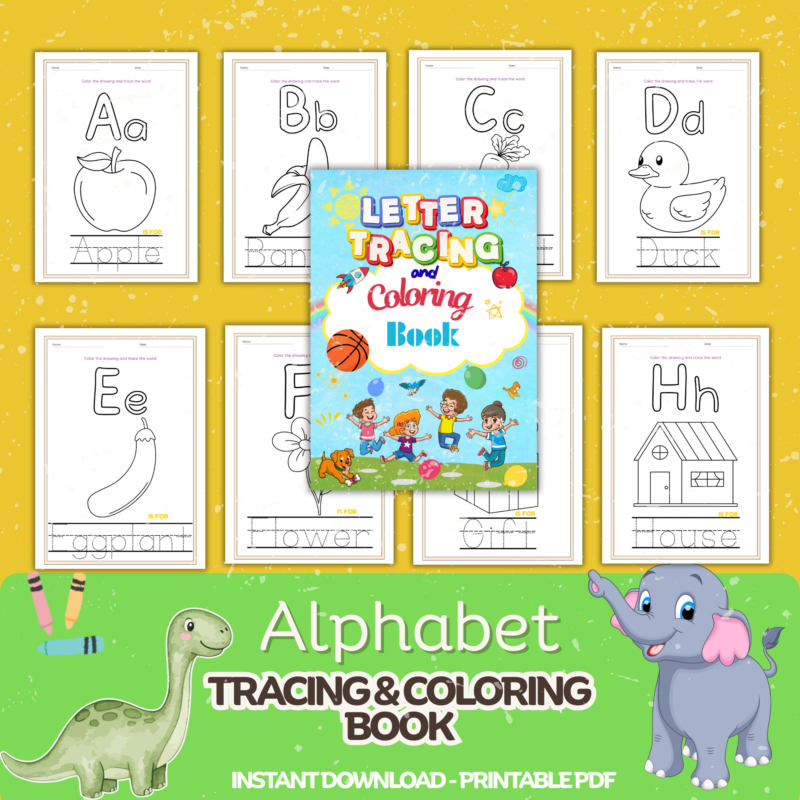
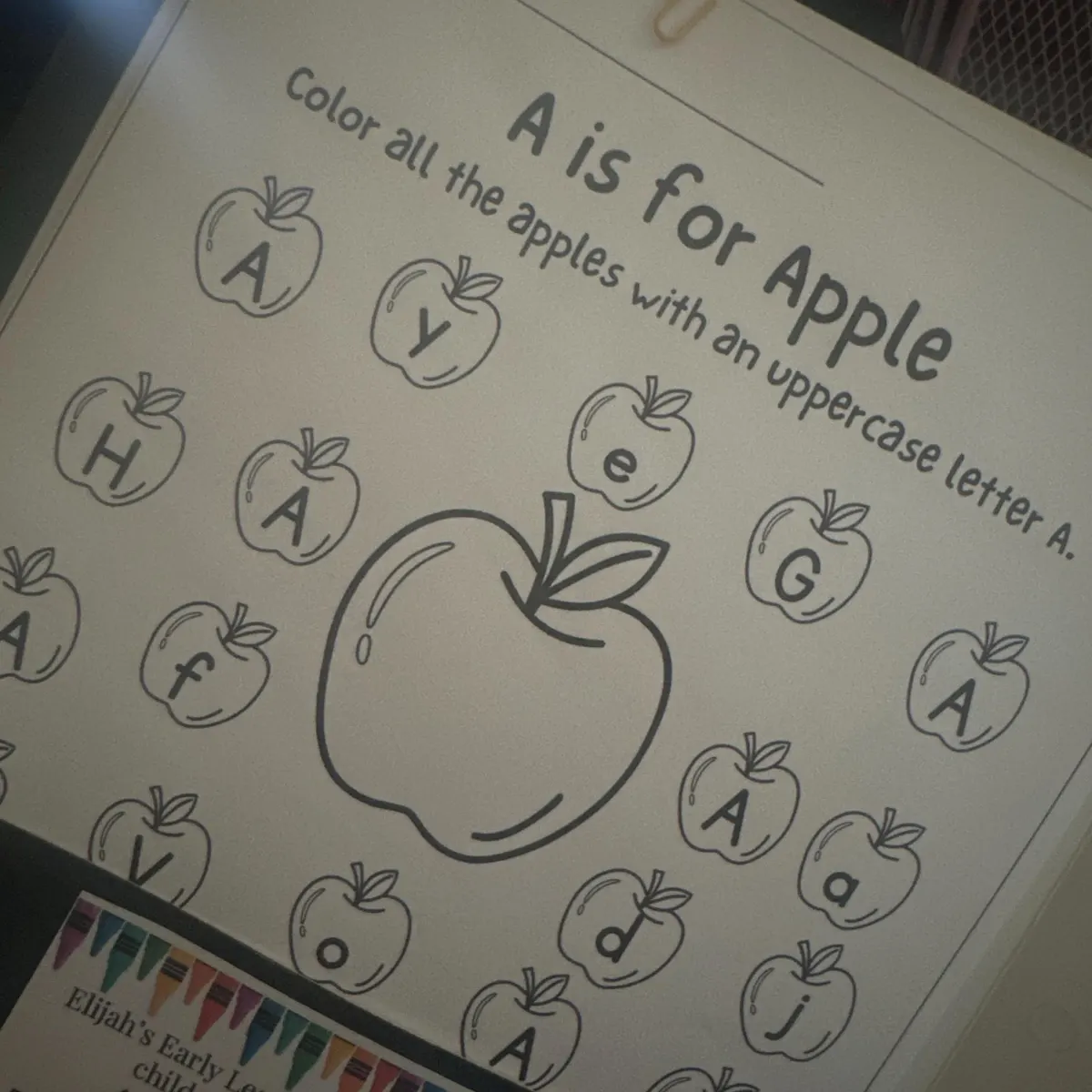
Printable resources from Fun Clever Fox make this transition easy by giving young learners clear, cheerful counting practice they can use after hands-on play. Choose pages with simple pictures, age-appropriate number ranges, and room for small hands to point, color, and trace.
The best early math routine is not the one with the most materials or the most completed pages. It is the one that helps a child look at a group of objects, count with confidence, and feel proud to say, “I know how many there are.”