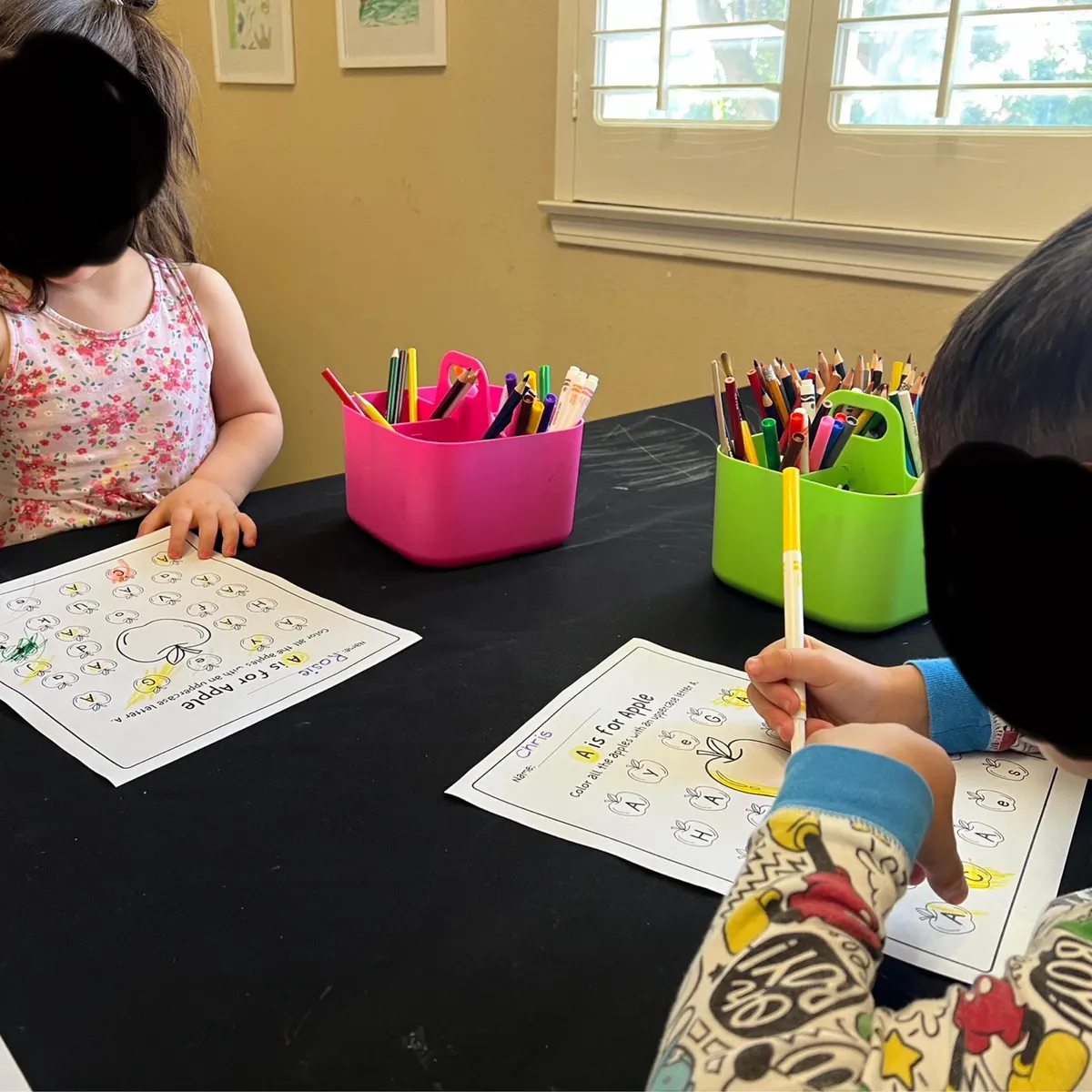
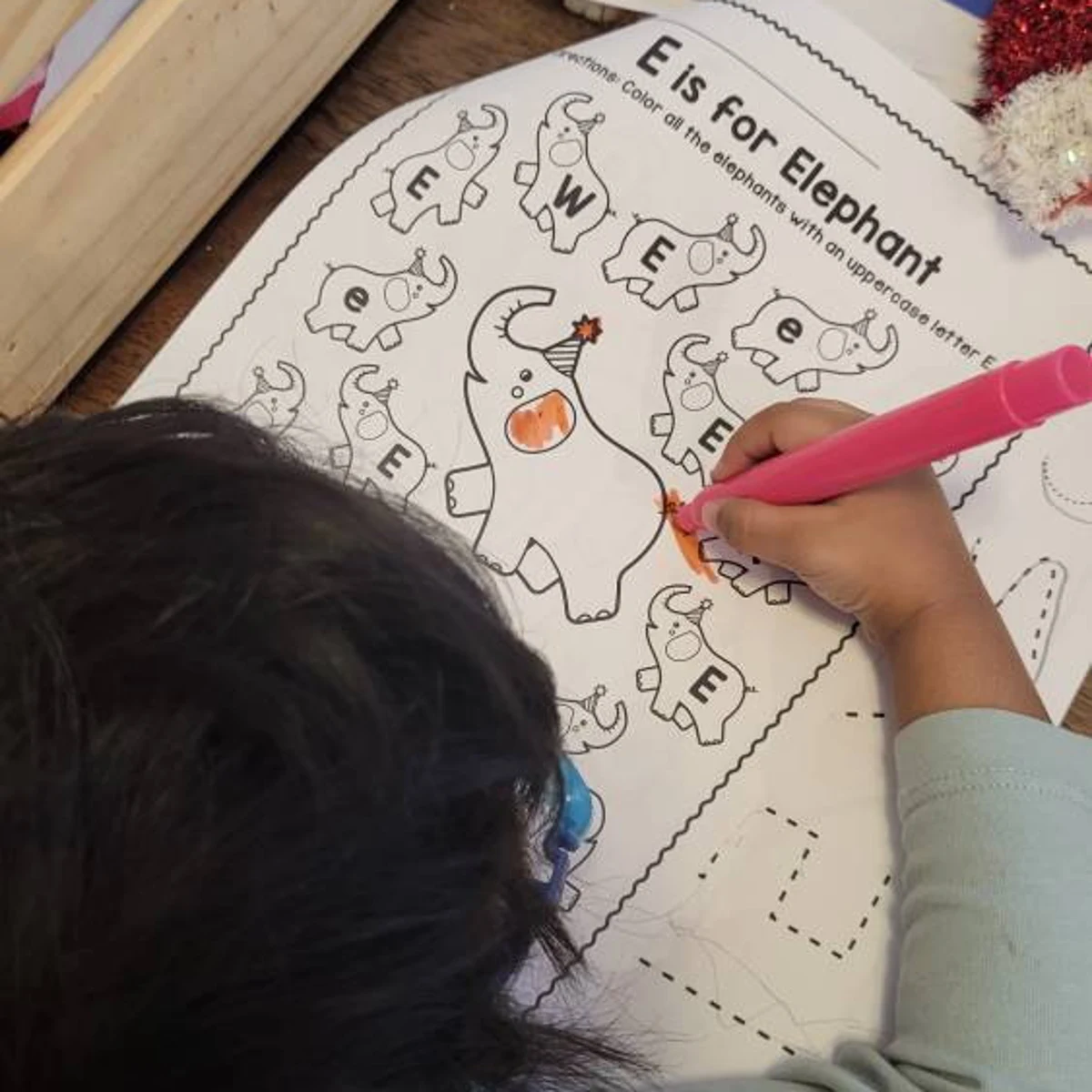
A good activity can hold a toddler’s attention for three happy minutes. A well-made binder can turn those minutes into familiar, confidence-building practice you can use again tomorrow. Toddler learning binders give young children a simple place to match, point, trace, sort, and talk about the skills they are beginning to notice in everyday life.
For parents, teachers, and homeschool families, the real benefit is not making a toddler sit for a long lesson. It is having a low-prep, screen-free activity ready when your child is curious, needs a calm transition, or wants to say, “I do it myself.”
What Are Toddler Learning Binders?
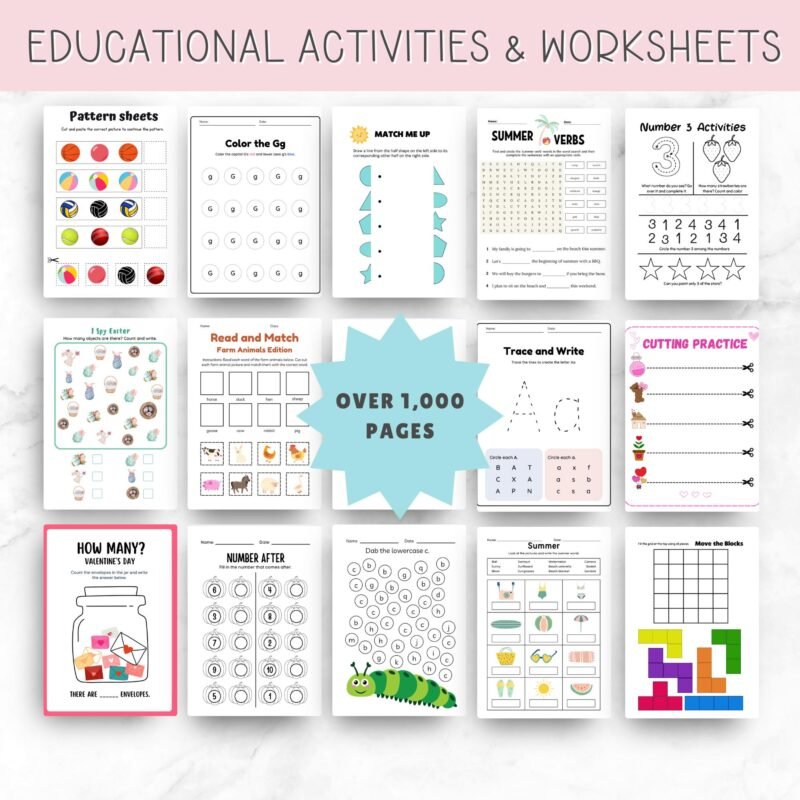
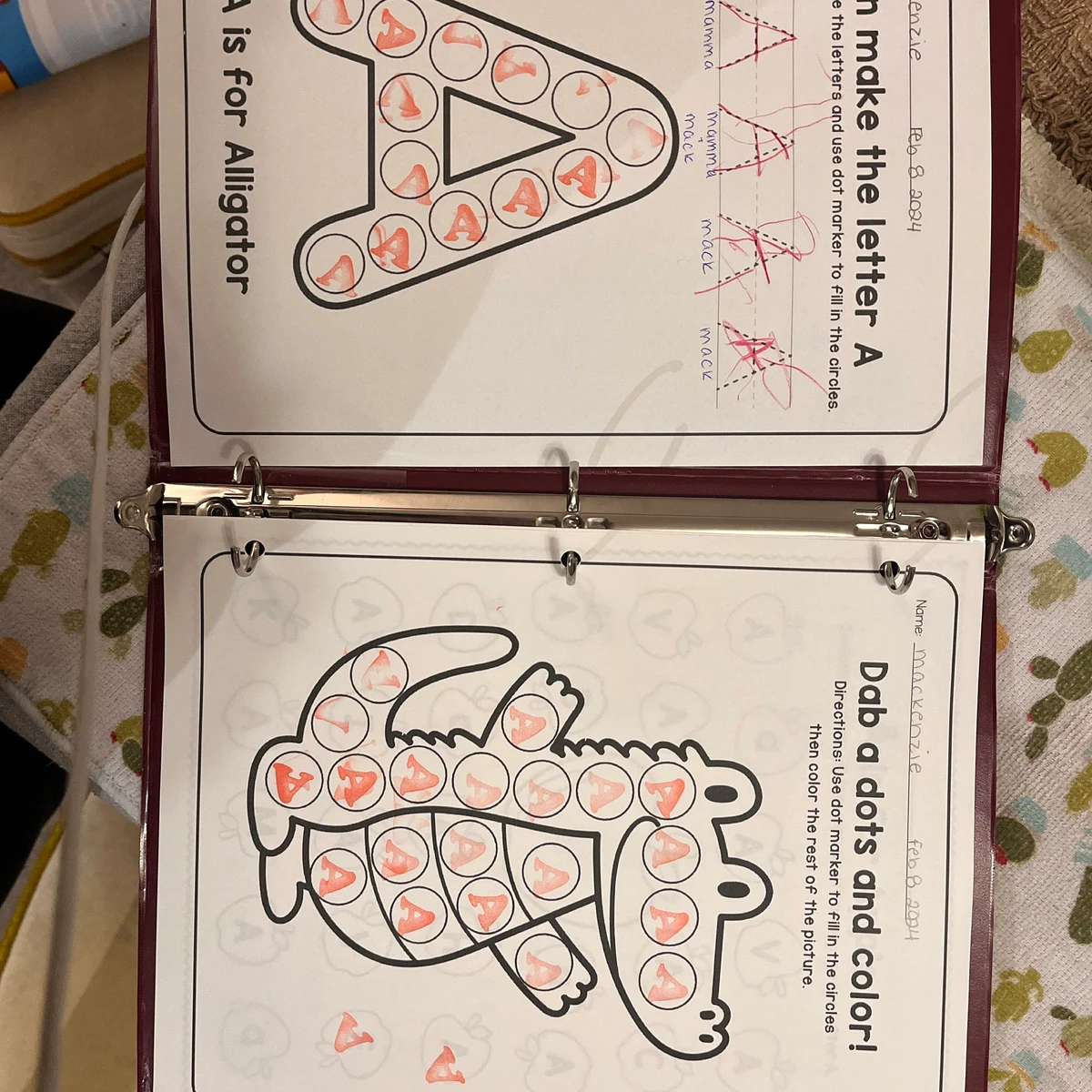
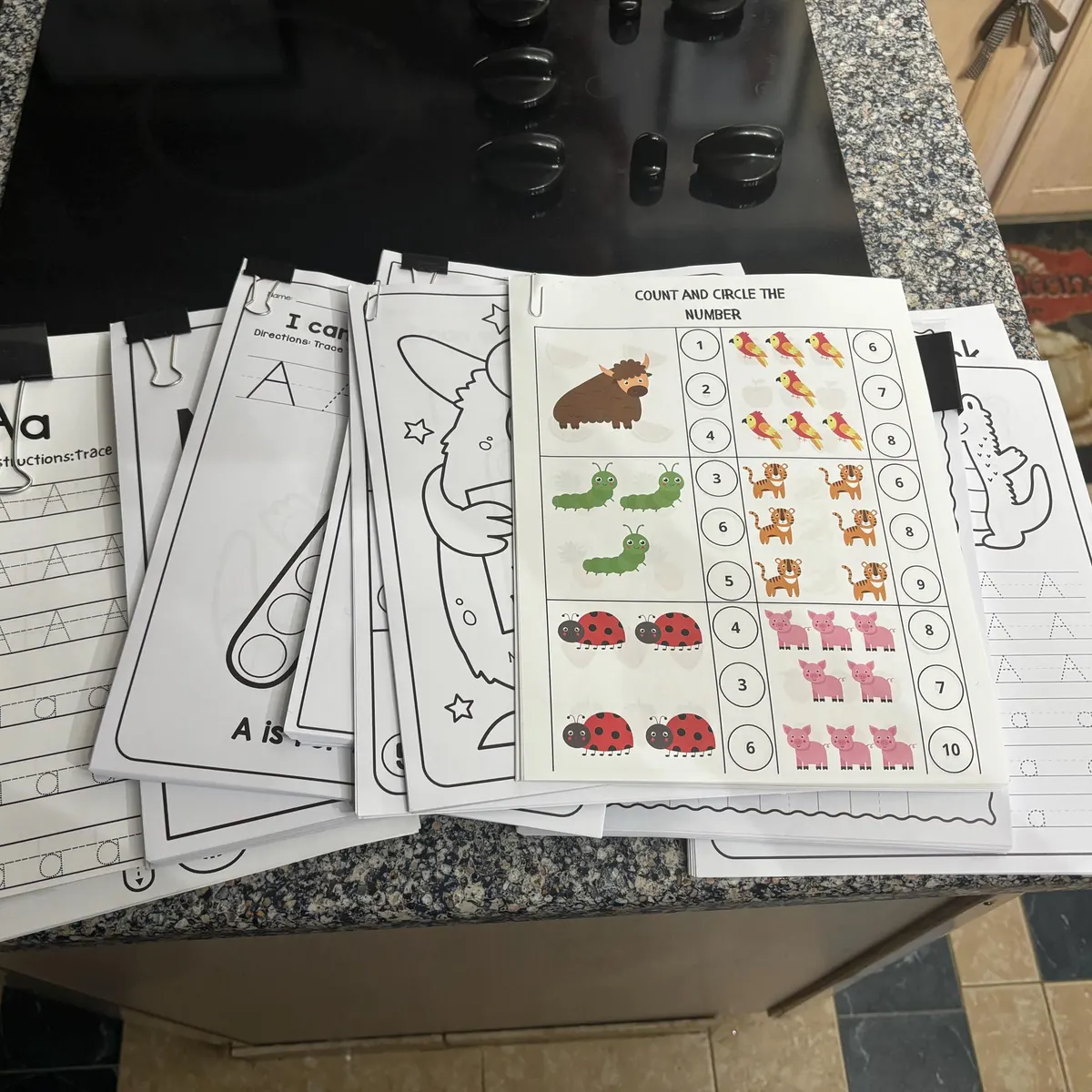
A toddler learning binder is a small collection of reusable activity pages stored in a three-ring binder. Pages often sit inside sheet protectors or are laminated, so children can complete them with dry-erase markers, crayons, stickers, or movable pieces. Instead of handing over a large stack of worksheets, you offer a few focused pages that feel manageable.
The best binders are built around early learning skills, not a race to finish pages. A two-year-old may enjoy matching identical pictures or placing a circle around a red apple. An older toddler may be ready to trace simple lines, identify a few letters in their name, count objects to five, or sort pictures by category.
That flexibility matters. Toddlers develop at different speeds, and a binder should meet a child where they are. If a page causes frustration, put it aside for now. Repetition should feel comforting and playful, not like a test.
Why Binders Work for Busy Families and Classrooms
Toddlers thrive on routines. When the binder comes out after breakfast, during quiet time, or at a learning center, children quickly understand what comes next. Familiar pages reduce the need for lengthy instructions, which helps young learners practice working more independently over time.
Binders also make repeated practice less wasteful. A child who loves matching shapes may happily complete the same page many times. When pages are protected, you can wipe them clean and reuse them rather than printing a new activity for every attempt. For teachers and daycare providers, this makes it easier to prepare a small set of activities for a table station or one-on-one support.
There is a practical trade-off: reusable pieces need a little organization. Velcro dots, paper clips, or small storage pouches can keep matching cards from getting lost. If that feels like too much setup, start with simple write-and-wipe pages. A binder does not need to be elaborate to be useful.
Skills to Include in a Toddler Learning Binder
Keep the focus narrow. A toddler does not need every preschool skill in one binder, and too many choices can be distracting. Start with a handful of pages that match your child’s current interests and abilities, then add more as their confidence grows.
Fine Motor Practice
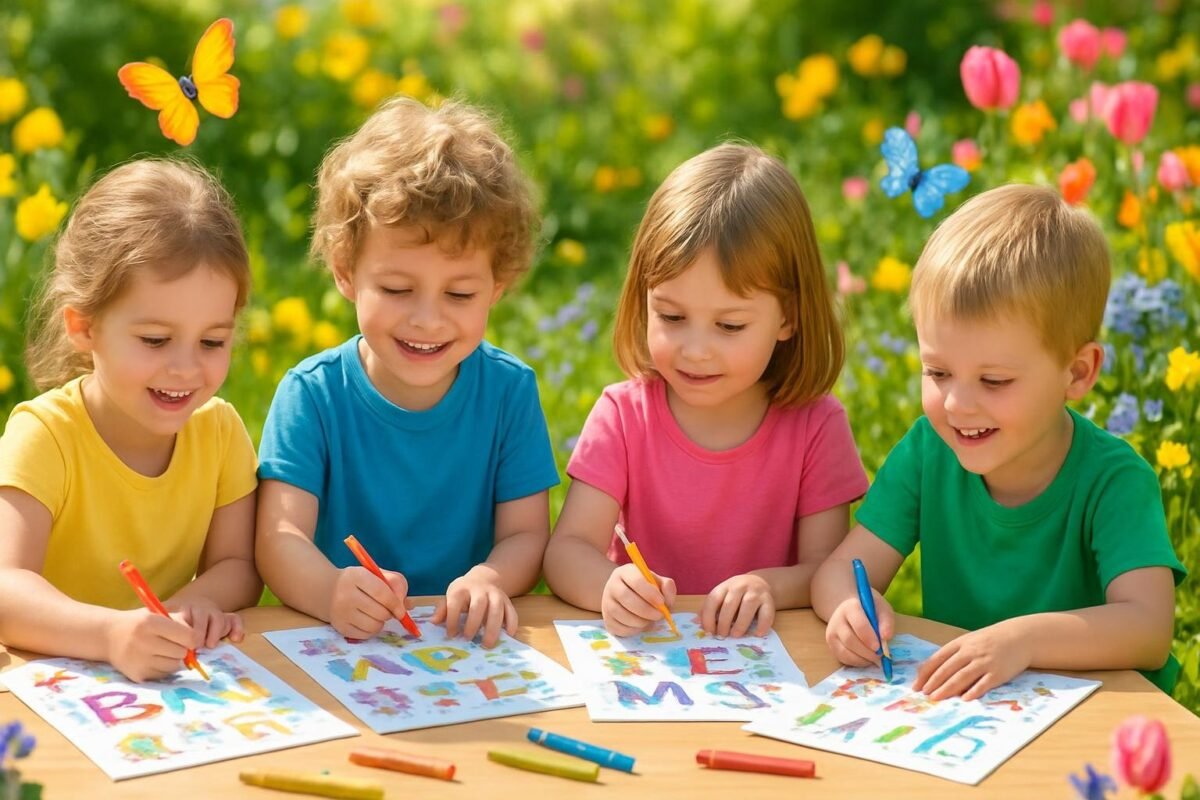
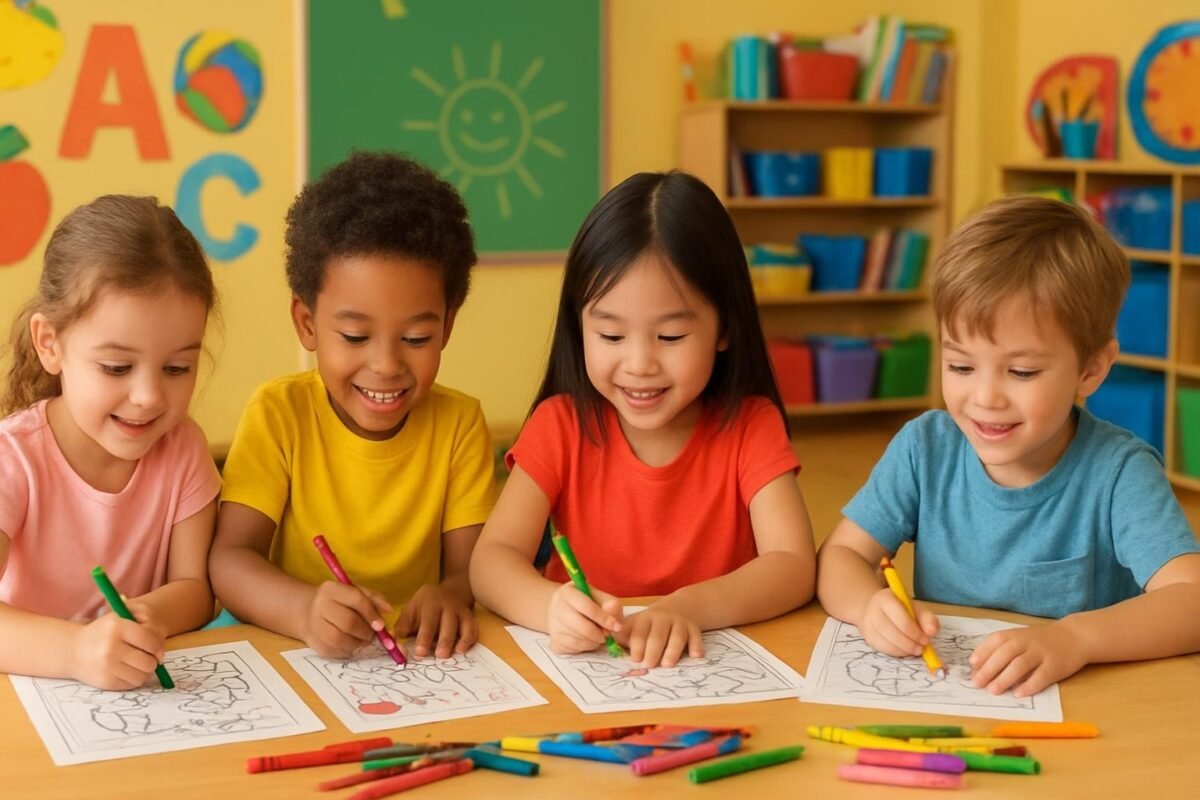
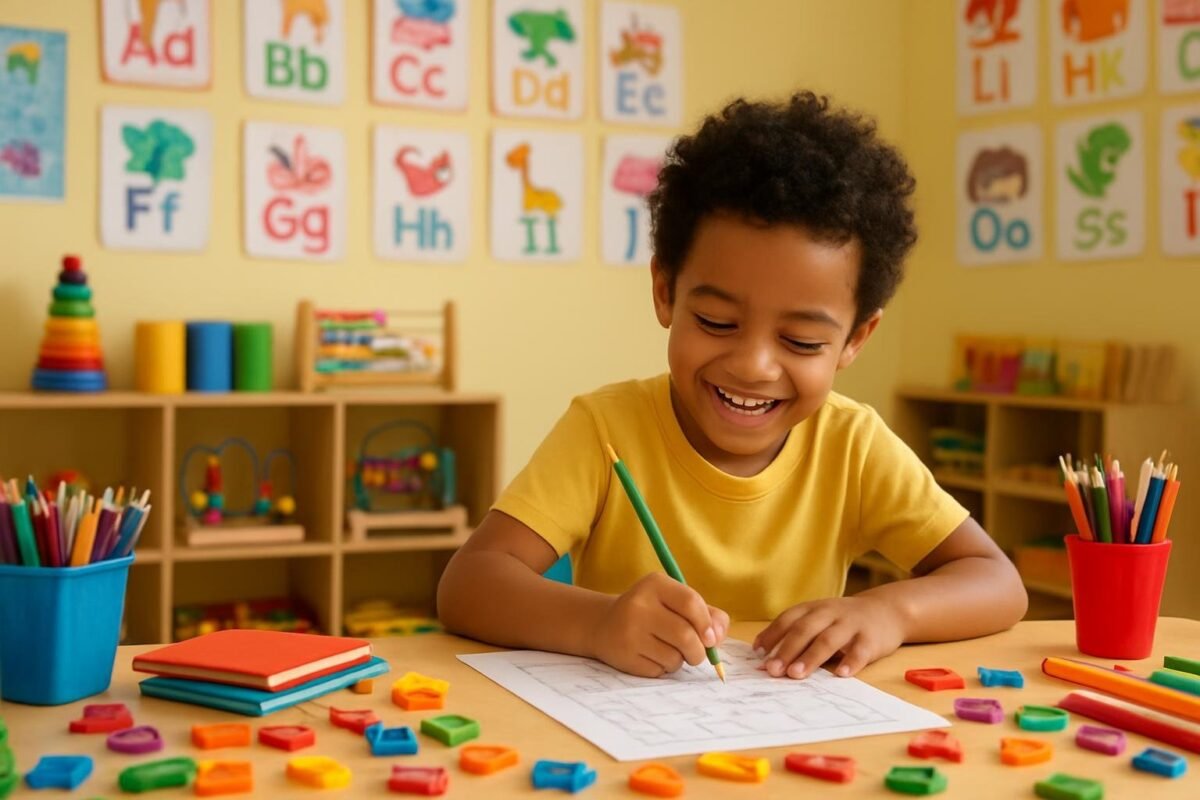
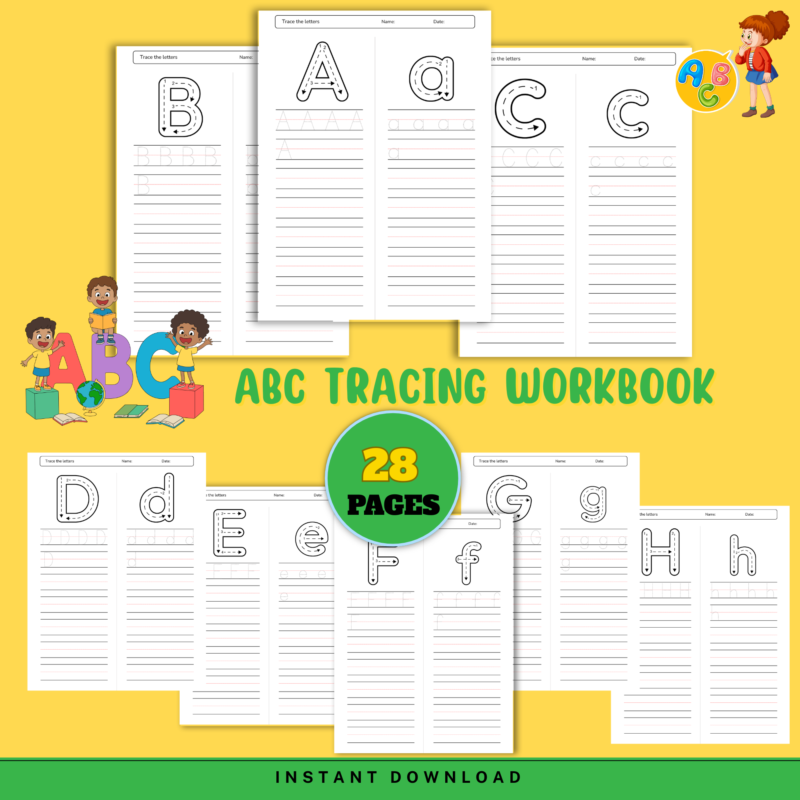
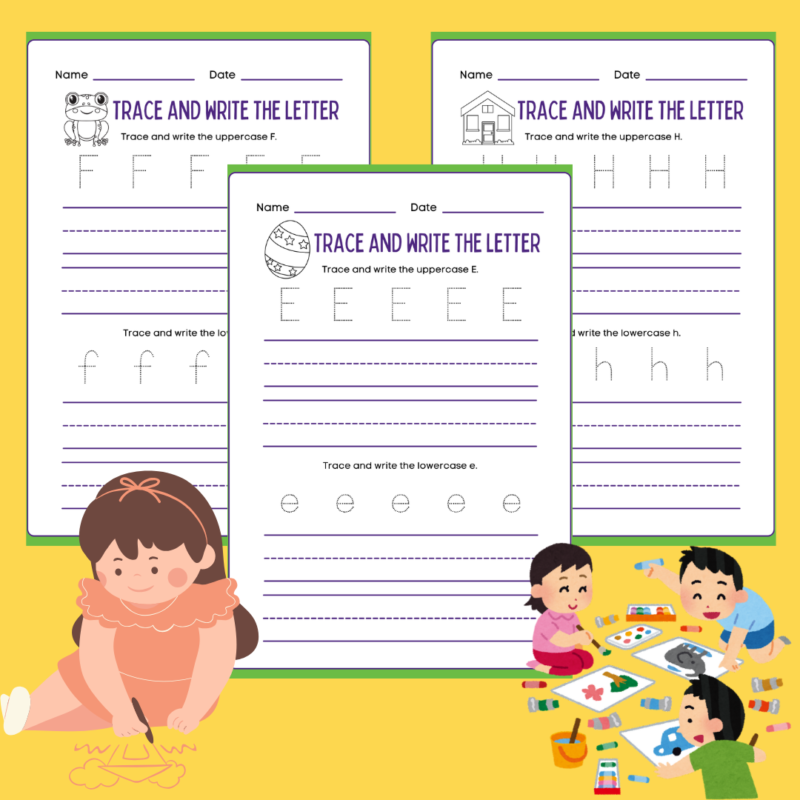
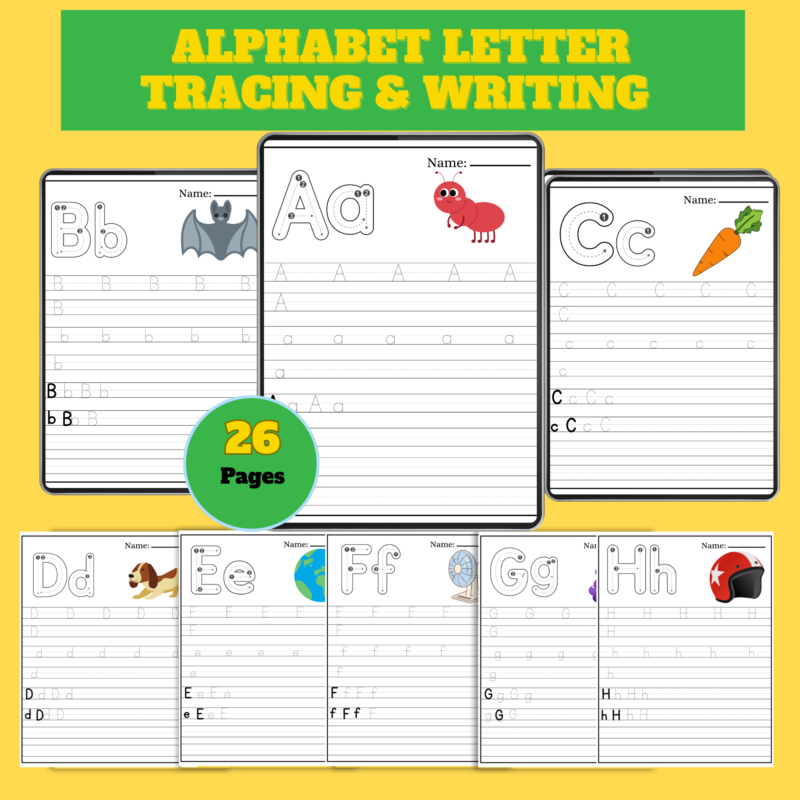
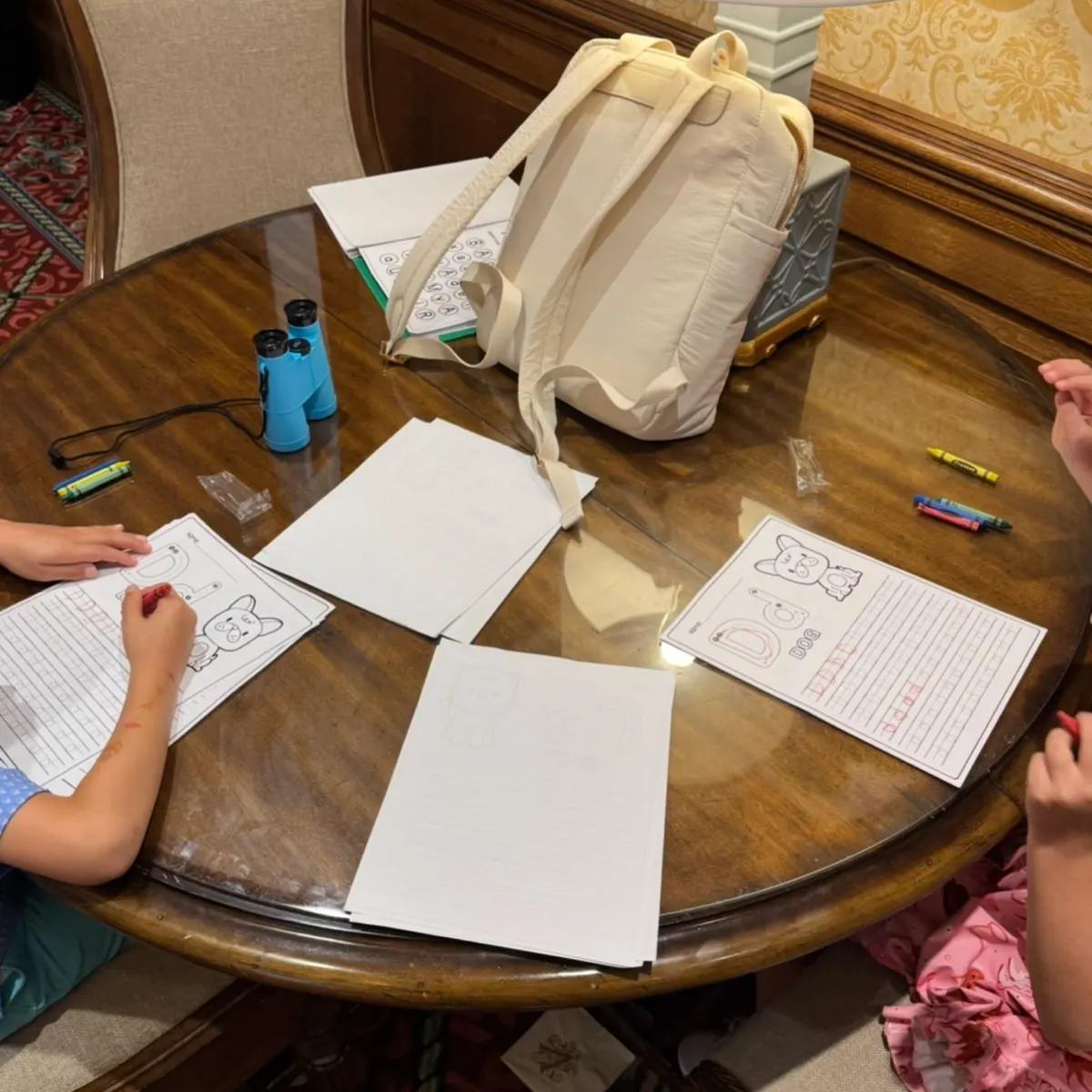
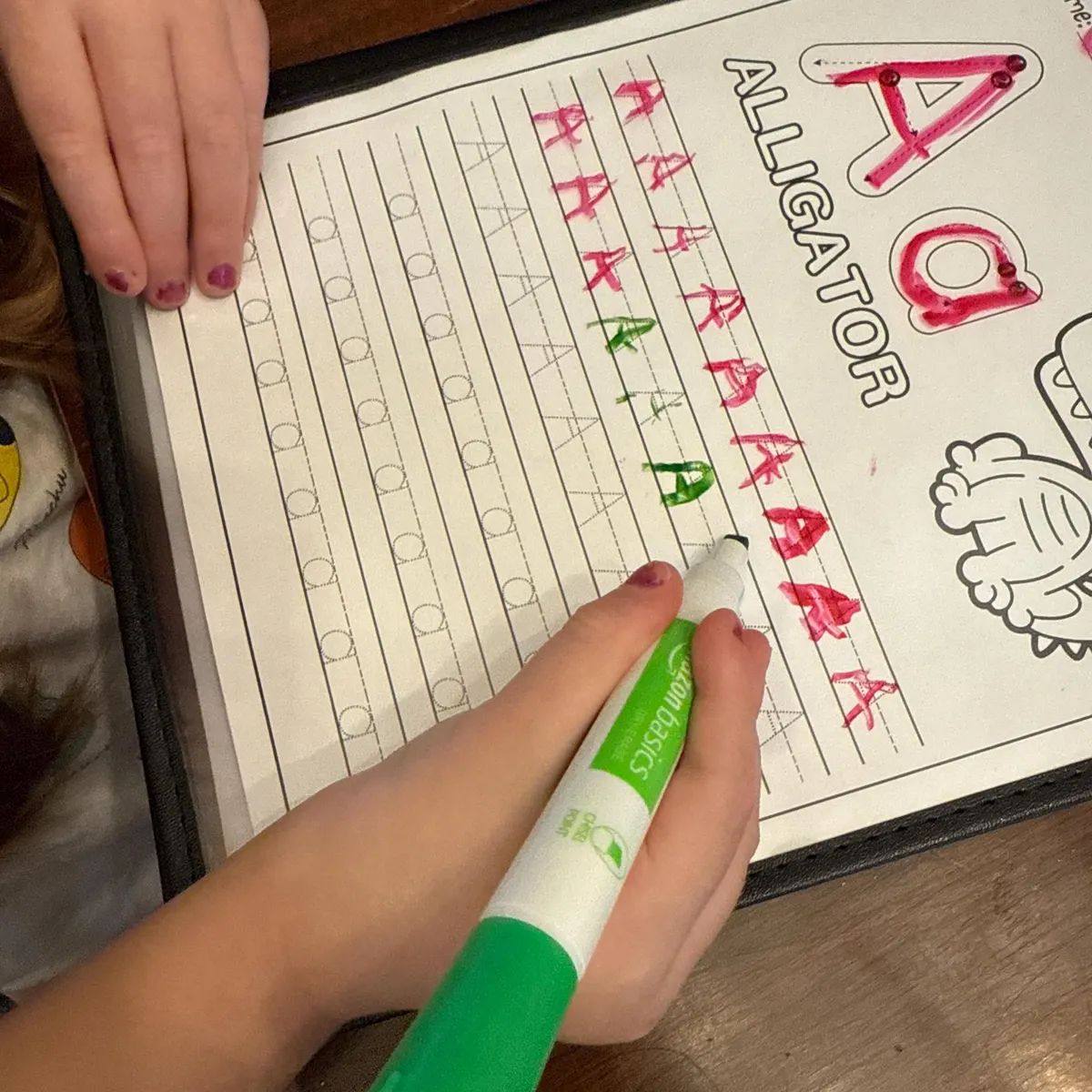
Fine motor activities help build the hand strength and control children will later use for writing, cutting, buttoning, and drawing. Include thick tracing paths, simple mazes, vertical and horizontal lines, circles, and picture coloring pages. For very young toddlers, pointing, peeling stickers, or placing pom-poms on marked spots can be just as valuable as using a pencil.
Use chunky crayons or washable markers that are easy for small hands to grasp. The goal is not perfect lines. Praise effort with specific words such as, “You followed the road all the way to the dog,” or, “You made lots of careful marks.”
Early Literacy Skills
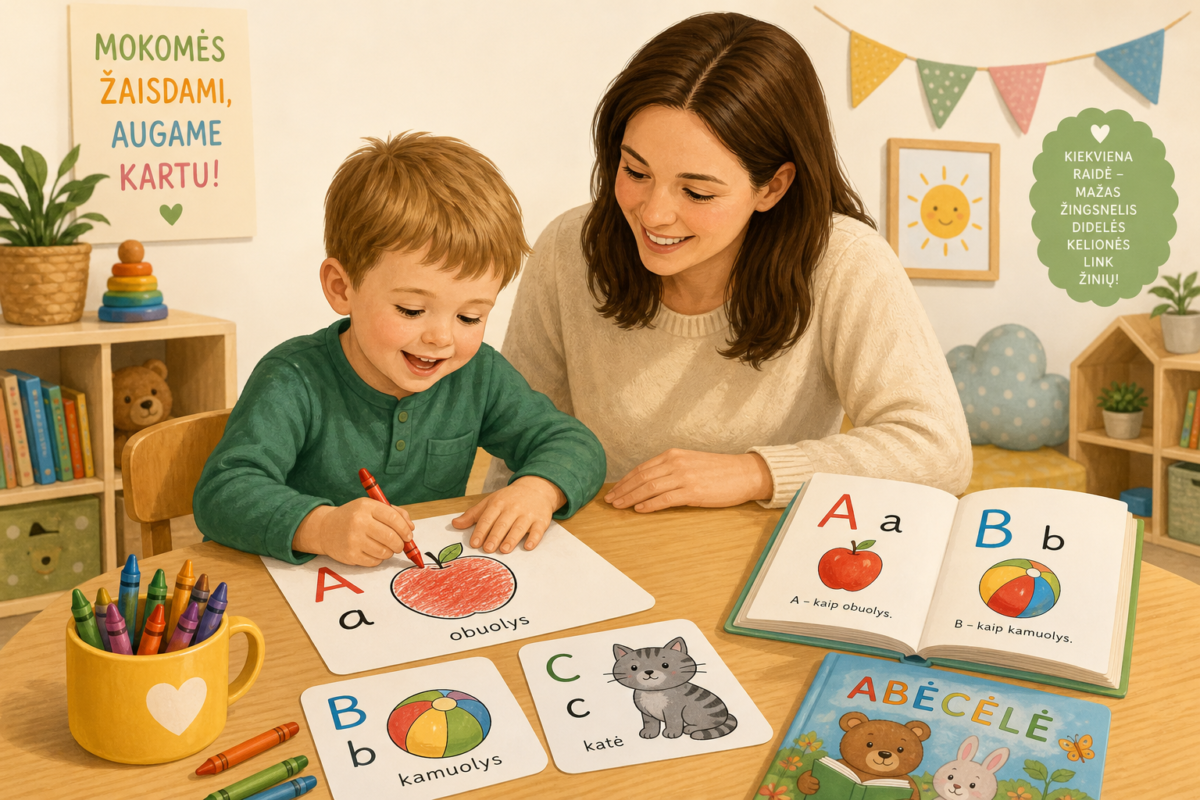
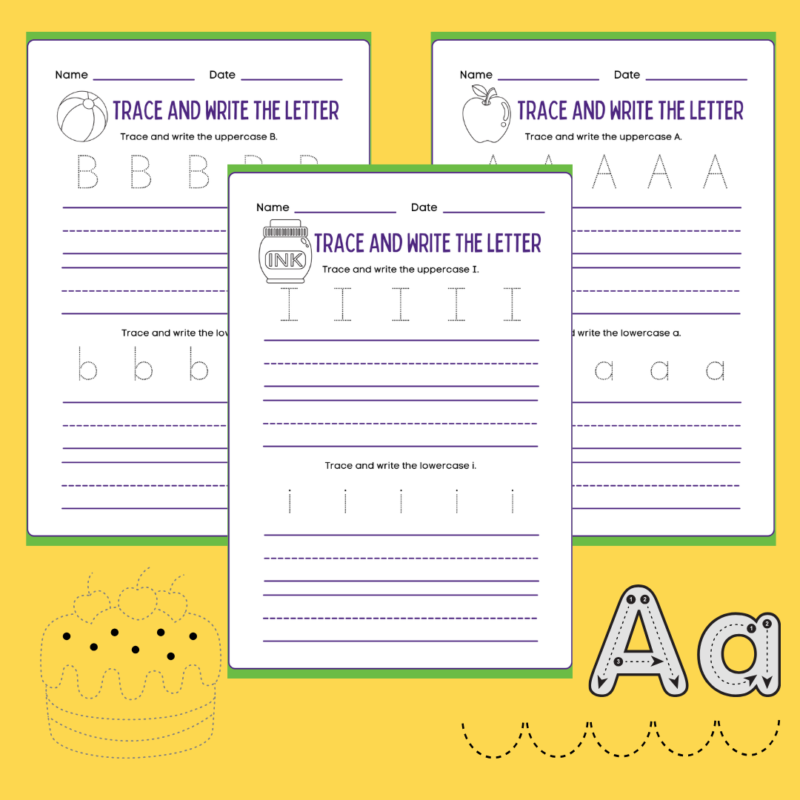
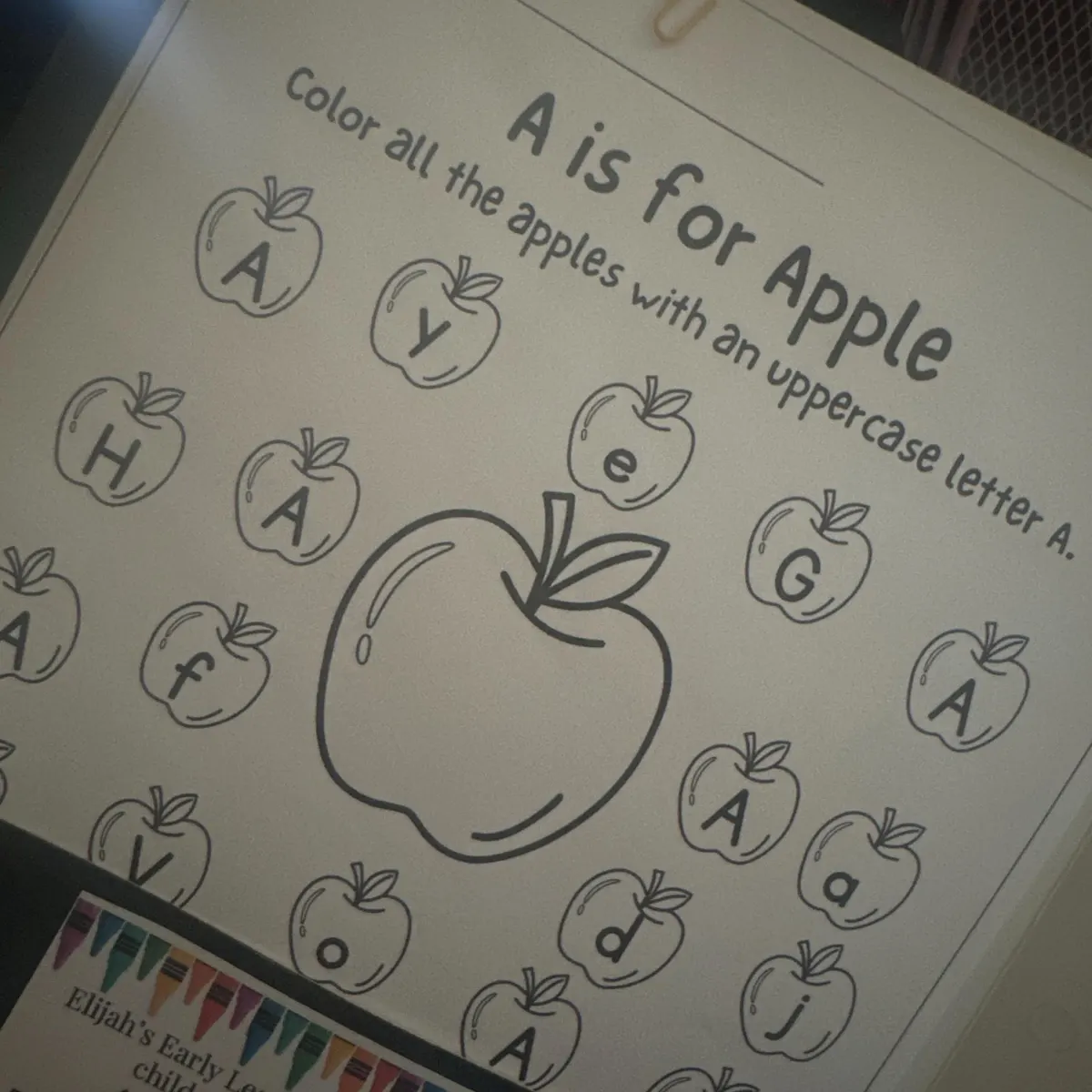
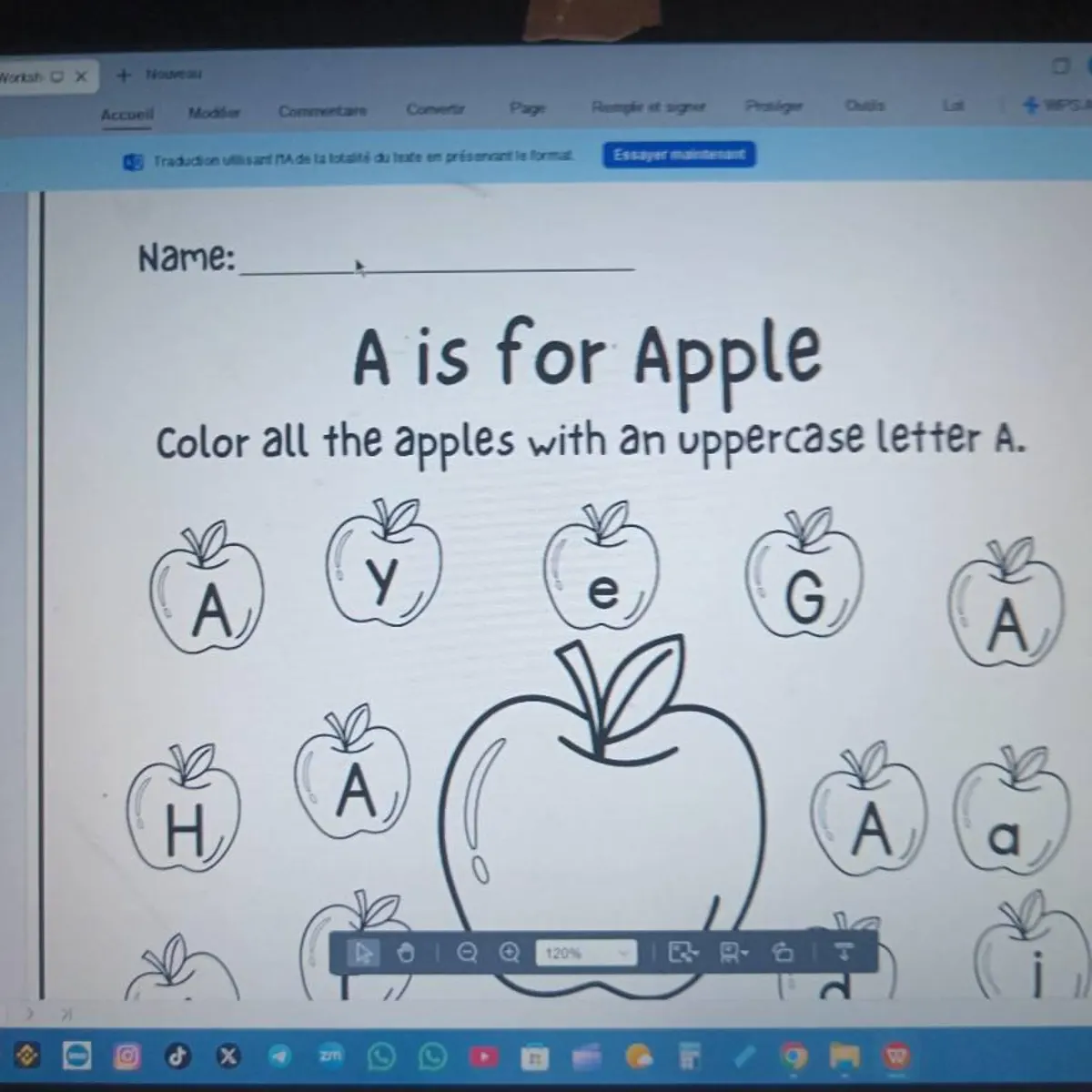
Toddlers learn literacy through conversation, songs, books, and play. Binder pages can reinforce those moments with picture matching, beginning sound games, alphabet recognition, and name activities. Start with letters that are meaningful, especially the first letter of your child’s name.
Avoid expecting toddlers to trace every letter of the alphabet right away. Some children enjoy it, while others need more time with simple strokes and letter recognition. A page with three familiar letters is often more successful than a crowded page with all 26.
Early Math Skills
Early math is much more than reciting numbers. Toddlers begin by noticing differences: big and small, more and less, same and different. Sorting colors, matching shapes, completing simple patterns, and counting small groups all build number sense.
Choose activities with clear visuals and a small number of objects. Counting one through three may be the right starting point for a young toddler, while an older child might count to 10 and match numerals to groups of pictures. Real objects can help when printable practice feels abstract. Count snack crackers, toy cars, or steps on the stairs, then return to the binder later.
Everyday Thinking Skills
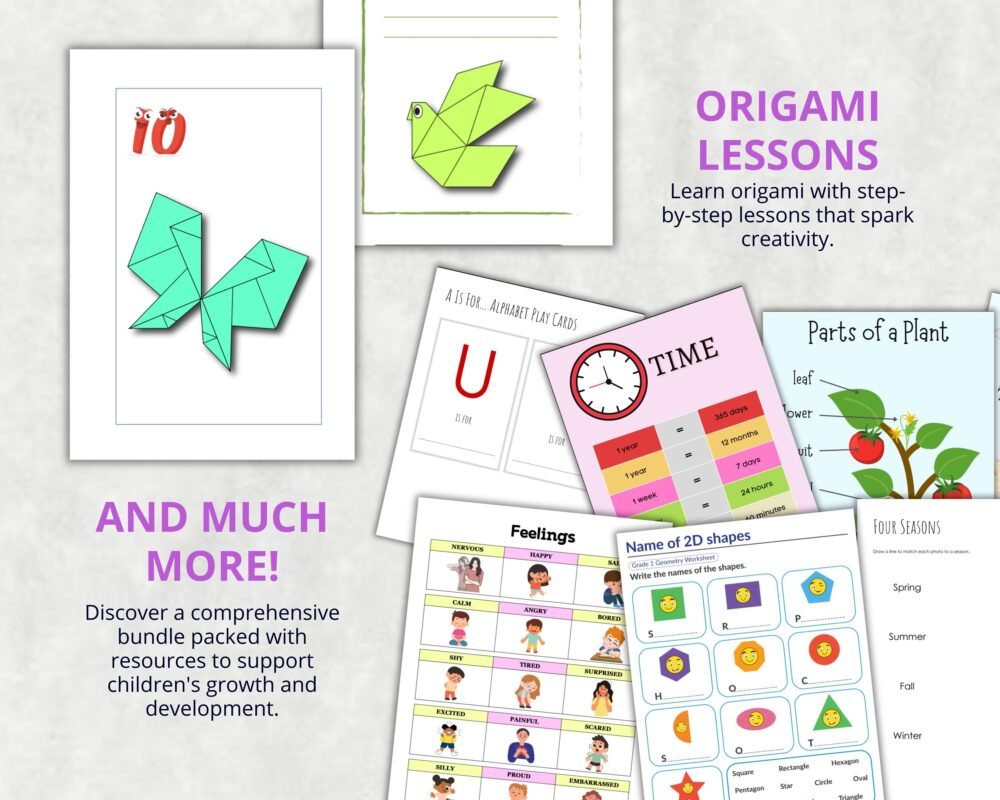
A binder can also support vocabulary, observation, and problem-solving. Try pages that ask children to match animals to their homes, identify things used at bedtime, sort foods and toys, or find what is different in two pictures. These activities create natural opportunities for conversation.
Rather than asking only, “What is it?” extend the learning with, “What color is it?” “Where do you see one like that?” or “What sound does it make?” A child’s answer does not need to be complete or perfectly clear to be meaningful practice.
How to Put Together a Binder Without Overcomplicating It
Begin with a sturdy one-inch binder, page protectors, and a dry-erase marker or crayons. Print just six to 10 activity pages for your first version. This is enough variety to feel fresh without creating a project that takes all afternoon to assemble.
Organize pages in a simple order: an easy warm-up, one or two matching or sorting activities, a tracing page, and a favorite game or coloring page. Children often enjoy knowing that a preferred activity is waiting near the end. If you use loose matching pieces, store them in a labeled envelope or zip pouch inside the binder.
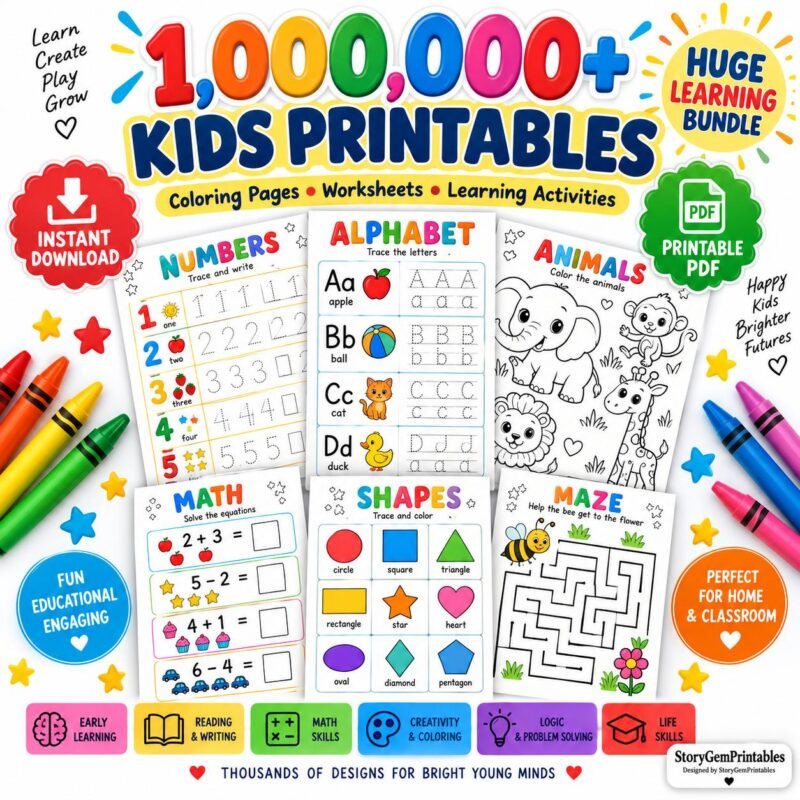
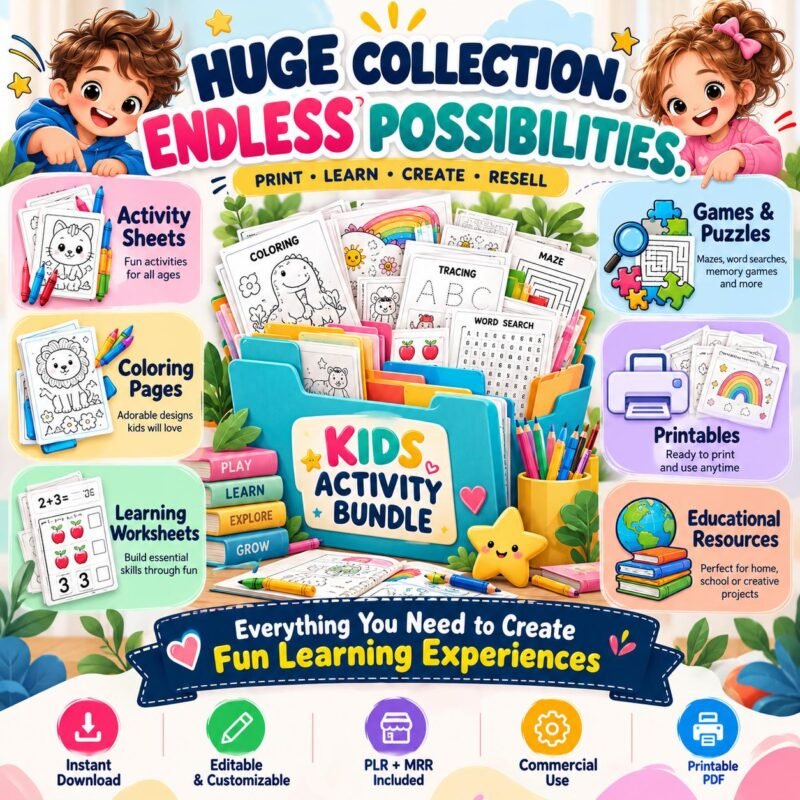
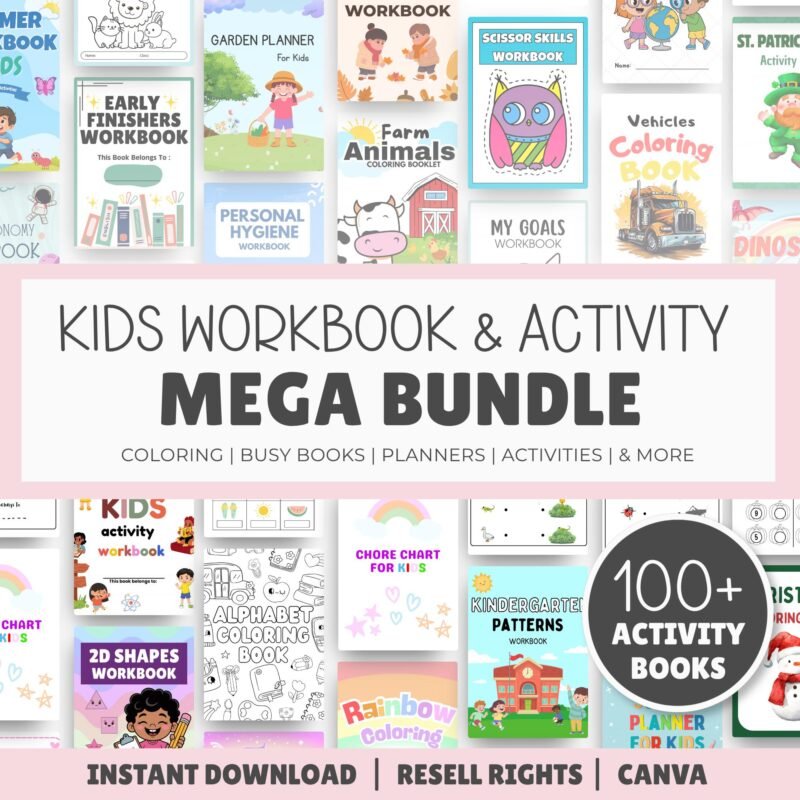
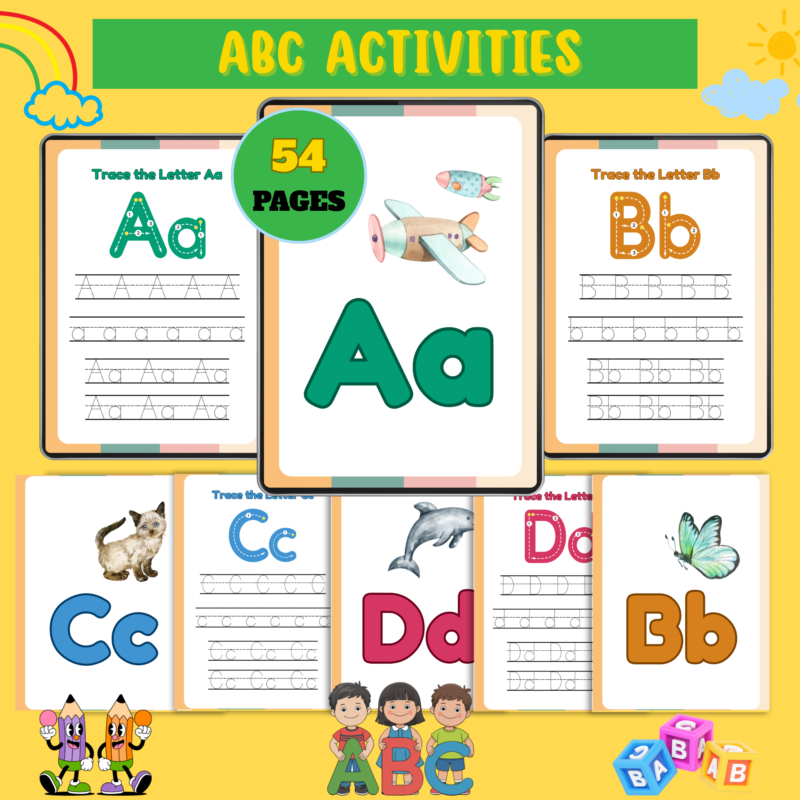
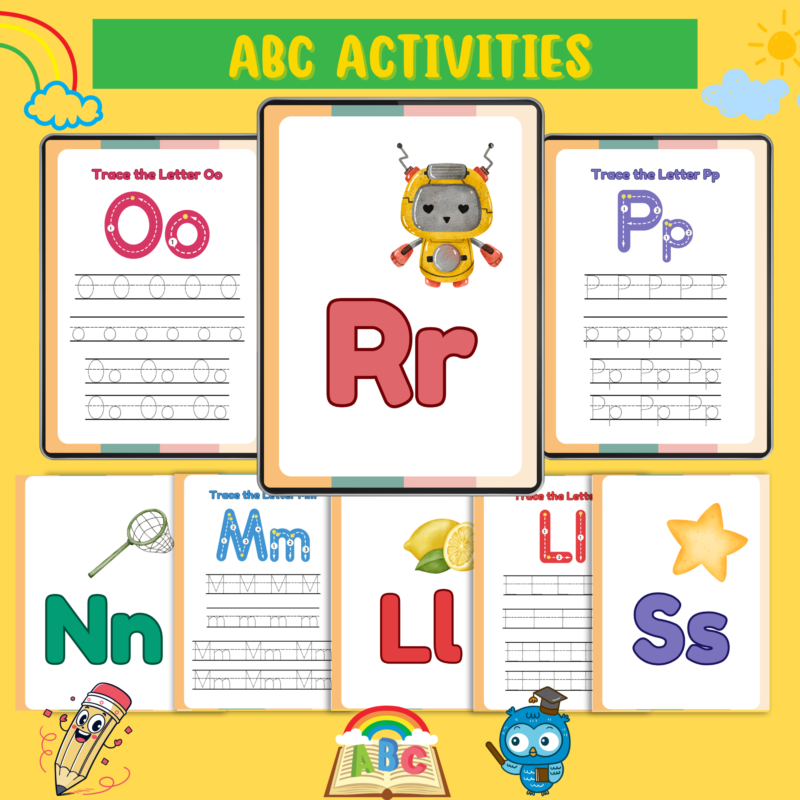
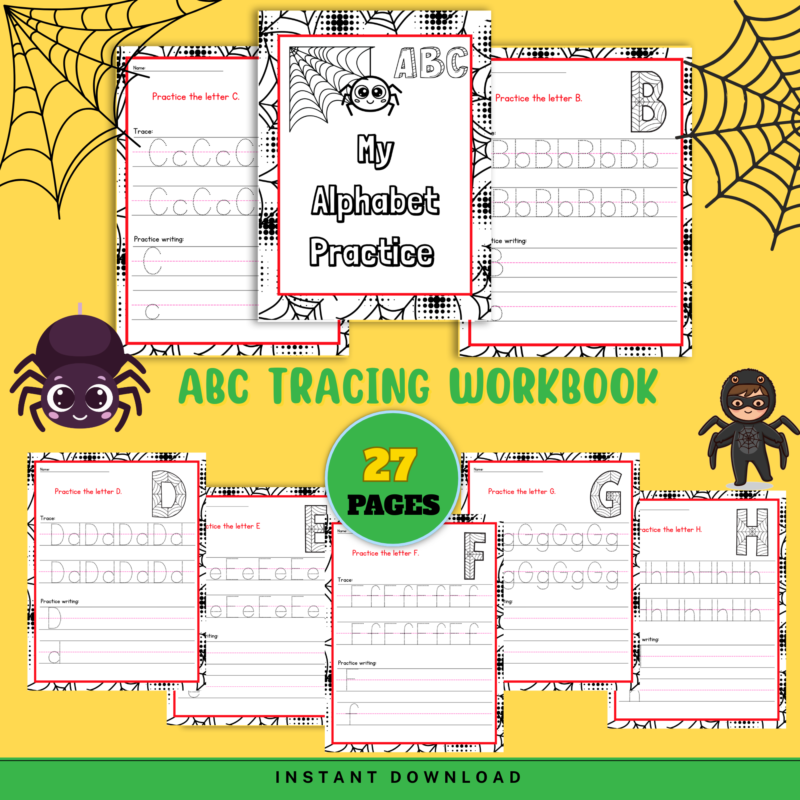
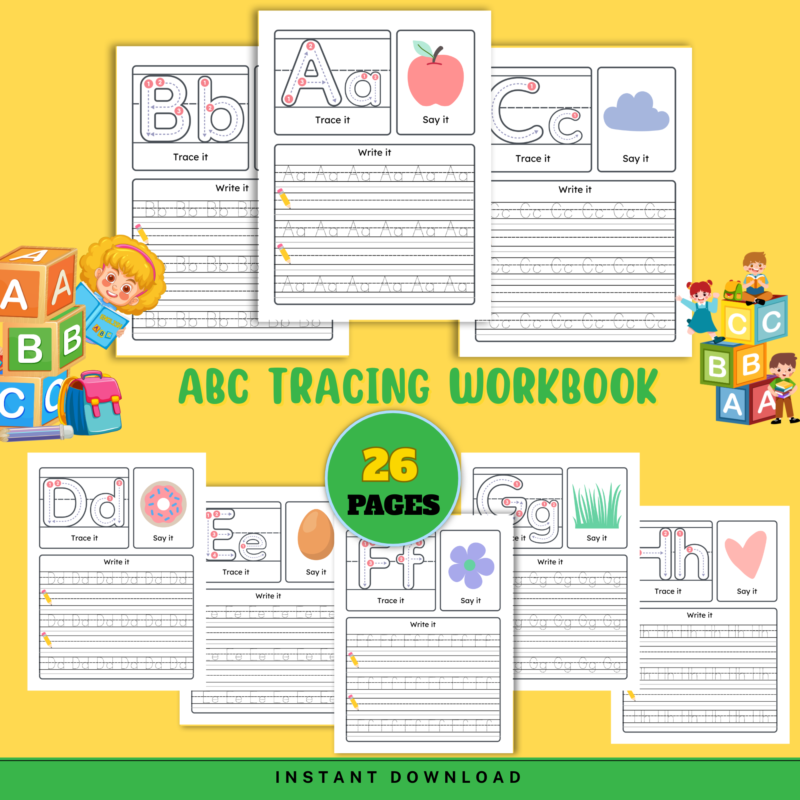
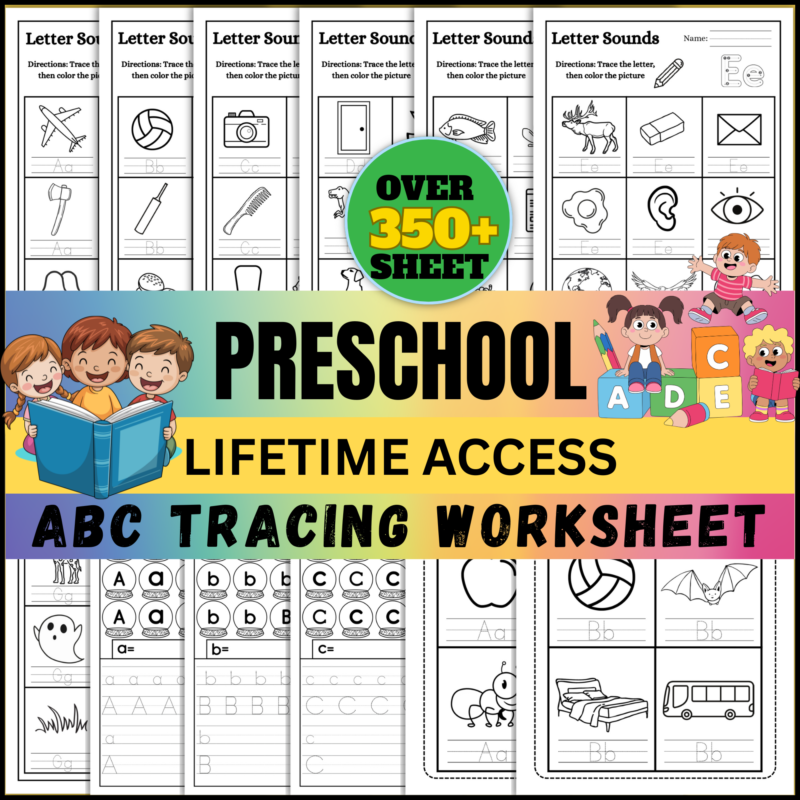
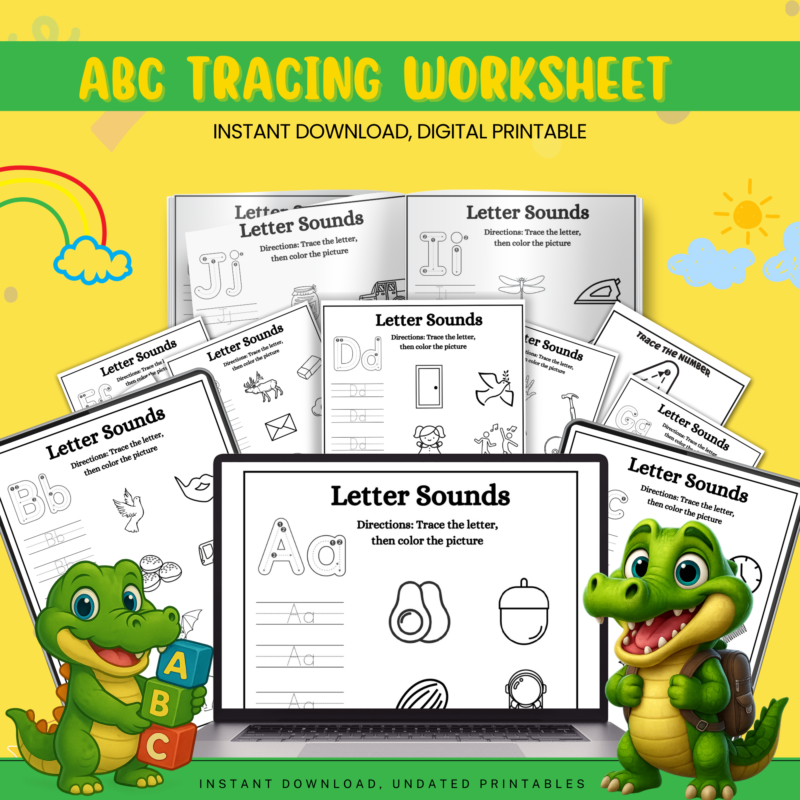
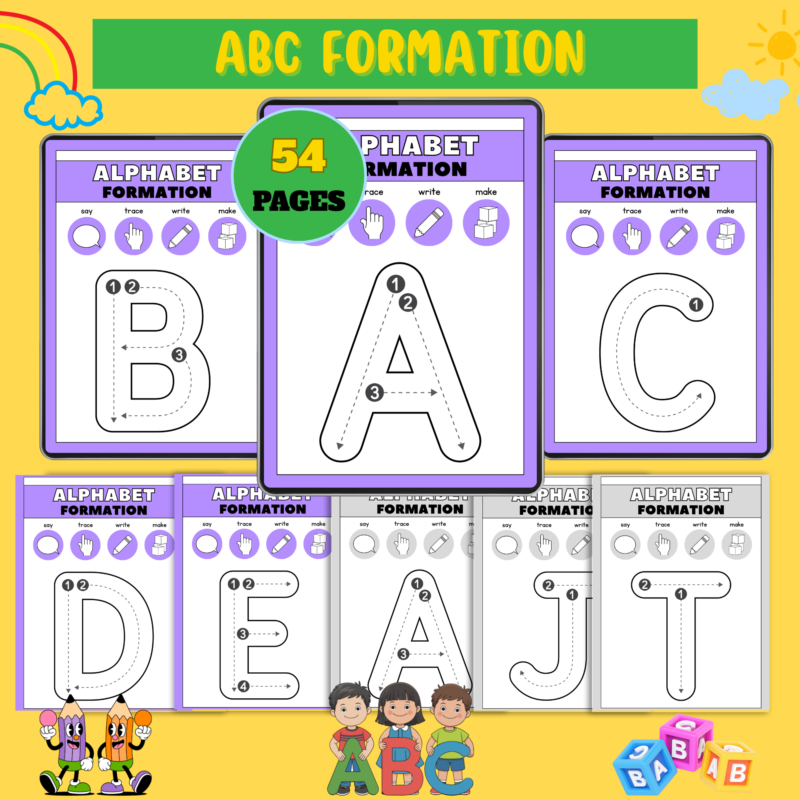
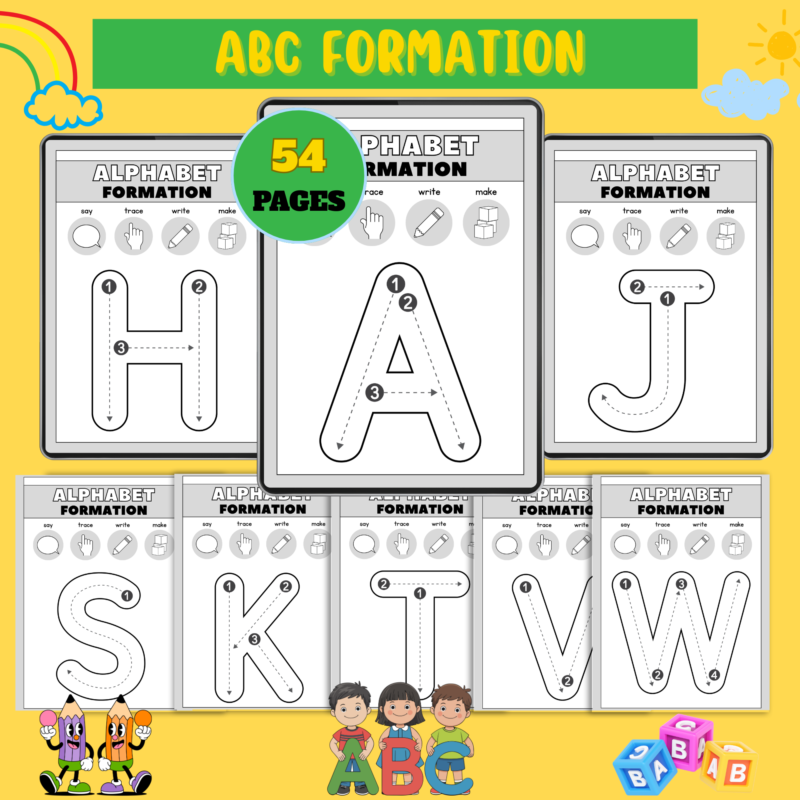
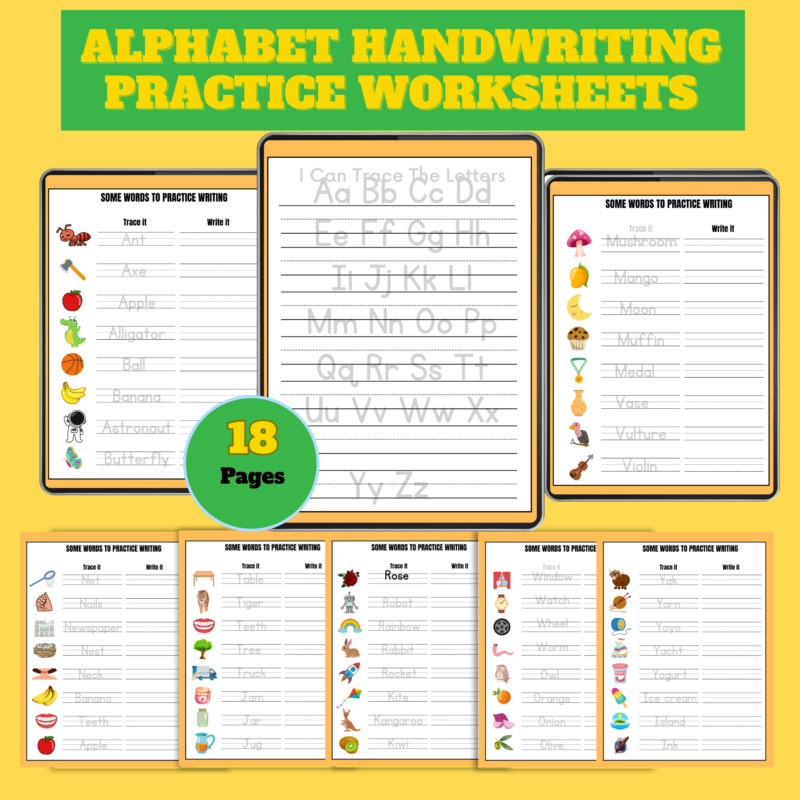
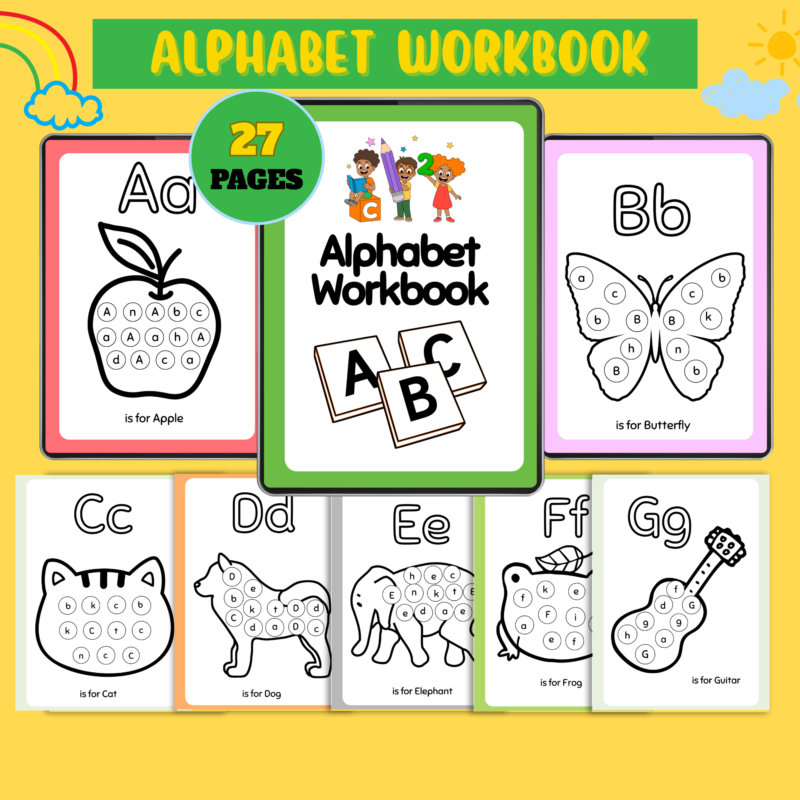
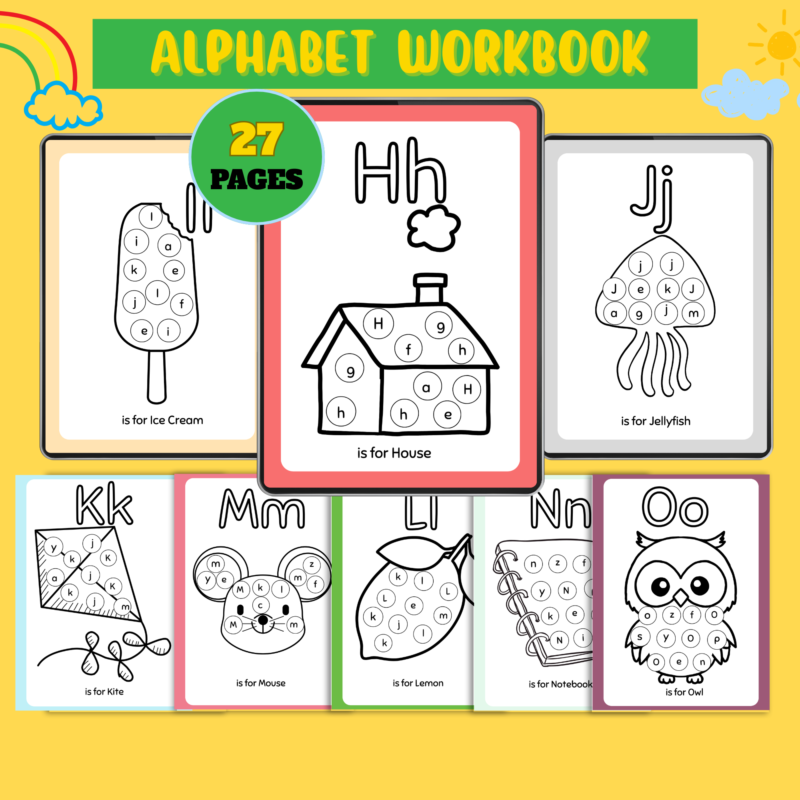
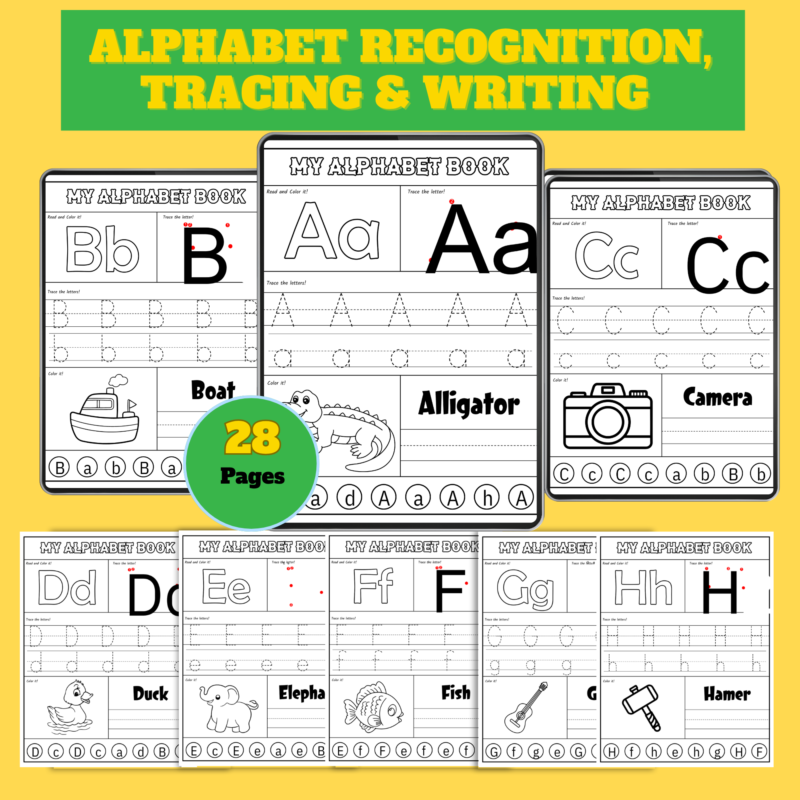
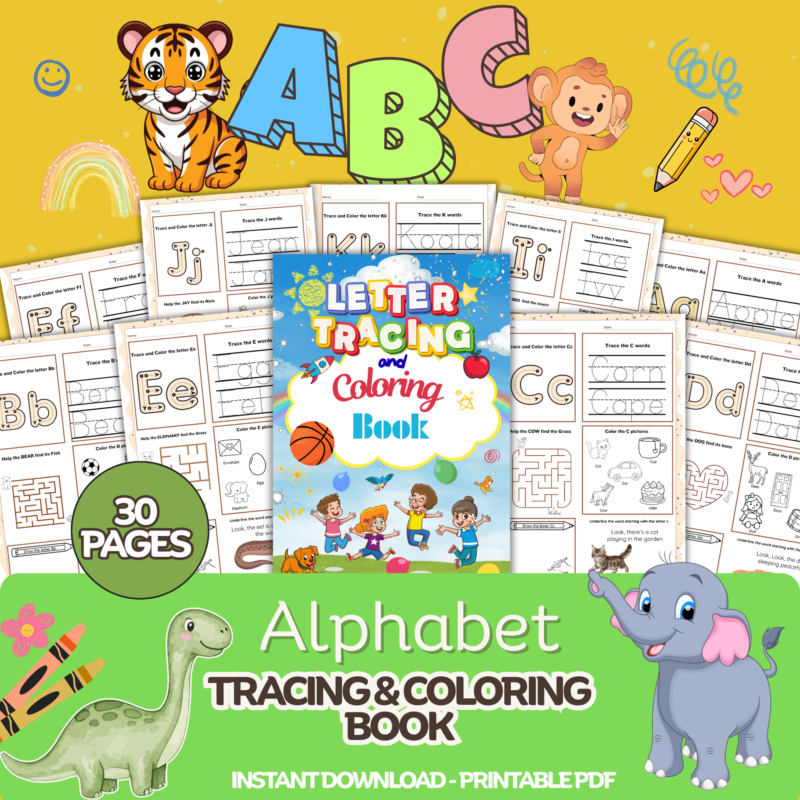
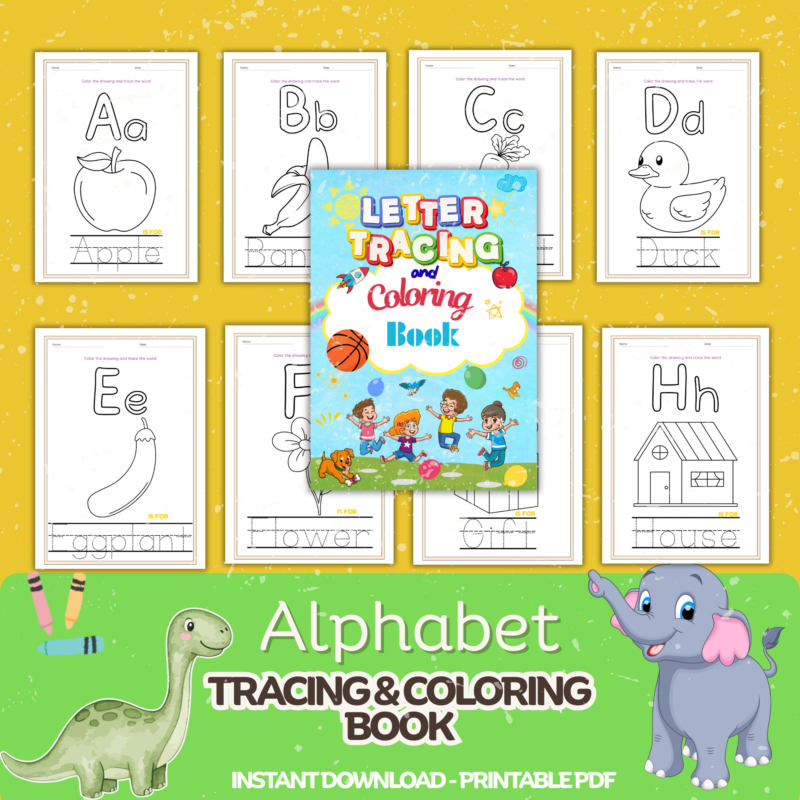
Printable PDF activities are especially helpful because you can choose pages by skill and print replacements whenever you need them. Fun Clever Fox printable learning resources can help you build pages around alphabet practice, counting, fine motor work, colors, and other preschool-ready skills without designing materials from scratch.
Do not feel pressured to laminate every page. Sheet protectors work well for dry-erase activities and make it easy to swap pages later. If your toddler still mouths materials or rips paper, skip small pieces and supervise closely. Safety and ease of use always come before a picture-perfect setup.
Make Binder Time Feel Like Play, Not Pressure
Keep sessions short. Five to 10 minutes is plenty for many toddlers, especially at the beginning. End while your child is still interested instead of pushing through until they are tired. This helps binder time stay associated with success.
Offer choices whenever possible. You might ask, “Do you want the animal matching page or the number page first?” Giving a toddler two acceptable options supports independence without turning the activity into a negotiation. If they choose to repeat the same page three times, that is useful information. Repetition is one way young children learn.
Sit nearby and participate lightly. Some children want help naming pictures or holding a page steady; others want to work alone while you cheer them on. Follow their lead. Correcting every small mistake can take the fun out of practice, while a warm comment can keep them trying.
It also helps to rotate pages every week or two. Keep favorite activities, but tuck away pages that have become too easy or are no longer interesting. When you bring an older page back later, it can feel new again and give your child a chance to notice their own progress.
Signs It Is Time to Add a Challenge
Add a little more challenge when your toddler completes an activity easily, asks for harder pages, or begins explaining their thinking aloud. Move from matching identical pictures to matching related pictures, from counting two objects to counting five, or from tracing straight lines to tracing curves and simple shapes.
A challenge should still leave room for success. If your child starts avoiding the binder, scribbling in frustration, or asking to stop immediately, simplify the activity. Learning is not always neat, but it should feel safe, encouraging, and possible.
Start with a few pages your child can enjoy today. As tiny hands trace, match, count, and color, the binder becomes more than a quiet-time activity – it becomes a cheerful little record of growing confidence.