A child who can name every letter may still struggle to write one. That is not a sign they are behind. Holding a pencil, making controlled marks, cutting along a line, and coloring in a small space all require hand strength and coordination that develop through practice. The best fine motor printables give children that practice in a way that feels manageable, playful, and worth doing again.
For busy parents, teachers, and homeschool families, printable activities are an easy way to add purposeful, screen-free skill building to the day. A few minutes of tracing, coloring, or cutting can support the little muscles and movements children will use for handwriting, drawing, buttoning, and other everyday tasks.
What Fine Motor Skills Help Children Do
Fine motor skills are the small, precise movements made with the hands, fingers, and wrists. Young children use them when they pick up a crayon, turn a page, zip a coat, stack small objects, use scissors, or build with blocks.
On paper, these skills show up in simple but meaningful ways. A preschooler may begin by making broad scribbles and straight lines. With time, they learn to trace paths, copy shapes, color with more control, and form letters or numbers. Kindergarteners often need continued practice with pencil pressure, directionality, spacing, and stamina as writing demands grow.
Printables work best when they focus on one or two movements at a time. A page crowded with tiny tasks may look educational, but it can frustrate a child whose hands are still learning the basics. Clear directions, friendly images, and enough open space help children focus on the skill instead of feeling overwhelmed.
The Best Fine Motor Printables Build Skills Step by Step
Not every worksheet labeled “fine motor” will be right for every child. The most useful pages meet children where they are and gently increase the challenge. Look for activities that make practice feel like a game while still offering repetition.
Prewriting Line and Shape Tracing
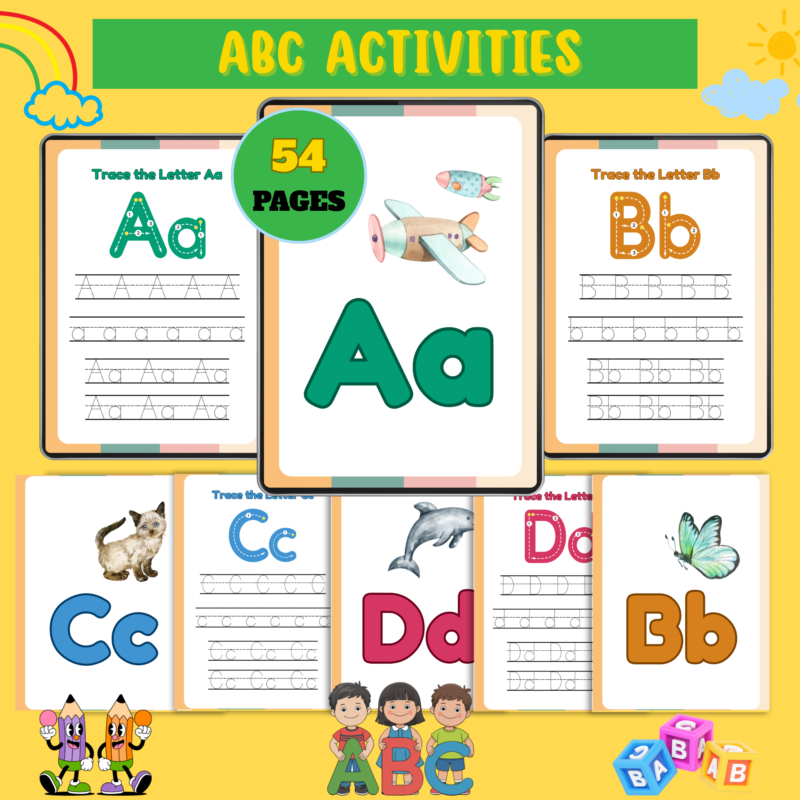
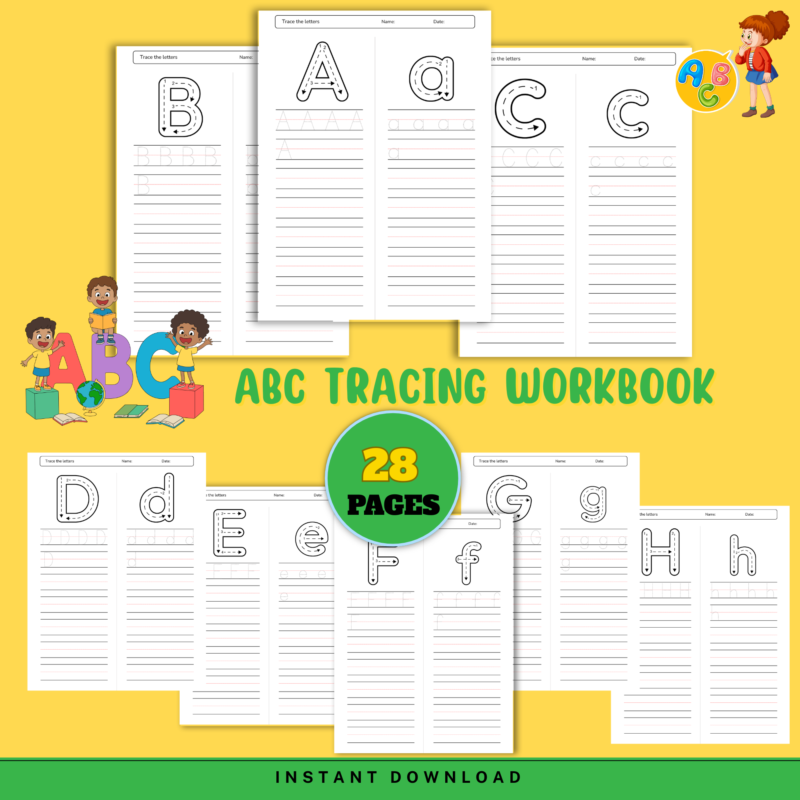
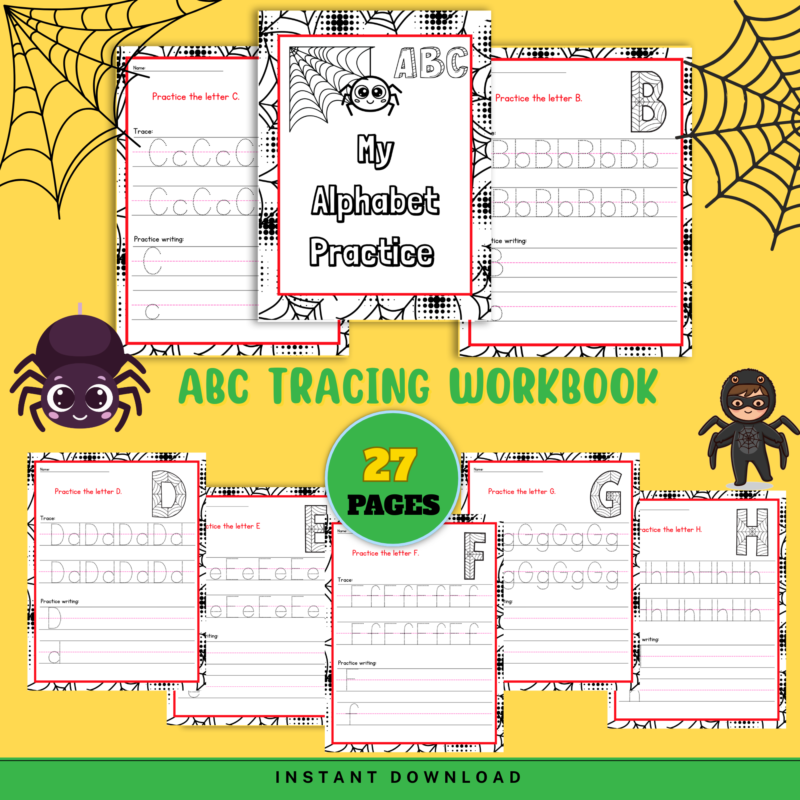
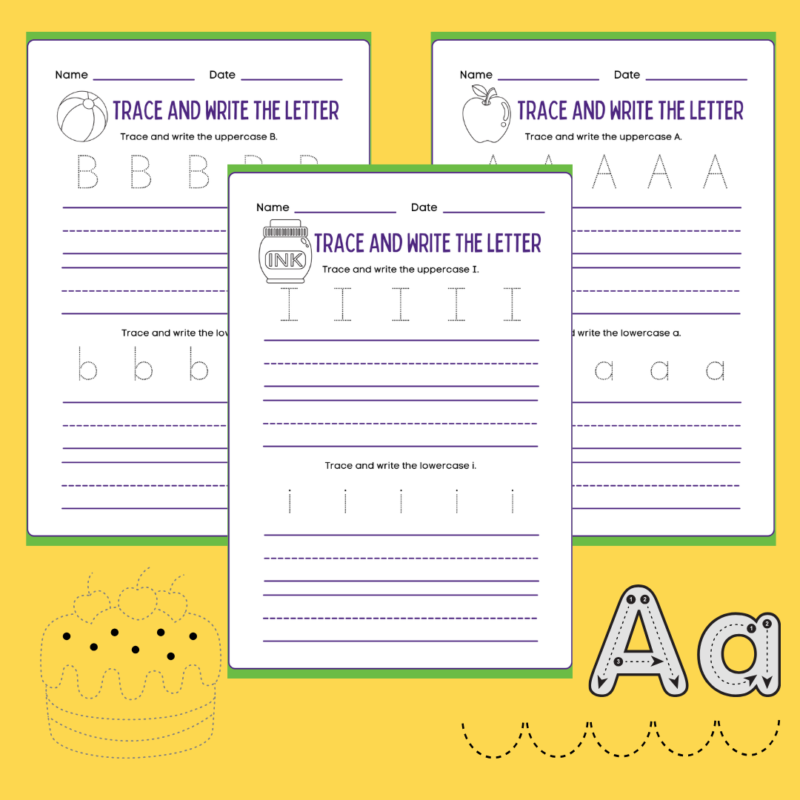
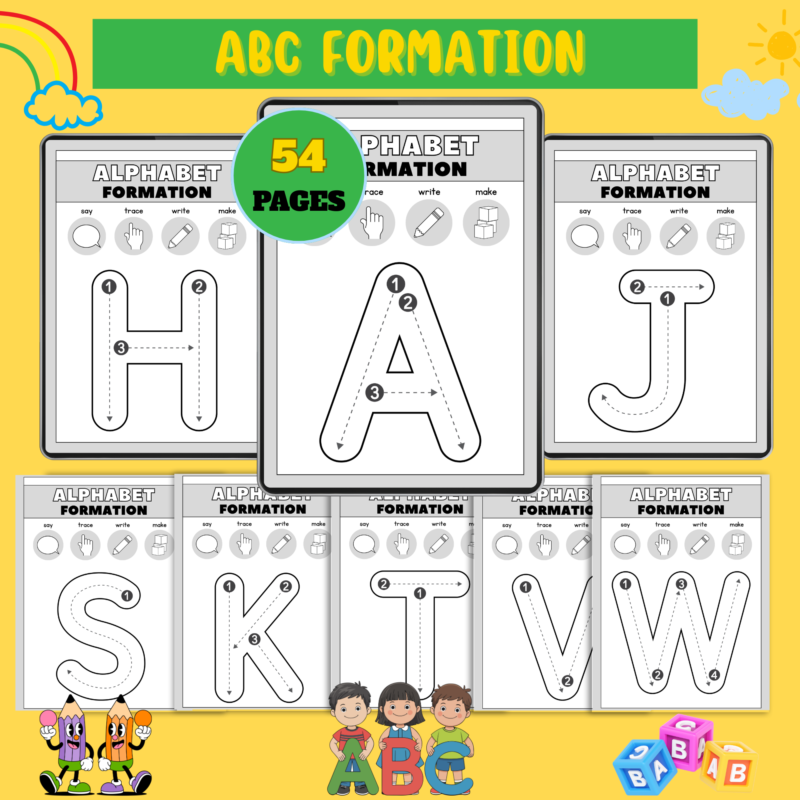
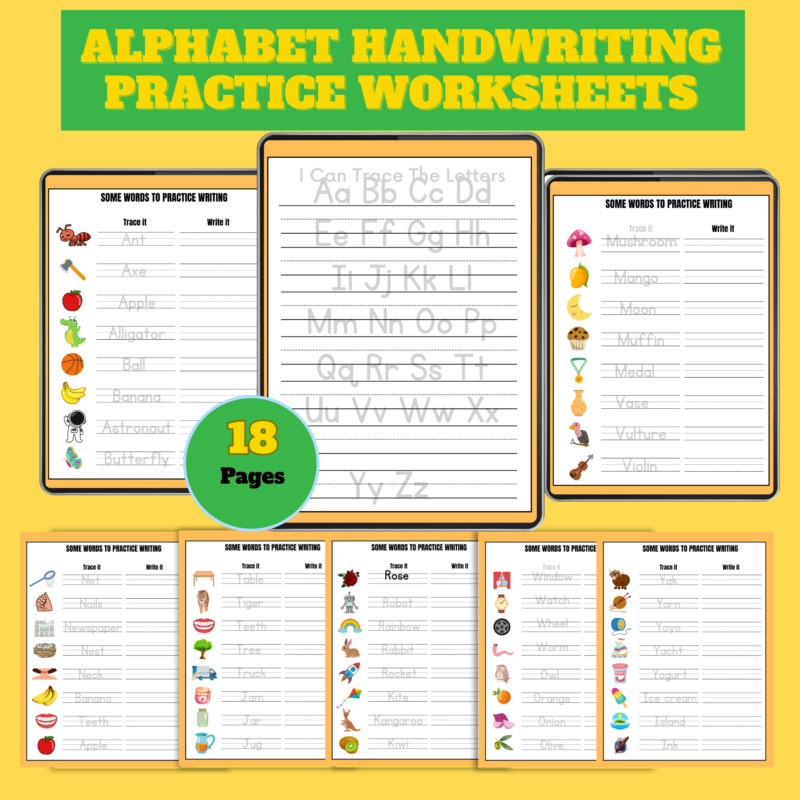
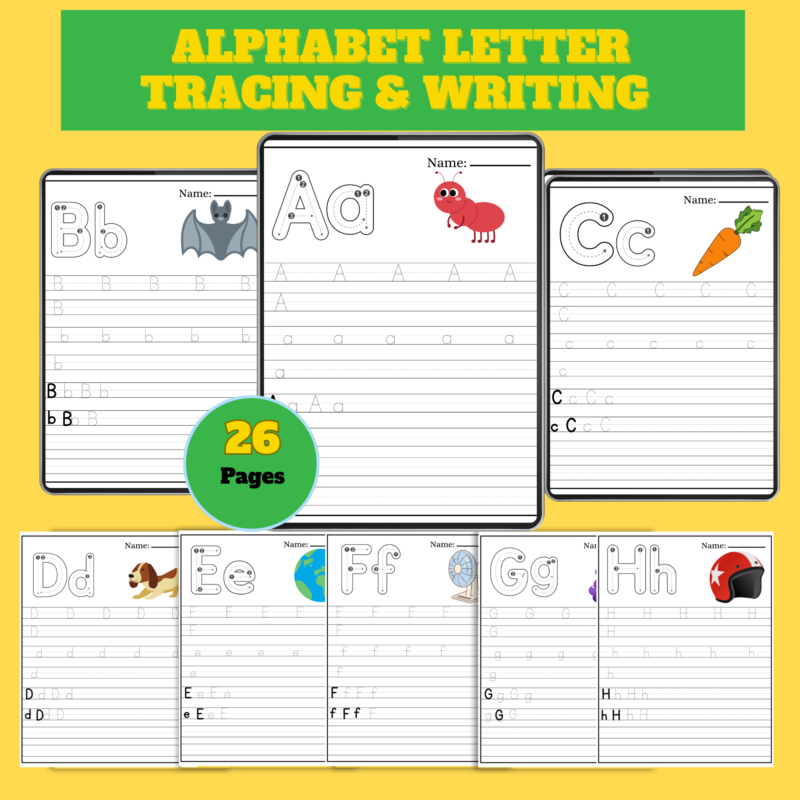
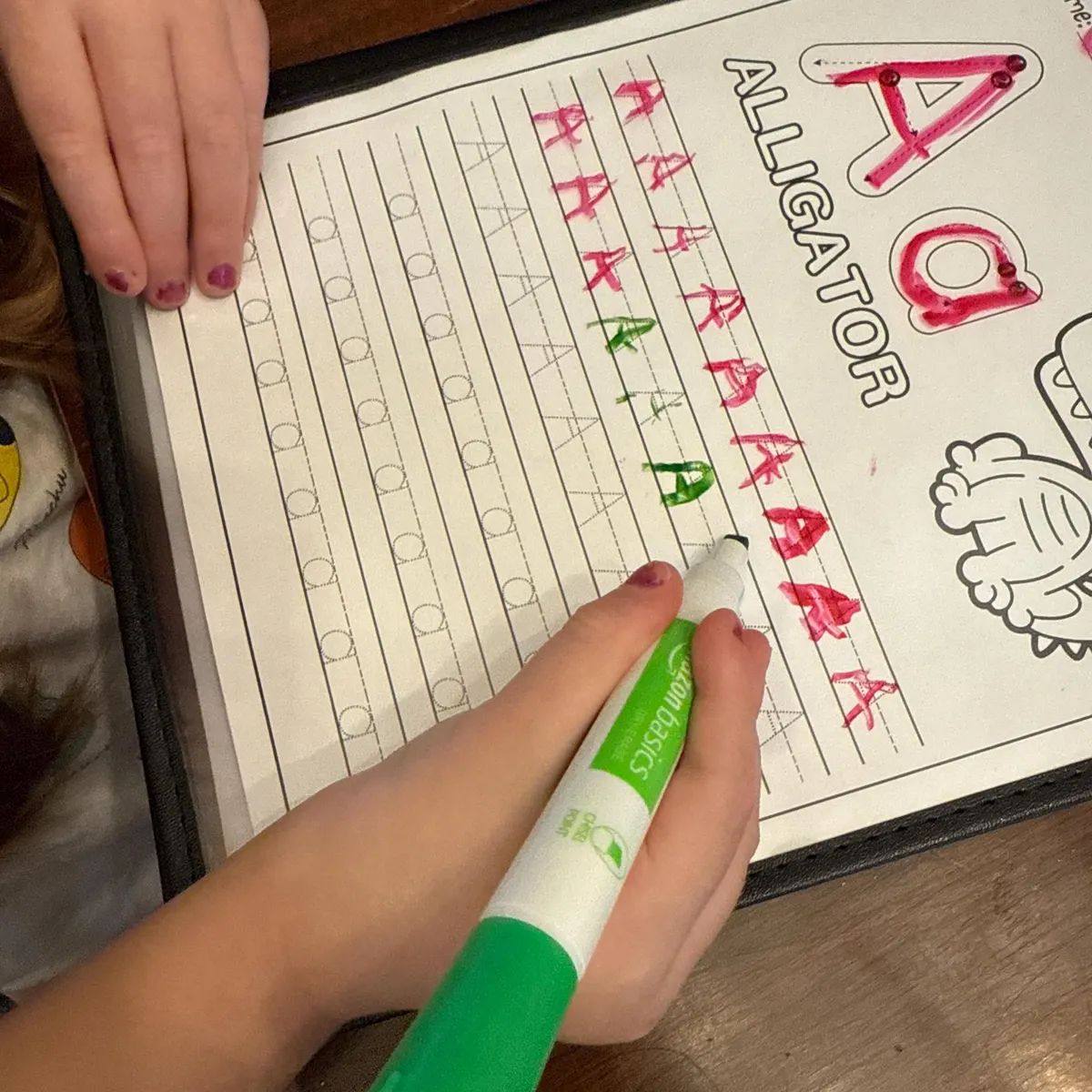
Tracing is often the starting point for pencil control. Before children write letters, they need practice moving a pencil left to right, up and down, around curves, and through changes of direction. Straight lines, zigzags, loops, waves, and simple paths build those foundations.
For beginners, choose wide tracing lines and short paths. As control improves, introduce narrower lines, mixed patterns, and shapes such as circles, squares, triangles, and hearts. Encourage children to trace slowly rather than rushing to finish. Careful movement matters more than completing every row.
A child who dislikes tracing with a pencil may enjoy starting with a crayon, washable marker, or colored pencil. The tool is less important than the practice. Short, positive sessions help a child stay relaxed and willing to try again.
Coloring Pages With Purpose
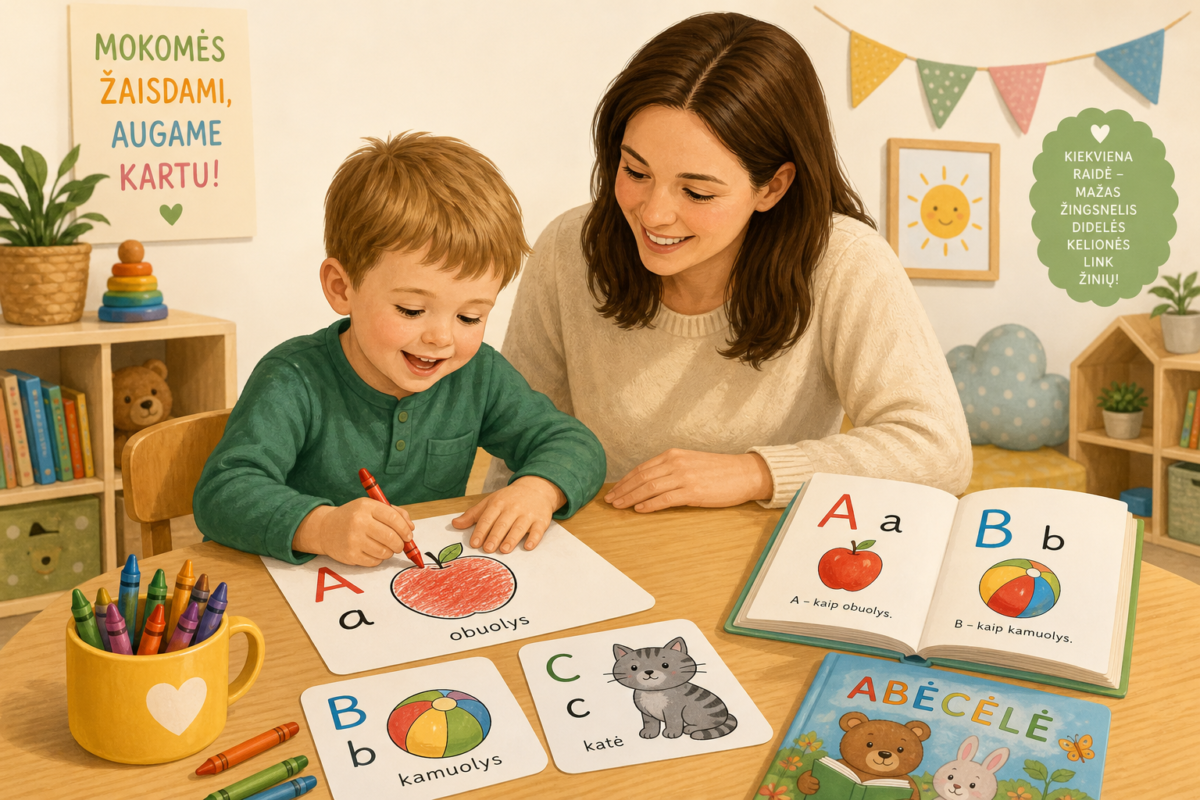
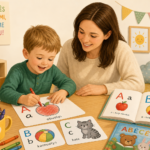
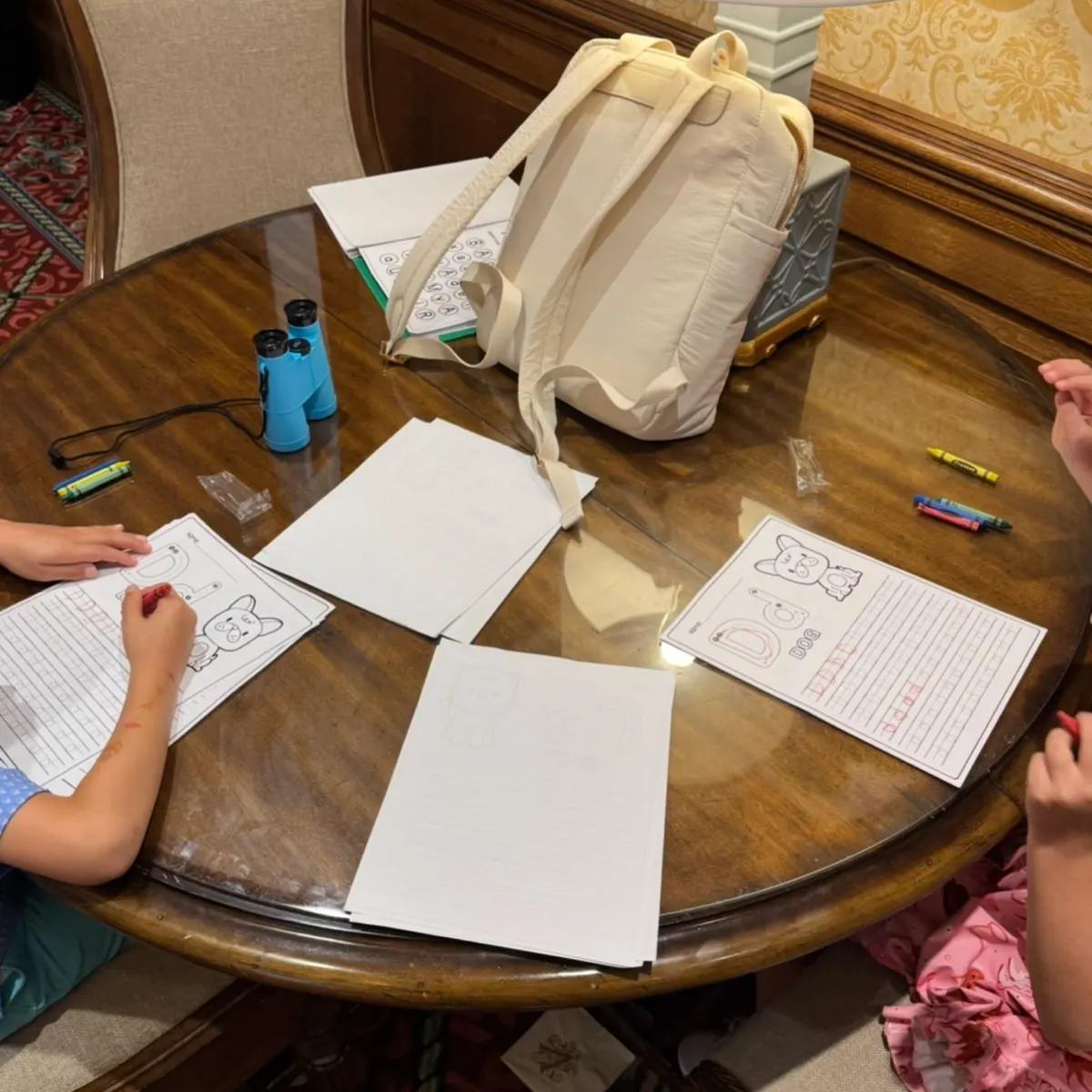
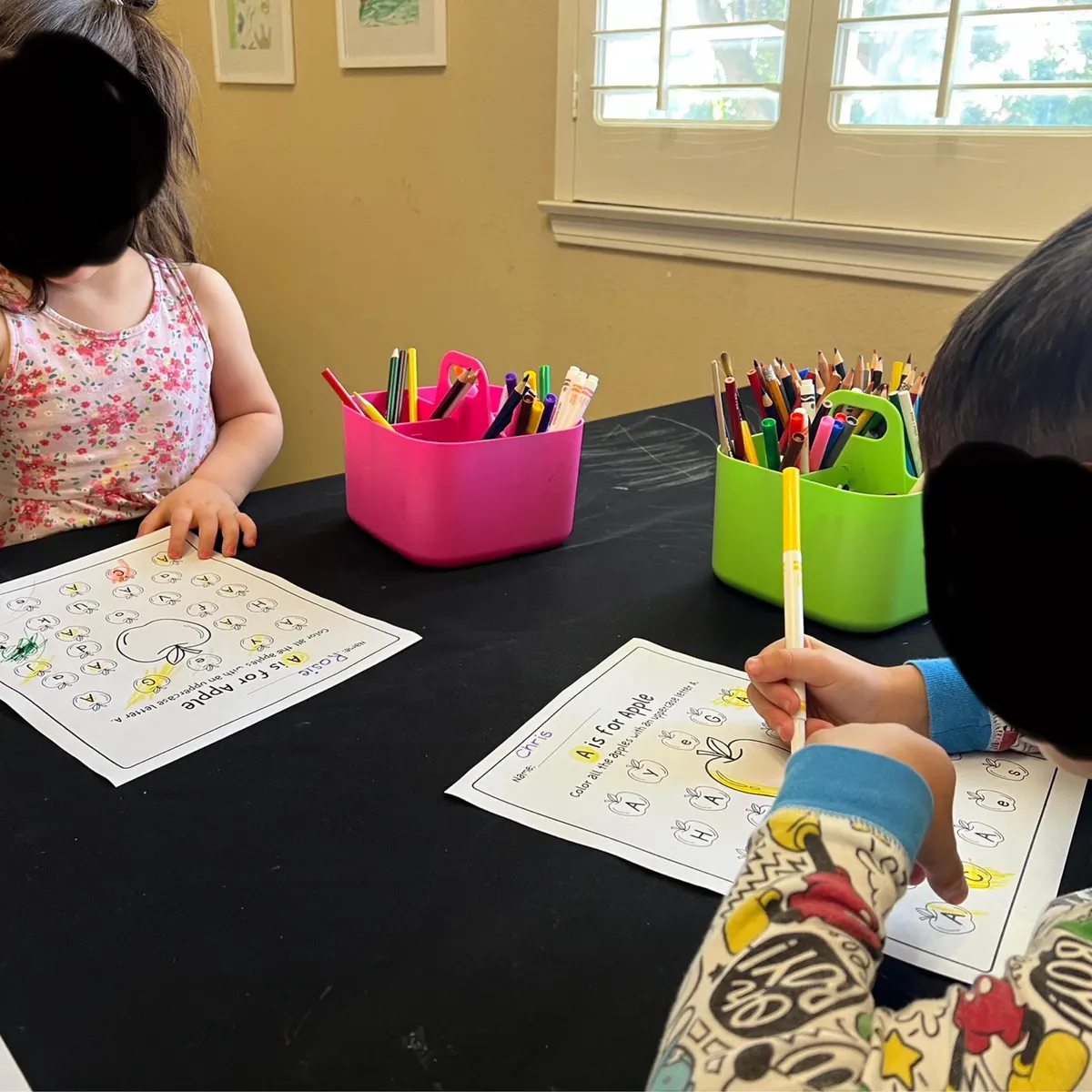
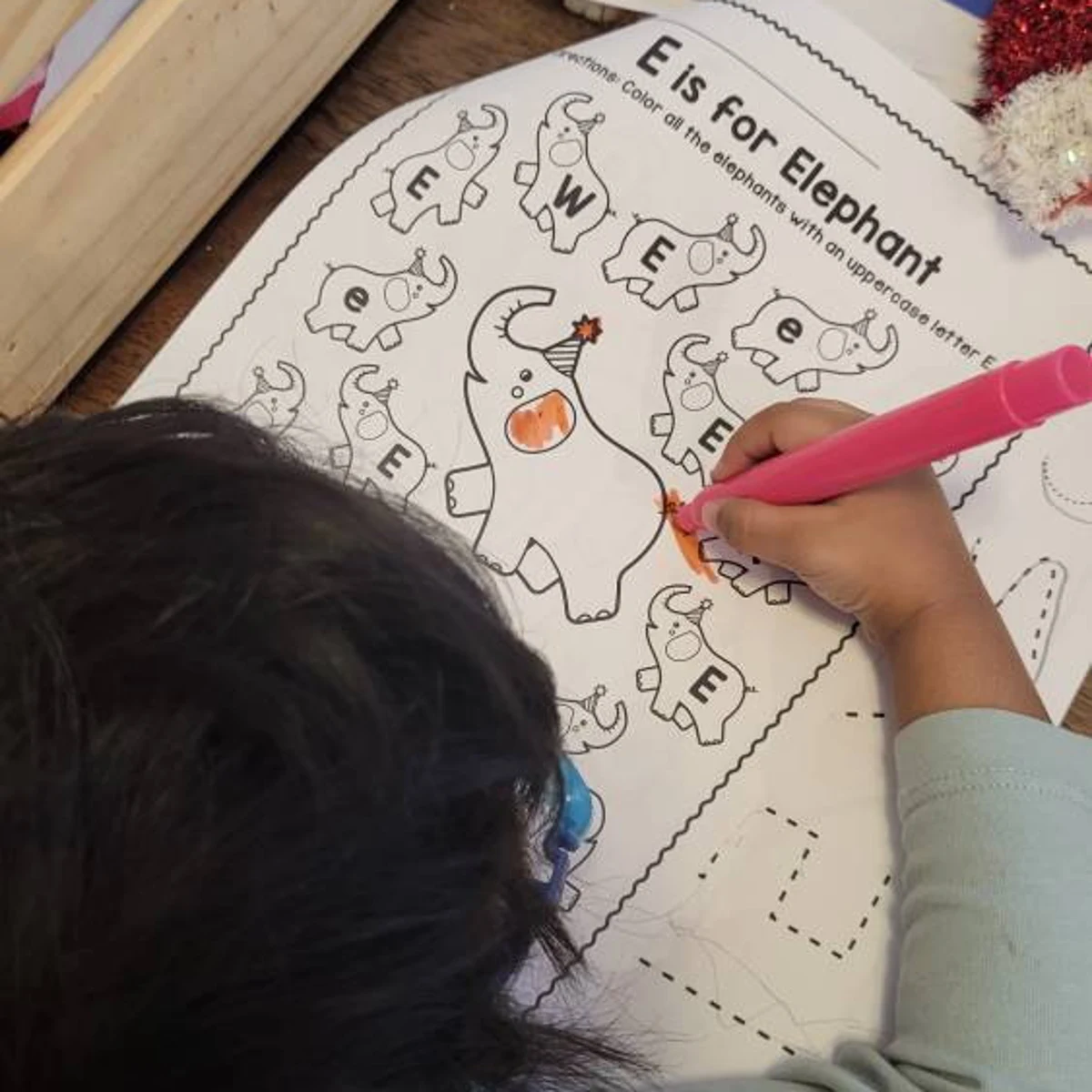
Coloring does more than keep little hands busy. It gives children repeated opportunities to hold a writing tool, adjust their grip, use both hands together, and work within a boundary. Pages with large, simple pictures are especially helpful for younger preschoolers.
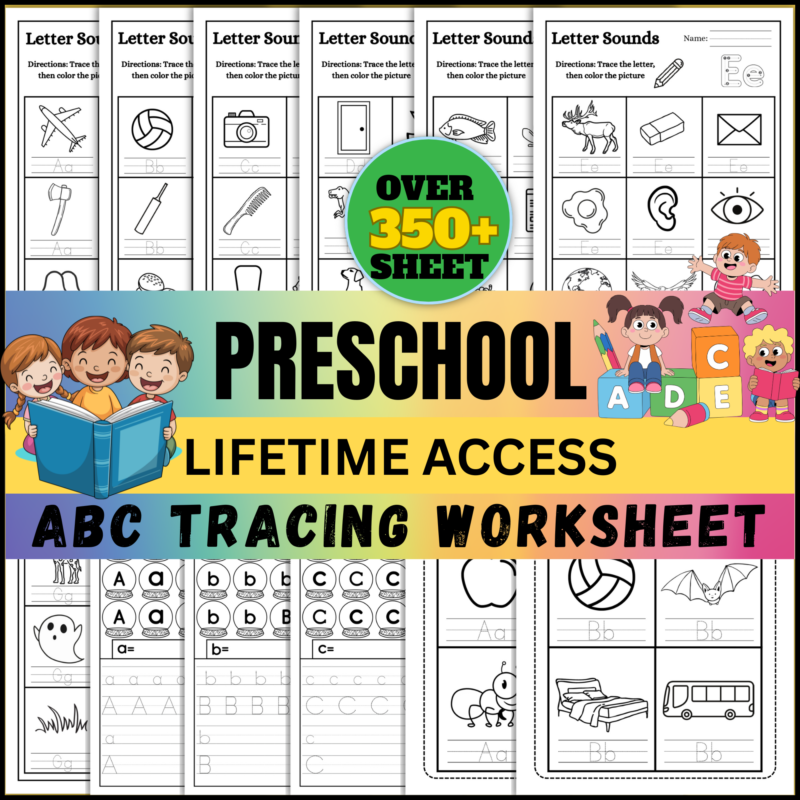
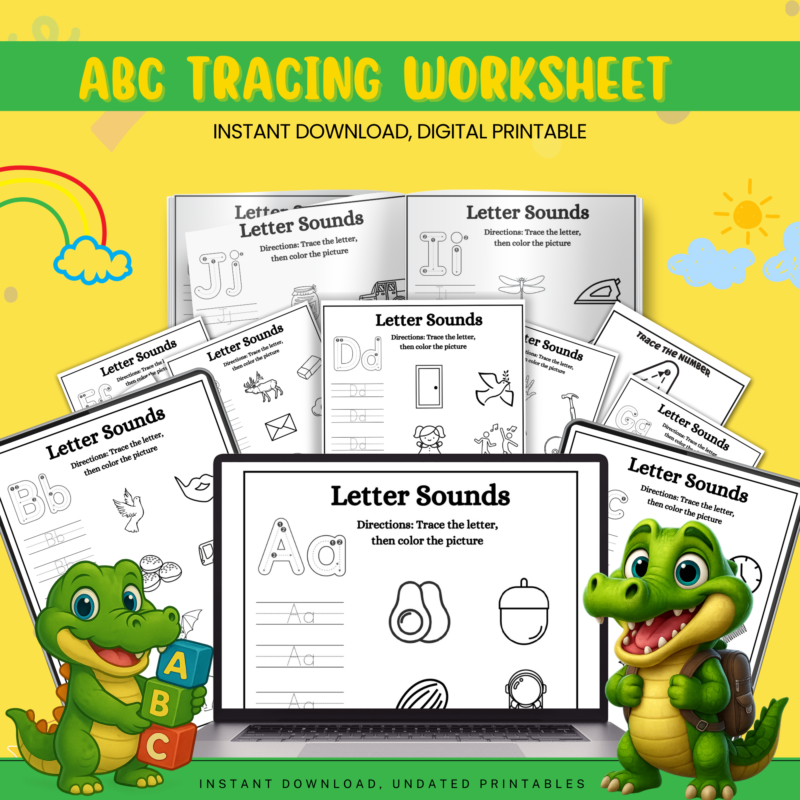
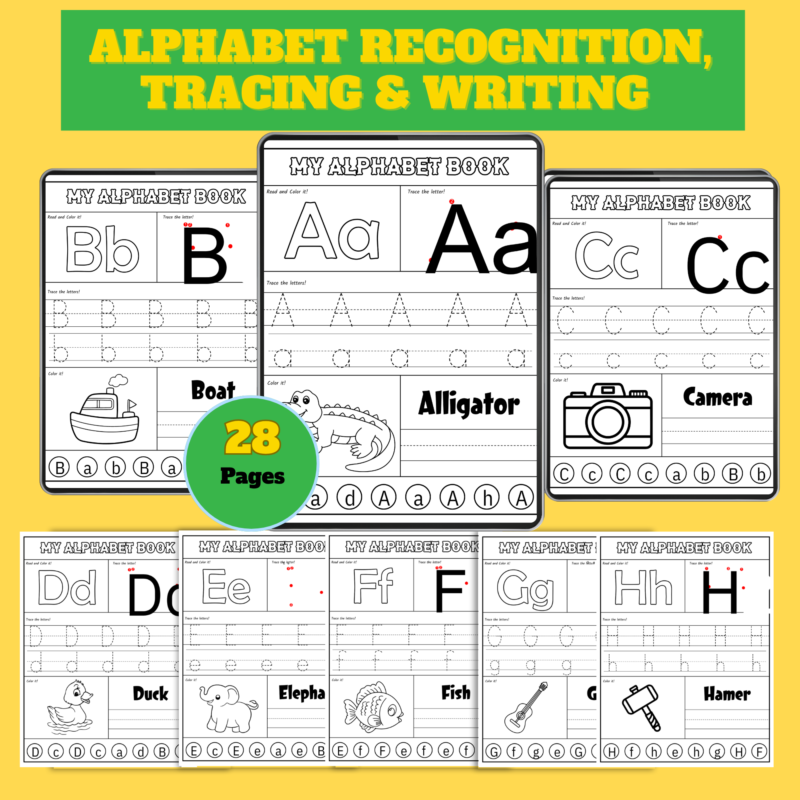
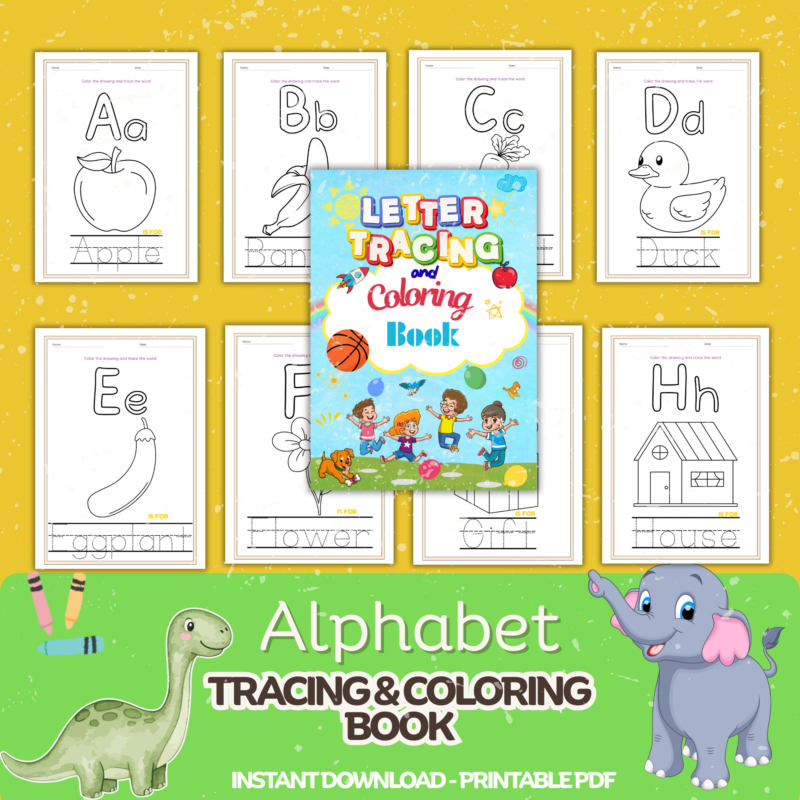
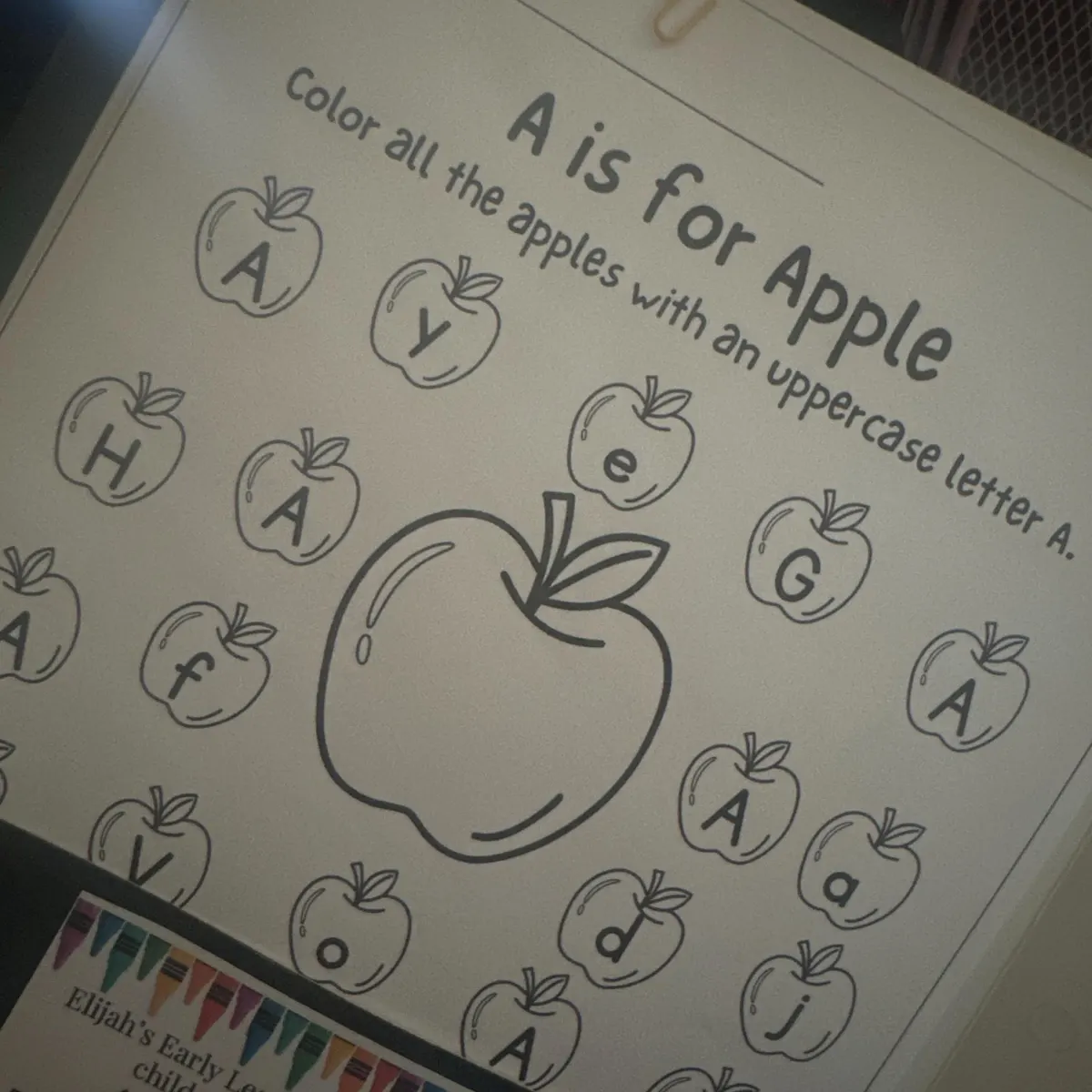
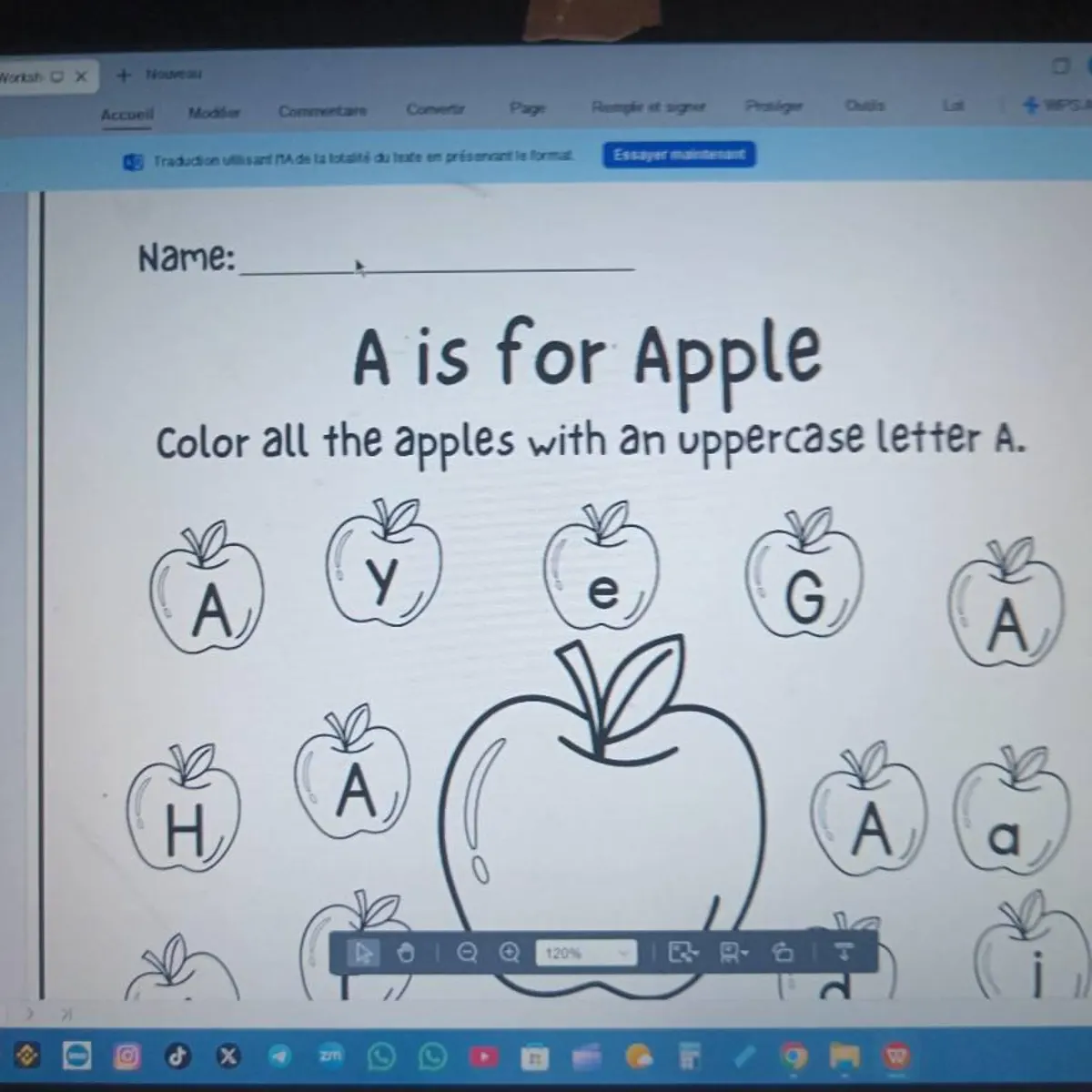
For older preschoolers and kindergarteners, coloring activities can include letters, numbers, beginning sounds, seasonal pictures, or simple math prompts. This adds learning without turning the activity into a long lesson. A child can color the pictures that begin with a chosen sound or color a number of objects to match a numeral.
Try not to correct every mark outside the lines. Children need room to experiment. Instead, notice progress: “You used so many colors,” or “You worked carefully on that small part.” Confidence makes practice more effective.
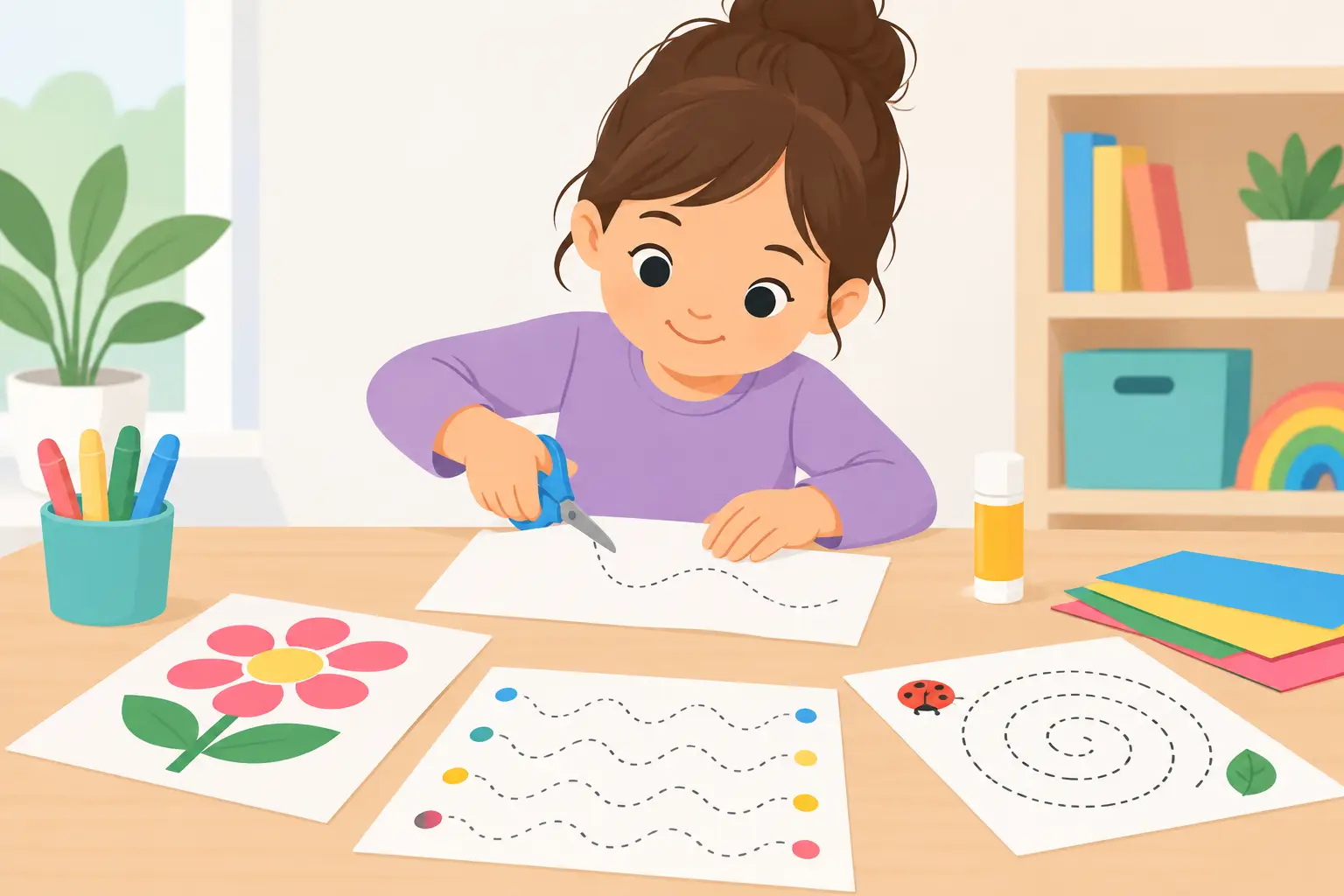
Cutting strengthens hand muscles and teaches children to coordinate both hands. One hand opens and closes the scissors while the other holds and turns the paper. That teamwork takes time to learn.
Scissor printables should begin with short, thick straight lines. Once a child can make snips and cut across a strip, they can move to curved lines, zigzags, and simple shapes. Pictures that become a puzzle, puppet, matching game, or craft after cutting give the task a satisfying purpose.
Use child-safe scissors, and stay nearby when a child is still learning. If cutting feels too difficult, offer strips of paper for snipping first. There is no need to move to detailed cutting pages until the child can manage the basics comfortably.
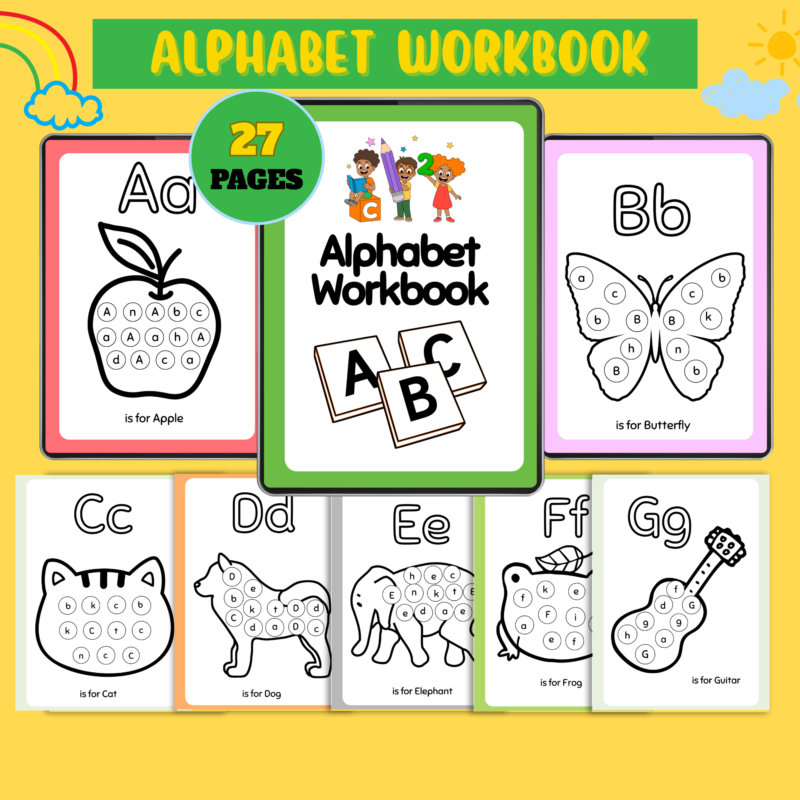
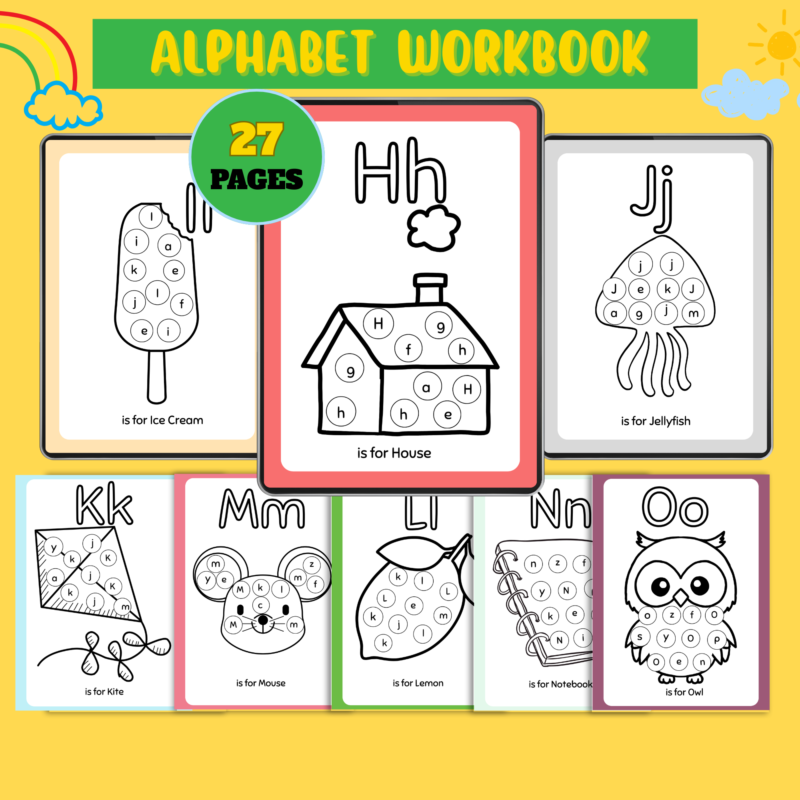
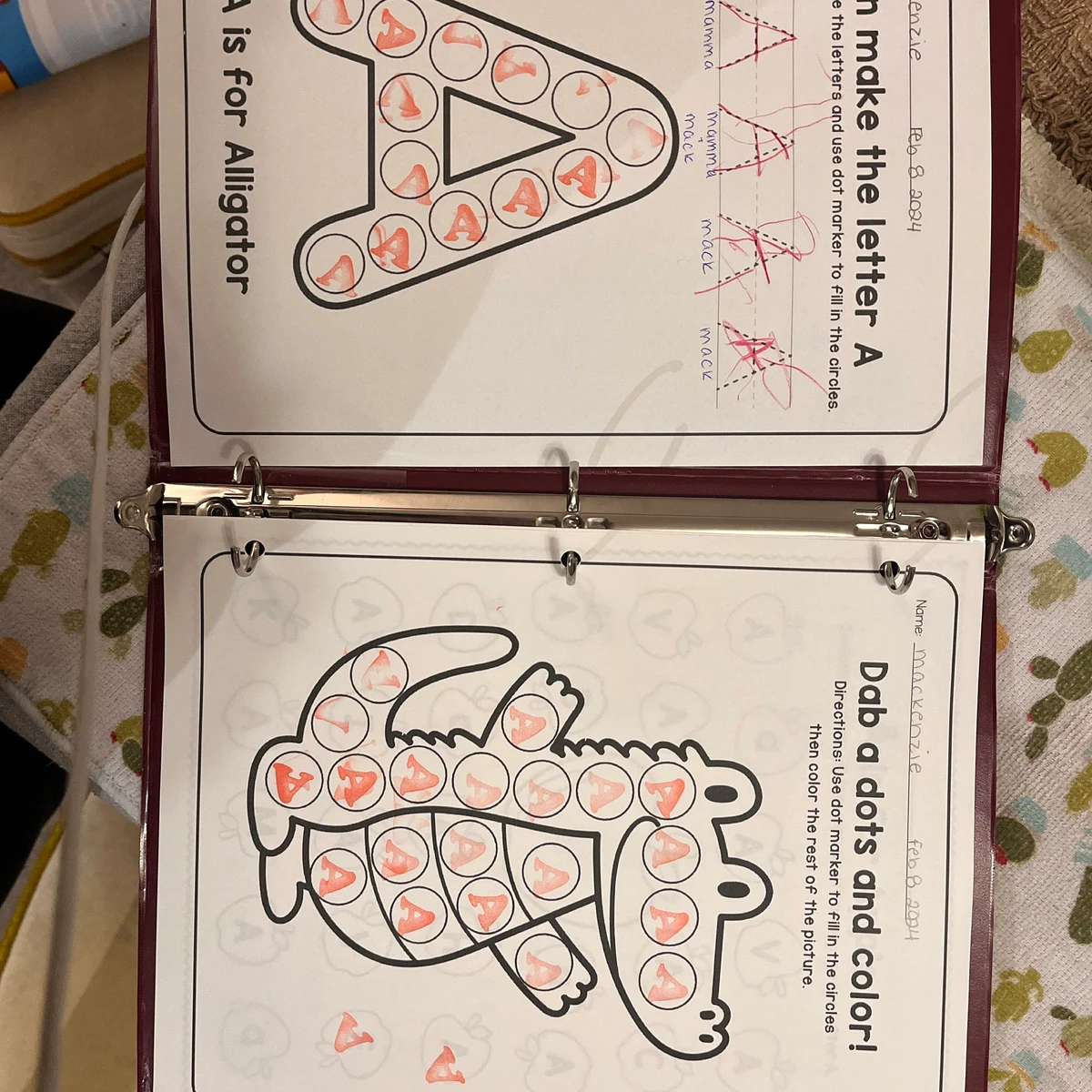
Dot marker pages are a cheerful choice for children who need practice with aim and controlled pressure. Children place a dot on each circle, picture, letter, or number, using a simple press-and-lift motion. They are building control without the pressure of tracing a continuous line.
These activities can reinforce many early learning skills, including alphabet recognition, beginning sounds, number identification, and counting. They are also easy to adapt. No dot markers available? Children can cover the dots with stickers, make fingerprint dots with washable paint, or color each circle with a crayon.
Maze and Path Activities
Mazes help children practice visual tracking and pencil movement at the same time. A simple maze asks a child to follow a route from beginning to end without crossing the boundaries. That requires attention, planning, and control.
Start with wide pathways and obvious turns. More detailed mazes are best saved for children who already enjoy tracing and can stay focused on the page. If a child gets stuck, let them use a finger to find the route before trying it with a pencil.
Cut, Paste, and Match Pages
Cut-and-paste worksheets combine several fine motor actions in one activity: cutting, picking up small pieces, applying glue, and placing items in the correct spot. They can also reinforce sorting, sequencing, alphabet knowledge, rhyming, shapes, and counting.
The trade-off is that these pages take more setup and supervision than a tracing sheet. They are wonderful for a small-group classroom center, a rainy-day home activity, or a homeschool lesson when you have time to spread out. For quicker practice, choose a page that uses only one tool.
Choosing Printables by Age and Ability
Age labels are useful starting points, but they are not strict rules. Two four-year-olds may have very different levels of hand control, attention, and interest. The right worksheet is one that offers a small challenge without causing discouragement.
For ages 2 to 3, focus on broad coloring, sticker placement, simple vertical and horizontal lines, and large dot activities. At this stage, children benefit from short sessions and adult guidance.
For ages 3 to 4, add basic tracing patterns, large shapes, simple snipping, and easy matching activities. Preschoolers often enjoy pages tied to animals, vehicles, weather, or familiar holidays because the theme gives them a reason to participate.
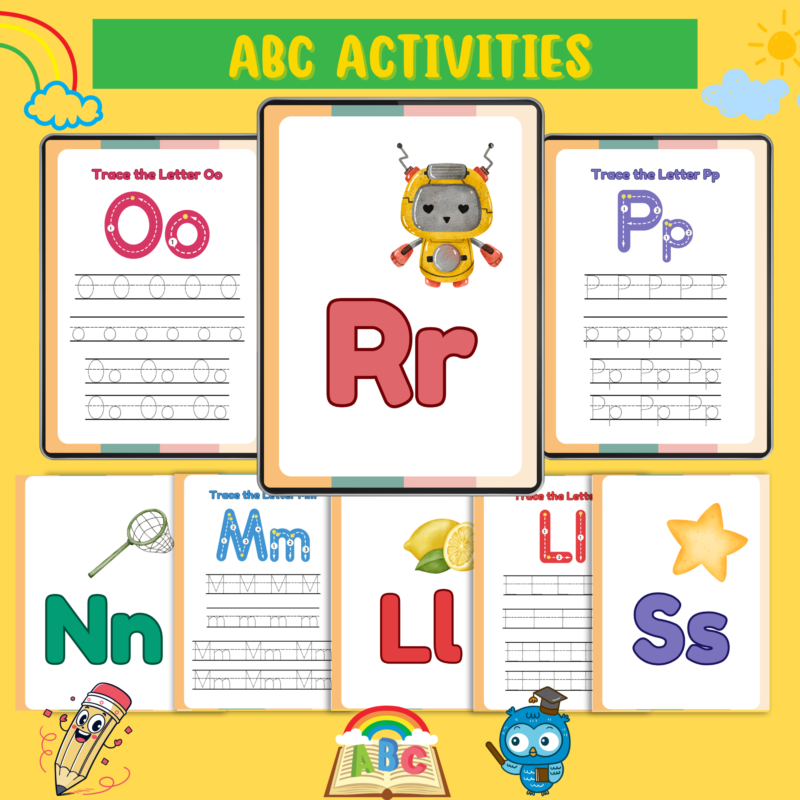
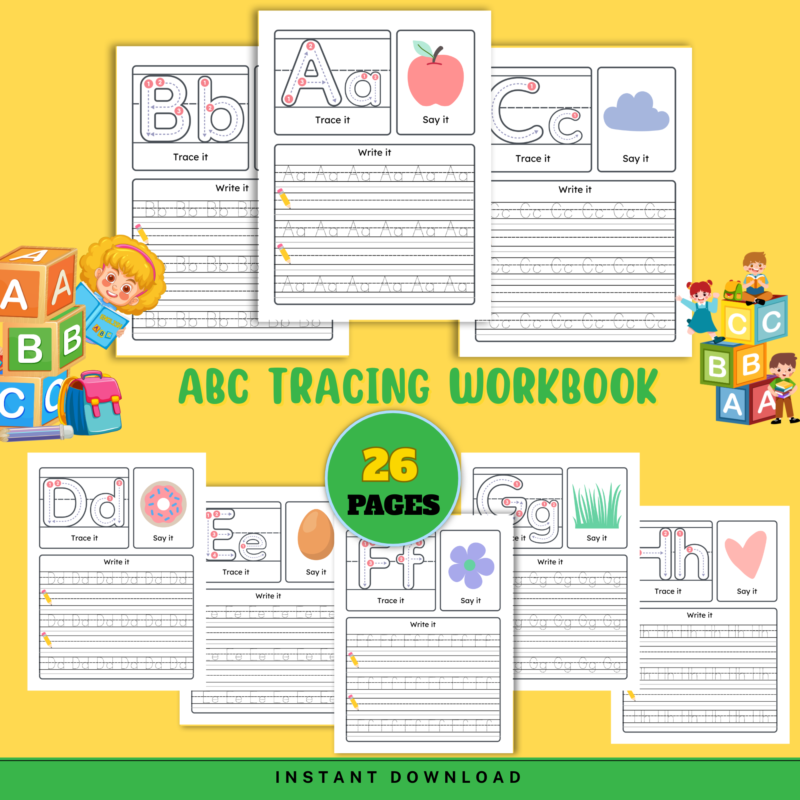
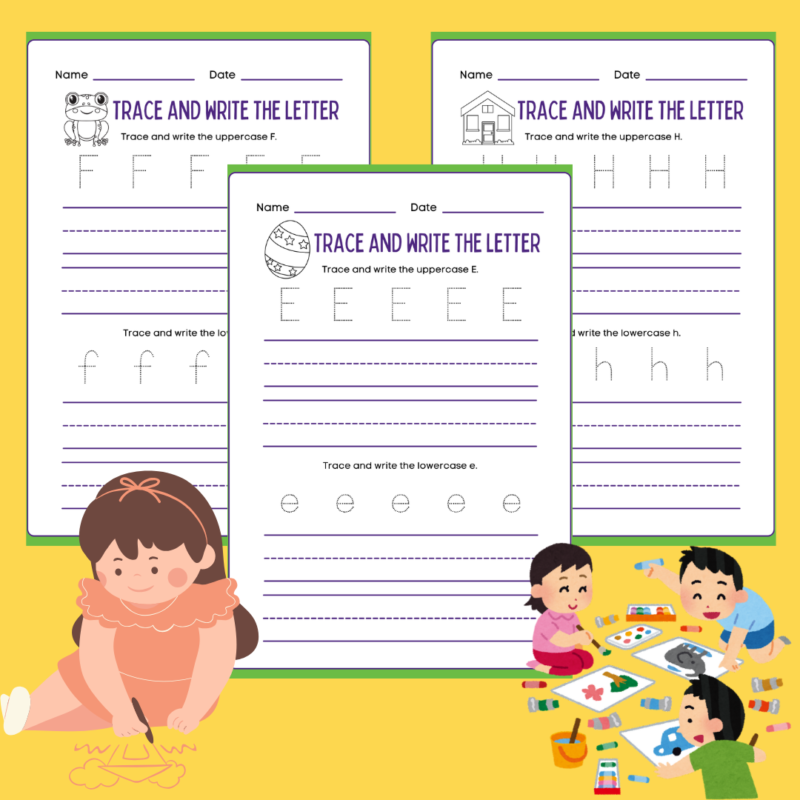
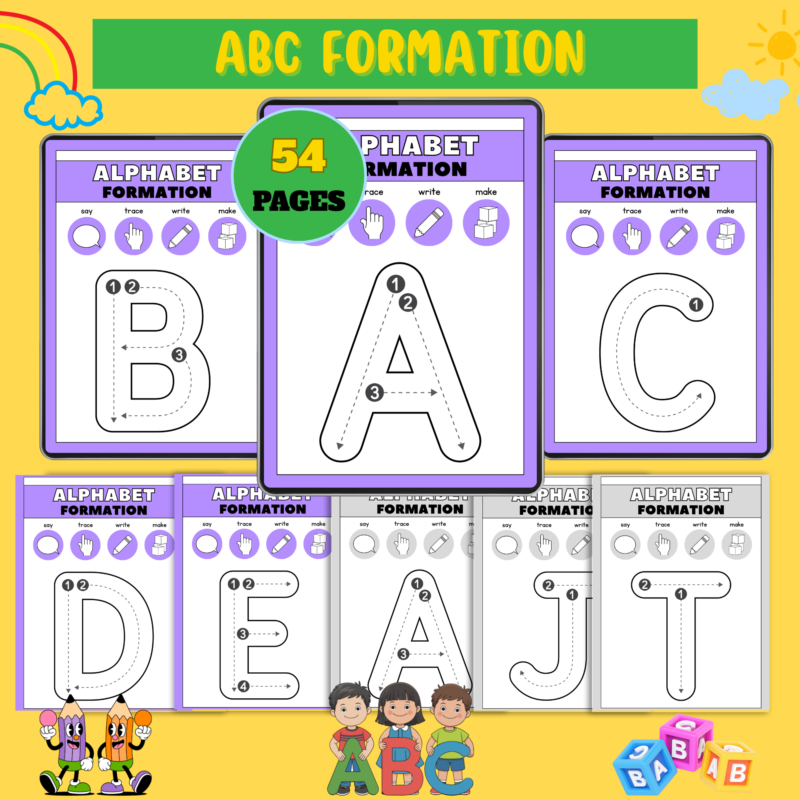
For ages 4 to 6, introduce letter and number tracing, more detailed coloring, curved cutting lines, mazes, and cut-and-paste learning activities. These are the years when fine motor work can naturally connect with phonics, counting, and early handwriting.
For children who need extra support, make the task easier before making it longer. Print one page instead of a whole packet, cover extra rows with a blank sheet of paper, or invite the child to complete only three items. Small successes build endurance over time.
Make Printable Practice Work at Home or School
The best worksheet cannot do much if it appears during a rushed moment with an uncomfortable pencil and a tired child. Keep supplies simple and ready: crayons, pencils, child-safe scissors, glue sticks, and a clear workspace are enough for most activities.
At home, fine motor practice can fit into a calm part of the routine, such as after breakfast, during quiet time, or while a sibling works nearby. In a classroom, place a few different activity types at a fine motor center so children can choose between tracing, coloring, cutting, or dot work. Choice often reduces resistance.
Keep sessions brief. Five to ten focused minutes can be more valuable than a long worksheet battle. If a child starts gripping too tightly, complaining that their hand hurts, or making increasingly rushed marks, take a movement break. Play dough, clothespins, building toys, and lacing cards can support the same muscles away from the page.
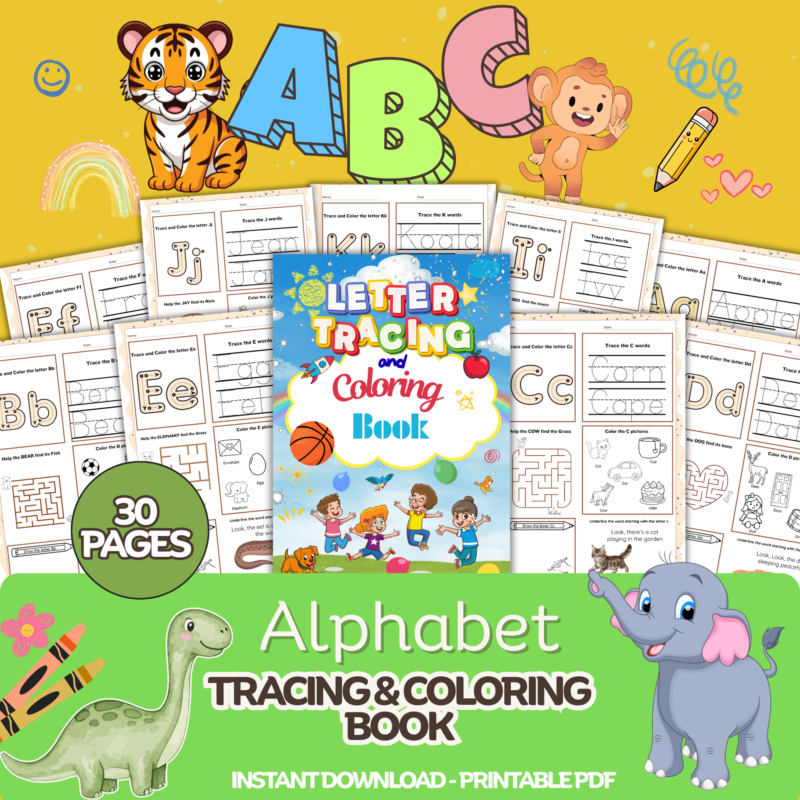
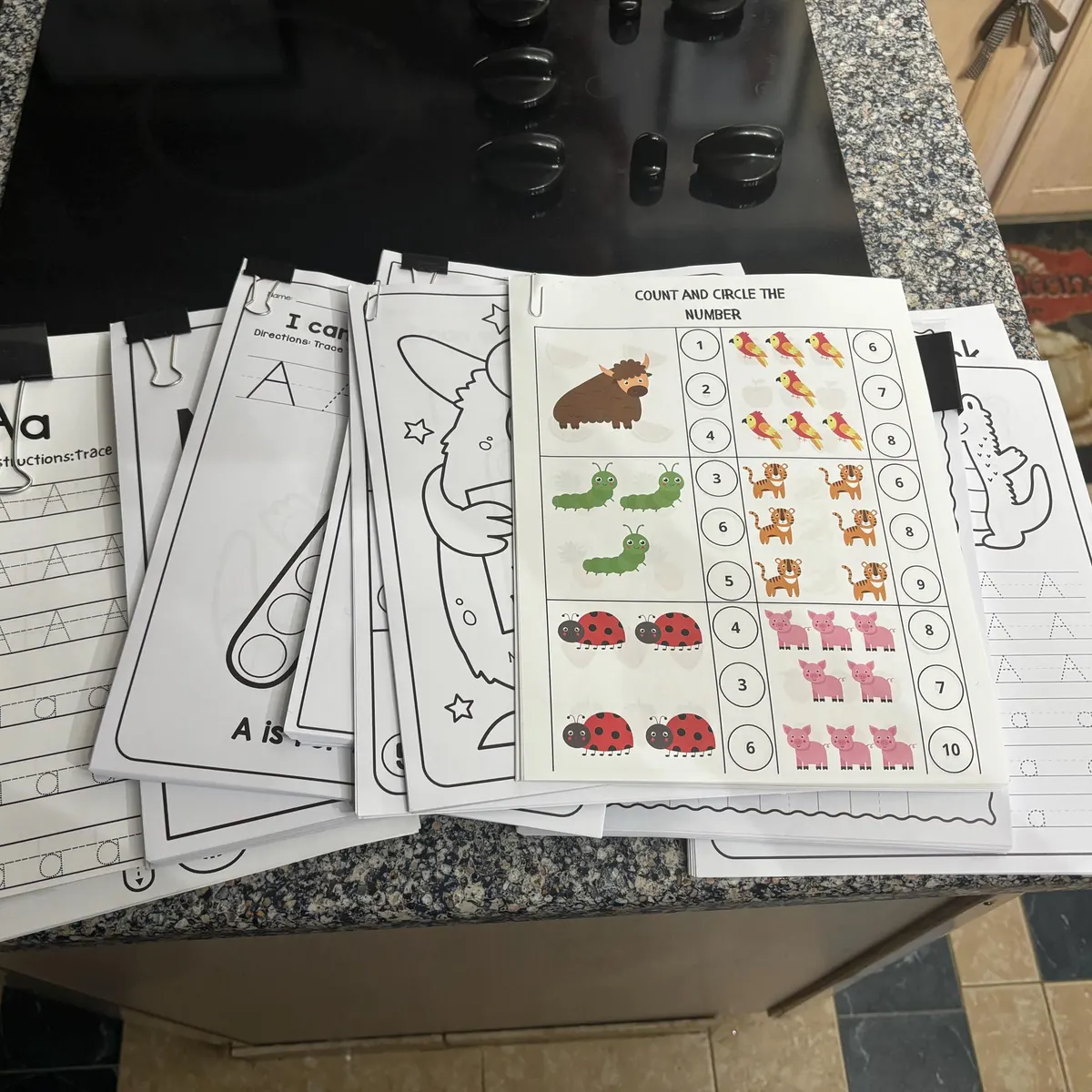
Fun Clever Fox printable worksheets are designed to make this kind of practice easy to add, with child-friendly activities that pair foundational learning with hands-on skill building. Print favorites again when a child enjoys them. Repetition is not boring when children can see themselves getting better.
A Simple Way to Build a Weekly Fine Motor Routine
Variety keeps practice fresh, but consistency helps skills grow. A simple weekly rhythm might include tracing on one day, coloring or dot markers on another, cutting on a third, and a mixed learning page later in the week. You do not need a complicated schedule or a large stack of supplies.
Watch for the activity your child returns to willingly. That favorite can become a confidence builder, while one slightly harder activity helps them stretch. If they love mazes but avoid scissors, pair an easy maze with a short cutting task instead of presenting a full page of difficult cuts.
Fine motor development is built one small movement at a time. Offer cheerful practice, celebrate effort, and let those growing hands show you when they are ready for the next step.




















4 thoughts on “Best Fine Motor Printables for Preschool Skills”